

Fast Shipping
Carrier information

20k products
Payment methods

24/7 Support
Unlimited help desk

2-day Delivery
Track or off orders
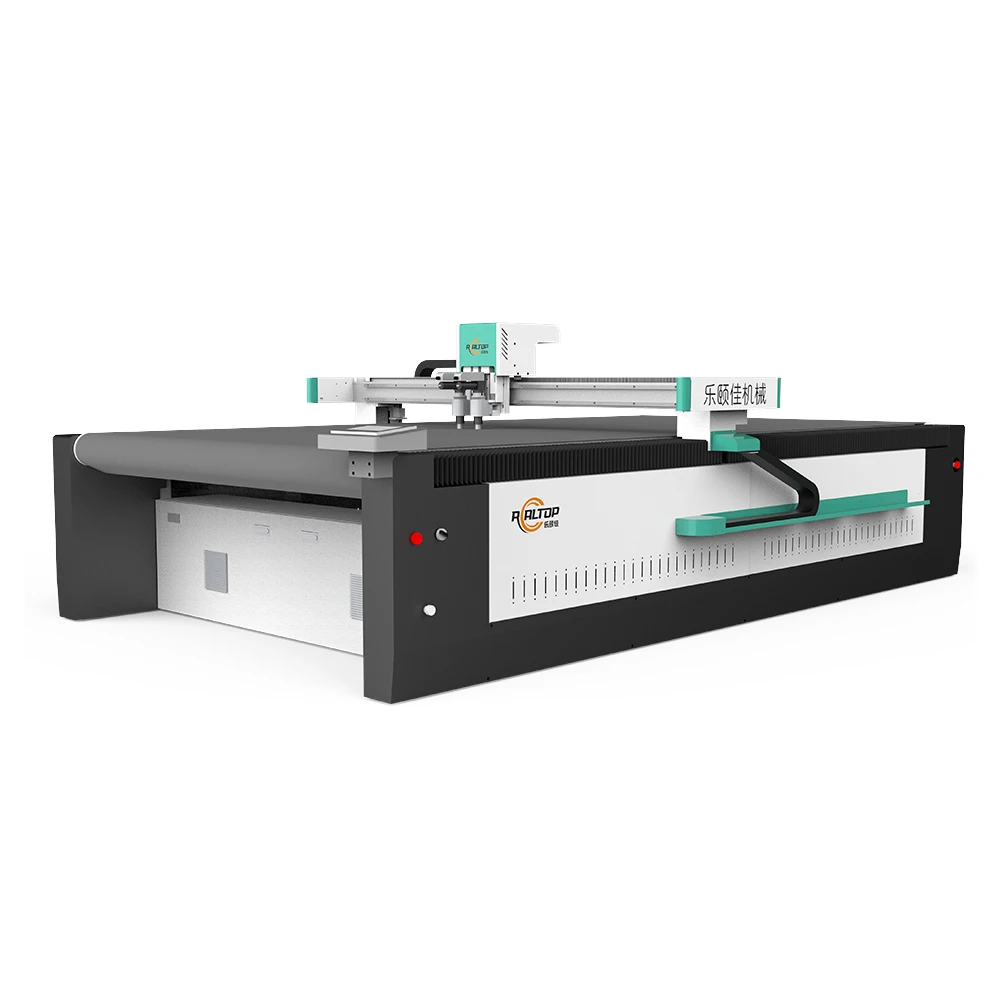
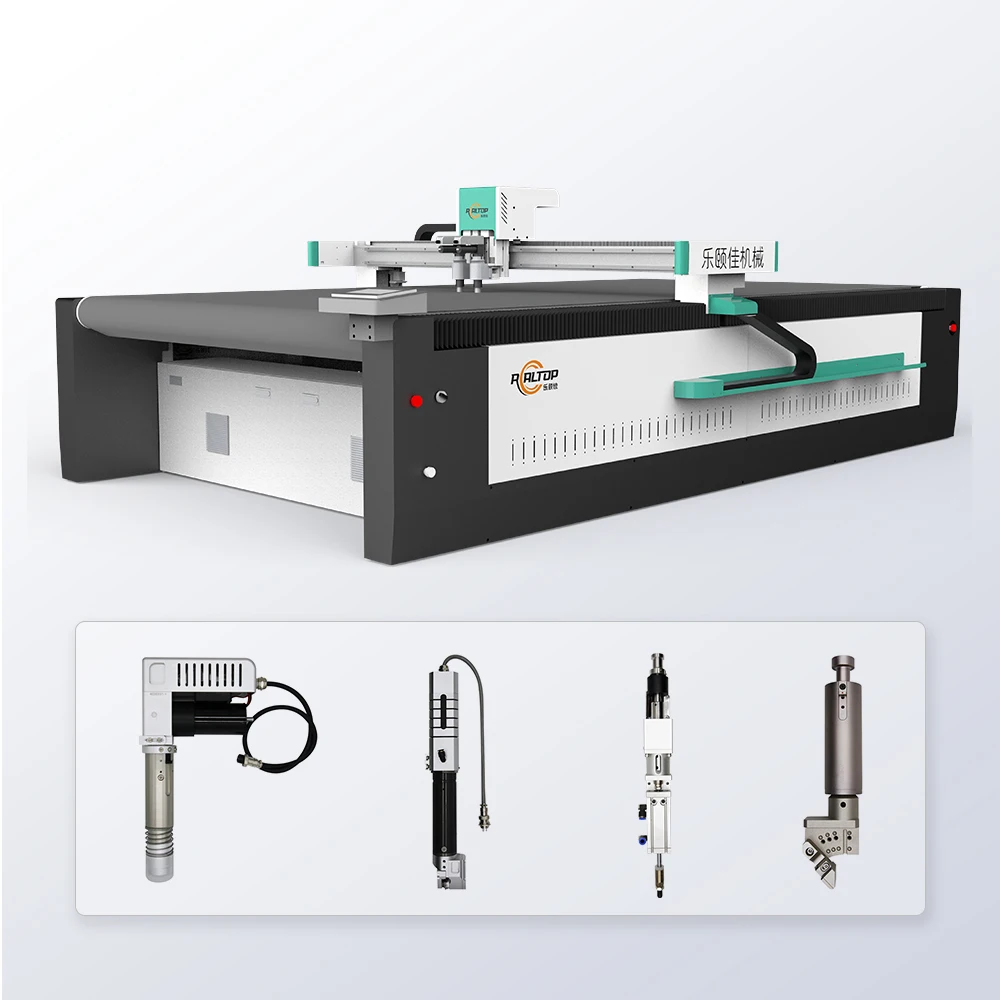
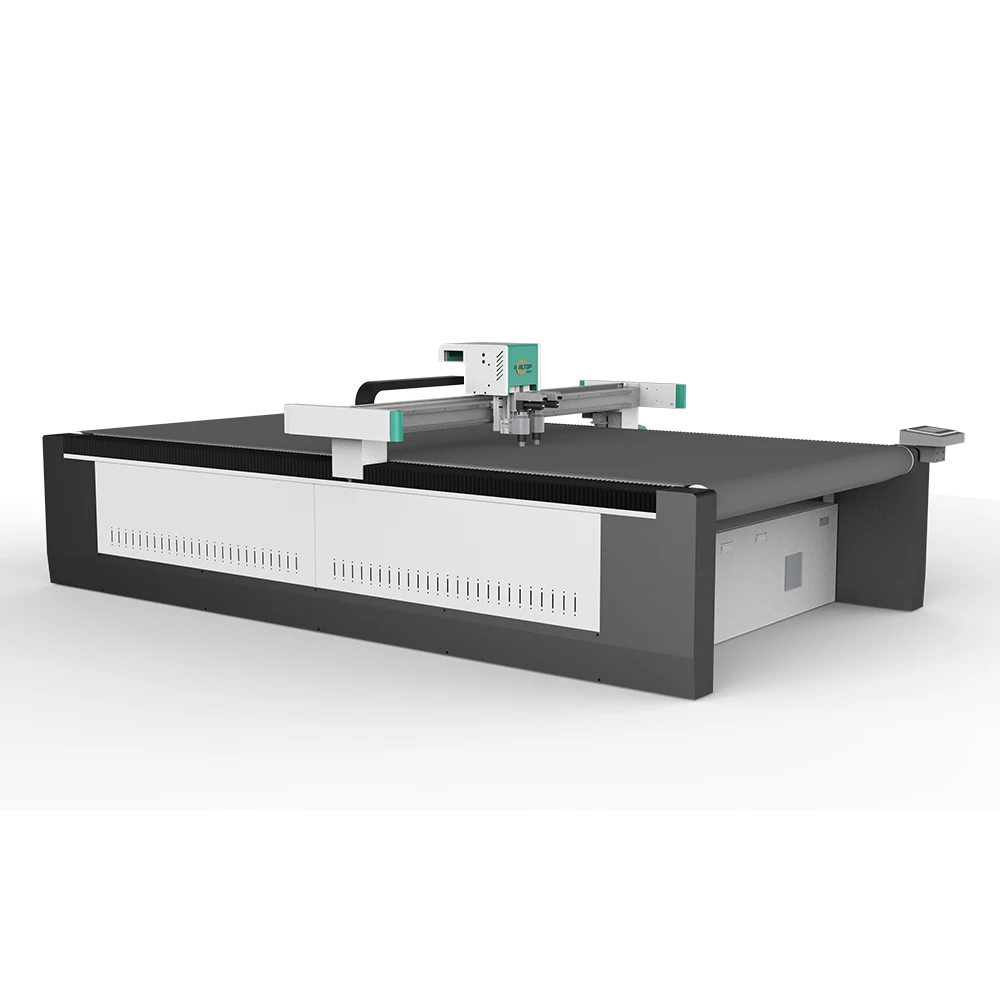
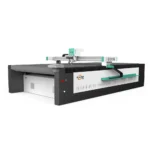
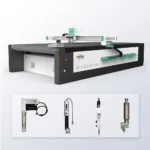
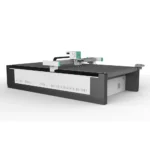
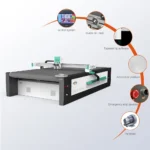
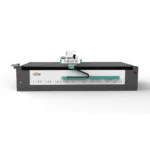
Tool Head and Table Configuration Specified Per Material — rather than quoting working area alone, this system maps oscillating knife, driven rotary, pneumatic, and milling heads to your specific gasket stock, verified by sample cutting before order.
Technical Specifications
| Parameter | Value |
|---|---|
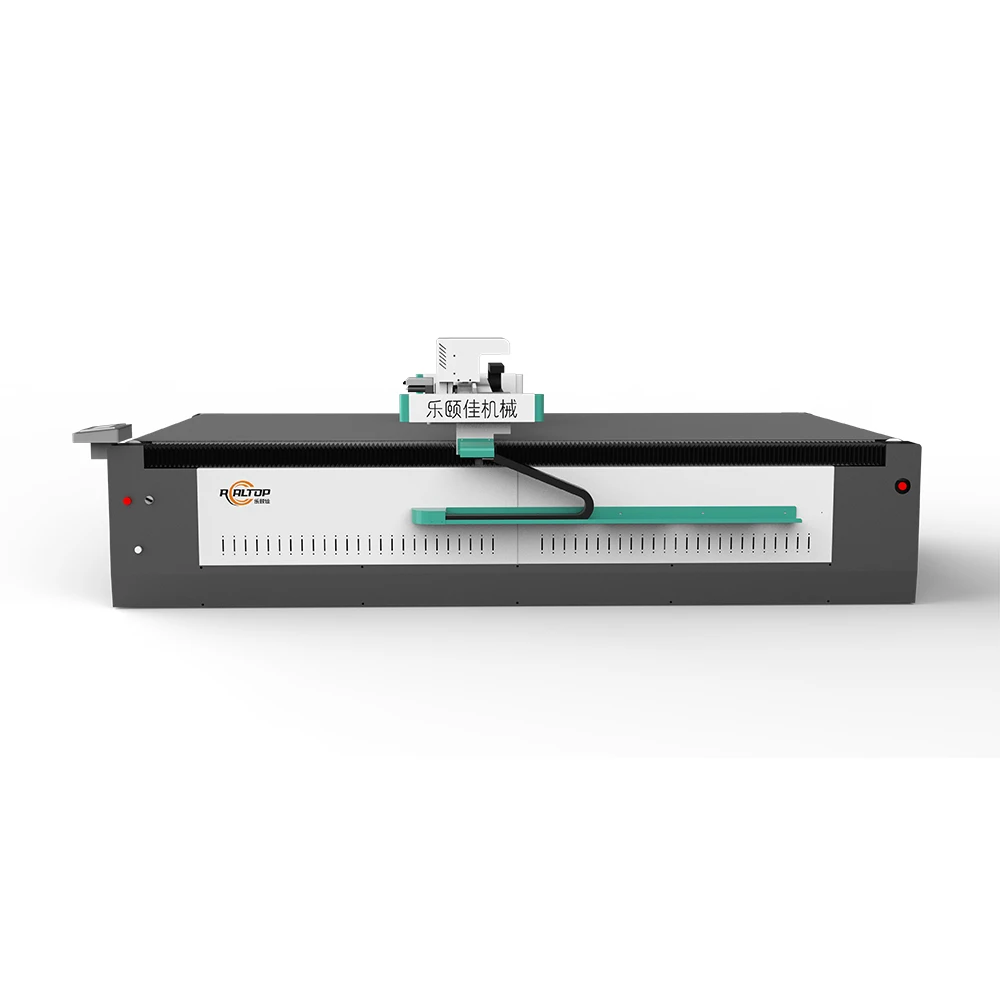
| Product Type | CNC Oscillating Knife Cutting Machine for Gasket & Composite Materials |
| Working Area | 1600×2500 mm |
| Tool Head Options | Oscillating knife, Driven rotary knife, Creasing wheel, Kiss cutting tool, Pneumatic knife, Milling tool, V groove knife |
| Cutting Speed | 0–2000 mm/s |
| Cutting Thickness | ≤ 30 mm (basis not stated in source — confirm material type and density) |
| Positioning Accuracy | ±0.1 mm |
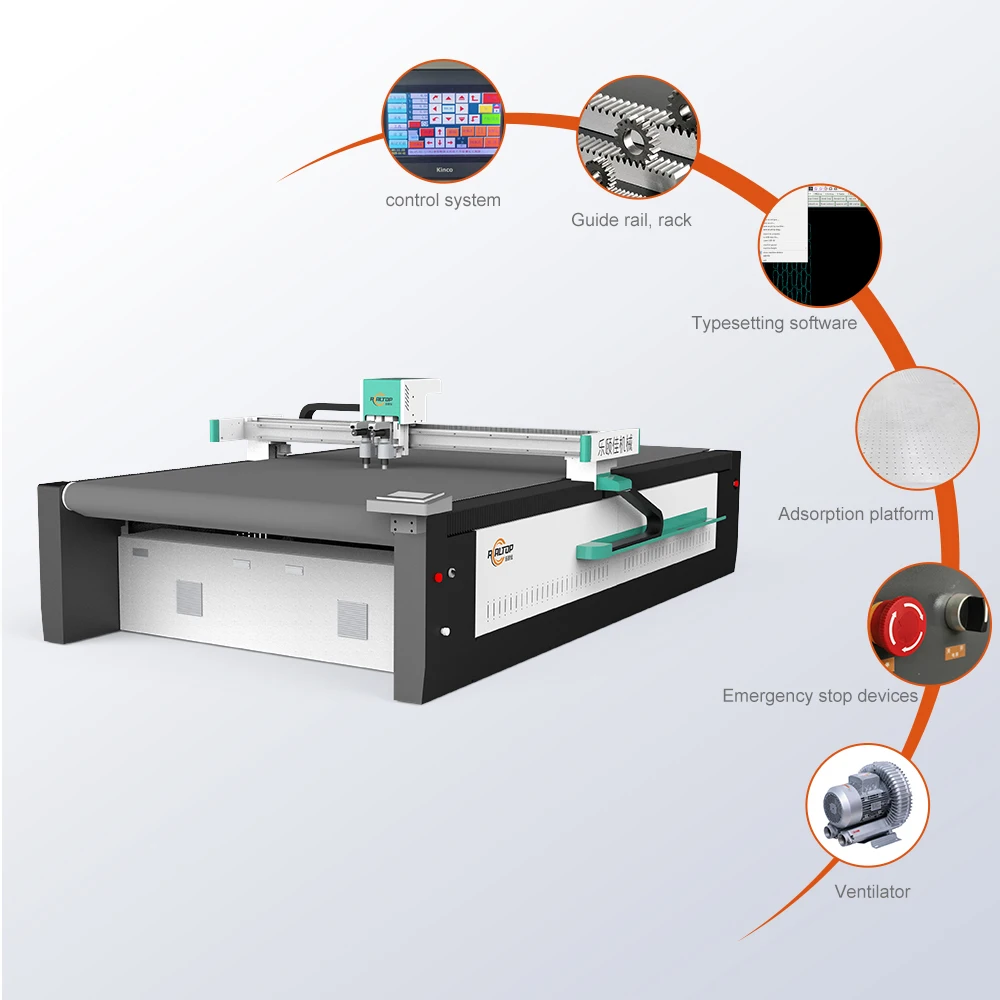
| Vacuum Table | Aluminum bellows vacuum table with full-surface adsorption |
| Vacuum Pump Power | 9 kW |
| Control System | PLC control panel with intuitive interface |
| Servo Drive Options | Panasonic, Delta, Dorna (rated or peak not specified in source) |
| Voltage Options | 110V / 220V / 380V (frequency not specified in source) |
| Software & File Formats | PLT, DXF, AI, PDF; dedicated packaging box structure design software included |
| Safety Device | Infrared sensor device and emergency stop device |
| Overall Dimensions (L×W×H) | 3300×2100×1350 mm |
| Language Options | English, Russian, Italian, Chinese; special languages customizable |
| Assembly State | Fully assembled, factory test before shipment |
Application Suitability
| Application | Material or Output |
|---|---|
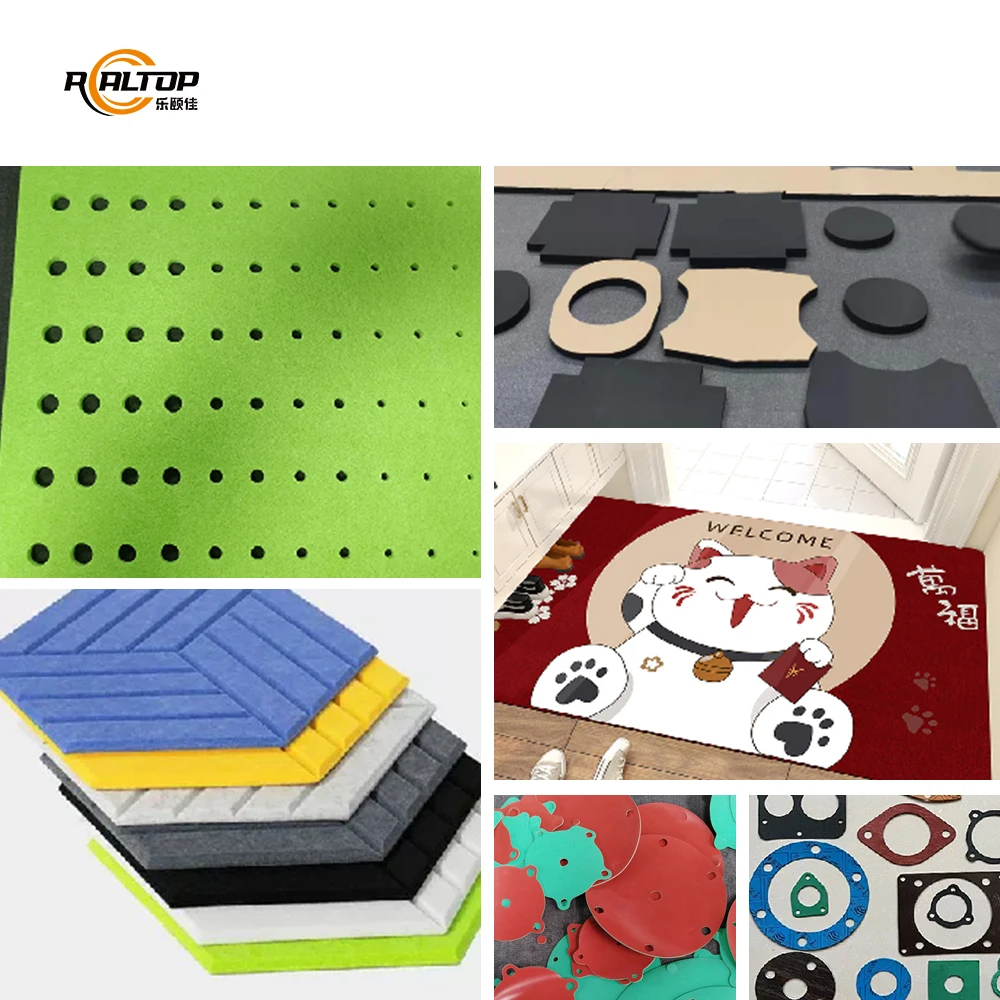
| Industrial gasket and seal production | Rubber, PTFE, EVA, PVC sheets up to 30 mm |
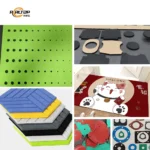
| Automotive interior and acoustic components | Acoustic felt, damping pads, carpets, sealing strips |
| Aerospace composite layup and trimming | Carbon fiber prepreg, aramid honeycomb, fiberglass cloth |
| Wind power blade preform fabrication | Infusion mesh and core material preforms |
| Sporting goods composite cutting | Helmet liners, surfboard cores, bicycle frame prepreg |
Why Cutting Thickness Ratings Mislead Gasket Buyers
A 30 mm rating means nothing until you name the material and its density.
When a gasket producer sends an inquiry, the first number they usually see on a spec sheet is maximum cutting thickness. That figure is typically measured on a soft, uniform foam. Swap in a钢丝-reinforced rubber compound or a dense PTFE sheet, and the same oscillating knife head that slices foam cleanly will stall, chatter, or snap. CNC oscillating knife cutting machine specifications only become meaningful when tied to the exact stock you run on your shop floor. A machine that handles 30 mm of EVA foam may struggle at 8 mm of compressed fiber gasket material, and discovering that mismatch after delivery is an expensive lesson [NEED_CITE: material density and reinforcement effects on knife cutting performance].
Matching Tool Heads to Gasket and Composite Stock
Seven tool heads are available for this platform, and choosing the right one is the single most important decision in the CNC oscillating knife cutting machine specifications you finalize. An oscillating knife handles most non-metallic sheets with clean vertical edges. A driven rotary knife suits textile and felt layers where dragging would distort the weave. For rubber compounds with embedded wire or fiber reinforcement, a pneumatic knife or milling tool delivers the axial force needed without blade deflection. Each head mounts to the same carriage, so a single machine covers multiple material families when configured correctly from the start.
Vacuum Holding Force on Small Gasket Profiles
Gasket nests often contain dozens of small seals, O-ring blanks, and flange profiles that sit on narrow lands. A standard vacuum table with large zones loses suction at the edges of each part, allowing thin material to lift into the knife path. The aluminum bellows vacuum table on this system provides full-surface adsorption with high flatness, keeping even small die-cut shapes pinned throughout the cycle [NEED_CITE: vacuum table zoning principles for small-part CNC cutting]. The 9 kW vacuum pump maintains consistent negative pressure across the 1600×2500 mm bed, reducing part lift and the ragged edges that follow.
Reading the Numbers That Actually Matter
Positioning accuracy of ±0.1 mm sets the tolerance envelope for gasket profiles that must seal against machined flanges. Servo drive selection from Panasonic, Delta, or Dorna determines acceleration behavior and edge smoothness on tight radii, though rated versus peak torque figures should be confirmed for each option. Cutting speed ranges from 0 to 2000 mm/s, but real throughput depends on material hardness, tool head chosen, and nesting density rather than the speed number alone. The PLC control panel runs dedicated nesting and structure design software that imports PLT, DXF, AI, and PDF files, so your existing CAD workflow carries over without format conversion delays. Language options include English, Russian, Italian, and Chinese, with special languages configurable before build.
The Cost of a Wrong Tool Head Choice
A gasket shop that specifies an oscillating knife for wire-reinforced rubber will see premature blade wear and edge delamination within the first production run. The machine frame and motion system are not at fault — the tool head simply cannot generate the cutting force the material demands. Replacing blades mid-shift, re-cutting scrapped parts, and explaining late deliveries to customers costs far more than specifying a milling head or pneumatic knife at the quotation stage [NEED_CITE: tool head selection errors and production downtime in gasket cutting]. Getting the configuration right before shipment avoids these compounding losses.
Why Source This Configuration Here
In-house design covers both knife and laser cutting technologies, so gasket buyers can match the cutting method to their material rather than forcing one technology across every stock type. Tool head and table configurations are specified per material sample and daily volume, not pulled from a default list. CCD camera positioning is available for printed contour work on automotive interior components. Software compatibility and file format support are confirmed before the order is locked. Voltage, plug type, and control language are customized to the destination workshop. Sample cutting on the buyer’s own material is completed and documented before any commitment is made.
Documentation & Verification
- Machine specification sheet listing every tool head and servo option confirmed at order
- Electrical schematic with voltage and frequency matched to your workshop supply
- Tool head and table configuration list tied to your material test report
- Sample cutting report showing edge quality and cycle time on your gasket stock
- CE declaration and factory test record included in the shipping documentation package
- Software licence, file format compatibility note, and spare parts list provided at dispatch
Installation, Commissioning & Support
- Overall dimensions of 3300×2100×1350 mm require clear floor space plus operator access on three sides
- 9 kW vacuum pump plus spindle and servo loads need a dedicated circuit at the confirmed voltage
- Machine ships fully assembled and factory-tested, requiring only power connection and bed leveling on arrival
- PLC control panel parameters are preset to your material profile during commissioning
- Operator training covers tool head changeover, nesting software use, and vacuum zone management
- Spare blade and tool head inventory list provided for your first production quarter
What to Include in Your Inquiry
To move from quotation to sample cutting quickly, share the gasket material type, reinforcement details, sheet thickness, and largest sheet size you stock. Confirm your local voltage and frequency, preferred control language, and target daily output volume. If you can send a sample roll or sheet, a cutting test on your actual material will be arranged before any specification is finalized.
Frequently Asked Questions
Q: How is cutting thickness verified for my specific gasket material and density?
A: Maximum thickness varies with material composition and reinforcement. We run a sample cut on your actual stock — rubber, PTFE, fiber composite, or foam — and document edge quality, cutting force, and cycle time. The test report becomes part of your configuration specification, so the machine ships tuned to your material rather than a generic rating.
Q: Which tool head is recommended for my material and what edge quality should I expect?
A: Soft foams and textiles suit an oscillating knife. Wire-reinforced rubber and dense composites require a pneumatic knife or milling tool. During sample testing we run your material on the recommended head and provide cut-edge photographs plus cycle data, so you see the result before ordering.
Q: How is vacuum table zoning configured for small gasket parts to prevent lift?
A: The aluminum bellows table delivers full-surface adsorption across the 1600×2500 mm bed. The 9 kW vacuum pump maintains holding pressure even with small, narrow gasket profiles. Zoning is set during commissioning based on your typical nest layout to eliminate part lift during cutting.
Q: What voltage, frequency, and control language options are confirmed before shipment?
A: Voltage is configurable across 110V, 220V, and 380V, and frequency is confirmed to match your local grid. Control language defaults to English, Russian, Italian, or Chinese, with other languages available on request. All electrical specifications are locked in writing before production begins.
Q: Can I send my own material for sample cutting and receive a test report before ordering?
A: Yes. Ship a sample sheet or roll of your gasket stock to our workshop. We test cutting speed, tool head performance, and edge quality, then return a written report with photographs and configuration recommendations. There is no obligation to proceed until you approve the results.


商品评价
Clear filtersThere are no reviews yet.