

Fast Shipping
Carrier information

20k products
Payment methods

24/7 Support
Unlimited help desk

2-day Delivery
Track or off orders
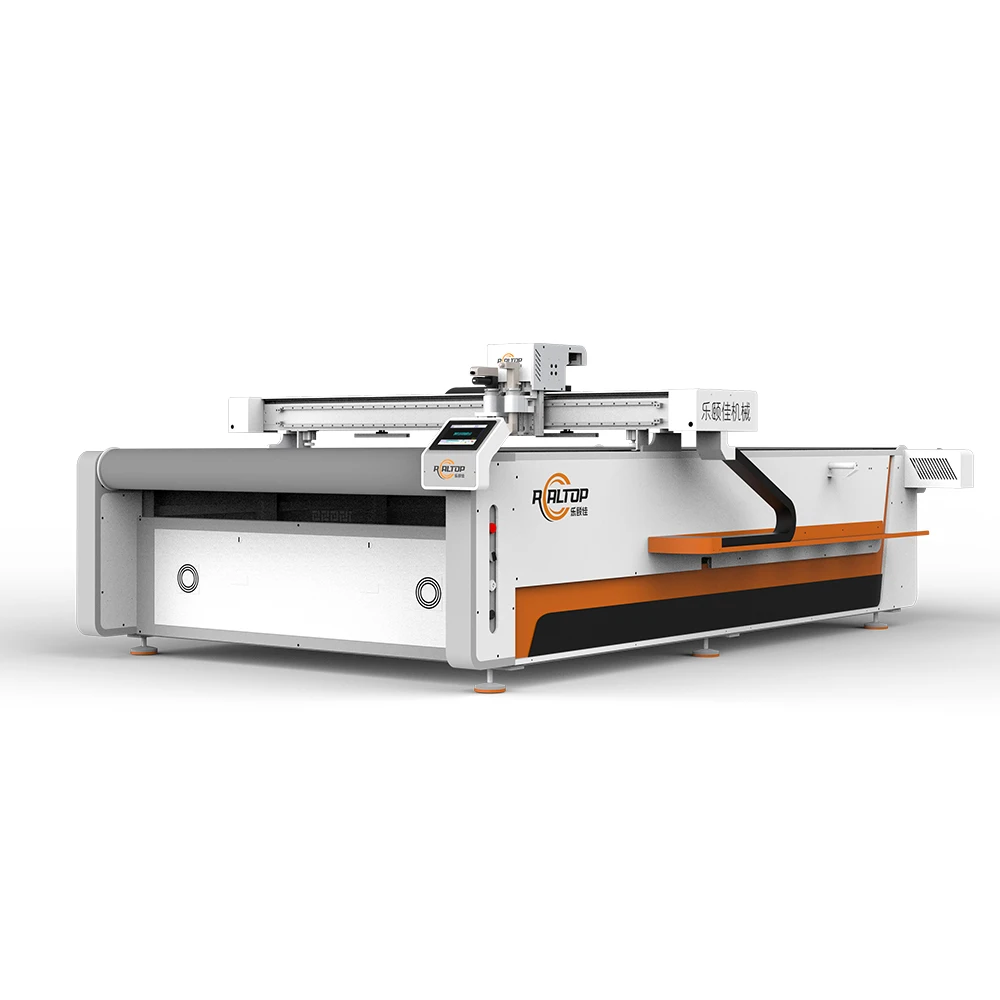
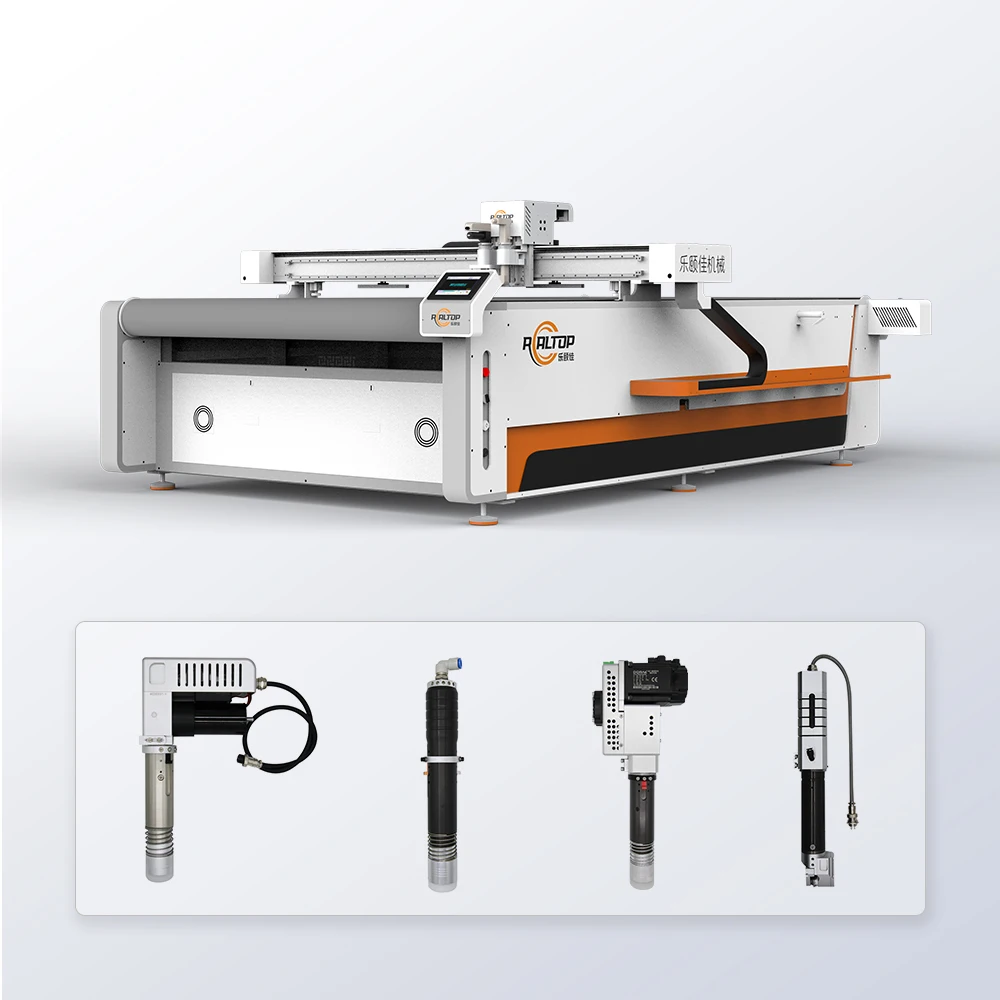
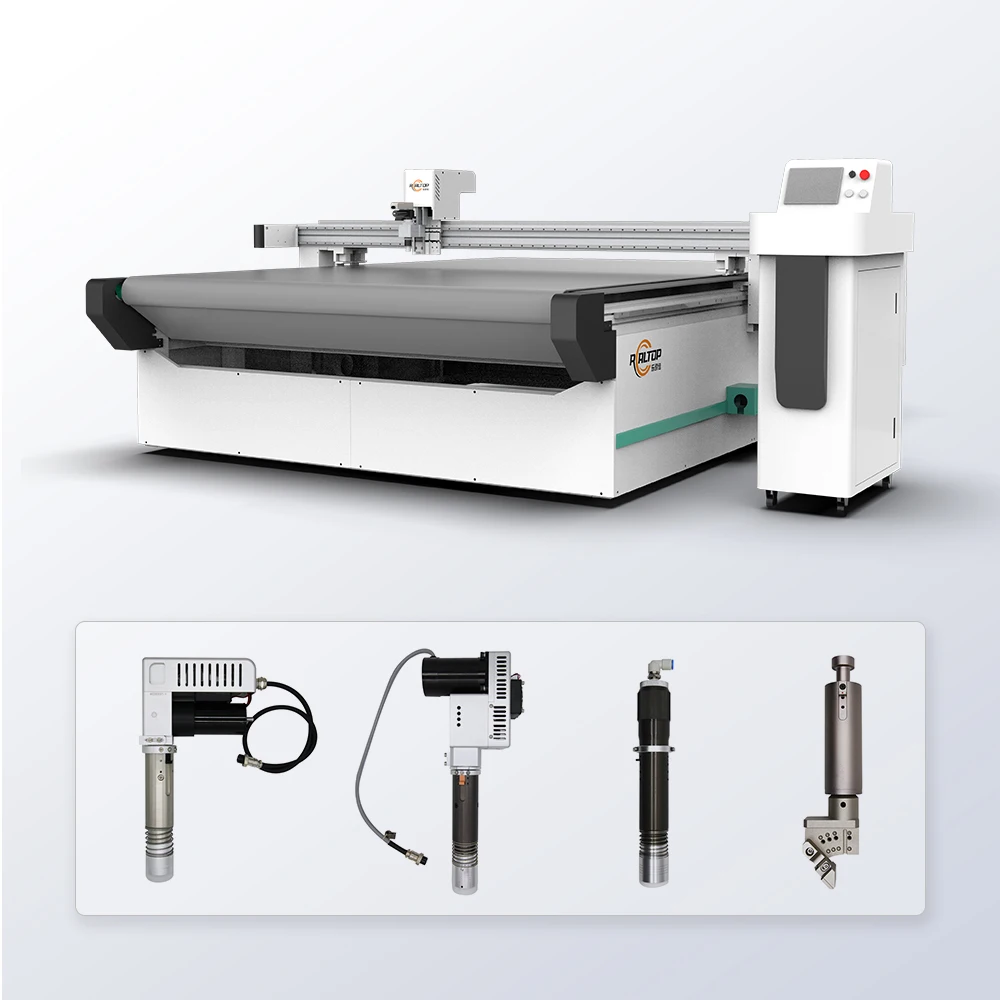
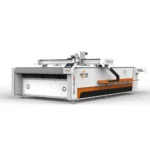
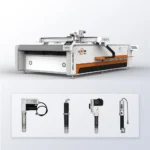
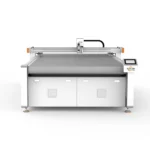
Tool Head Matched to Material — RT-D2516/RT-S2516 specified per fabric type and coating, verified by sample cutting before order.
Technical Specifications
| Parameter | Value |
|---|---|
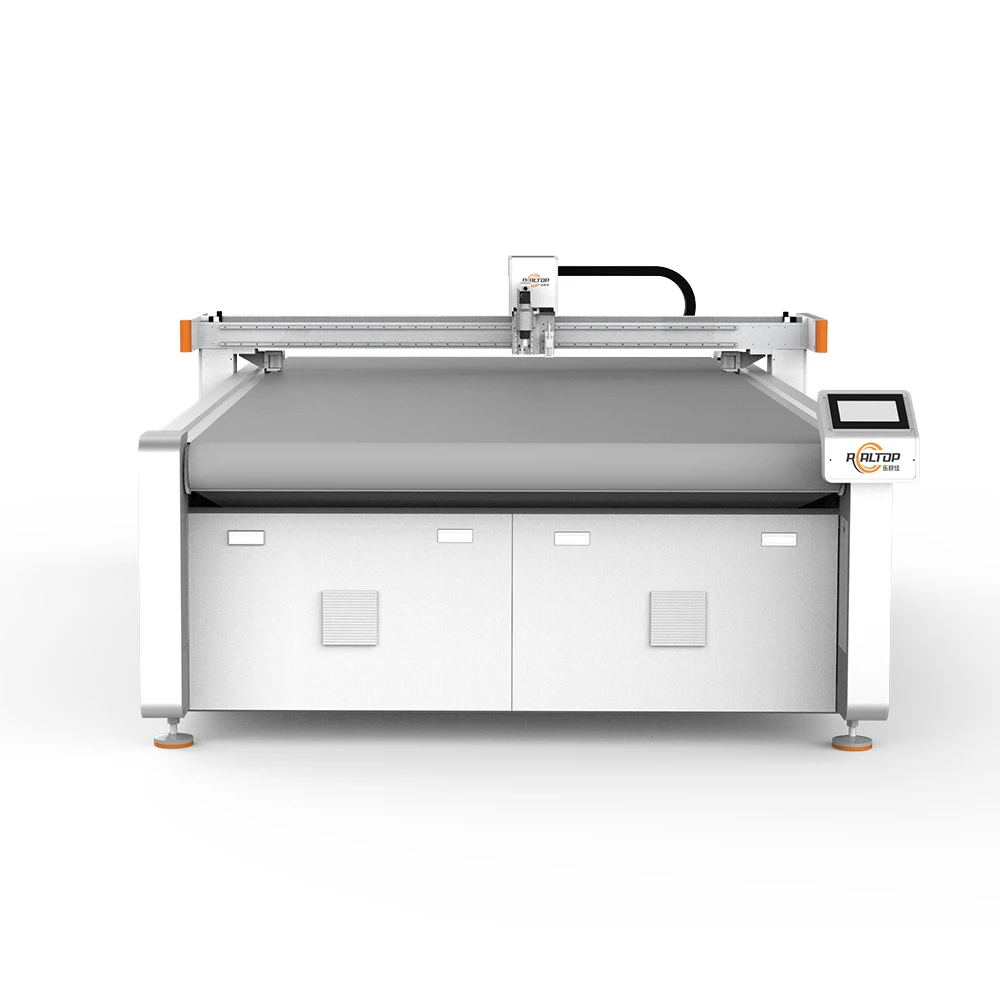
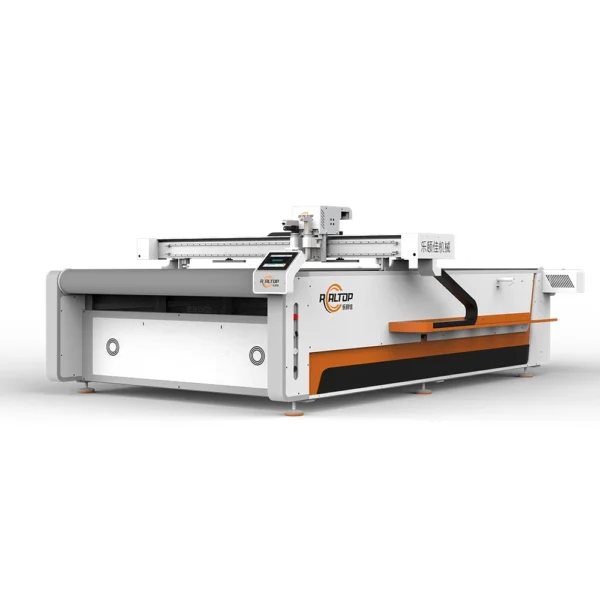
| Product Type | CNC Oscillating Knife Cutting Machine |
| Model | RT-D2516/RT-S2516 |
| Working Area | 1600×2500 mm |
| Overall Dimensions | 3450×2300×1250 mm |
| Rated Power | 9 kW |
| Voltage | 380V±10% (50/60Hz to be confirmed) |
| Cutting Speed | 200–800 mm/s (according to different cutting materials) |
| Translational Velocity | 800–2000 mm/s |
| Repeatability | ≤0.1 mm |
| Cutting Thickness | ≤100 mm (varies with material) |
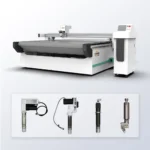
| Tool Head Options | Swiss imported oscillating knife, pneumatic knife, high-power vibrating knife, circular knife, V-cutting knife, drag knife, creasing wheel, dotted line knife, punching, brush |
| Visual Positioning | Small CCD camera mark point positioning, panoramic camera recognition, projection positioning |
| Transmission System | Digital servo motor (Delta or Panasonic optional), linear guide, synchronous belt, ball screw |
| Vacuum Table | Magnesium-aluminum alloy with PVDF powder coating, anodic oxidation, hard oxidation |
| Vacuum Pump | 7.5 kW, integrated aviation aluminum shell with built-in silencer sponge |
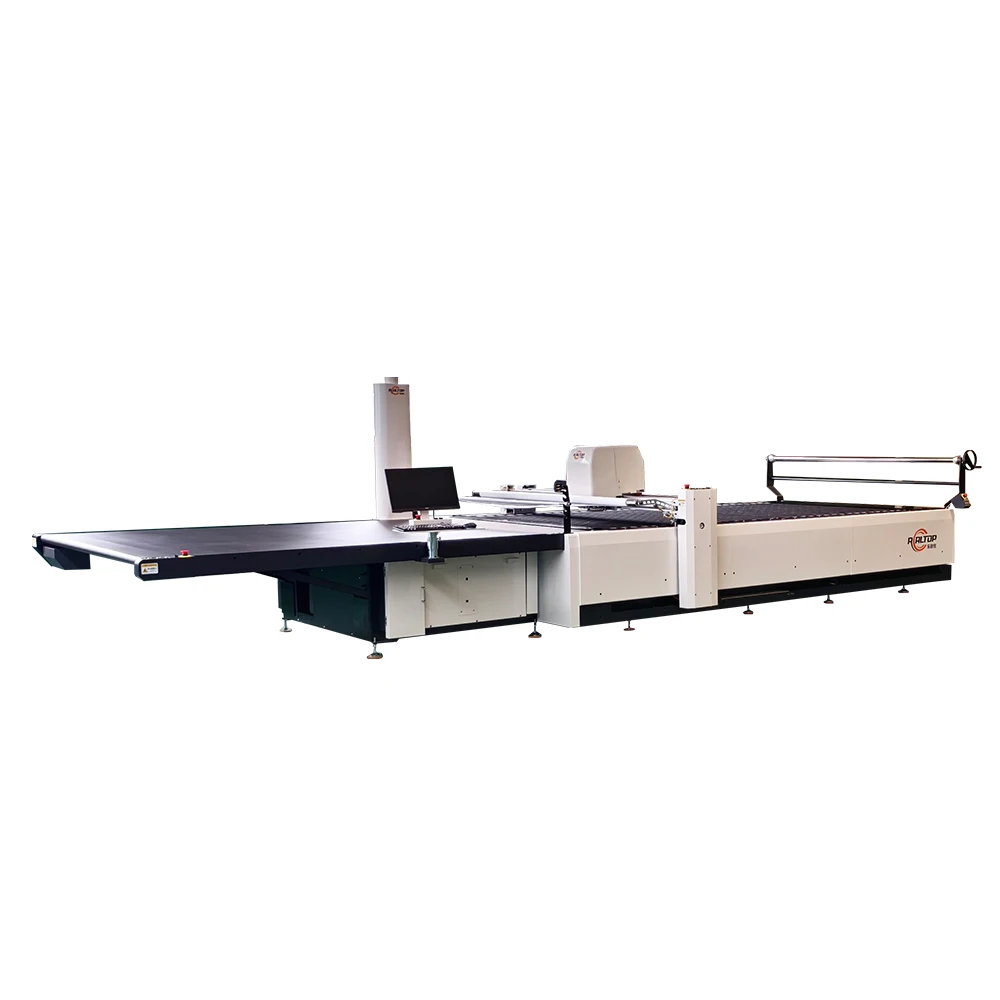
| Table Options | Flat working table, auto feeding table (conveyor) |
| Safety Devices | Infrared induction blocking, anti-collision sensors on beam sides, emergency stop button |
| Control Panel | Touch screen, multiple languages (English, Russian, Italian, Chinese; special languages customizable) |
| Software & File Formats | HP-GL compatible; supports PLT, DXF, AI; auto typesetting / nesting |
| Certification | CE |
| Warranty | 1 year (domestic and overseas) |
Application Suitability
| Application | Material or Output |
|---|---|
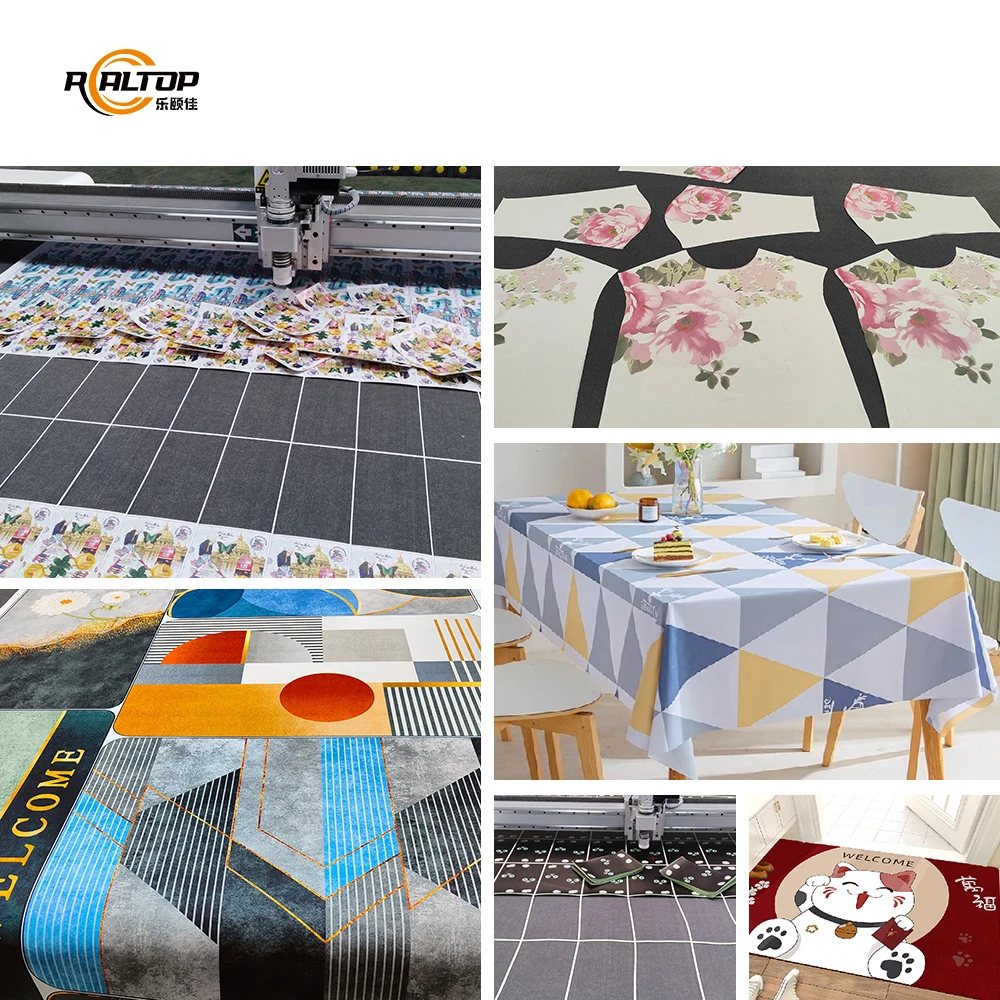
| Soft furnishings cutting | Sofa fabrics, carpets, floor mats |
| Automotive interior trimming | Headliners, door panels, gaskets |
| Garment and footwear manufacturing | Leather, PU, EVA, XPE, fabric, shoe material |
| Packaging sample making | Corrugated cardboard, plastic box |
| Advertising and signage | Sticker, film, vinyl |
| Composite and foam fabrication | Sponge, foam board, rubber, fiberglass, carbon fiber |
| Sealing gasket production | PTFE, ETFE, PP, PE, silicon, rubber |
Why Cutting Thickness Alone Does Not Tell You If the Machine Will Work
The real question is whether the tool head, vacuum hold-down and blade geometry together can handle your specific material stack at production speed.
A buyer once sent me a swatch of upholstery fabric that cut cleanly on our sample table. When their full roll arrived, the polyurethane coating underneath caused the blade to skate across the surface instead of biting through. Two weeks of parameter adjustments followed before we found the right oscillating frequency and knife angle. That experience changed how I approach every inquiry for a CNC oscillating knife cutting machine specifications review — material name is never enough. [NEED_CITE: material coating effects on oscillating knife cutting performance]
Tool Head Selection Across Fabric Types
The RT-D2516/RT-S2516 offers ten tool head options because no single blade geometry cuts every textile cleanly. A Swiss imported oscillating knife handles woven fabric and layered textile with a full-cut or half-cut stroke, while a circular knife suits long straight runs on non-woven rolls where edge sealing is not required. Drag knives and creasing wheels serve corrugated packaging sample work, and the punching head adds perforation for tear-off patterns. Selecting the correct CNC oscillating knife cutting machine specifications starts with matching the tool head to the thickest material you will run most frequently.
Vacuum Zoning for Small and Large Parts
The magnesium-aluminum alloy vacuum table on this platform uses PVDF powder coating and hard oxidation to resist abrasion from repeated material loading. The 7.5 kW vacuum pump integrates into an aviation aluminum shell with a built-in silencer sponge to reduce workshop noise. Zoning matters when small pattern pieces sit beside large panels on the same bed — without adequate suction distribution, lightweight fabric lifts at the edges during high-speed traversal and the cut path drifts. [NEED_CITE: vacuum table zoning requirements for textile cutting]
Reading the Drive and Precision Numbers
A repeatability of ≤0.1 mm means that nested pattern pieces stay within tolerance across a full 1600×2500 mm bed, which matters when garment panels must align at sewing stations. The digital servo system — available with Delta or Panasonic motors — controls acceleration through linear guides and ball screws, so the cutting head decelerates smoothly at corners rather than overshooting and leaving whisker marks on delicate silk or coated polyester. Cutting speed ranges from 200 to 800 mm/s depending on material density, while translational velocity reaches 2000 mm/s for rapid repositioning between cut zones.
The Cost of Guessing Your Configuration
I have seen fabricators order a cutting table based on working area alone, then discover that the vacuum hold-down was insufficient for their smallest gasket pieces, which lifted and bunched during cutting. Others selected a drag knife for foam that actually needed a high-power vibrating knife to avoid crushing the cell structure. These mismatches do not show up in a brochure. They appear on the shop floor as ragged edges, material waste and missed delivery dates — the kind of problems that take weeks to diagnose after the machine is already bolted down. [NEED_CITE: common CNC knife cutting configuration errors]
What In-House Design and Production Means Here
The RT-D2516/RT-S2516 is built in a facility that produces both knife and laser cutting platforms, so the engineering team can direct a buyer toward the correct cutting method rather than forcing one technology to cover every material. Tool head configuration, vacuum table layout and CCD camera selection are each specified against the buyer’s actual material samples and daily volume. The touch screen control supports English, Russian, Italian and Chinese with additional languages available, and the software accepts PLT, DXF, AI and HP-GL files to match existing nesting workflows. A sample cutting report on the buyer’s own material accompanies every quotation, documenting edge quality, cutting depth and cycle time before commitment.
Documentation & Verification
- Machine specification sheet listing selected tool heads and vacuum table zone layout
- Electrical schematic with confirmed voltage, frequency and plug type for destination market
- Sample cutting report on buyer-supplied fabric, leather or foam documenting edge quality
- Software licence with confirmed PLT, DXF, AI and HP-GL file format compatibility
- Factory test record showing repeatability measurement on 1600×2500 mm bed before dispatch
- Packing photographs of split-box table configuration for transport inspection
Installation, Commissioning & Support
- Foundation must support 3450×2300 mm footprint with level tolerance for linear guide alignment
- Dedicated 380V±10% circuit required for 9 kW rated power plus 7.5 kW vacuum pump
- Split-box table design allows transport through standard workshop doors before on-site assembly
- First-run calibration covers servo tuning, vacuum zone balancing and CCD mark recognition
- Operator training includes tool head changeover, nesting software and file import workflow
- Spare parts list covers oscillating knife blades, vacuum pump filters and drive belts
Before You Request a Quotation
Send the exact material type, coating information and maximum thickness you plan to cut, along with your typical sheet size and daily volume. Confirm your workshop voltage, frequency and preferred control language so that the electrical package is locked before production begins. If your nesting workflow relies on a specific file format or third-party software, share a sample file so we can verify import compatibility and run a cutting test on your actual material before the order is finalized.
Frequently Asked Questions
Q: How do I specify the right tool head for my fabric type and thickness?
A: Send a sample of your thickest and most abrasive material. We test oscillating knife, drag knife and circular knife options against it and document which tool head produces a clean edge at your required cutting speed. The selected head is then listed in the configuration sheet before you place your order, so there is no guesswork on delivery.
Q: How is vacuum table zoning set up to keep small fabric pieces from lifting?
A: The magnesium-aluminum table on the RT-D2516/RT-S2516 is divided into suction zones. We configure the active zones based on your smallest pattern piece so that hold-down force is concentrated where the material could otherwise drift during high-speed traversal, preventing edge lift and cut-path deviation.
Q: Can the CCD camera track printed marks reliably on my material at production speed?
A: The system offers small CCD mark point positioning and panoramic camera recognition. We test both against your printed fabric or leather at full translational velocity and record whether the camera locks onto each registration mark without manual intervention, confirming reliable contour cutting before the machine ships.
Q: What voltage and control language options are confirmed before shipment?
A: The standard electrical package is 380V±10% with frequency and plug type confirmed per your destination market. The touch screen supports English, Russian, Italian and Chinese, with additional languages customizable. All electrical and language specifications are documented in the schematic and signed off before production begins.


商品评价
Clear filtersThere are no reviews yet.