

Fast Shipping
Carrier information

20k products
Payment methods

24/7 Support
Unlimited help desk

2-day Delivery
Track or off orders
Matched Tooling Per Material — our in-house design team tests your fabric or foam sample before any oscillating knife, rotary blade or creasing wheel is locked into the build sheet.
Technical Specifications
| Parameter | Value |
|---|---|
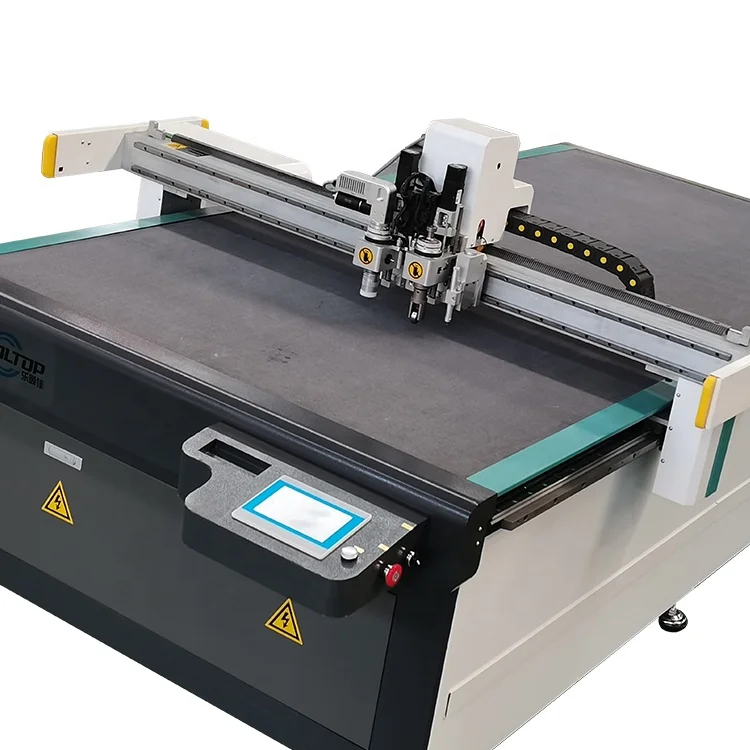
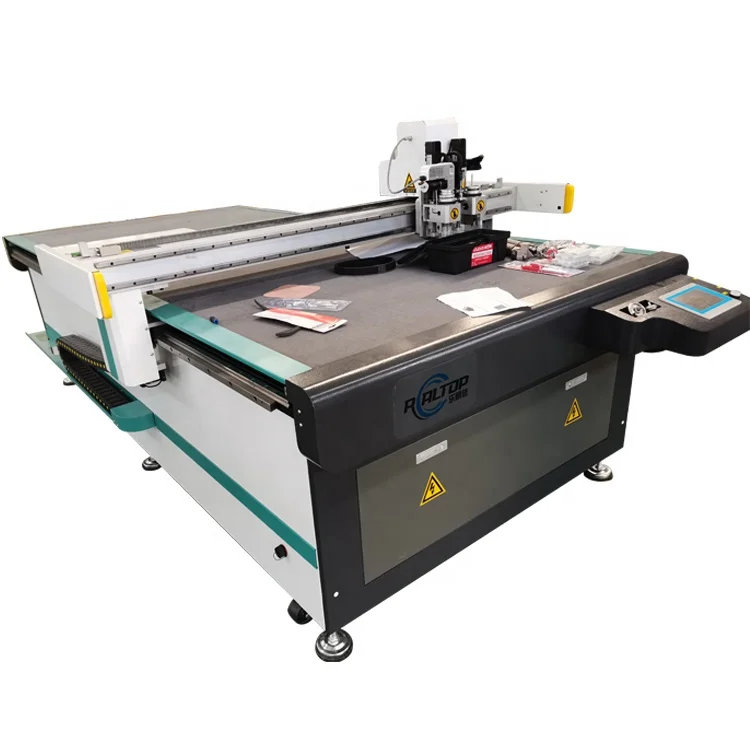
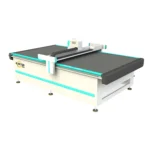
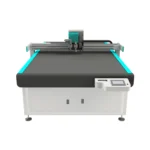
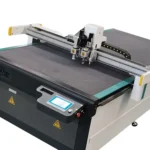
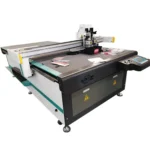
| Product Type | CNC Oscillating Knife Cutting Machine |
| Working Area | 1600 × 2500 mm |
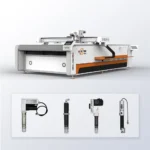
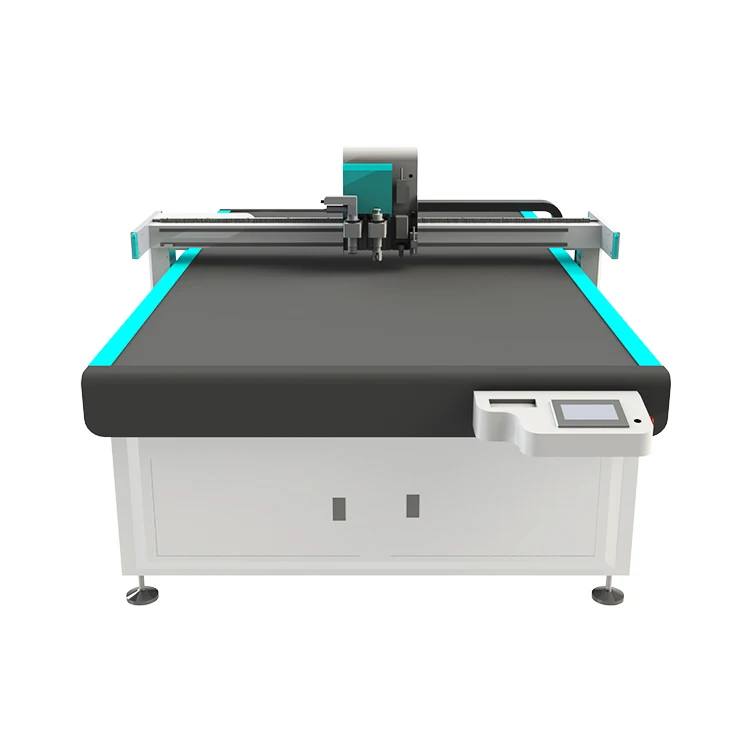
| Available Tool Heads | Oscillating knife, driven rotary knife, creasing wheel, kiss cutting tool, pneumatic knife, milling tool, V-groove knife |
| Cutting Thickness Range | Up to 40 mm |
| Cutting Speed Range | 0 – 1500 mm/s |
| Positional Accuracy | ±0.1 mm |
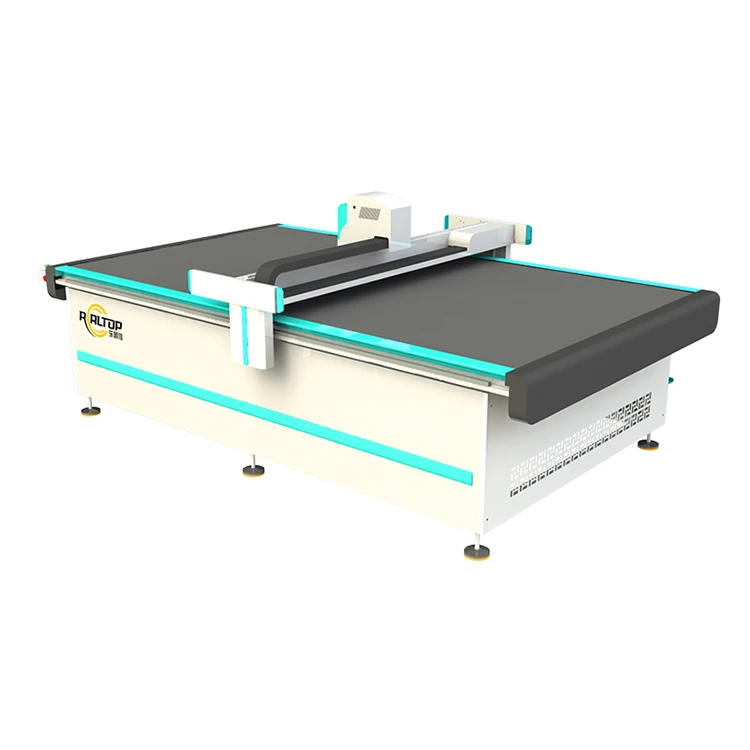
| Vacuum Table Construction | Aluminum bellows vacuum table |
| Vacuum Pump Rating | 9 kW |
| Servo Motor Options | Panasonic, Delta, Dorna |
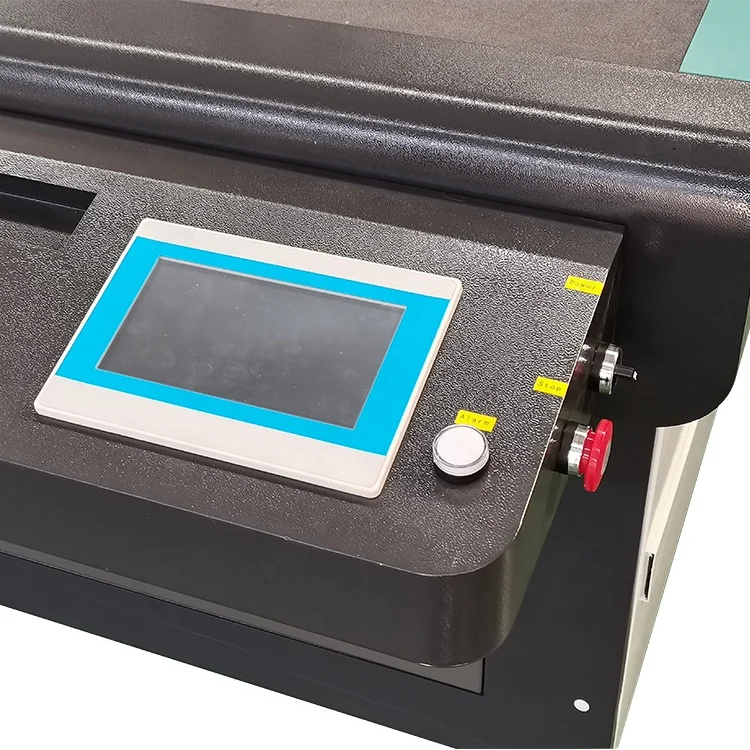
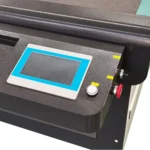
| Control Interface | PLC control panel with intuitive interface |
| Supported File Formats | PLT, DXF, AI, PDF |
| Voltage Options | 110V, 220V, 380V (configurable) |
| Safety Systems | Infrared sensor device and emergency stop |
| Machine Dimensions | 3300 × 2100 × 1350 mm |
| Software Language Options | English, Russian, Italian, Chinese, custom languages available |
Application Suitability
| Application | Material or Output |
|---|---|
| Garment and footwear pattern cutting | Single and multi-ply woven fabrics, technical textiles, synthetic leather |
| Automotive interior component production | Foam laminates, headliner fabrics, floor carpet and trunk liner materials |
| Packaging sample making | Corrugated board, folding carton stock, honeycomb paper |
| Gasket and seal fabrication | PTFE sheets, rubber compounds, non-asbestos fiber materials |
| Composite panel trimming | PVC foam board, EVA sheets, acoustic insulation layers |
| Signage and display fabrication | Self-adhesive vinyl, magnetic sheet, rigid PVC board |
Why Material Thickness Alone Is the Wrong Starting Point
Specifying a CNC oscillating knife cutting machine by working area and thickness capacity leaves out the variable that actually decides edge quality: the tool head matched to the specific layup.
I have watched fabric shops invest in large-format tables only to discover that a standard oscillating blade tears through multi-ply fleece at the bottom layer while leaving the top ply clean. The issue is never the machine frame or the servo drive; it is the cutter geometry and stroke frequency acting on a material stack that was never sampled. Foam fabricators run into the mirror problem: too much downward knife pressure crushes the cell structure before the blade finishes its pass, and the gasket ends up out of tolerance once the compressive load is released. Asking for the cutting speed and accuracy data on your actual roll stock — not a generic brochure material — is the only way to remove this variable from the decision [NEED_CITE: material-specific cutting test protocols for flexible substrates].
Tool Head Selection Beyond the Default Blade
The standard oscillating knife handles most single-ply woven and knit fabrics at production speed, but driven rotary knives take over when continuous synthetic leather or coated textile cuts must stay burr-free over long linear runs. Creasing wheels slot into the same tool mount when packaging sample makers need fold lines on carton stock without swapping to a separate die board. Kiss cutting tools sit at a calibrated depth stop for self-adhesive vinyl, leaving the backing paper intact for downstream weeding. Each head locks into the carriage with a quick-change interface, so the same 1600 × 2500 mm bed handles textile nesting in the morning and corrugated sample runs after lunch.
Vacuum Zoning for Small Parts and Thin Layups
A 9 kW vacuum pump only holds material down if the table surface can isolate suction to the zone under the cut. The aluminum bellows table on this unit divides the bed into independently valved sections, so a small garment pattern piece near the corner does not lose hold while the rest of the bed remains open to atmosphere. Thin interlining fabrics that tend to lift during high-speed direction changes stay pinned when the operator closes off unused zones before starting the file. Without that zoning, the vacuum spreads across the full table area and small parts drift the moment the blade changes direction — a failure mode that shows up as ragged corners rather than an obvious vacuum alarm [NEED_CITE: vacuum table zoning principles for flatbed digital cutters].
Reading the Specs That Actually Affect Your Output
The ±0.1 mm positional accuracy figure matters most when nesting tight garment markers where a half-millimeter drift accumulates across twenty pattern pieces and pushes fabric consumption past the calculated yield. Servo motor selection — Panasonic, Delta or Dorna — changes how the carriage decelerates at sharp corners; higher-resolution encoders keep the blade path tight on intricate collar curves without leaving dwell marks. The 1500 mm/s maximum speed is reachable on straight cuts through single-ply materials, but cutting speed drops on 40 mm foam stacks because the oscillating stroke must penetrate the full depth before the carriage advances. File format support for PLT, DXF, AI and PDF covers the export chain from most nesting software, yet the control language and software license must match the operator’s working language before the machine leaves the factory.
The Cost of Skipping the Sample Cut
A buyer who signs off on specs without running their own roll stock through the machine inherits every mismatch between the quoted tool head and the actual layup. Foam that looks clean on the sample report may delaminate at production speed if the stroke frequency was never tuned for that specific density. Fabric shops that skip the nesting test discover that their existing marker files produce different yield numbers once the machine’s kerf width is factored in. These issues surface during the first week of production, when material waste is already billed and delivery deadlines are tight [NEED_CITE: common causes of cutting quality rejection in textile and foam fabrication].
Why Source This Configuration From Our Jinan Facility
Our design team builds both knife and laser cutting platforms in the same factory, so a buyer comparing edge quality on synthetic leather can run the same file through an oscillating knife and a CO2 laser before committing to a method. Every tool head and vacuum zone configuration is listed on the build sheet that ships with the machine, giving maintenance crews a clear reference when blades or bellows need replacement. Sample cutting on your own material happens before the order is finalized, not after the container is loaded. Voltage, plug type and control panel language are confirmed against your local electrical code during the specification review, avoiding rewiring costs on arrival. Software file format compatibility is verified with a test export from your nesting program before the PLC is flashed.
Documentation & Verification
- Factory test record showing cut accuracy on your specific fabric or foam sample before dispatch
- Electrical schematic confirming voltage, plug type and breaker rating for your facility
- Tool head and vacuum zone configuration list matched to your material thickness range
- Software license key with confirmed file format compatibility note for your nesting workflow
- Operation and maintenance manual in your selected control language
- CE declaration covering the complete machine assembly and safety devices
Installation, Commissioning & Support
- 3300 × 2100 mm footprint requires a level concrete floor with clearance for full bed travel
- 9 kW vacuum pump and servo drives need a dedicated circuit matching your confirmed voltage option
- Machine ships in a single crate; carriage gantry is bolted down for transit and re-torqued on site
- First-run calibration includes vacuum zone mapping and servo tuning on your production material
- Operator training covers tool head changeover, file import and nesting parameter adjustment
- Spare blade and bellows kit included for initial production months
What We Need to Size Your Configuration
Send a sample roll of the heaviest and the lightest material you plan to cut, along with your standard nesting file in its native format. Confirm your facility voltage and frequency, the control language your operators prefer, and whether your current workflow uses CCD camera positioning for printed contour work. If daily volume targets or shift patterns affect the table size you are considering, include those figures so we can match the working area and vacuum zoning to your actual output rather than a generic catalog spec.
Frequently Asked Questions
Q: How do I choose between an oscillating knife and a driven rotary knife for my fabric?
A: Oscillating knives handle most woven and knit textiles up to the stated thickness limit, delivering a clean edge on single and multi-ply lays. Driven rotary knives suit continuous cuts on coated or synthetic textiles where blade drag would distort the feed. We run both heads on your sample material to compare edge quality and cutting speed before the tool head list is finalized.
Q: Will small pattern pieces stay in place without manual tabbing?
A: The aluminum bellows vacuum table divides the bed into independently valved zones, so suction concentrates directly under the active cutting area. Operators close off unused sections before starting the file, keeping thin and small pieces pinned through direction changes without adhesive tabs or mechanical clamps.
Q: Can I import nesting files from my existing design software?
A: The control system accepts PLT, DXF, AI and PDF formats directly. Before the order is confirmed, we test an export file from your current nesting program to verify layer recognition, kerf compensation and tool path assignment, noting any translation steps required in the software compatibility document.
Q: What happens if my local voltage differs from the standard 380V option?
A: Voltage is configurable across 110V, 220V and 380V options, and the correct transformer and breaker sizing are confirmed during the specification review. The electrical schematic shipped with the machine reflects your exact supply so that local electricians can connect without additional conversions.
Q: How is cutting accuracy verified before the machine ships?
A: Every unit runs a factory test using the buyer’s own material sample, and the resulting cut pieces are measured against the CAD file dimensions. The test record, including positional deviation and edge quality photographs, is included in the documentation package before dispatch.


商品评价
Clear filtersThere are no reviews yet.