




Fast Shipping
Carrier information

20k products
Payment methods

24/7 Support
Unlimited help desk

2-day Delivery
Track or off orders
Voltage confirmation before shipment — every electrical schematic signed off against the buyer’s local grid standard, preventing on-site downtime from mismatched supply.
Technical Specifications
| Parameter | Value |
|---|---|
| Model | RT–R2513 / RT-D2516 / RT-S2516 |
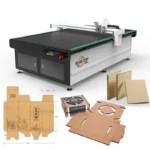
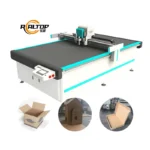
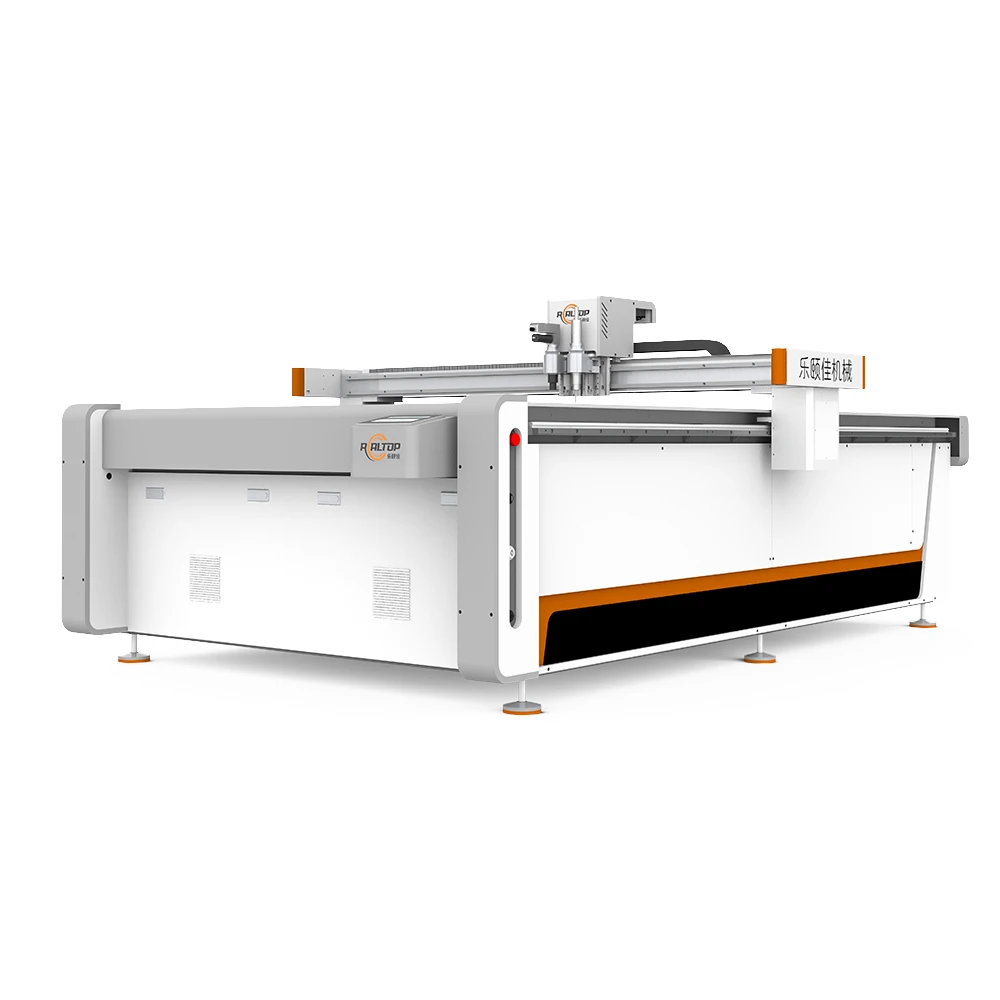
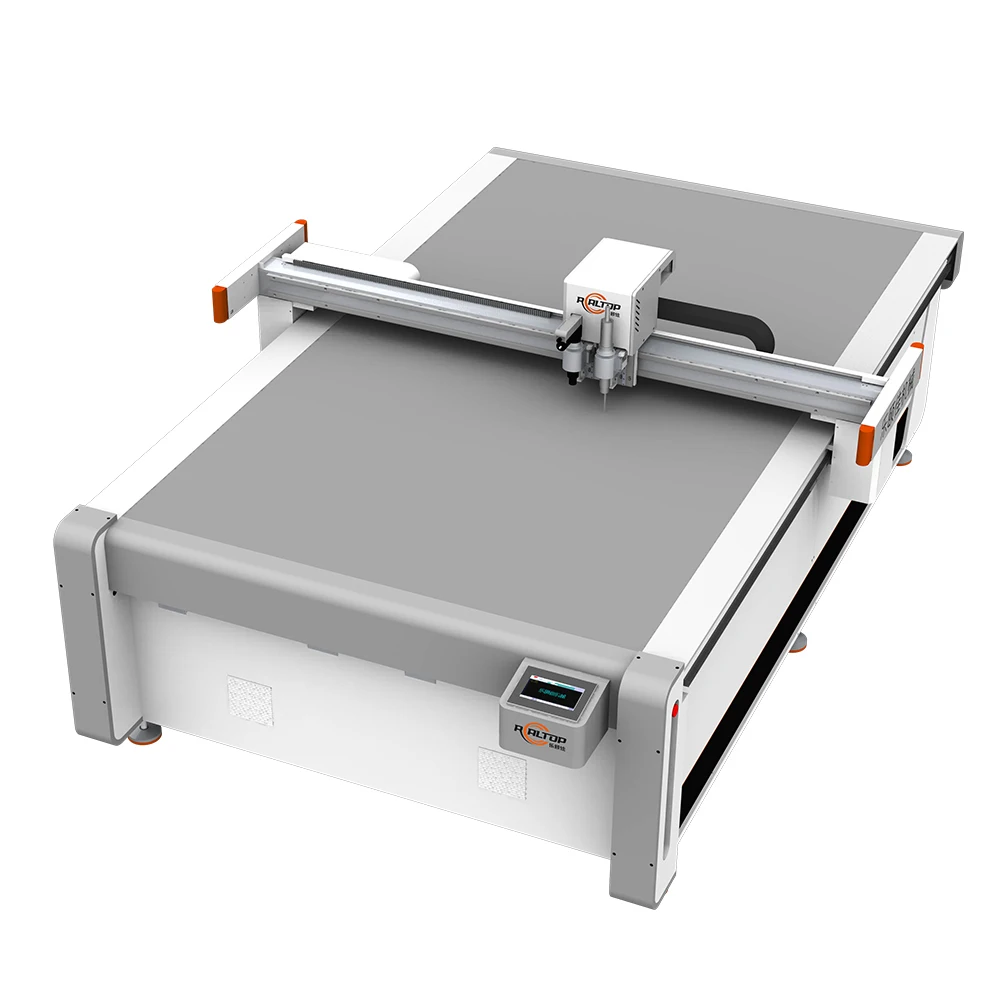
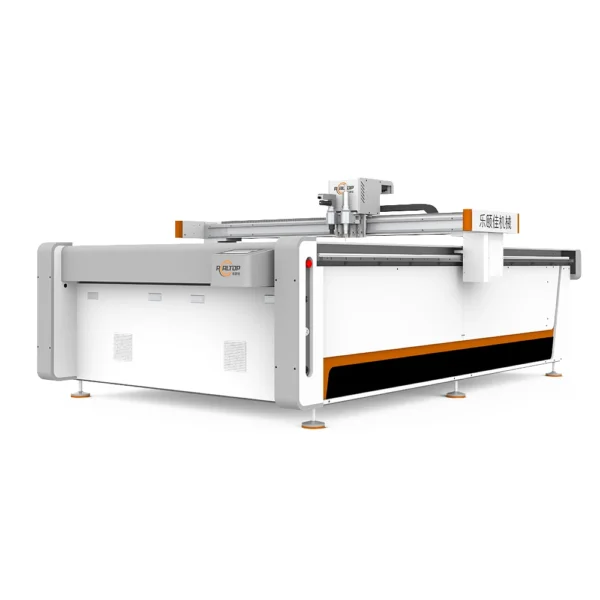
| Product Type | CNC Oscillating Knife Corrugated Box Cutting Machine |
| Working Area | 2500×1300 mm (RT–R2513) / 1600×2500 mm (RT-D2516 / RT-S2516) |
| Machine Size | 3550×1910×1400 mm (RT–R2513) / 3450×2300×1250 mm (RT-D2516 / RT-S2516) |
| Cutting Tools | Oscillating knife, creasing tool, kiss-cut knife, round punch |
| Fixing Method | Vacuum system with zoned adsorption |
| Vacuum Table | Aluminum alloy honeycomb structure |
| Vacuum Pump | 7.5 kW |
| Rated Power | 9 kW |
| Voltage | 380V (frequency to be confirmed: 50 Hz or 60 Hz) |
| Cutting Thickness | ≤18 mm (basis not stated in source — confirm flute grade and board density) |
| Repeated Accuracy | <0.05 mm |
| Guide Rail | Taiwan Hiwin linear square guide rail |
| Conveyor Belt | Germany imported (source value — verify against manufacturer catalog) |
| Servo Motor | Dongling servo (Delta servo motor available as alternative configuration) |
| Profile Format | DXF, OLT, PDF, AI |
| Transmission Method | Ethernet port |
| Safety Device | Infrared sensors, emergency stop |
| Blade Supply | 10 pieces of oscillating blades included |
| Software | Professional carton nesting software with language customization |
| Warranty | 1 year (excluding felt and knife blades) |
| Frame | Welded thick square seamless steel, high-temperature treated |
| Key Features | CCD camera contour recognition available, multi-zone vacuum control |
Application Suitability
| Application | Material or Output |
|---|---|
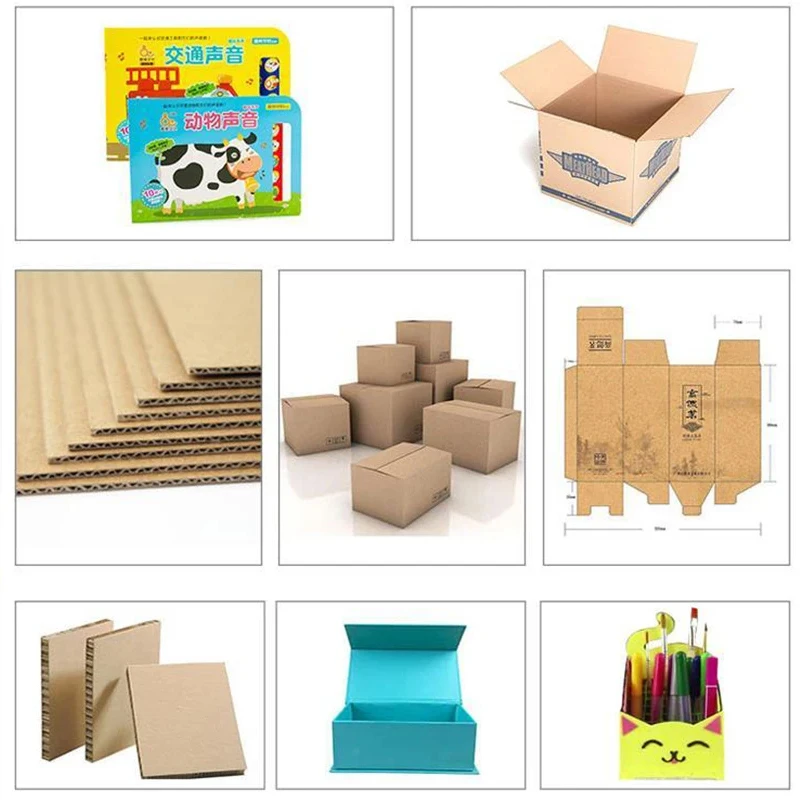
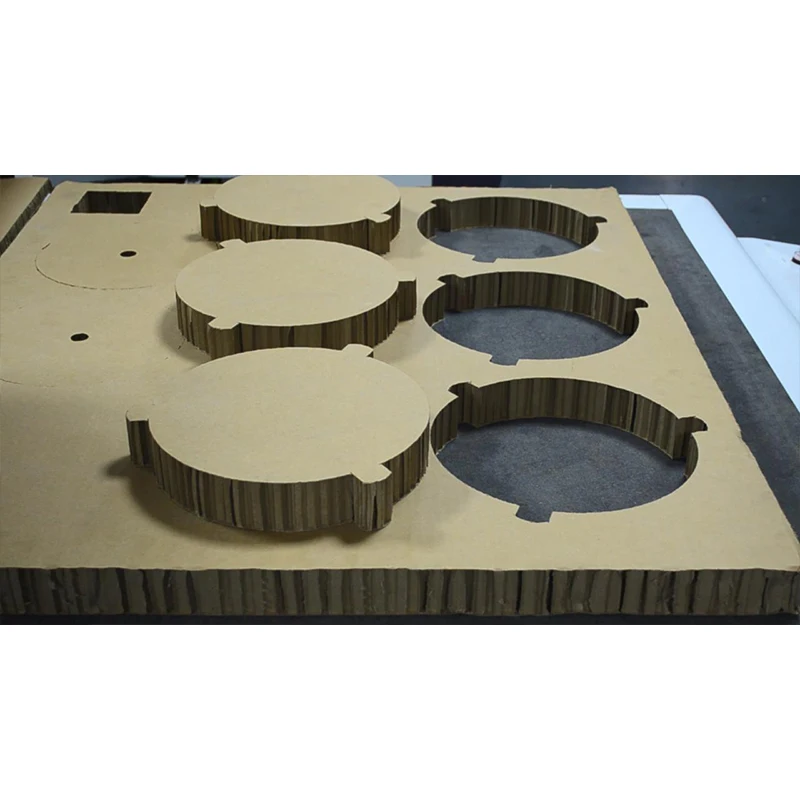
| Corrugated box and carton sample making | Single, double and triple-wall corrugated board up to 18 mm thickness |
| Short-run packaging production without die tooling | Custom carton formats for electrical goods, express logistics, snack food and gift sectors |
| Sticker and label contour cutting | Adhesive-backed vinyl, PP paper, coated label stock on printed sheets |
| Insert tray and divider fabrication | Corrugated and honeycomb board for protective packaging inserts |
What Happens When the Voltage Spec Is Overlooked
A machine specified on working area alone, then found unable to run on the buyer’s local supply — the voltage question must come before every other configuration decision.
Confirm the target site voltage and frequency before the order is placed, not after the crate arrives.
I once watched a 380V carton sample cutting machine sit idle for three weeks in a Middle East workshop because the local supply was 220V three-phase. The customer had a trade show deadline and spent the entire wait sourcing a step-up transformer. That delay nearly cost an entire batch of sample deliveries. Since then, I check every electrical schematic against the buyer’s grid standard before any packaging CNC cutting machine leaves the factory floor [NEED_CITE: voltage and frequency standards by export market].
Tool Head Selection for Board and Sticker Stock
The oscillating knife handles through-cutting on corrugated flutes from B-flute up to heavy double-wall board, while the creasing tool scores clean fold lines without crushing the flute structure. For sticker and label contour work, the kiss-cut knife slices the face material without penetrating the release liner. A round punch tool adds registration holes and vent cutouts where the packaging design requires them. Matching the correct tool head to the material prevents ragged edges and crushed board cores that force re-cuts and waste stock.
Vacuum Zoning and Small Part Control
The aluminum alloy honeycomb vacuum table divides the working area into independent adsorption zones. When cutting small carton components or narrow label strips, only the active zone holds the material flat, concentrating suction where it matters. Without zoned control, small parts lift off the table surface during high-speed head travel, producing misaligned cuts and forcing operators to tape stock down manually. This CNC oscillating knife cutting machine for packaging routes vacuum to the relevant section, keeping even lightweight corrugated offcuts stable throughout the cutting cycle [NEED_CITE: vacuum hold-down requirements for thin corrugated substrates].
Reading the Spec Sheet for Actual Cutting Performance
The <0.05 mm repeated accuracy figure depends on the Taiwan Hiwin linear square guide rail and rack transmission holding position through thousands of direction changes per job. On corrugated board, this tolerance keeps crease lines aligned with cut edges so the finished box folds square. The 7.5 kW vacuum pump must generate enough suction to counter the natural curl of stored corrugated sheets, and its capacity directly determines whether the machine can hold full boards flat across the 2500 mm length. The 9 kW rated power covers the servo drives, vacuum pump, oscillating knife motor and control system running simultaneously — undersized supply circuits will trip under sustained load. Ethernet transmission of DXF, OLT, PDF and AI files avoids the data loss common with older USB workflows, keeping nesting layouts intact from design software to machine controller.
The Cost of Skipping the Sample Cut
Specifying a cutting machine by working area alone ignores the relationship between flute grade, board density and the oscillation frequency the knife needs to produce a clean edge. I have seen buyers receive a machine that cuts E-flute cleanly but tears through double-wall board because the tool head was never matched to the heavier stock. Small carton parts lift off an un-zoned vacuum surface, forcing operators to slow the feed rate and lose the throughput they originally quoted the purchase on. When the software cannot import the buyer’s existing DXF nesting files, the entire pre-press workflow must be rebuilt from scratch, adding days to every new job setup [NEED_CITE: file format compatibility in digital packaging pre-press workflows].
Why Source This Equipment From the Build Floor
In-house design covers both the knife cutting head and the vacuum table structure, so tool head configuration is adjusted per corrugated flute grade rather than offered as a fixed package. The frame is welded from thick square seamless steel and high-temperature treated to relieve stress, keeping the table flat through years of vibration from the oscillating knife. CCD camera contour recognition is available for printed sticker and label stock, with positioning accuracy verified on the buyer’s own artwork before shipment. Voltage, control language and software interface are confirmed line by line against the buyer’s site requirements, not left as factory defaults. Every machine runs a factory test on the buyer’s specified board thickness and flute profile before crating, with a cutting report included in the shipping documentation.
Documentation & Verification
- Electrical schematic with 380V wiring and confirmed frequency matched to destination grid
- Tool head and vacuum zone configuration list matched to buyer’s corrugated flute grades
- Sample cutting report on buyer-supplied board and sticker stock before dispatch
- Software licence with confirmed DXF, OLT, PDF and AI file format compatibility
- CE declaration documentation where applicable to destination market regulations
Installation, Commissioning & Support
- Dedicated 380V circuit with confirmed amperage to cover 9 kW rated power plus vacuum pump startup surge
- Level foundation required under the 3550 mm frame length to maintain honeycomb table flatness
- Machine ships partially assembled with gantry and head carriage secured for transit restraint removal on site
- First-run commissioning includes vacuum zone mapping and oscillation frequency tuning for buyer’s board stock
- Operator training covers nesting software workflow, tool head changeover and CCD mark registration setup
- Ten oscillating blades included; felt pad and blade replacement scheduling based on daily cutting volume
Preparing Your Inquiry
Send the corrugated flute grades and board thicknesses you cut most often, along with the maximum sheet size your suppliers deliver. Include your local voltage and frequency standard so the electrical schematic matches your workshop supply before production begins. If you run printed sticker or label stock, provide a sample sheet with registration marks so the CCD tracking can be verified against your actual artwork.
Frequently Asked Questions
Q: How is cutting thickness verified for different corrugated flute grades?
A: We run sample cuts on the buyer’s own board stock across the flute grades specified, checking edge quality and crease alignment at the target cutting speed. The result is documented in a cutting report that confirms which tool head and oscillation frequency each flute grade requires before the order is finalized.
Q: Which tool head fits my material — oscillating knife or creasing wheel?
A: The oscillating knife handles through-cuts on corrugated board, foam and gasket stock, while the creasing wheel scores fold lines without crushing flutes. For sticker and label contour work, the kiss-cut knife slices the face material only. We confirm the correct combination based on your material samples.
Q: Can the CCD camera track printed marks on sticker stock at production speed?
A: The CCD camera reads printed registration marks to align contour cuts on sticker and label sheets. We verify tracking accuracy on the buyer’s actual printed artwork before shipment, confirming that mark contrast and spacing meet the sensor requirements at the intended cutting speed.
Q: How does vacuum zoning prevent small parts from lifting?
A: The honeycomb table divides into independent suction zones. Only the zone under the active cutting area engages, concentrating vacuum force on smaller parts that would otherwise drift on a full-table suction surface. Zone configuration is matched to your typical carton component sizes.
Q: Is my existing nesting software workflow compatible?
A: The carton nesting software imports DXF, OLT, PDF and AI files. We request a sample nesting layout from your current workflow before order confirmation and run a file import test to verify that layer structure, cut lines and crease lines translate correctly without manual re-drawing.


商品评价
Clear filtersThere are no reviews yet.