

Fast Shipping
Carrier information

20k products
Payment methods

24/7 Support
Unlimited help desk

2-day Delivery
Track or off orders
Knife and Tool Head Match — we cut your carbon fiber prepreg and aramid honeycomb on the 1625 before locking the oscillating knife or driven rotary configuration, so edge delamination is caught at the sample stage rather than on your production floor.
Technical Specifications
| Parameter | Value |
|---|---|
| Model | 1625 |
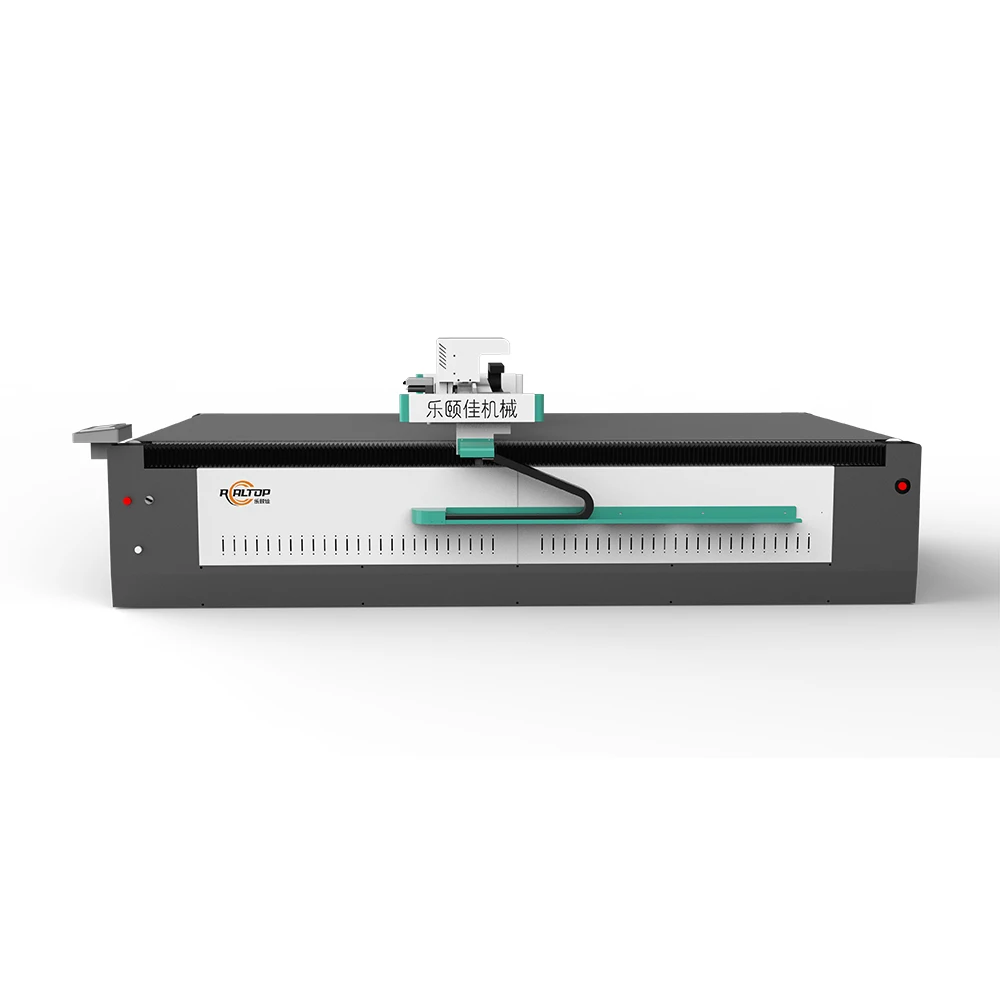
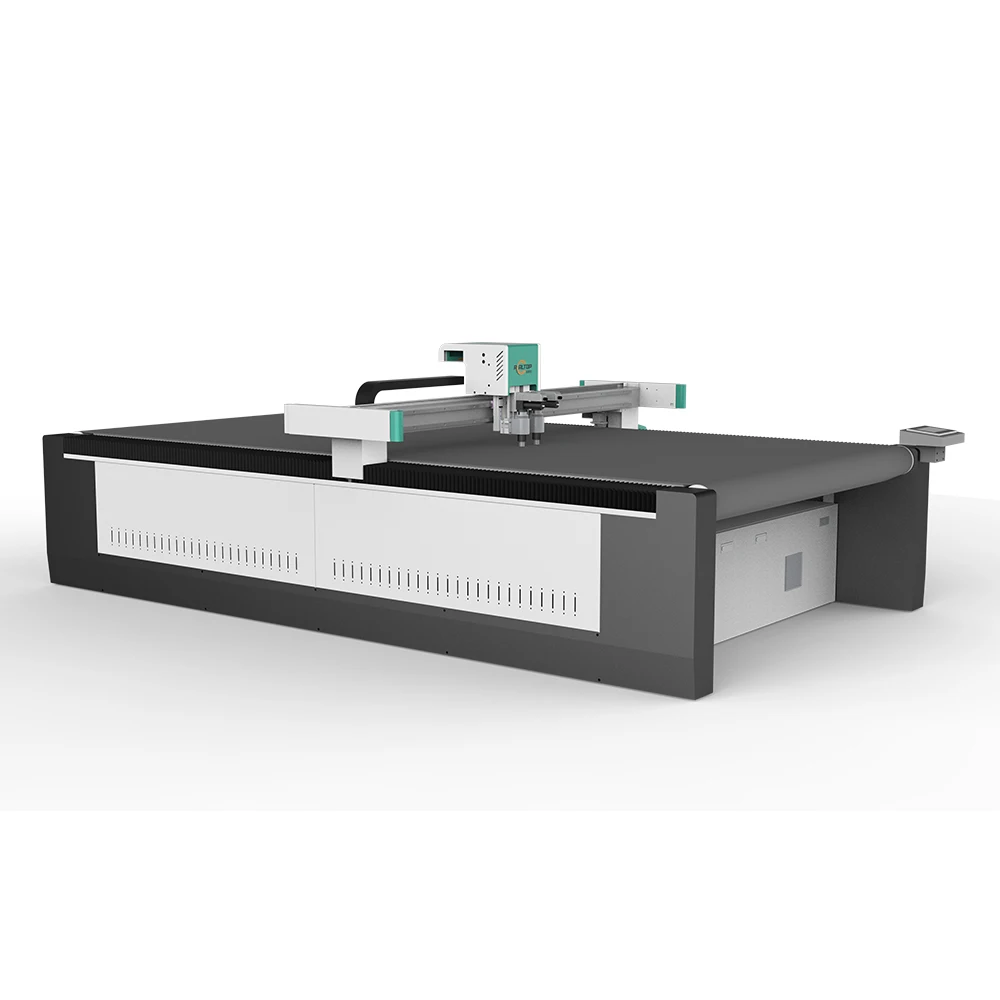
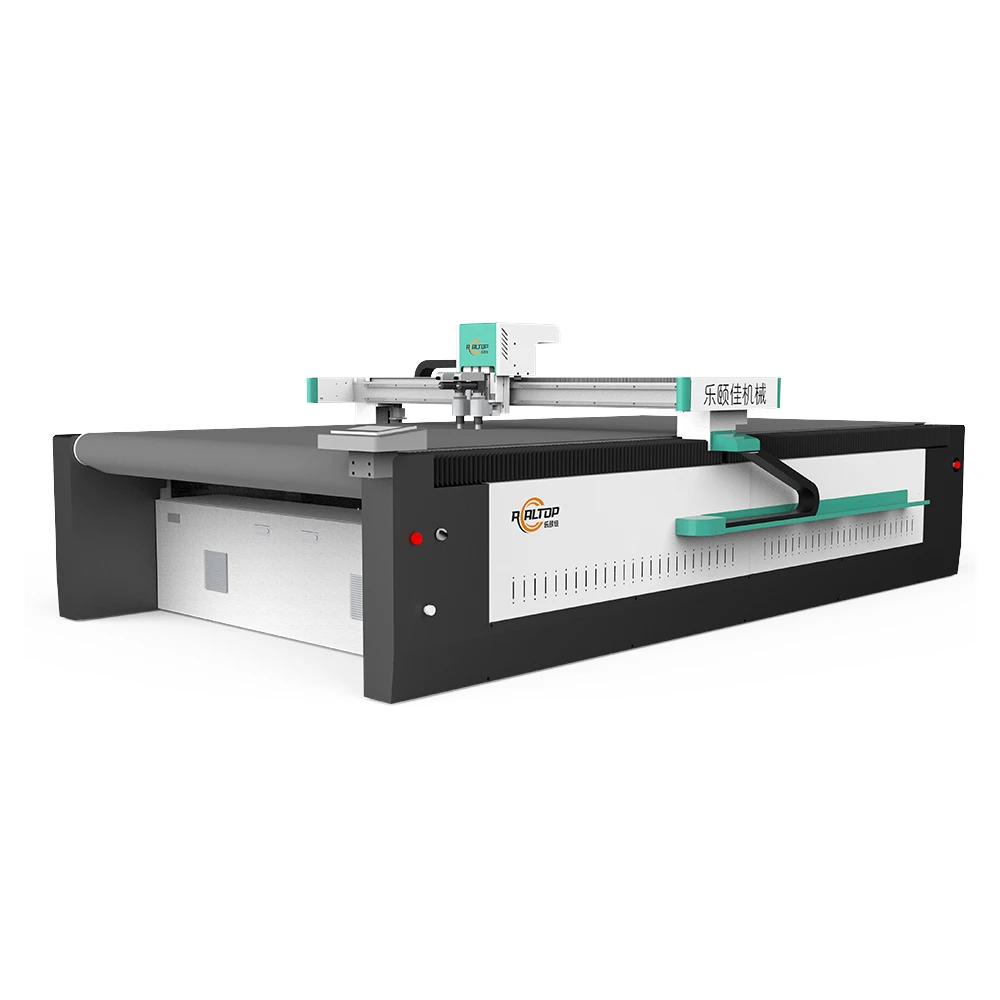
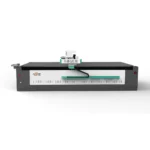
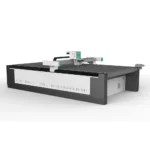
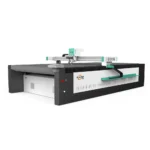
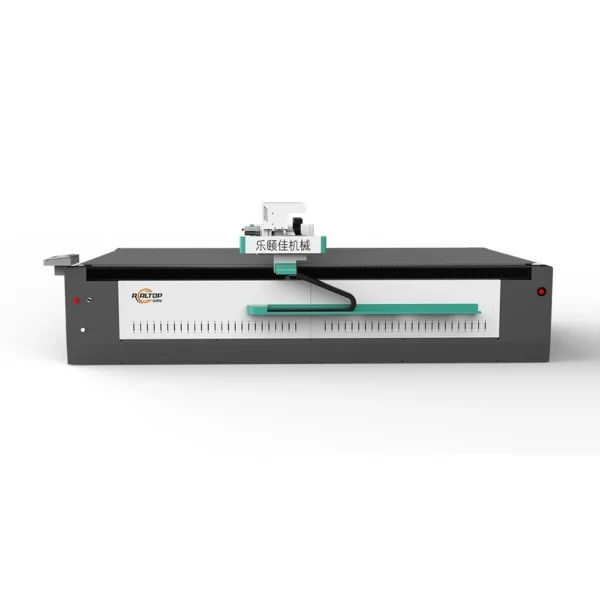
| Product Type | CNC Oscillating Knife Cutting Machine |
| Working Area | 1600 × 2500 mm |
| Cutting Thickness | Up to 30 mm depending on material density |
| Cutting Accuracy | ±0.1 mm |
| Cutting Speed Range | 0–2000 mm/s |
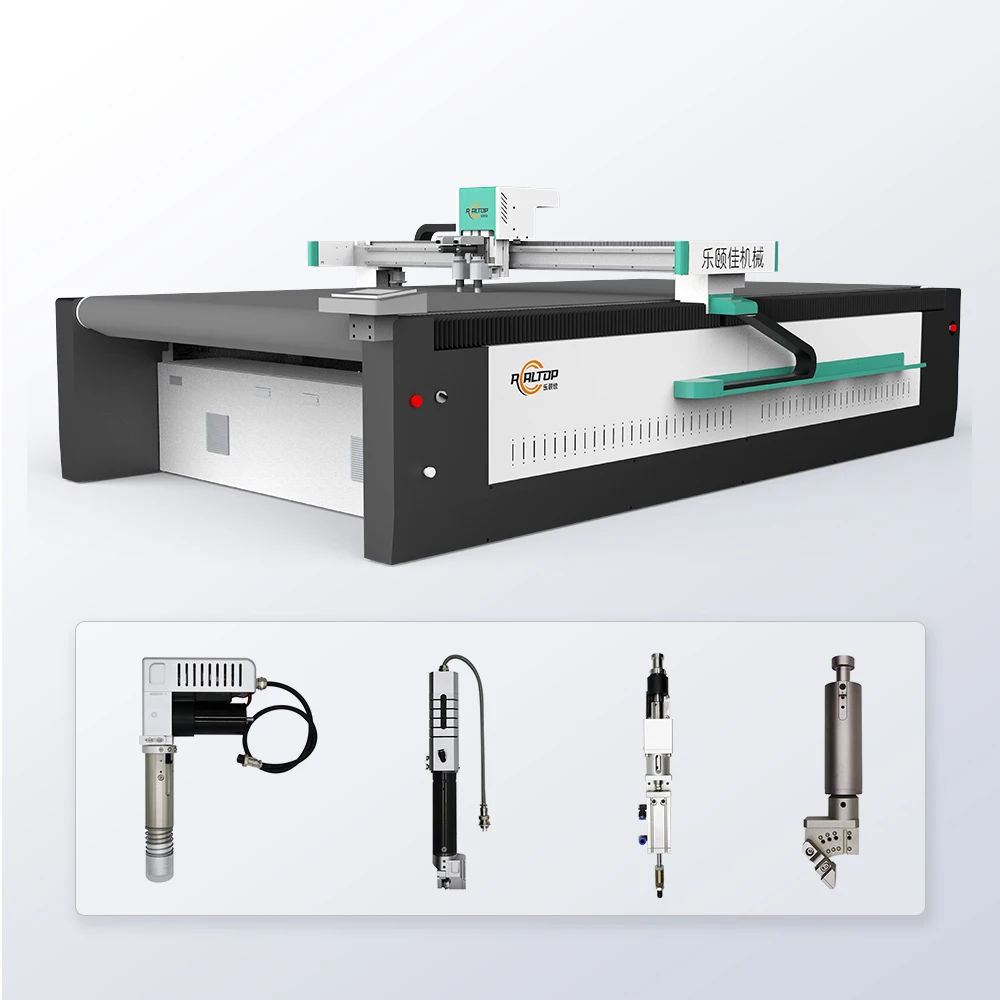
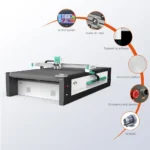
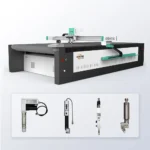
| Tool Head Options | Oscillating knife, Driven rotary knife, Creasing wheel, Kiss cutting tool, Pneumatic knife, Milling tool, V groove knife |
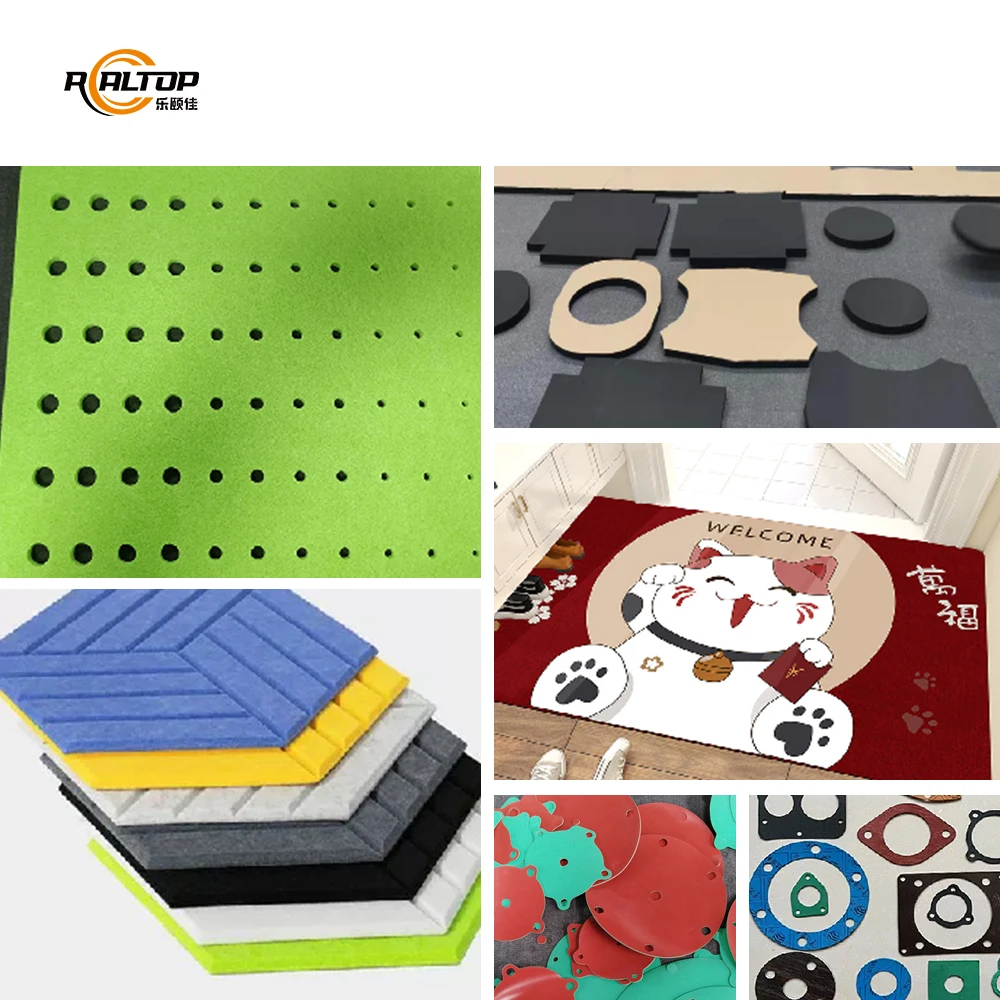
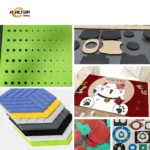
| Applicable Materials | Carbon fiber prepreg, Aramid honeycomb, Fiberglass cloth, Ceramic fiber blankets, G10 epoxy boards, PTFE, Rubber, Foam, PVC, EVA, Fabric, Leather, Acrylic |
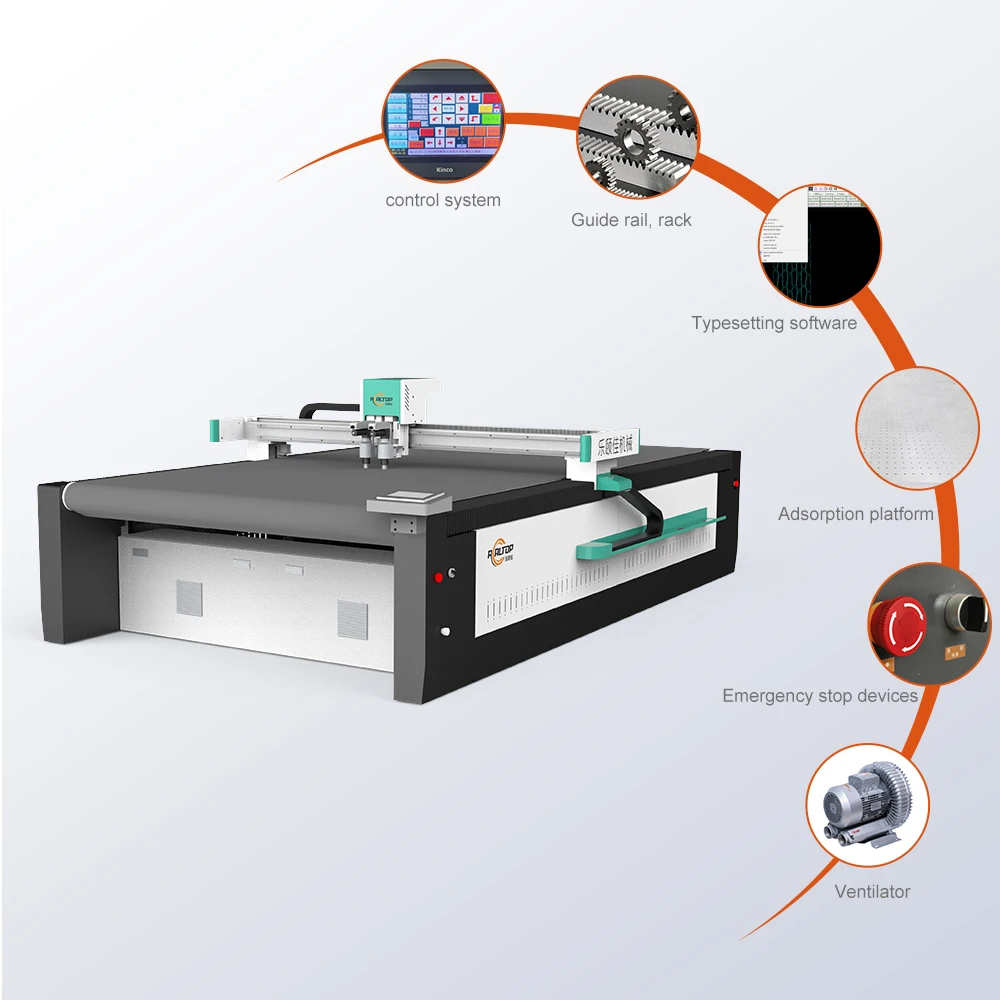
| Vacuum Pump | 9 kW |
| Vacuum Table | Aluminum bellows vacuum table |
| Machine Frame | Heavy-duty frame with precision-ground surface |
| Control System | PLC control panel |
| Servo Motor Options | Panasonic, Delta, Dorna (source value — verify against manufacturer catalog) |
| Voltage Options | 110V, 220V, 380V |
| Profile Format Compatibility | PLT, DXF, AI, PDF |
| Language Options | English, Russian, Italian, Chinese (special languages customizable) |
| Safety Devices | Infrared sensor device, Emergency stop device |
| Machine Size | 3300 × 2100 × 1350 mm |
| Certification | CE |
Application Suitability
| Application | Material or Output |
|---|---|
| Aerospace component fabrication | Carbon fiber prepreg, aramid honeycomb core, thermal and acoustic insulation foam |
| Wind turbine blade production | Fiberglass cloth, carbon fiber cloth, vacuum infusion mesh, PET and PVC foam core materials |
| Automotive interior and rail transit | Carbon fiber covers, FRP panels, acoustic felt, damping pads, lightweight composite sheets |
| Sporting goods manufacturing | Carbon fiber sheets and fabric, Kevlar, high-performance foam laminates |
| Industrial gasket and seal production | PTFE, ceramic fiber blankets, rubber composites, G10 epoxy boards |
Why Tool Head Selection Matters More Than Working Area on Composite CNC Oscillating Knife Cutting Machine Specifications
The wrong tool head on a dense composite laminate will delaminate the plies before the blade finishes the first contour.
I once watched a buyer specify a cutting table purely on bed size, then run carbon fiber prepreg across it with a standard drag knife. The edges frayed within the first sheet, and the resin matrix chipped along every inside corner. Composite materials behave nothing like single-layer textiles or corrugated board. Oscillating knife frequency, stroke length, and blade geometry each interact differently with fiber orientation and resin hardness. When the CNC oscillating knife cutting machine specifications list seven tool options, it is not a catalog flex — it means the configuration must be matched to your exact layup schedule and resin system before the machine ships [NEED_CITE: composite cutting tool selection guidelines by material type].
Cold Cutting Eliminates Thermal Damage on Resin-Based Laminates
Laser cutting melts resin and leaves a heat-affected zone that weakens the bond between fiber and matrix. The oscillating knife on the 1625 works purely through mechanical shear, keeping the cut edge at ambient temperature. For prepreg materials where the resin must remain in its B-stage before autoclave curing, this cold-cutting characteristic is non-negotiable. The CNC oscillating knife cutting machine specifications reflect this with a cutting accuracy of ±0.1 mm, holding tight tolerances on aerospace gasket profiles without scorching or melting.
Vacuum Table Zoning and Adsorption for Flexible Composite Sheets
The aluminum bellows vacuum table paired with a 9 kW pump delivers consistent hold-down across the full 1600 × 2500 mm working area. Flexible materials like fiberglass cloth and vacuum infusion mesh tend to lift at the edges during high-speed knife passes, especially on smaller nested parts. Proper zoning on the vacuum table ensures that even a small gasket profile cut from a large composite sheet remains flat throughout the cut cycle [NEED_CITE: vacuum table zoning requirements for flexible composite materials]. The bellows design maintains adsorption strength as the table surface wears over extended production runs.
Reading the Specs That Actually Affect Your Composite Output
The ±0.1 mm cutting accuracy determines whether nested aerospace gaskets assemble without rework on mating flanges. The 0–2000 mm/s speed range is a theoretical envelope; actual traverse speed depends on material thickness, fiber density, and the selected tool head — a driven rotary knife cutting through aramid honeycomb at 30 mm thickness will run considerably slower than an oscillating knife on 3 mm EVA foam. The PLC control panel manages tool path execution, and servo motor selection (Panasonic, Delta, or Dorna) influences acceleration smoothness on tight contours, which directly affects edge quality on brittle materials like G10 epoxy boards. Profile format compatibility with PLT, DXF, AI, and PDF means your nesting software output should transfer without manual geometry repair, but always verify with a test file before order confirmation.
What Happens When Configuration Is Quoted at Minimum
A buyer once sourced a cutting table with the entry-level oscillating knife head, planning to cut single-layer rubber gaskets. Six weeks later they received a contract for multi-layer composite sealing material with steel reinforcement. The standard blade snapped twice in the first shift, and the replacement tool heads arrived weeks later because the correct pneumatic knife option had never been discussed during quotation. Production stopped entirely while waiting for parts. When the CNC oscillating knife cutting machine specifications list seven interchangeable tools, every option exists because someone, somewhere, needed it for a material the standard knife could not handle. Skipping the sample-cut step and locking configuration on price alone turns that flexibility into a liability [NEED_CITE: tooling failure rates in composite cutting operations].
Sourcing From a Facility That Builds Both Knife and Laser Lines
The in-house design team covers oscillating knife and driven rotary tooling specifically engineered for composite densities, not adapted from general-purpose cutting platforms. Tool head and table configuration is specified per your material layup and daily volume, not assigned from a default menu. Every 1625 frame is heavy-duty with a precision-ground surface to maintain flatness under the lateral forces generated when cutting stiff composites like G10 and carbon fiber sheets. Voltage, control language, and software compatibility are confirmed before production begins, so the machine arrives ready for your electrical supply and operator interface. Sample cutting on your actual composite material is completed before commitment, documenting edge quality and achievable thickness so there are no surprises at installation.
Documentation & Verification
- Factory test record on your specific composite material and thickness before dispatch
- Tool head and vacuum table configuration list matched to your production material
- Electrical schematic and voltage confirmation for your facility supply standard
- Software licence and file format compatibility note covering PLT, DXF, AI, PDF
- Sample cutting report documenting edge quality on your carbon fiber or honeycomb layup
- Operation and maintenance manual in selected control language
Installation, Commissioning & Support
- Heavy-duty 3300 × 2100 mm footprint requires level concrete floor with clearance for material loading on the 1600 × 2500 mm table
- 9 kW vacuum pump and servo drives require dedicated circuit matching confirmed 110V, 220V, or 380V supply
- Machine ships with tool heads pre-mounted; commissioning includes vacuum calibration and servo tuning on your material
- First-run parameter setting covers knife frequency, feed rate, and vacuum zoning for your composite type
- Operator training on PLC panel in confirmed language including tool change and blade replacement procedures
- Spare parts list covering oscillating knife blades, vacuum seals, and bellows wear components
What to Include in Your Inquiry
Send the composite material data sheet with layup schedule, resin type, and total thickness. Specify your largest sheet size and typical nested part dimensions so vacuum table zoning can be planned. Confirm your facility voltage and frequency, preferred control language, and whether you need sample cutting on your own material before configuration is finalized.
Frequently Asked Questions
Q: How do I choose between oscillating knife and driven rotary knife for my composite material?
A: The oscillating knife suits most carbon fiber prepreg, fiberglass cloth, and foam core materials up to moderate thickness. The driven rotary knife handles tougher, denser composites like aramid honeycomb and multi-layer reinforced gaskets where a reciprocating blade would deflect. We run sample cuts on your actual material to determine which tool head produces clean edges without delamination before locking the configuration.
Q: Can the 1625 cut 30 mm thick carbon fiber sheets?
A: The cutting thickness capability reaches 30 mm, but actual performance depends on material density, fiber orientation, and resin hardness. A 30 mm solid carbon fiber plate demands different tooling and slower feed rates than 30 mm PET foam core. We verify achievable thickness on your specific composite during the sample cutting stage and document the result before order confirmation.
Q: Will small gasket parts lift off the vacuum table during cutting?
A: The aluminum bellows vacuum table with 9 kW pump provides strong adsorption, but very small parts cut from large sheets can lift if the vacuum zones are not properly configured. We plan the zoning layout based on your smallest nested part dimensions and confirm hold-down performance during the factory test on your material before the machine ships.
Q: Does the control software accept my existing CAD nesting files?
A: The system accepts PLT, DXF, AI, and PDF profile formats. However, nesting workflow compatibility depends on how your software exports tool paths and layer assignments. We request a sample file from your nesting system and run it through the PLC control panel to confirm clean import and correct tool assignment before finalizing the order.


商品评价
Clear filtersThere are no reviews yet.