



Fast Shipping
Carrier information

20k products
Payment methods

24/7 Support
Unlimited help desk

2-day Delivery
Track or off orders
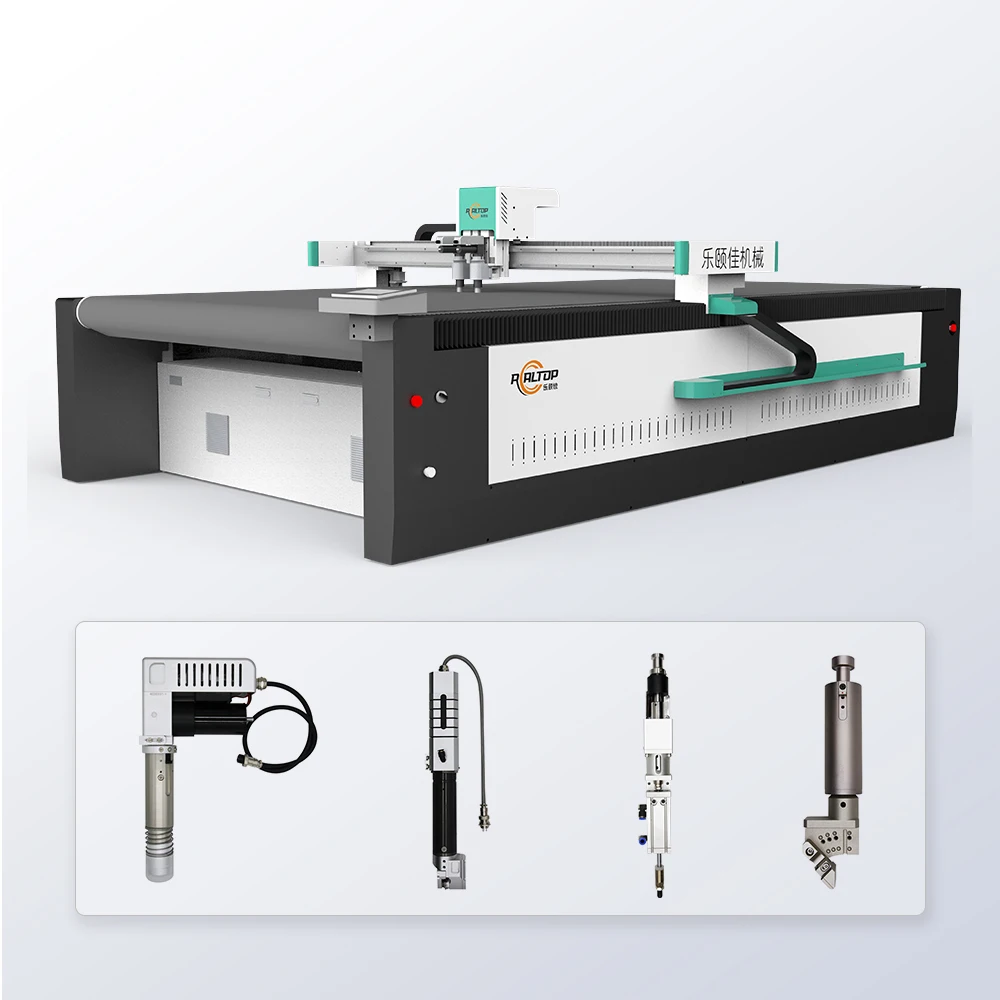
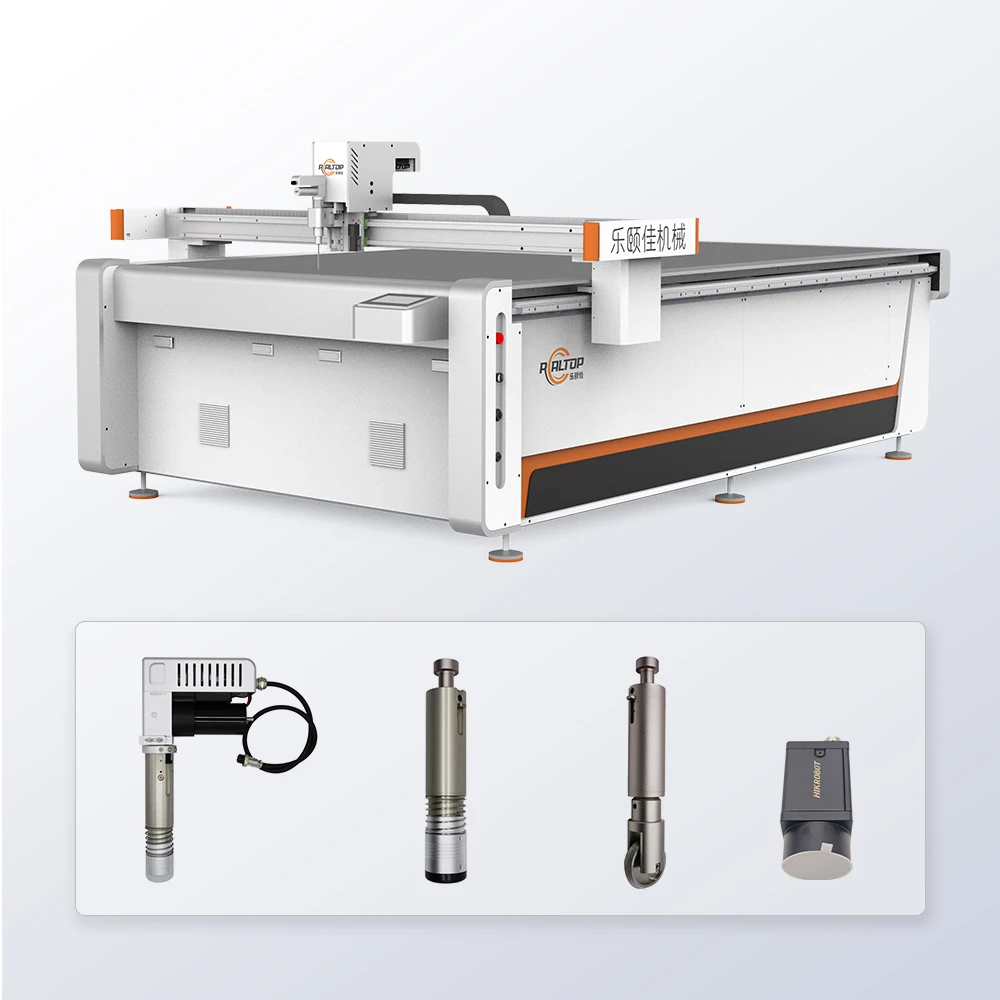
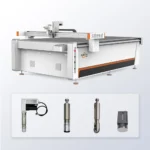
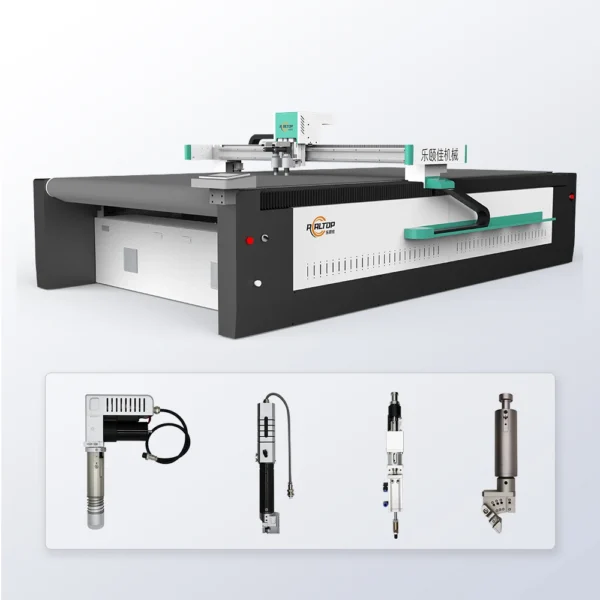
Configured Tooling for Material Density — oscillating, drag and pneumatic knife options matched to gasket thickness and composite layer structure on the RT-D2516/RT-S2516 platform.
Technical Specifications
| Parameter | Value |
|---|---|
| Model | RT-D2516/RT-S2516 |
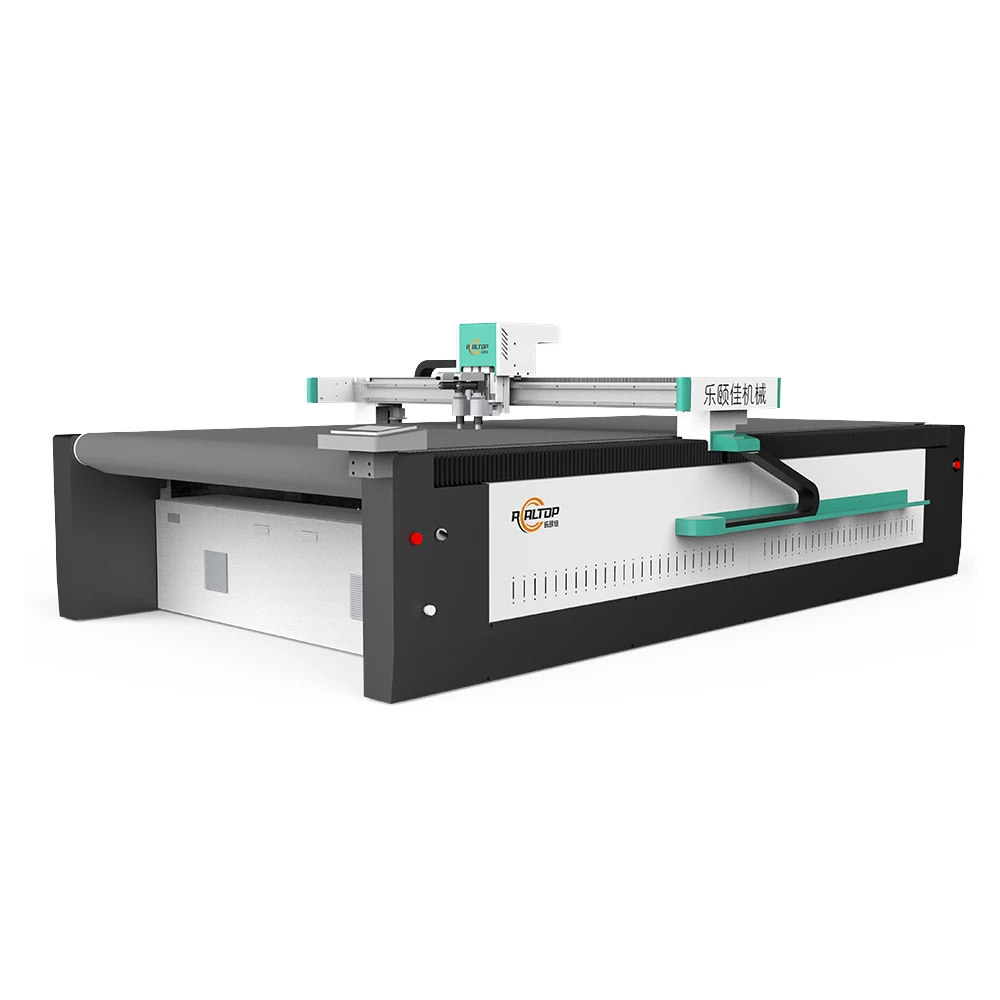
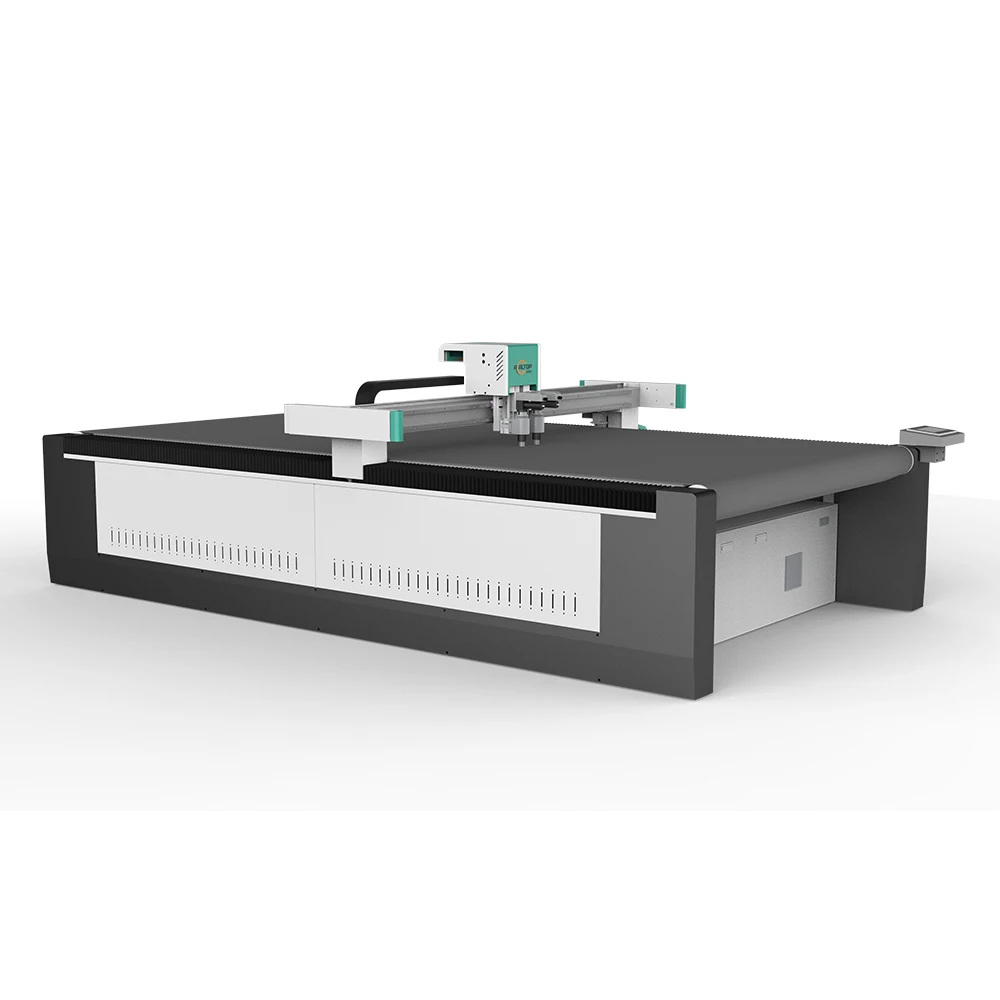
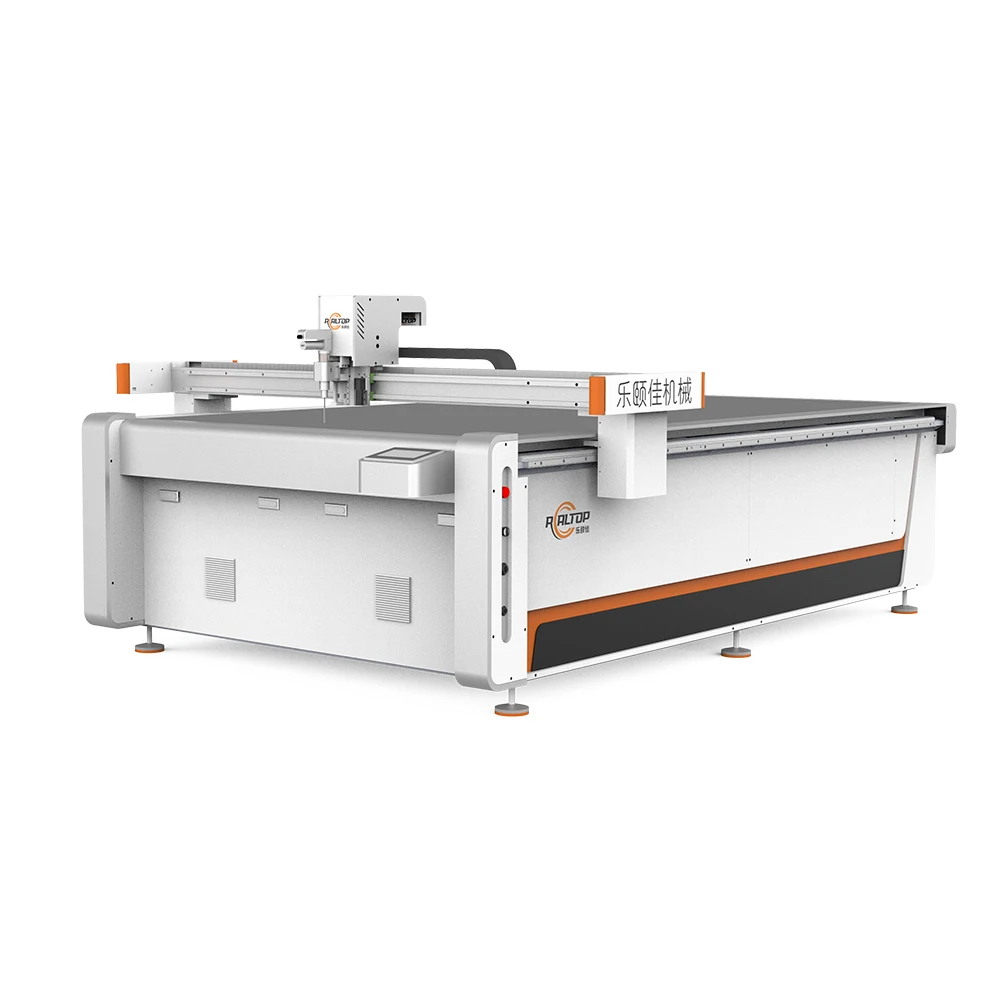
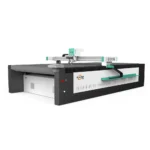
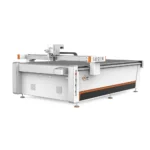
| Product Type | CNC Oscillating Knife Gasket Cutting Machine |
| Working Area | 1600×2500 mm |
| Machine Size | 3450×2300×1250 mm |
| Rated Power | 9 kW |
| Voltage | 380V±10% |
| Working Table | Flat vacuum adsorption, magnesium-aluminum alloy with PVDF coating and anodization |
| Translational Velocity | 800–1200 mm/s |
| Cutting Speed | 200–800 mm/s (basis to be confirmed per material and thickness) |
| Cutting Thickness | ≤100 mm (varies with material) |
| Repeated Accuracy | ≤0.1 mm |
| Transmission System | Digital servo motor, linear guide, synchronous belt, imported ball screw |
| Servo Motor Brand | Delta (Panasonic optional) |
| Vacuum Pump | 7.5 kW, integrated aviation aluminum shell with built-in silencer |
| Safety Device | Infrared sensor blocking, anti-collision beam sensors, emergency stop |
| Instruction System | HP-GL compatible format |
| Visual Positioning Options | Small CCD camera mark point, panoramic camera recognition, projection positioning |
| Tool Head Options | Oscillating knife, pneumatic knife, high-power vibrating knife, circular knife, V-cutting knife, drag knife, creasing wheel, dotted line knife, punching, brush |
| Conveyor | Germany imported belt with auto feeding |
| Linear Rail | Taiwan Hiwin |
| Language Options | English, Russian, Italian, Chinese (special languages customizable) |
| Assembly State | Fully assembled |
| Warranty | 1 year (free parts, buyer covers shipping; engineer dispatch available, buyer covers travel) |
Application Suitability
| Application | Material or Output |
|---|---|
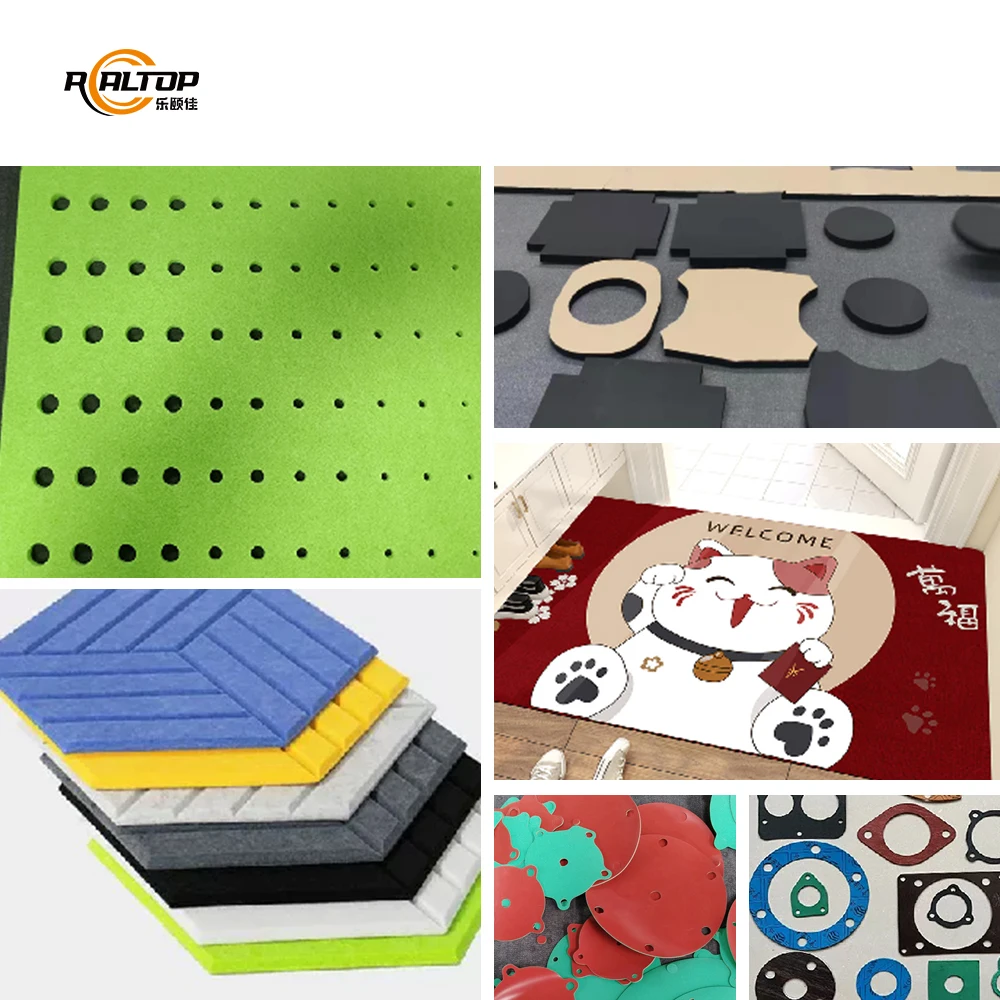
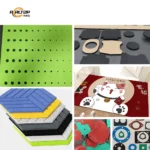
| Automotive gasket and sealing pads | Rubber, silicone, PTFE, composite gasket sheets |
| Industrial sealing fabrication | Multi-layer fiber-reinforced composites, cork-rubber blends |
| Foam and sponge processing | EVA, XPE, PU, closed-cell foam for seals and cushioning |
| Packaging sample making | Cardboard, corrugated board for gasket packaging prototypes |
| Non-metallic flat stock cutting | PVC, PP, PE, soft glass, film for industrial seals |
Why the Wrong Tool Head Ruins Gasket Edge Quality on Composite Layers
Matching the knife action to the composite structure is what separates a clean sealing edge from a crushed, delaminated reject.
When a cylinder head gasket contains fiber reinforcement sandwiched between rubber or elastomer layers, a standard drag knife tears through the fibers and leaves frayed edges that compromise the seal under compression. Oscillating knife action on this CNC oscillating knife gasket cutting machine specifications set handles laminated sheets by slicing through each layer at high frequency without dragging the reinforcement out of alignment. [NEED_CITE: cutting mechanics for multi-layer gasket composites] A buyer once sent us a standard rubber sample and it cut perfectly — but their actual production material had aramid fiber woven into the core, and the parameters had to be rebuilt from scratch.
Oscillating Versus Drag Knife Action on Gasket Stock
The distinction matters most when the material contains fibrous or laminated internal structure. Oscillating knife tooling vibrates at high frequency to slice cleanly through each composite layer, while a drag knife pulls through the material in a continuous stroke suited to homogeneous sheets. The RT-D2516/RT-S2516 supports both knife types on a single multifunctional head, so the operator selects the tool that matches the gasket composition rather than forcing one method across all materials.
Vacuum Table Flatness and Small-Part Holding
Gasket geometry often includes narrow flanges and small bolt-hole islands that can lift off the table during cutting if vacuum suction is uneven. The magnesium-aluminum alloy table with PVDF coating provides the surface flatness required for uniform adsorption across the full 1600×2500 mm working area. Zoned vacuum channels allow suction to concentrate under smaller parts so that cut pieces stay registered until the head completes its path. [NEED_CITE: vacuum table zoning standards for flatbed digital cutters]
Reading the Specs That Matter for Gasket Work
The ≤0.1 mm repeated accuracy depends on the combination of imported ball screws, linear guides and the Delta digital servo system — this tolerance stack matters when cutting bolt-hole patterns that must align with machined engine surfaces. The 7.5 kW vacuum pump with integrated silencer maintains consistent suction without the noise levels typical of external pump installations, which matters in enclosed production areas. Cutting thickness rated at ≤100 mm varies with material density: a soft silicone sheet cuts cleanly at that depth, while a fiber-reinforced composite requires reduced depth per pass and adjusted oscillation frequency. The HP-GL compatible instruction system integrates with standard nesting software, so existing gasket design files can be imported without reformatting the production workflow.
The Hidden Cost of Skipping Material-Specific Configuration
A gasket cutting machine specified only by working area and cutting speed will arrive without the correct tool head for the buyer’s actual composite material. Ragged edges on fiber-reinforced gaskets lead to field seal failures and customer returns. Undersized vacuum zones cause small sealing parts to shift mid-cut, producing scrap that accumulates across production runs. Voltage mismatches discovered after delivery mean weeks of downtime waiting for transformer replacements. [NEED_CITE: industrial machine export voltage and plug configuration standards]
Why Source the RT-D2516/RT-S2516 From This Build
In-house design covers both knife cutting technologies, so the tool head selection is matched to the buyer’s gasket material rather than limited to a single cutting method. Every machine is configured per material type and production volume before build begins, not assembled from a standard catalogue configuration. Sample cutting runs on the buyer’s own gasket stock are completed before commitment, documenting edge quality, cycle time and thickness handling on the actual composite or rubber sheet. Software file format compatibility is confirmed against the buyer’s existing nesting workflow before the order is placed. Voltage, plug type and control language are specified to the target market before shipment leaves the factory floor.
Documentation & Verification
- Machine specification sheet covering tool head and table zoning layout for your gasket material
- Electrical schematic with voltage and frequency confirmation matched to your facility
- Sample cutting report on your gasket composite documenting edge quality and cycle time
- Factory test record completed on the configured tool head before crate closure
- Spare parts list identifying wear items specific to your selected knife tooling
- Software licence and HP-GL file format compatibility note for your nesting workflow
Installation, Commissioning & Support
- Requires level floor space exceeding 3450×2300 mm footprint with overhead clearance for the 1250 mm machine height
- Dedicated 380V±10% circuit rated for the 9 kW total draw including the 7.5 kW vacuum pump
- Ships fully assembled; position and connect power and vacuum before first run
- First-run parameter setting covers oscillation frequency and cutting depth per your gasket material
- Operator training covers tool head changeover between oscillating and drag knife configurations
- Wear parts include knife blades and vacuum table seals covered under the 1-year warranty
What to Include in Your Inquiry
Send the exact gasket material type, sheet thickness and largest single-piece dimensions so the working area and tool head can be matched to your production. Specify your facility voltage, frequency and preferred control language to confirm electrical and interface configuration before build. If your workflow uses specific nesting software, share the file format so compatibility with the HP-GL instruction system is verified before the order.
Frequently Asked Questions
Q: How do I select the correct tool head for my gasket material?
A: The selection depends on whether your material is homogeneous rubber or a layered composite with fiber reinforcement. Oscillating knife handles laminated structures cleanly, while drag knife suits single-layer sheets. Send a sample of your actual production material for a cutting test that documents edge quality, required oscillation frequency and achievable cutting depth before the tool head is finalized in your build specification.
Q: Will the vacuum table hold small gasket parts without lifting during cuts?
A: The magnesium-aluminum alloy table is divided into vacuum zones so suction concentrates under smaller parts rather than distributing evenly across the full 1600×2500 mm area. This zoning is configured based on your typical gasket geometry and part size distribution, ensuring bolt-hole islands and narrow flange sections remain flat against the table surface through the entire cutting cycle.
Q: Can the CCD camera track printed registration marks at production speed?
A: The small CCD camera option provides mark point positioning for printed contour cutting on gasket sheets with pre-printed registration targets. Tracking reliability depends on mark contrast, print quality and the translational speed setting. A sample run on your printed gasket stock confirms whether the camera maintains registration accuracy at the cutting speed required for your daily output volume.
Q: What voltage and control language is confirmed before shipment?
A: The standard configuration is 380V±10% with control language options in English, Russian, Italian or Chinese, and special languages available on request. Your facility voltage, frequency and plug type are documented in the electrical schematic before production begins, so the machine arrives ready to connect without external transformers or rewiring at your facility.
Q: How do I arrange a sample cutting test on my own gasket material?
A: Send a sheet of your production gasket material — the actual composite or rubber you run daily, not a generic substitute. The sample cutting report documents edge quality at your required thickness, achievable cutting speed, and tool head selection. This test is completed before you commit to the order, so the machine specification reflects your material rather than assumptions about it.


商品评价
Clear filtersThere are no reviews yet.