



Fast Shipping
Carrier information

20k products
Payment methods

24/7 Support
Unlimited help desk

2-day Delivery
Track or off orders
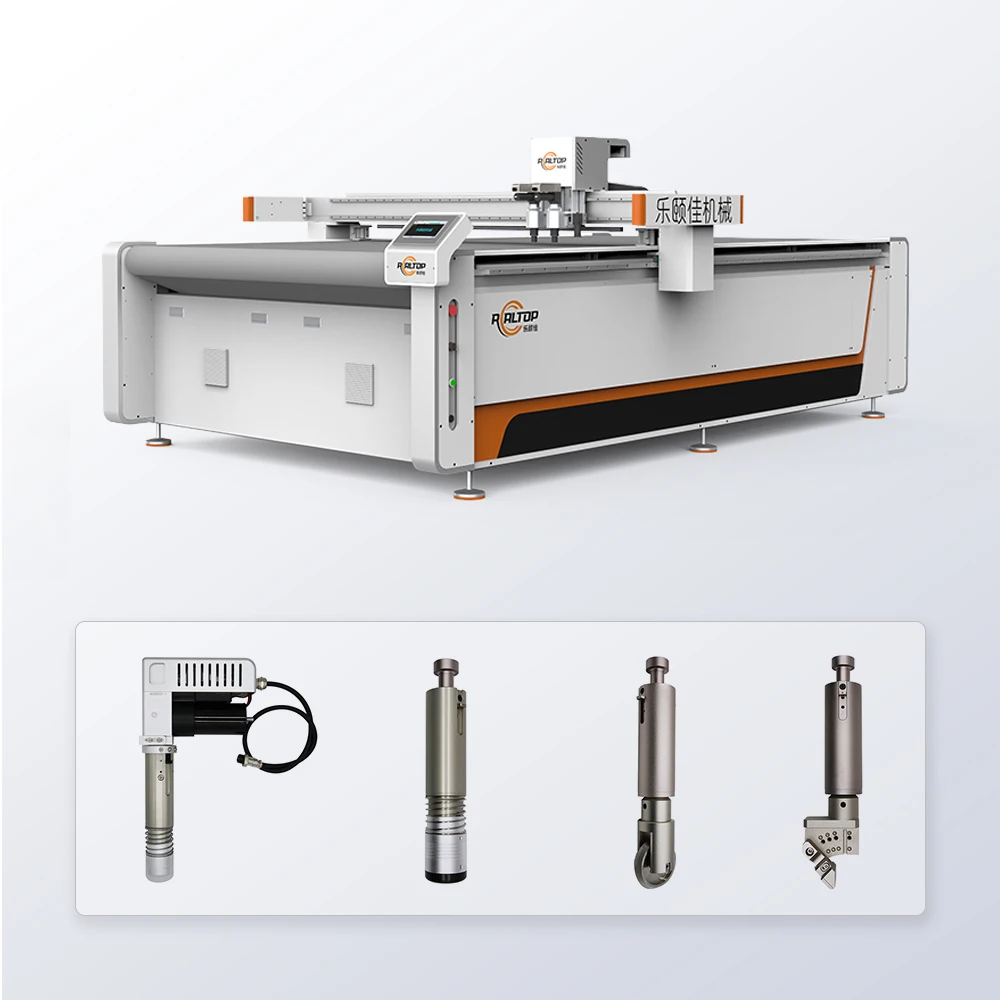
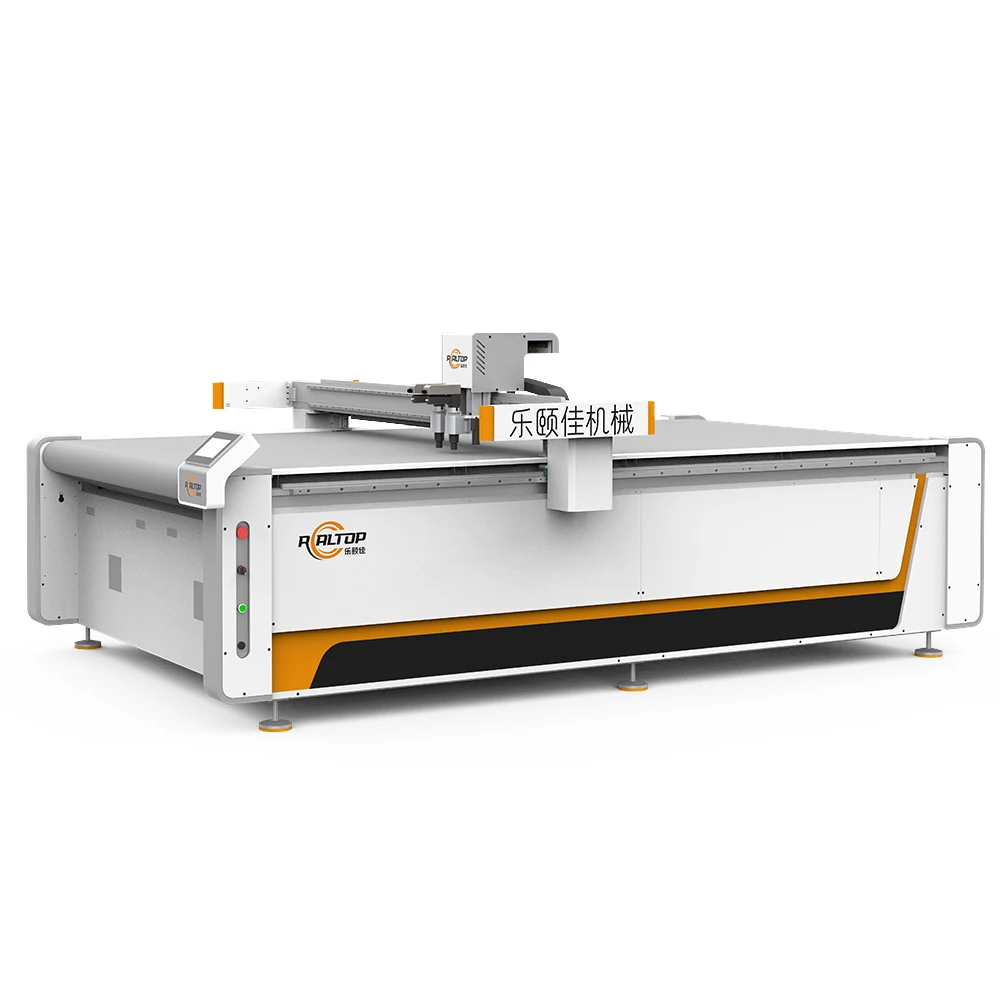
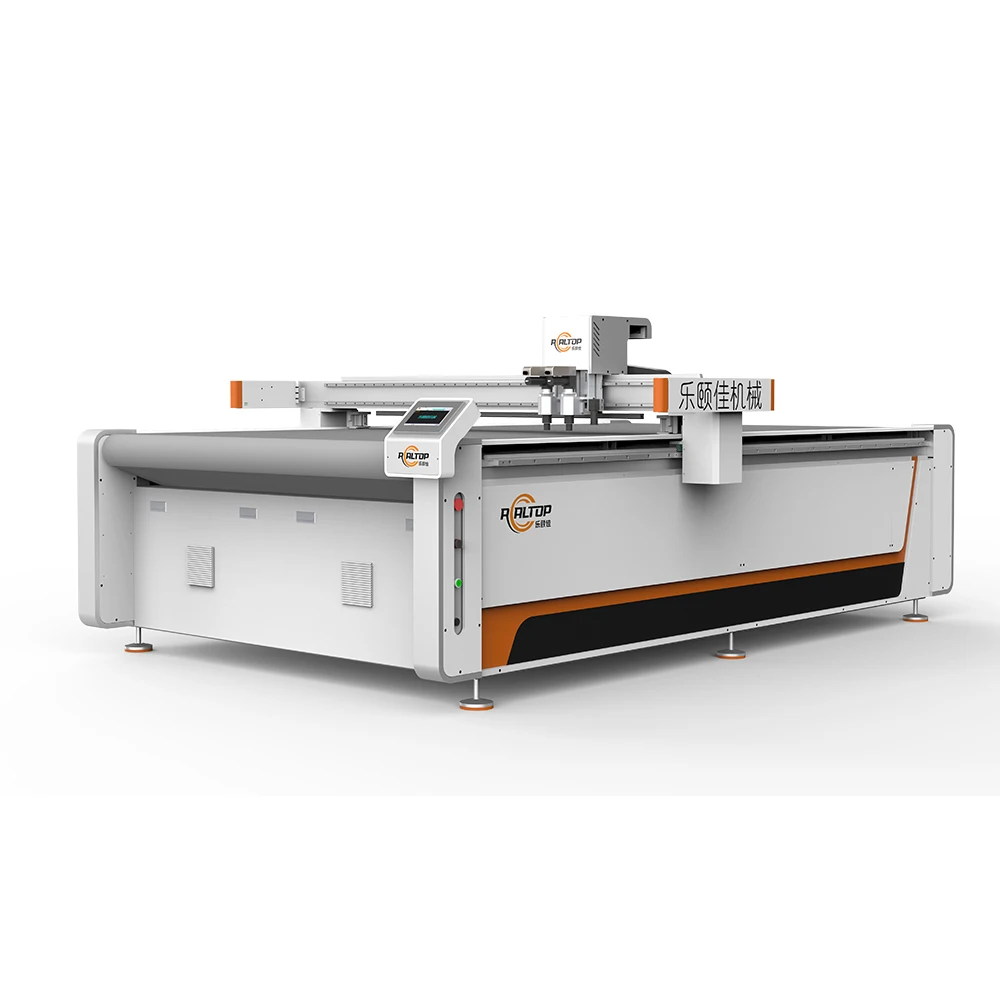
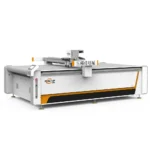
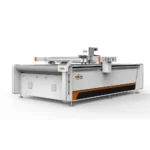
Integrated Tooling Platform — This oscillating knife flatbed combines seven interchangeable heads, allowing packaging producers to switch between flute profiles and board weights without forcing one method across all jobs.
Technical Specifications
| Parameter | Value |
|---|---|
| Model | 1625 |
| Product Type | CNC Oscillating Knife Flatbed Cutting Machine |
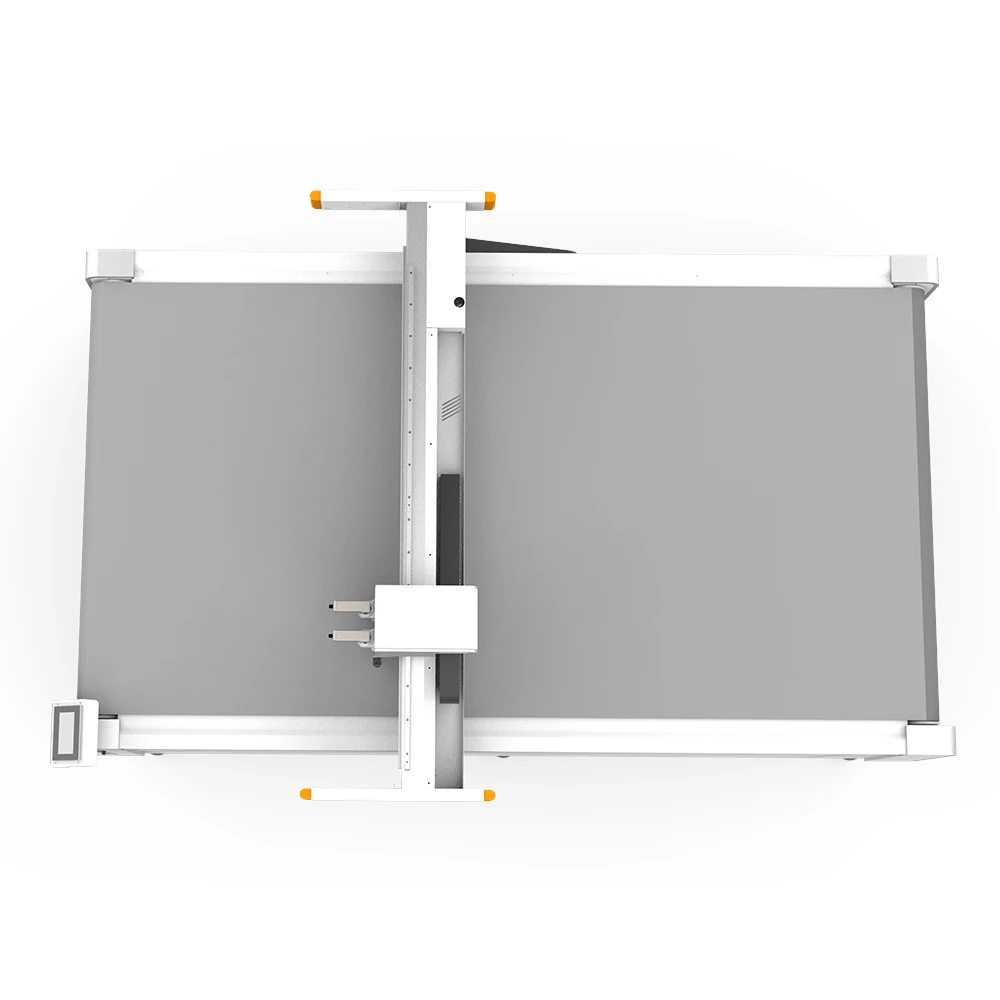
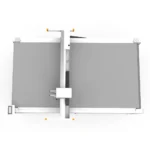
| Working Area | 1600×2500 mm |
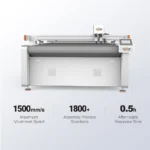
| Cutting Accuracy | ±0.1 mm |
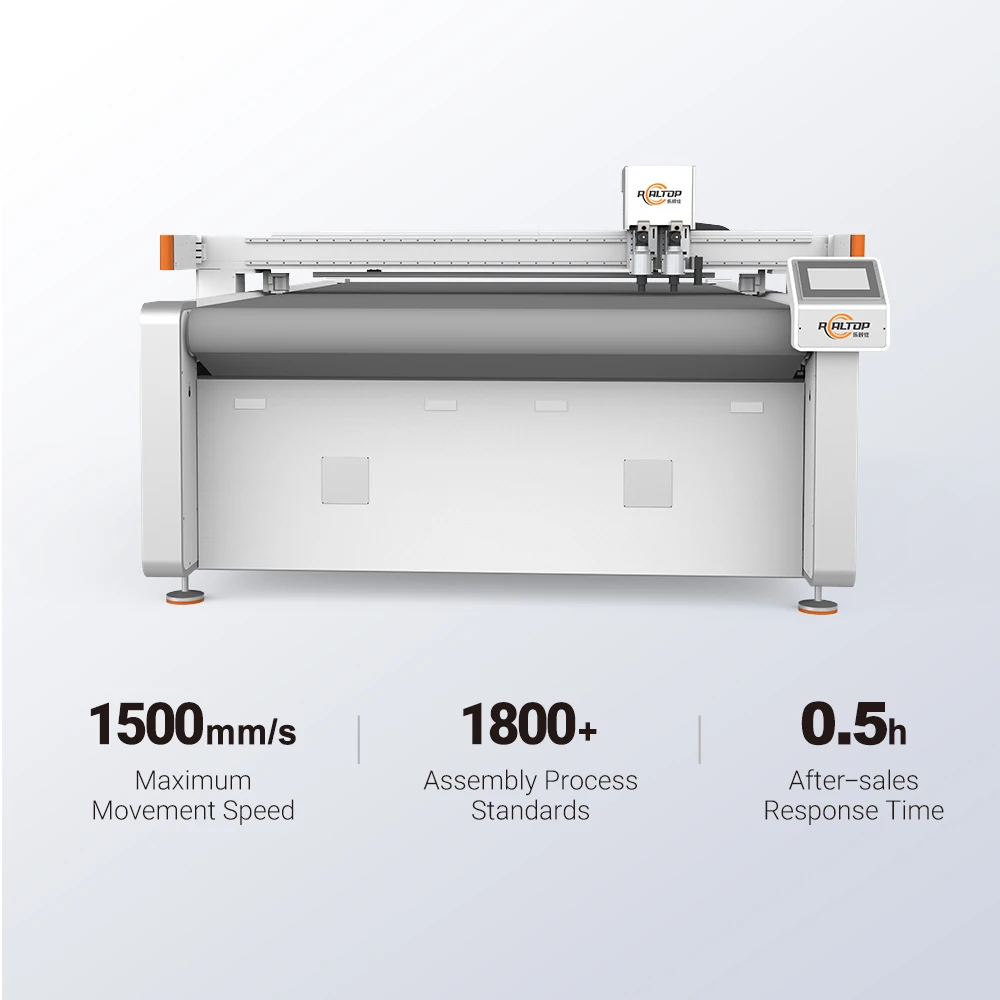
| Cutting Speed | 0–1500 mm/s |
| Cutting Thickness | ≤ 40 mm (basis not stated in source — confirm material type and density) |
| Tool Head Options | Oscillating knife, Driven rotary knife, Creasing wheel, Kiss cutting tool, Pneumatic knife, Milling tool, V groove knife |
| Vacuum Table | Aluminum bellows vacuum table with full-surface adsorption |
| Vacuum Pump Power | 9 kW |
| Servo Motor Options | Panasonic, Delta, Dorna |
| Control System | PLC control panel with optional display languages |
| Software Compatibility | PLT, DXF, AI, PDF |
| Voltage Options | 110V / 220V / 380V |
| Machine Dimensions (L×W×H) | 3300×2100×1350 mm |
| Safety Devices | Infrared sensor, Emergency stop |
| Certification | CE |
Application Suitability
| Application | Material or Output |
|---|---|
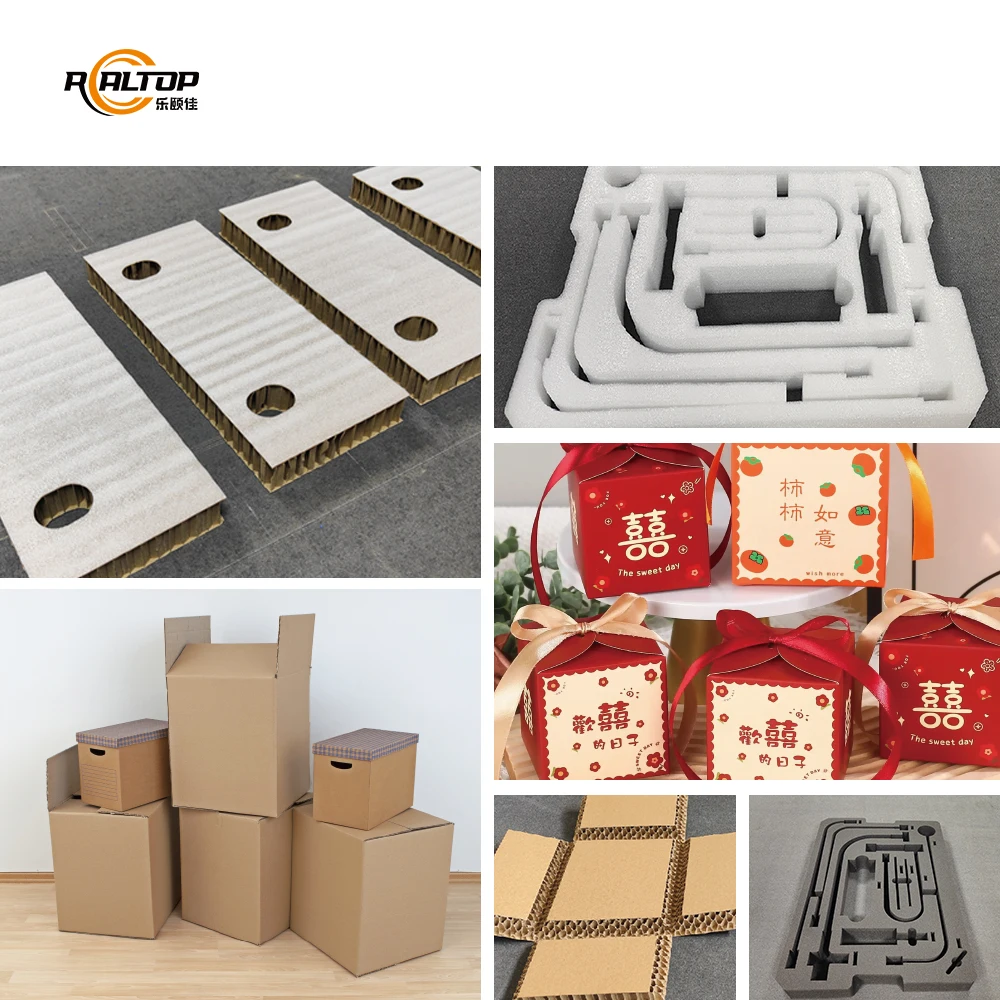
| Corrugated carton sample making | E-flute, B-flute, BC-flute corrugated board |
| Greyboard and cardstock prototyping | Rigid boxes and premium packaging structures |
| Foam insert fabrication | EVA, EPE, PU protective packaging for electronics |
| Gasket and seal cutting | Rubber mats and industrial sealing components |
| Thin plastic die-free cutting | PVC and PET sheets for blister and clamshell packs |
| Lining and fabric cutting | Non-woven fabric and velvet for interior packaging |
Why Material Density Matters More Than Stated Thickness
Specifying a cutting machine by working area and maximum thickness alone leaves out the density and flute structure that determine actual knife performance.
I spent years on the assembly floor before moving into technical sales here in Shandong. Last year, I configured a flatbed for a carton plant based on their initial sample runs. Everything cut clean during the test. Then they ran their actual production stock—five-layer BC-flute corrugated—and the standard oscillating head could not hold the edge. Ragged fibers, crushed flutes, an entire batch scrapped. [NEED_CITE: corrugated board density variation across flute profiles] That mistake changed how I approach every CNC oscillating knife cutting machine specifications review. Now, the buyer’s production material arrives at our facility first, and we run it before any configuration is locked in.
Seven Tool Heads on One Cutting Bed
Packaging converting involves more than just cutting outlines. A single carton job may require creasing fold lines, cutting perimeter contours, and scoring registration marks. The 1625 platform holds an oscillating knife, driven rotary knife, creasing wheel, kiss cutting tool, pneumatic knife, milling tool, and V-groove knife as selectable options. This means a shop running E-flute samples one morning and BC-flute production the next can reconfigure the head rather than dedicate a separate machine to each board weight. The tool head selection is matched to the buyer’s material range before the order is confirmed, not guessed from a catalogue.
Vacuum Hold-Down Across the Full Table Surface
Small packaging parts—think hinge tabs, locking flaps, or die-cut window inserts—tend to lift off the bed when the knife exits the cut at high speed. The aluminum bellows vacuum table on this unit pairs with a 9 kW pump to maintain full-surface adsorption across the 1600×2500 mm working area. Unlike segmented tables where zoning must be manually adjusted for each job size, the bellows structure distributes suction evenly. [NEED_CITE: vacuum table adsorption requirements for small corrugated parts] This matters when a short-run sample job has ten different small shapes nested on a single sheet, and any lift produces a mis-cut that ruins the entire layout.
Reading the Numbers That Actually Affect Output
Cutting accuracy of ±0.1 mm across a 1600×2500 mm bed enables tight registration when following printed contour marks on pre-printed carton stock. The servo motor selection—available with Panasonic, Delta, or Dorna units—directly influences how consistently the head maintains that tolerance during direction changes on complex box geometries. Cutting speed ranges from 0 to 1500 mm/s, though the usable speed on any given job depends on material density and the number of direction changes in the cut path. The PLC control panel accepts PLT, DXF, AI, and PDF file imports through dedicated packaging box structure design software, reducing the translation errors that happen when design files pass through third-party nesting programs.
The Cost of Skipping Material Trials
When a buyer specifies a machine on working area alone and skips the material trial, the consequences show up on the production floor. A knife specified for single-wall B-flute will crush double-wall BC-flute rather than cut through it, leaving compressed fibers instead of a clean edge. Foam inserts cut with a standard oscillating head instead of a pneumatic knife produce fused edges that compromise the protective cushioning. [NEED_CITE: tool head selection impact on corrugated edge quality] These are not adjustments the operator can fix with a speed change. The wrong head must be swapped out, which means downtime, re-nesting the job, and potentially re-ordering the correct tooling—all after the machine has already been installed.
What the Build Process Covers
Design and production of both knife cutting and laser cutting systems happen in-house, so the cutting method is matched to the buyer’s material rather than forced into one technology. The heavy-duty machine frame is precision-ground, providing the flatness reference that the aluminum bellows table depends on for consistent vacuum seal. Tool head and table configuration is documented per material and production volume before the order enters manufacturing. Voltage, plug type, and control panel language are confirmed for the destination market, with options from 110V to 380V and display languages including English, Russian, Italian, and Chinese, plus customization for other languages. Sample cutting on the buyer’s own corrugated stock, foam, or specialty board is completed before any commitment is made.
Documentation & Verification
- Machine specification sheet listing confirmed tool head and servo motor selection
- Electrical schematic with voltage and frequency matched to destination market
- Sample cutting report on buyer’s own corrugated stock and flute profile
- Tool head and vacuum table configuration list per material type
- Software licence and PLT/DXF/AI/PDF file format compatibility confirmation
- Factory test record with cutting accuracy measurement before dispatch
Installation, Commissioning & Support
- Floor space planning based on the 3300×2100×1350 mm machine footprint plus material staging area
- Dedicated electrical circuit matching confirmed voltage option at 110V, 220V, or 380V
- Assembly and leveling of the heavy-duty frame and aluminum bellows vacuum table on-site
- First-run calibration of the selected tool heads against buyer’s production material
- Operator training on PLC control panel in confirmed display language
- Spare parts list covering oscillating knife blades, creasing wheels, and vacuum seals
Preparing Your Inquiry
To get an accurate configuration rather than a generic quote, share the specific corrugated flute profiles and board weights you run most often, along with your typical sheet size and daily volume. Include your local voltage and frequency standard, plus the file formats your design team currently uses. If you are cutting foam inserts or specialty materials alongside carton, send samples of each so the tool head selection covers your full range.
Frequently Asked Questions
Q: How do I select the right tool head for different corrugated flute profiles?
A: E-flute and B-flute single-wall boards generally cut well with the standard oscillating knife. Double-wall and BC-flute require a pneumatic knife or driven rotary knife to penetrate the combined thickness without crushing the inner flutes. Creasing wheels handle fold lines. The correct head depends on your actual board density, which we verify through sample cutting on your stock before configuration is finalized.
Q: Will the software accept my existing packaging design files?
A: The dedicated packaging structure design software imports PLT, DXF, AI, and PDF formats directly through the PLC control system. Before the order is placed, we confirm file format compatibility with a test import of your actual design files to catch any translation issues before the machine ships.
Q: What voltage and frequency does the machine support?
A: Voltage options include 110V, 220V, and 380V. Frequency and plug type must be confirmed for your destination market before production begins. We document the electrical specification on the schematic so your electrician can prepare the correct circuit and breaker before the machine arrives.
Q: Can the vacuum table hold small packaging parts during high-speed cutting?
A: The aluminum bellows vacuum table provides full-surface adsorption powered by a 9 kW pump. This distributes suction across the entire 1600×2500 mm bed rather than relying on manual zoning, which keeps small tabs, locking flaps, and nested die-cut shapes flat during the cut cycle.
Q: Do I need to send my material for testing before ordering?
A: Yes. We request production samples of your corrugated board, foam inserts, or specialty materials so we can run cutting trials with different tool heads. The sample cutting report documents which head, speed, and vacuum setting produced the best edge on each material, and that configuration is locked into your machine build.


商品评价
Clear filtersThere are no reviews yet.