



Fast Shipping
Carrier information

20k products
Payment methods

24/7 Support
Unlimited help desk

2-day Delivery
Track or off orders
Material-Matched Configuration — tool head, vacuum zoning and CCD positioning are specified against your fabric, foam or gasket stock before the order is finalized.
Technical Specifications
| Parameter | Value |
|---|---|
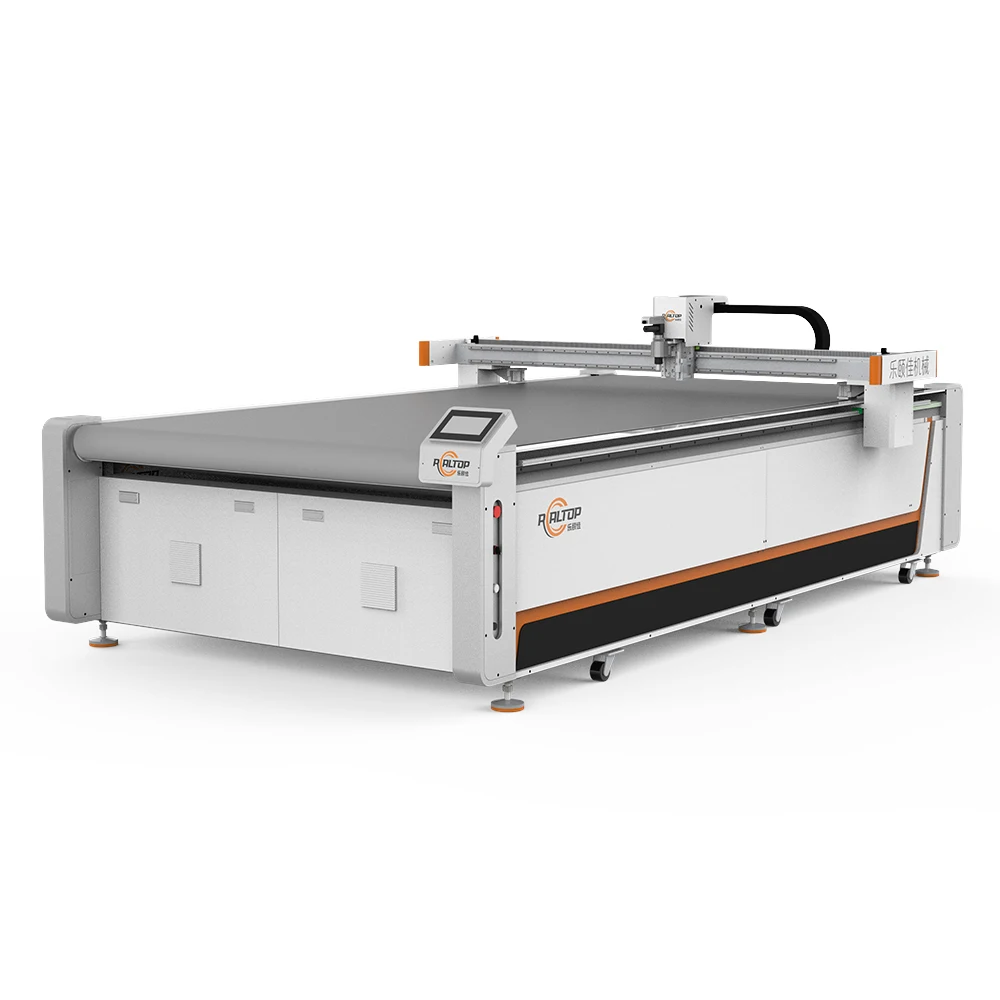
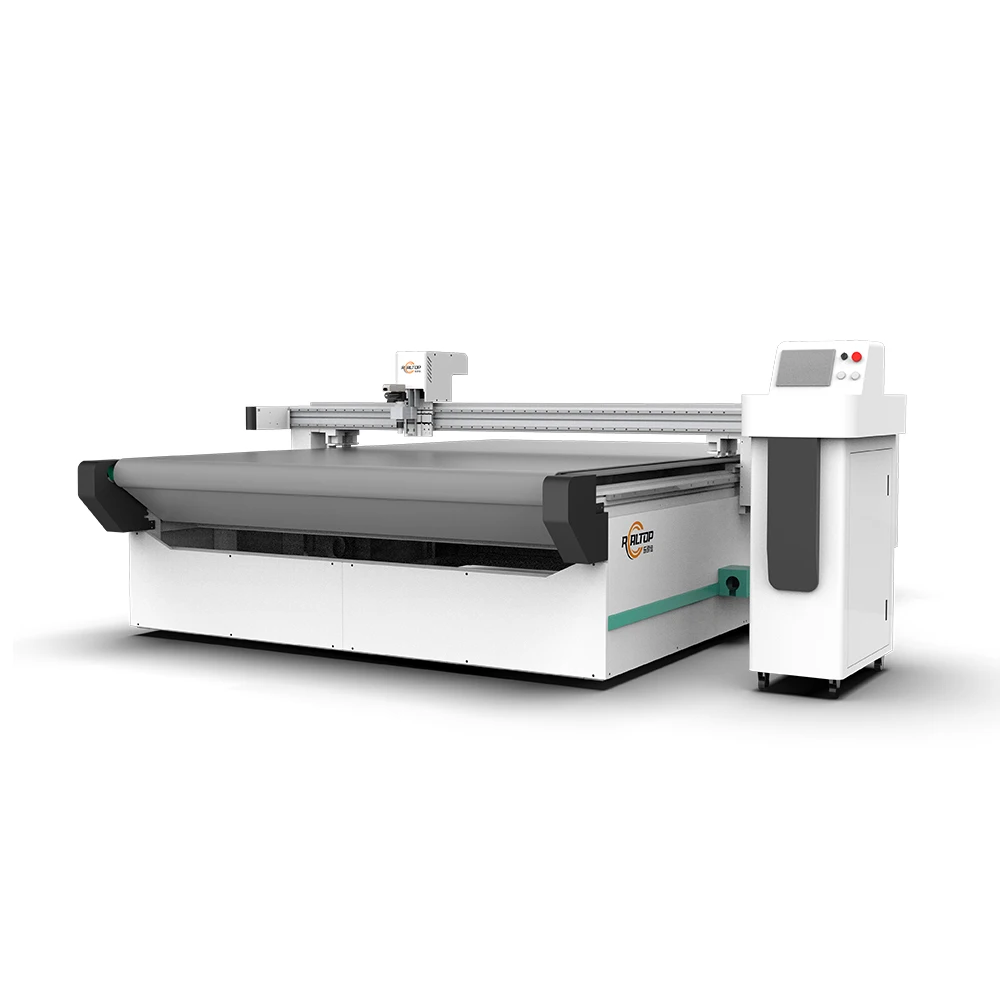
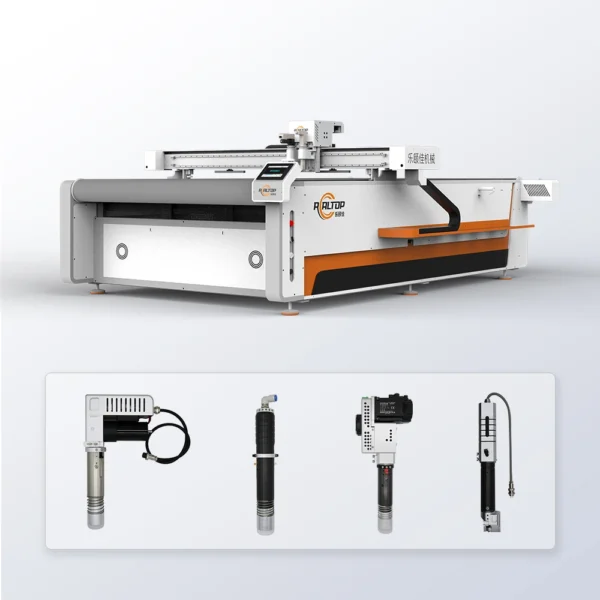
| Model | RT-D2516/RT-S2516 |
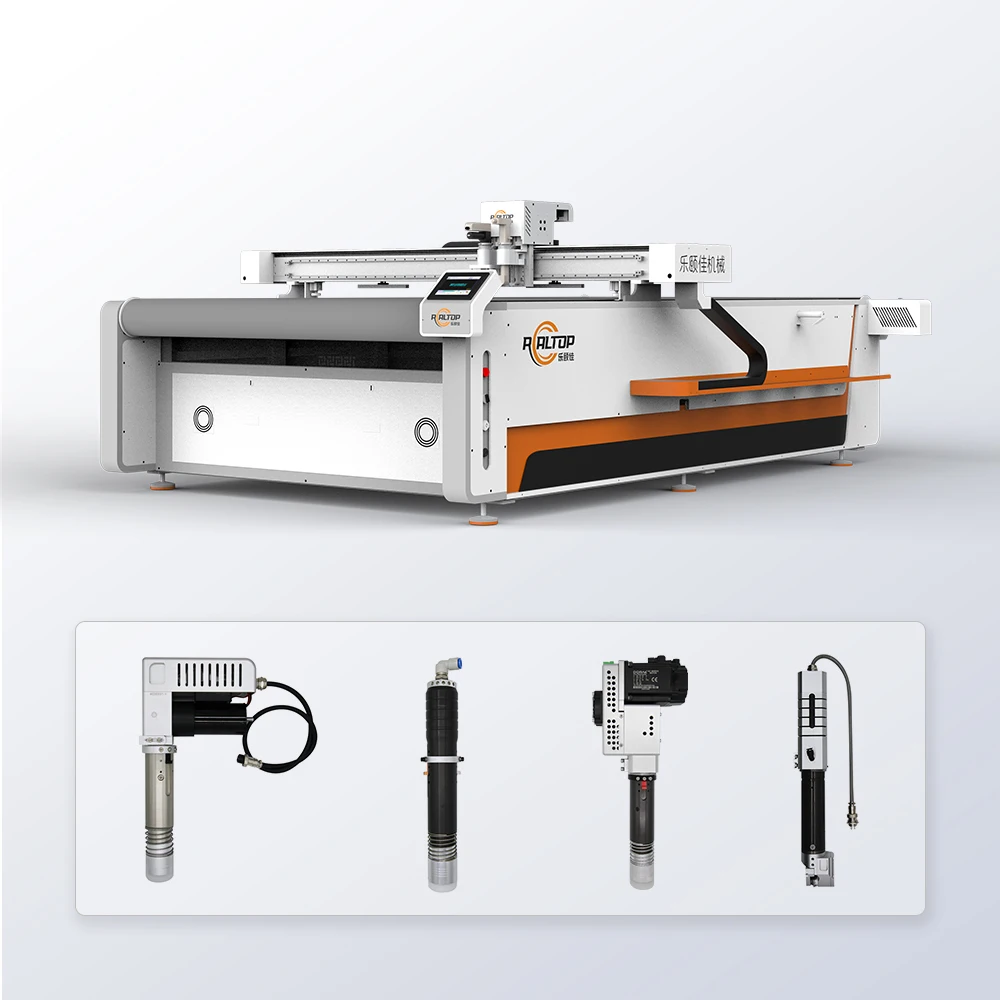
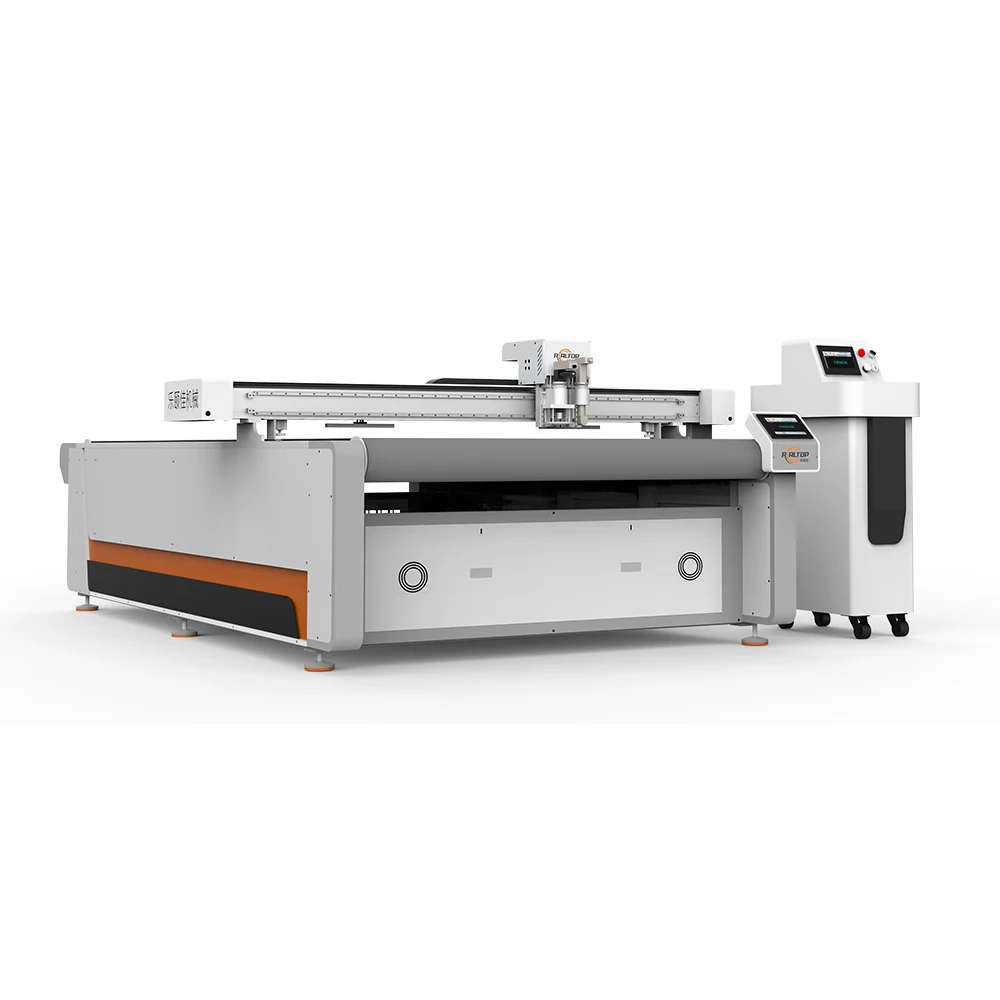
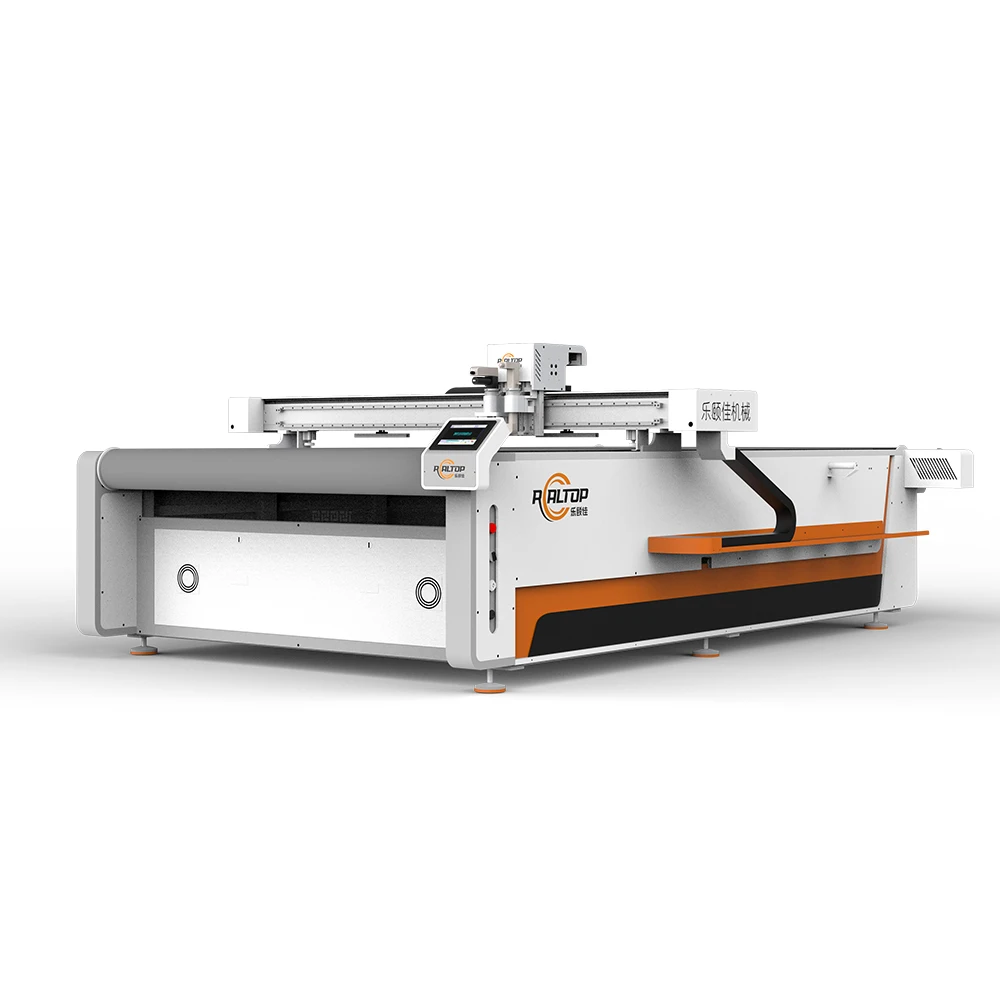
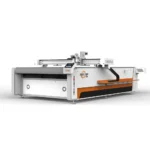
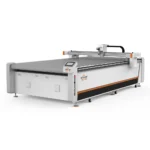
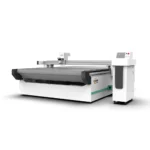
| Product Type | CNC Oscillating Knife Cutting Machine |
| Working Area | 1600 × 2500 mm |
| Machine Size | 3450 × 2300 × 1250 mm |
| Rated Power | 9 kW |
| Vacuum Pump | 7.5 kW |
| Table Type | Flat working table or auto-feeding conveyor (Germany-imported belt) |
| Cutting Head | Multifunctional head with Swiss-imported knife (vibration full/half cutting, cursor location) |
| Cutting Thickness | ≤ 100 mm (varies with material) |
| Repeated Accuracy | ≤ 0.1 mm |
| Translational Velocity | 800 – 2000 mm/s |
| Cutting Speed | 200 – 800 mm/s (basis not stated in source — confirm material and thickness) |
| Transmission System | Digital servo motor, linear guide, synchronous belt, ball screw |
| Servo Motor | Delta (Panasonic optional) |
| Guide Rail | Taiwan Hiwin |
| Voltage | 380 V ± 10 % |
| Control Panel | Touch screen, multi-language |
| Software | Auto typesetting; supports PLT, DXF, AI |
| Language Options | English, Russian, Italian, Chinese (special languages customizable) |
| Safety Device | Infrared sensors |
| Instruction System | HP-GL compatible format |
| Standards | CE declaration (where applicable) |
Application Suitability
| Application | Material or Output |
|---|---|
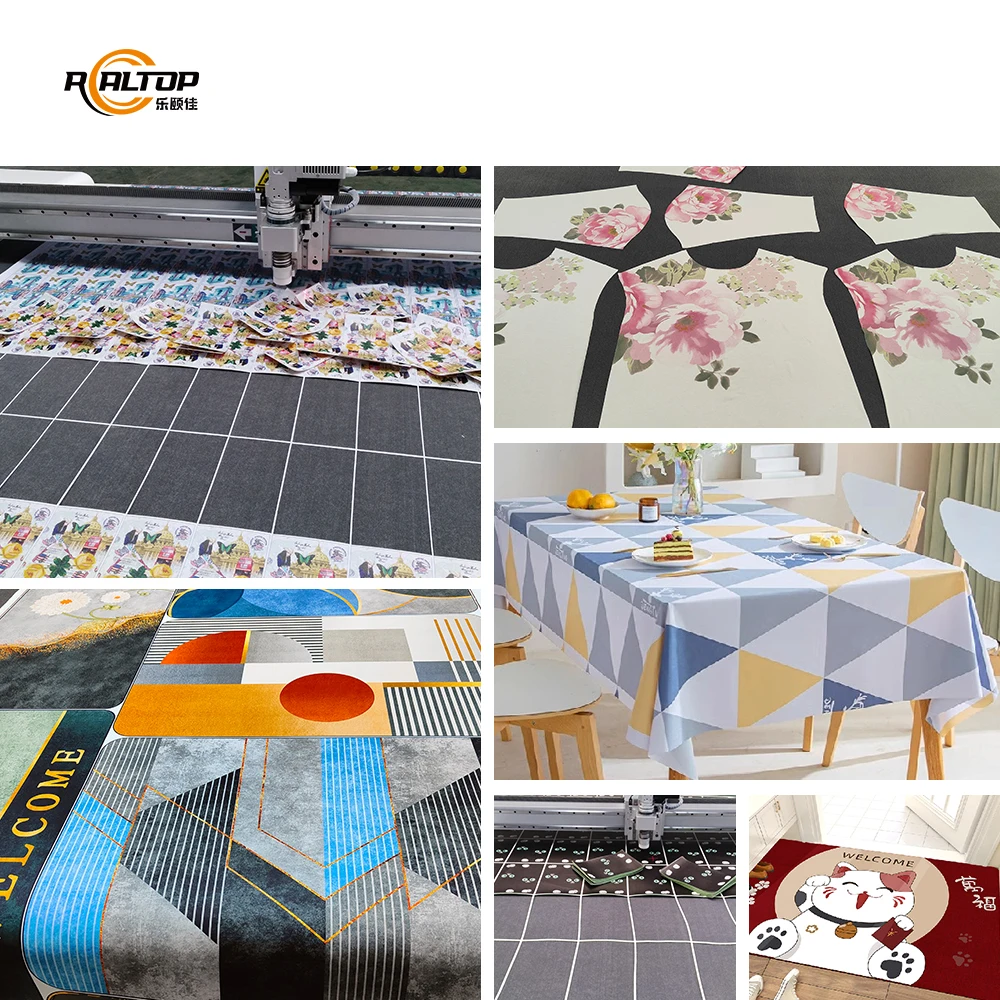
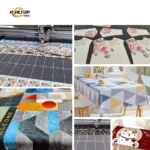
| Garment and footwear production | Fabric, woven textile, leather, shoe material |
| Automotive interior and gasket | Sponge composite leather, sealing pads, PU, EVA |
| Soft furnishing and carpet | Carpet, floor mats, non-woven fabric, sponge |
| Packaging and sample making | Corrugated cardboard, sticker, film |
| Industrial composite cutting | Carbon fiber, fiberglass, PTFE, ETFE, rubber sheet |
Why "200 to 800 mm/s" Means Nothing Without Material Context
Cutting speed is only valid when the stock type, thickness and tool head are named together.
A CNC oscillating knife cutting machine running at 800 mm/s on thin vinyl will stall, crush or leave ragged edges the moment you load 20 mm high-density sponge. In my early years on the service side, I watched a machine spec’d for corrugated cardboard try to cut automotive headliner foam at the same feed rate — the edges looked like a dog chewed them. The operator had to spend two days re-tuning parameters before the line could run. [NEED_CITE: cutting speed versus material density in oscillating knife systems]
How the RT-D2516/RT-S2516 Head Assembly Meets Variable Stock
The Swiss-imported oscillating knife on the RT-D2516/RT-S2516 handles full-cut and half-cut cycles, letting the same head score a crease line and then cut through the profile in one pass. For dense gasket material the stroke frequency is raised so the blade penetrates without deflection, while lightweight woven fabric needs a shorter stroke to avoid pulling threads.
Vacuum Zoning and Small-Part Hold-Down
A 1600 × 2500 mm table can pull uneven suction if the entire plenum is open while you cut small shapes. The magnesium-aluminum alloy table on the CNC oscillating knife cutting machine specifications list is divided into zones, so vacuum is concentrated only under the active cutting path. This stops thin sticker film or narrow leather strips from lifting into the knife during high-speed traversal. [NEED_CITE: vacuum zoning principles for flatbed digital cutting tables]
Reading the Spec Sheet for Real Production Impact
Repeated accuracy of ≤ 0.1 mm matters most when you nest tight shapes and rely on the second pass aligning with the first. The Taiwan Hiwin linear guide and ball-screw transmission hold that tolerance across the full 2500 mm stroke, which is where cheaper rail systems drift after a few hours of continuous cutting. The Delta digital servo (Panasonic optional) resolves positioning commands fast enough that the knife does not lag behind the toolpath on sharp corners — critical when cutting leather shoe uppers where a one-millimetre overshoot ruins the piece. The 7.5 kW vacuum pump is sized for the 1600 × 2500 mm area; undersizing the pump on a table this size results in edge zones losing suction first. Software accepts PLT, DXF and AI files, meaning your nesting files from common garment or packaging CAD packages import without conversion loss.
The Hidden Cost of Skipping the Sample Cut
Ordering on working-area size alone and discovering your 15 mm foam compresses under the hold-down foot is a common mistake. The crushed zone rebounds after the knife passes, leaving an uneven edge that fails the visual check on automotive interior panels. Another pitfall is quoting a drag knife when the material is woven fiberglass — the drag knife pulls fibres instead of shearing them, and the frayed edge requires manual trimming that was never in the cost model. [NEED_CITE: tool head selection errors in flexible material cutting]
What Sets This Configuration Apart
In-house design covers both knife and laser cutting, so if your stock turns out to be better suited to CO2 edge-sealing, the conversation shifts to the right technology before you commit. Every order ships with a tool-head and table configuration list matched to your material, not a generic packing slip. The CCD camera mark-point positioning option tracks printed contours at line speed — verified on your own artwork before dispatch. Voltage, plug type and control-panel language are confirmed in writing before production starts. A sample cutting report on your actual stock is part of the file package, so you know the edge quality before the crate leaves the factory.
Documentation & Verification
- Machine specification sheet listing RT-D2516/RT-S2516 working area and power ratings
- Electrical schematic and 380 V ± 10 % voltage confirmation for your site supply
- Tool head and vacuum table configuration list matched to your material
- Sample cutting report run on buyer-supplied fabric, foam or gasket stock
- Software licence with PLT, DXF and AI file format compatibility note
- Factory test record including repeated accuracy measurement before packing
Installation, Commissioning & Support
- Foundation must be level within 2 mm over the 3450 × 2300 mm footprint to prevent rail twist
- Dedicated 380 V three-phase circuit with minimum 15 A breaker for the 9 kW rated power
- Machine ships partly disassembled; reassembly covers gantry, table segments and conveyor belt
- First-power commissioning includes servo tuning, vacuum zone balancing and CCD calibration
- Operator training covers auto-typesetting software, nesting workflow and language switching
- Spare parts list covers Swiss-imported blades, vacuum pump consumables and guide rail wipers
Before You Request a Quote
Send us the exact material name, thickness range and maximum sheet size you plan to run. Tell us your local voltage and frequency, plus the language your operators need on the touch screen. If you have existing DXF or AI nesting files, share a sample so we can confirm software import before the order is placed.
Frequently Asked Questions
Q: How do I choose between oscillating, drag and pneumatic knife?
A: Oscillating knife suits compressible materials like foam and sponge composite leather because the vibrating stroke shears without crushing. Drag knife works on thin, non-fraying films and stickers. Pneumatic knife handles thick, abrasive stock like carbon fiber prepreg. We match the head to your material during the sample-cut stage.
Q: What determines the real cutting speed on my material?
A: Stock density, thickness and tool-head stroke frequency together set the usable feed rate. The 200 – 800 mm/s range in the spec applies only after these variables are fixed. We run your own material to establish the practical speed and document it in the sample cutting report.
Q: Can the control system and software run in my local language?
A: The touch screen ships in English, Russian, Italian or Chinese, and special languages are customizable on request. The auto-typesetting software accepts PLT, DXF and AI formats; we verify your existing file import during the pre-order sample phase.
Q: Which parts wear fastest and how do I source them?
A: The Swiss-imported oscillating blade is the primary consumable, replaced according to material abrasiveness. The vacuum pump requires periodic filter and vane service. A spare-parts list with part numbers is included in the documentation package, and blades are ordered through standard supply channels.
Q: Do you test on my actual material before I commit?
A: Yes. We require a sample of your stock — fabric, foam, gasket or composite — and run it on the configured RT-D2516/RT-S2516. The resulting edge quality, dimensional accuracy and cycle time are recorded in a sample cutting report shared with you before order confirmation.


商品评价
Clear filtersThere are no reviews yet.