





Fast Shipping
Carrier information

20k products
Payment methods

24/7 Support
Unlimited help desk

2-day Delivery
Track or off orders
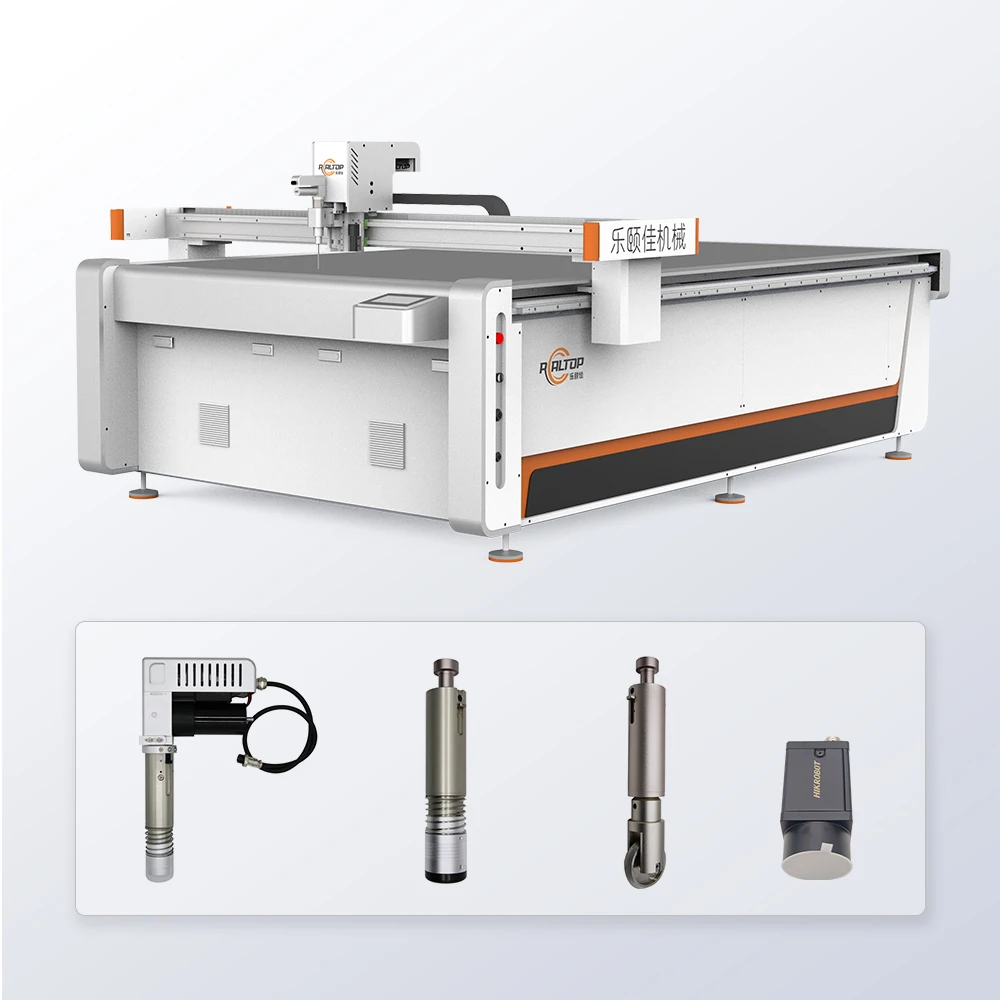
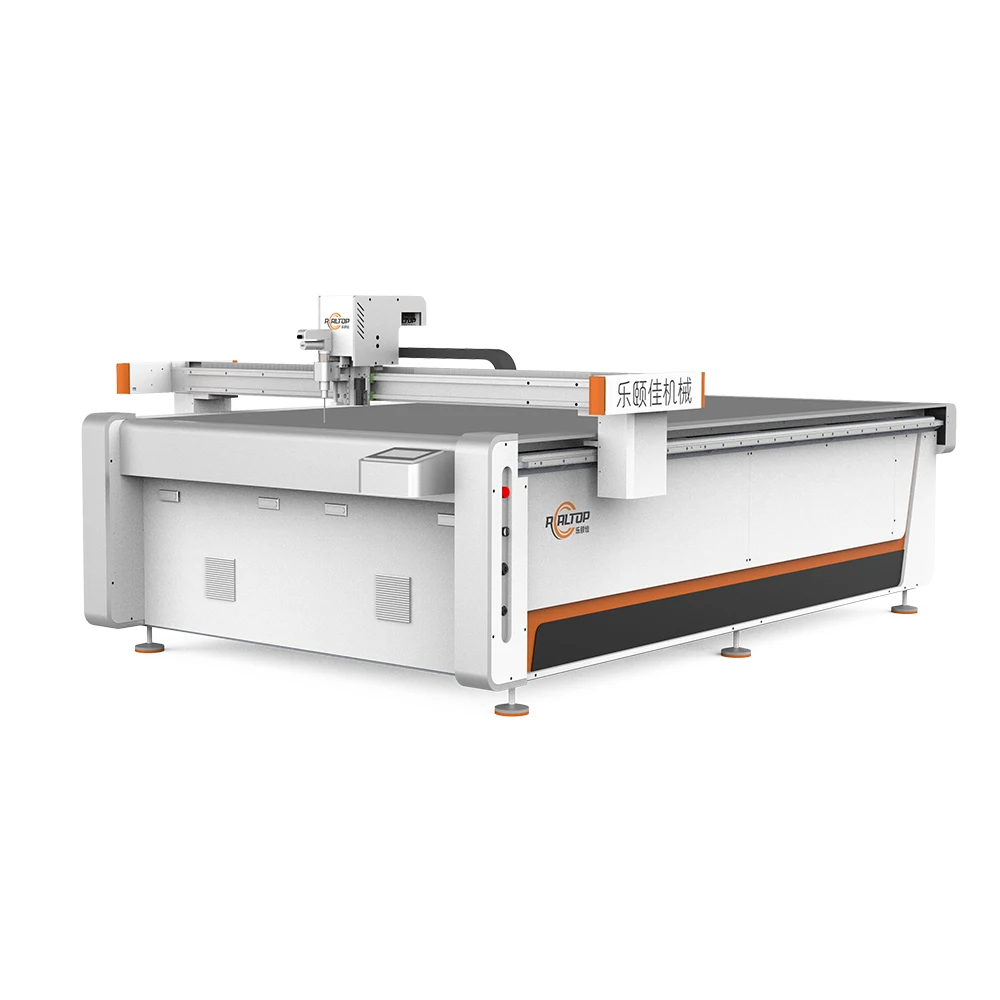
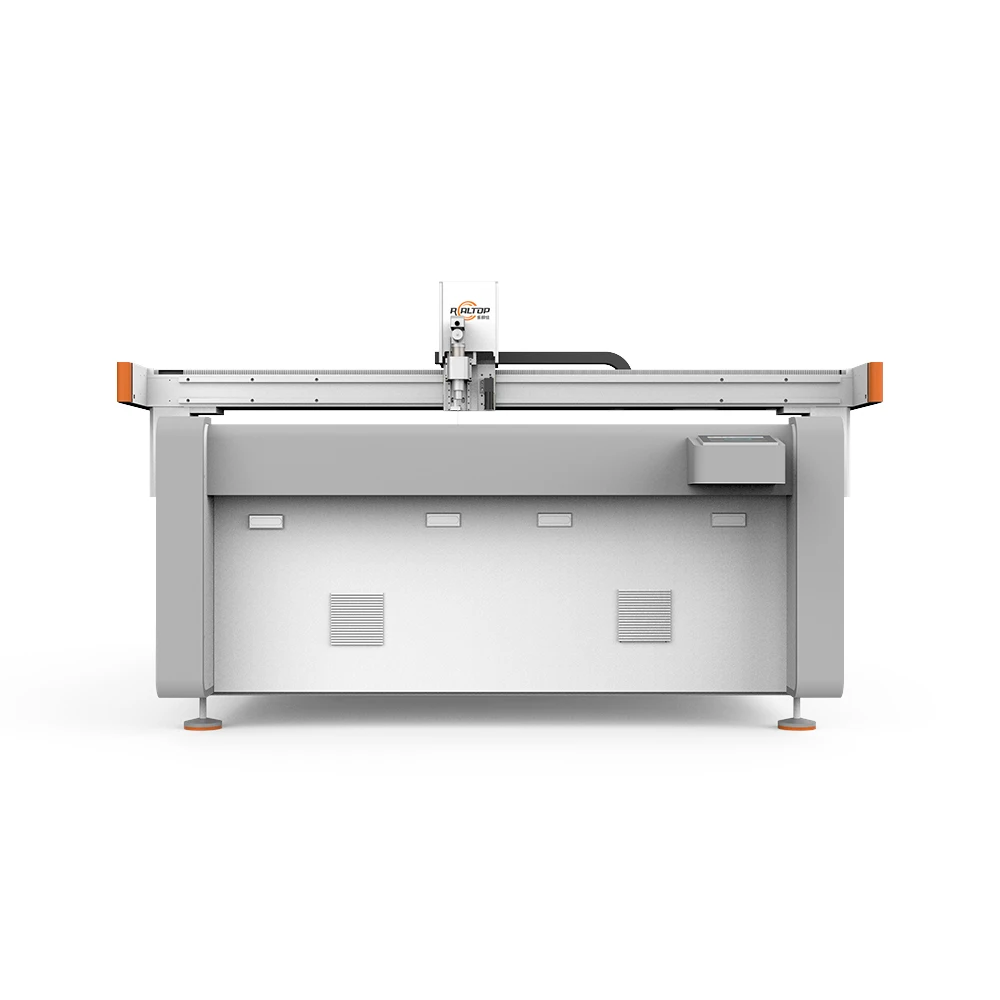
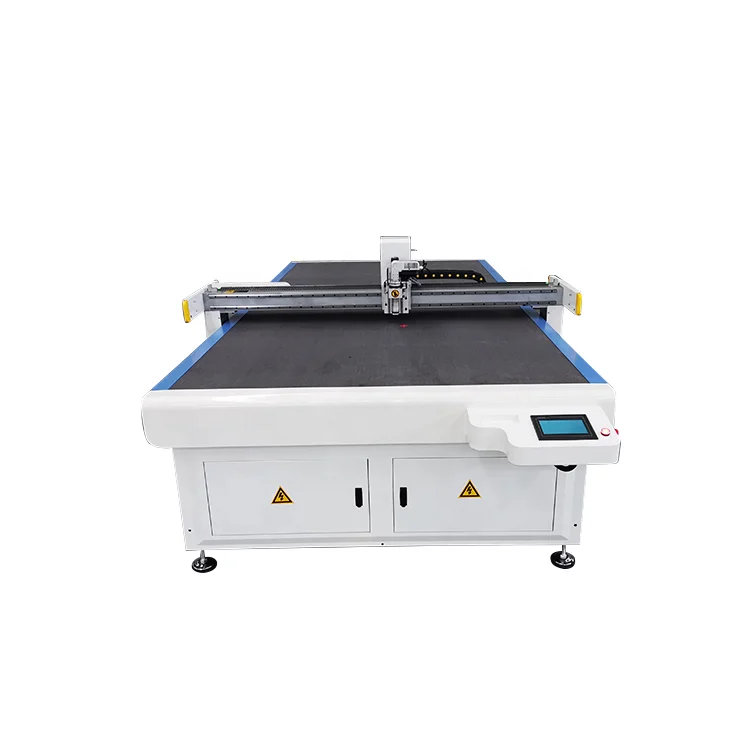
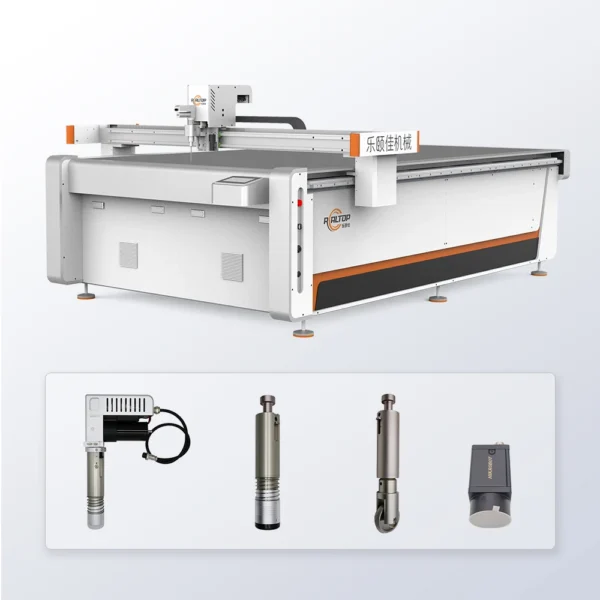
Tool Head Matched to Material — The 1625 CNC oscillating knife cutting machine specifies tool head, vacuum zoning and cutting parameters against the buyer’s actual fabric, leather or composite sample before configuration is locked.
Technical Specifications
| Parameter | Value |
|---|---|
| Model | 1625 |
| Product Type | CNC Oscillating Knife Cutting Machine |
| Working Area | 1600×2500 mm |
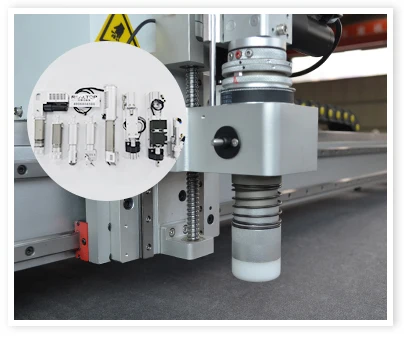
| Tool Head Options | Oscillating knife, Driven rotary knife, Creasing wheel, Kiss cutting tool, Pneumatic knife, Milling tool, V groove knife |
| Cutting Speed | 0–2000 mm/s |
| Cutting Thickness | ≤ 30 mm (basis not stated in source — confirm material type, density and layer count) |
| Cutting Accuracy | ±0.1 mm |
| Repeat Positioning Accuracy | ±0.1 mm |
| Vacuum Pump | 9 kW |
| Vacuum Table | Aluminum bellows vacuum table |
| Servo Drive Options | Panasonic, Delta, Dorna |
| Voltage Options | 110V, 220V, 380V |
| Control System | PLC control panel with optional display languages |
| Software & File Formats | PLT, DXF, AI, PDF; dedicated packaging box structure design software included |
| Safety Device | Infrared sensor device and emergency stop device |
| Machine Dimensions (L×W×H) | 3300×2100×1350 mm |
| Machine Frame | Heavy-duty frame with precision-ground surface |
| Language Options | English, Russian, Italian, Chinese; special languages customizable |
| Nesting | Intelligent nesting system with automatic defect avoidance |
Application Suitability
| Application | Material or Output |
|---|---|
| Apparel manufacturing | Suits, knitwear, lace, complex woven and stretch fabrics with pattern-matching layouts |
| Automotive interiors | Seat fabrics, carpets, PVC floor mats requiring burr-free edges |
| Home textiles | Sofa fabrics, curtains, rugs, multi-layer cutting of heavy upholstery materials |
| Composite material processing | Carbon fiber prepreg, aramid weaves, specialty laminates requiring cold cutting without delamination |
| Gasket and seal production | PTFE, rubber, EVA sheets cut to tolerance without thermal deformation |
| Packaging and sample making | Cardboard, carton, corrugated board scored and cut with creasing wheel |
Why the Tool Head Question Matters More Than Working Area
Selecting a CNC oscillating knife cutting machine based on table size alone leaves out the variable that actually determines edge quality: which blade meets your specific material at what frequency and feed rate. The tool head must be chosen against the material, not the other way around.
I have seen fabric producers purchase machines with generous 1600×2500 mm beds, then discover that a standard oscillating knife puckers stretch knit at production speed while a driven rotary knife glides through it cleanly. The machine is the same; the cut result is entirely different. Buyers who skip material sampling end up with ragged edges on foam or crushed layers on multi-ply knitwear — problems that no amount of software adjustment can fix after the machine arrives [NEED_CITE: oscillating knife frequency and material interaction principles].
Blade Selection by Fabric Behavior
Woven cotton responds well to a standard oscillating knife at moderate frequency, but the same blade on four-way stretch lycra will drag fibers and leave a feathered edge. The 1625 platform supports seven interchangeable tool heads, and the correct choice depends on the buyer’s production mix. A garment shop cutting both suiting wool and athletic knit needs oscillating and driven rotary heads available for quick swap. This CNC oscillating knife cutting machine configuration is finalized only after sample cutting on the buyer’s actual roll goods.
Vacuum Holding and Small Part Stability
A 9 kW vacuum pump paired with an aluminum bellows table delivers strong hold-down across the full 1600×2500 mm surface. However, small pattern pieces — collar stays, pocket flaps, gasket blanks under 50 mm — can still lift if vacuum zones are not configured for concentrated suction in the cutting region. Zoning strategy must be matched to the typical nest layout of the buyer’s product range. Without this alignment, operators waste time repositioning material or adding mechanical clamps that slow throughput [NEED_CITE: vacuum zoning configuration for small CNC cut parts].
Reading the Specifications That Actually Affect Output
The ±0.1 mm cutting and repeat positioning accuracy figures matter most when pattern pieces must align to printed marks or when multi-layer stacks need to match across ply boundaries. At ±0.1 mm tolerance, a 30-ply lay of knitwear fabric stays within acceptable garment grading limits without secondary trimming. The 0–2000 mm/s cutting speed range is wide enough to handle delicate lace at low speed and heavy canvas at higher feed, but the achievable speed on any given material depends on blade type, thickness and layer count — not the maximum figure on the nameplate. The intelligent nesting system with automatic defect avoidance improves material yield by routing cut paths around flaws detected in the fabric roll.
The Hidden Cost of Skipping Material Sampling
A sportswear buyer once sent stretch knit for sampling, but the test ran on plain cotton instead. The oscillating knife feed rate was set for a stable woven, so when the actual production knit hit the table, it puckered and dragged — two full rolls were scrapped before the error was caught. That failure was not a machine defect; it was a sampling protocol failure. Every material behaves differently under blade contact, and cutting speed, oscillation frequency and vacuum pressure all need confirmation on the real production stock before tool head and parameters are locked [NEED_CITE: textile cutting parameter validation before production].
What This Platform Offers Beyond the Spec Sheet
The 1625 is built on a heavy-duty frame with a precision-ground surface, which maintains table flatness under continuous vacuum load and prevents drift in cutting accuracy over long production runs. Tool head and table configuration is specified per material and production volume, not sold as a fixed package. CCD camera positioning is available for printed contour work where the knife must follow registration marks on dyed or sublimated fabric. Software compatibility — PLT, DXF, AI, PDF import — is confirmed against the buyer’s existing design workflow before the order is placed. Voltage, frequency and control language are documented for the destination market, so the PLC panel arrives in the operator’s working language.
Documentation & Verification
- Factory test record on your fabric type and layer count before dispatch
- Tool head and vacuum zoning configuration list matched to your material
- Software licence and file format compatibility note for DXF, PLT, AI, PDF
- Electrical schematic confirming voltage, frequency and plug type for your market
- Sample cutting report on your actual roll goods showing edge quality and achievable speed
- Operation and maintenance manual in selected control language
Installation, Commissioning & Support
- Requires level concrete floor to support 3300×2100×1350 mm machine footprint and dynamic load
- Dedicated circuit for 9 kW vacuum pump plus servo drives, voltage confirmed at 110V, 220V or 380V
- Heavy-duty frame arrives assembled; aluminum bellows table surface leveled on-site against floor tolerance
- First-run parameter setting includes oscillation frequency, feed rate and vacuum zoning for your specific material
- Operator training covers tool head swap procedure, nesting software workflow and emergency stop protocols
- Spare parts list includes replacement blades, knife holders and vacuum seals sized to your configuration
What to Include in Your Inquiry
Send your material type, typical thickness or ply count, maximum sheet or roll width, and daily cutting volume. Specify your workshop voltage and frequency, preferred control language, and whether your existing design files use DXF, PLT, AI or PDF format. If your production involves printed fabric requiring contour recognition, include a sample print file so CCD positioning can be validated before configuration is finalized.
Frequently Asked Questions
Q: How do I choose between oscillating knife, driven rotary knife and pneumatic knife for my material?
A: Oscillating knife suits most woven and medium-weight fabrics. Driven rotary knife handles stretch knits and technical textiles where a vibrating blade would drag fibers. Pneumatic knife is used for thicker foam and gasket materials. The correct choice is confirmed by cutting your actual material sample at production speed before the tool head is specified for your 1625 order.
Q: What cutting thickness is achievable, and does it change with different materials?
A: The specification states up to 30 mm, but achievable thickness depends on material density and layer count. A dense rubber gasket cuts differently from a 30-ply knitwear lay of the same total thickness. We confirm cutting depth and edge quality on your specific material during the sample cutting stage before locking the configuration.
Q: How is vacuum table zoning handled for small pattern pieces that tend to lift?
A: The 9 kW vacuum pump delivers strong hold-down across the aluminum bellows table, but small parts under 50 mm may need concentrated zoning in their nest region. Your typical pattern layout is reviewed during configuration so that vacuum zones are assigned to match where small pieces cluster, reducing lift without requiring mechanical clamps.
Q: Which software file formats are supported, and does nesting work with my current workflow?
A: The system imports PLT, DXF, AI and PDF files. The intelligent nesting system includes automatic defect avoidance to improve material yield. Before order confirmation, we test your existing design files on the software to confirm import accuracy and nesting behavior, so your current workflow continues without format conversion delays.
Q: What voltage and control language options are confirmed before shipment?
A: Voltage is configurable at 110V, 220V or 380V, with frequency matched to your destination market. The PLC control panel supports English, Russian, Italian and Chinese as standard, with special languages available on request. An electrical schematic and voltage confirmation document is provided before production, specifying exact plug type for your facility.


商品评价
Clear filtersThere are no reviews yet.