



Fast Shipping
Carrier information

20k products
Payment methods

24/7 Support
Unlimited help desk

2-day Delivery
Track or off orders
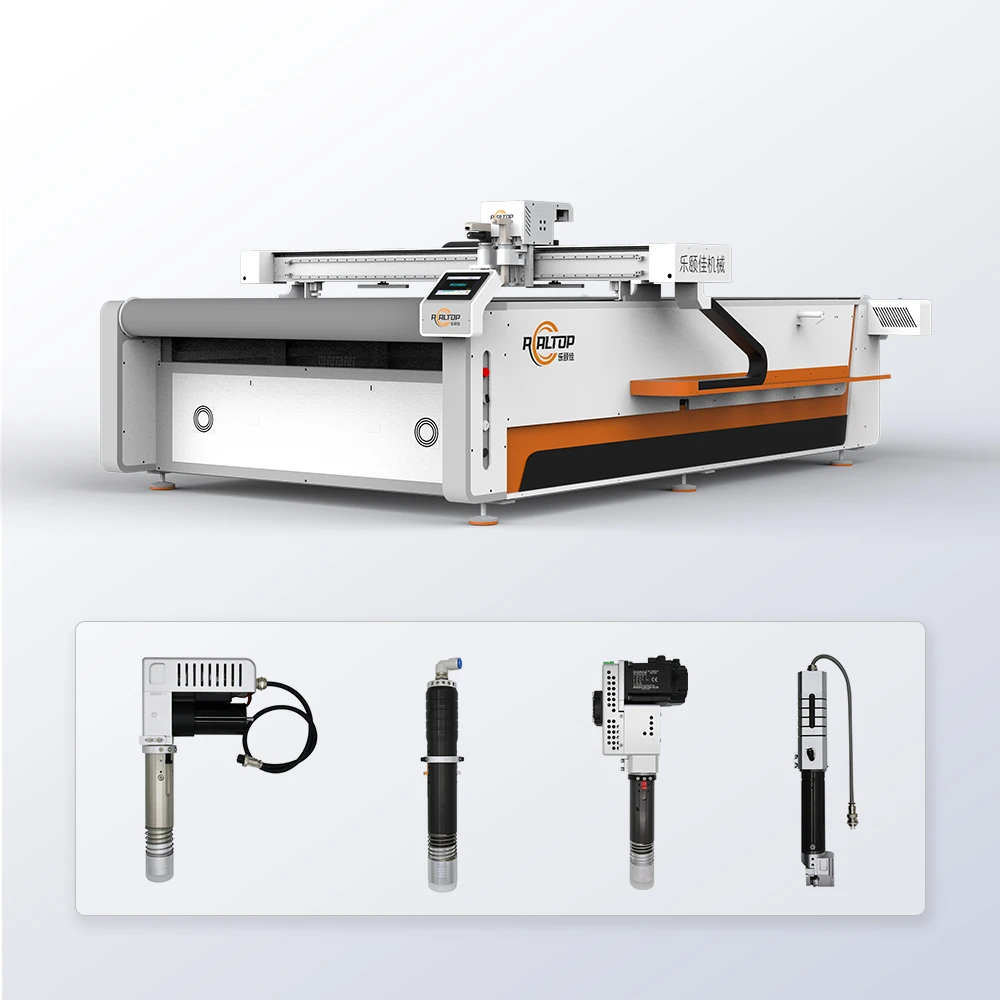
Tool Head Configurability — In-house knife and vacuum engineering means the oscillating, rotary and creasing tools are matched to your exact fabric or prepreg rather than sold as a fixed package.
Technical Specifications
| Parameter | Value |
|---|---|
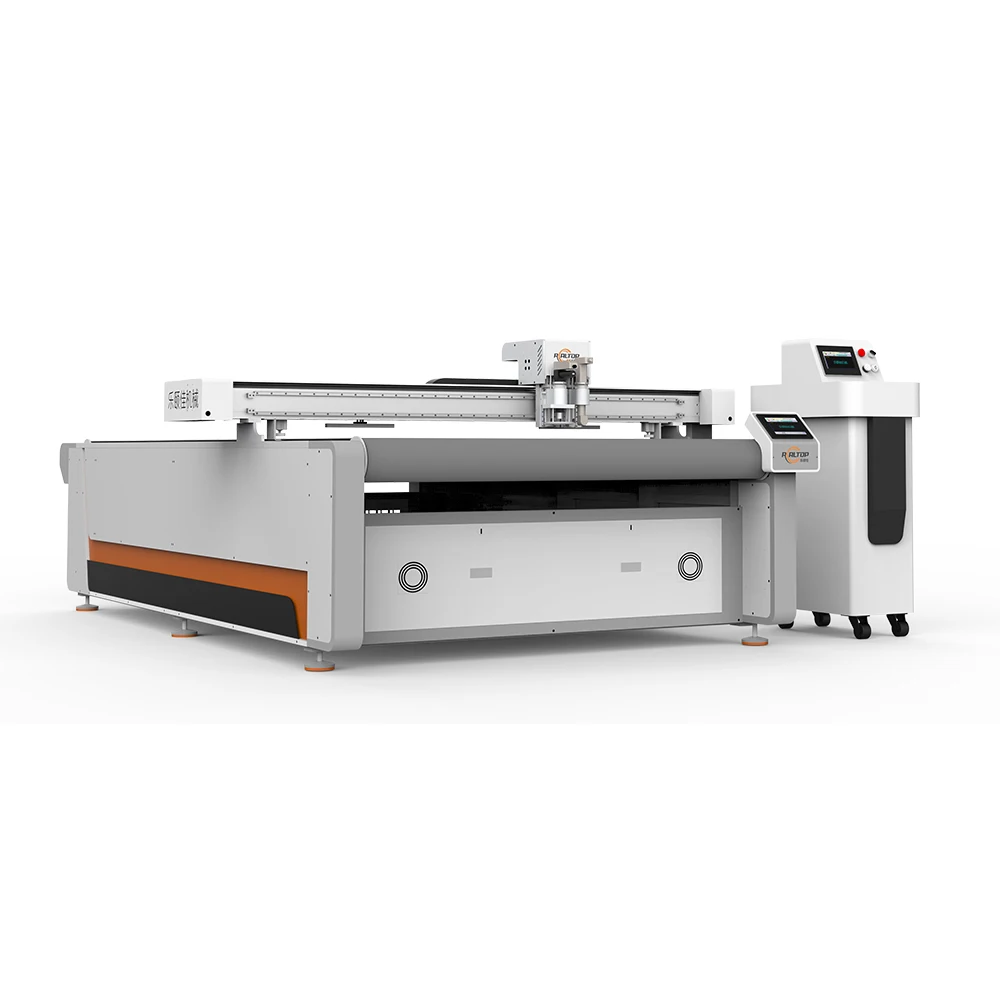
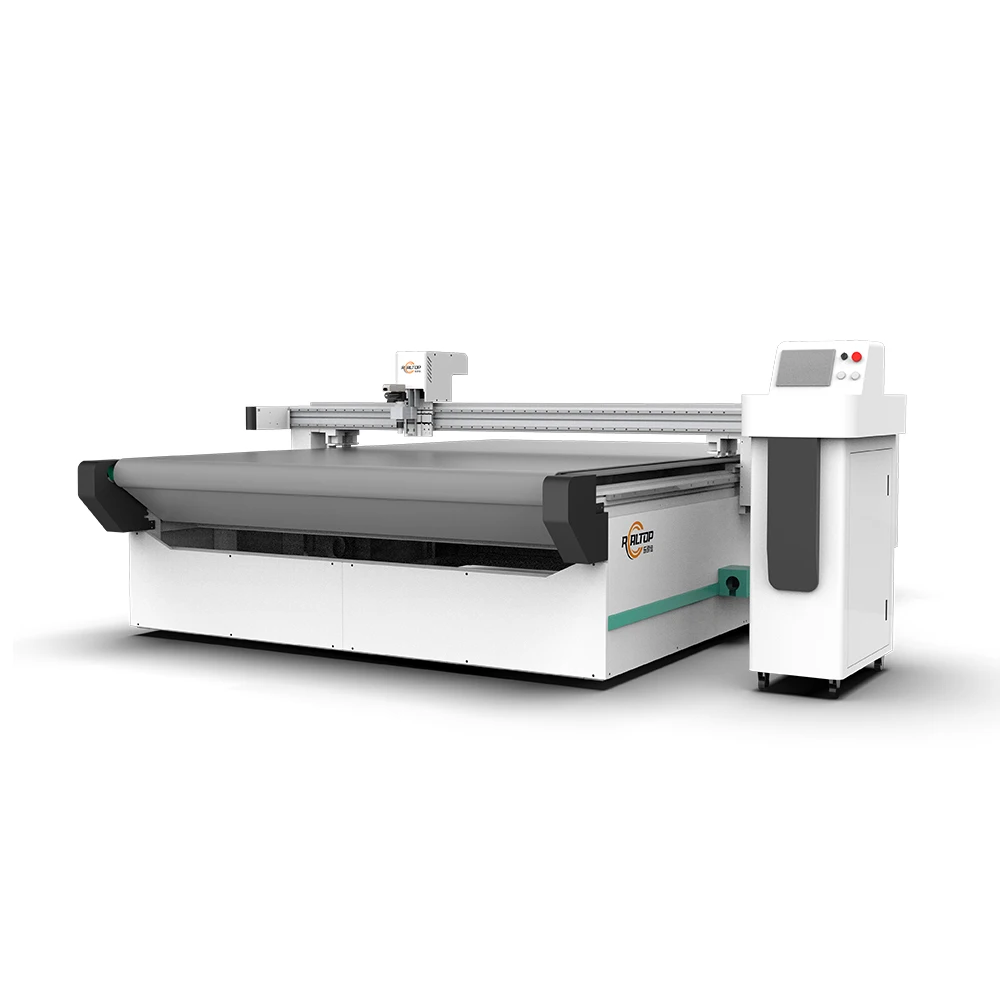
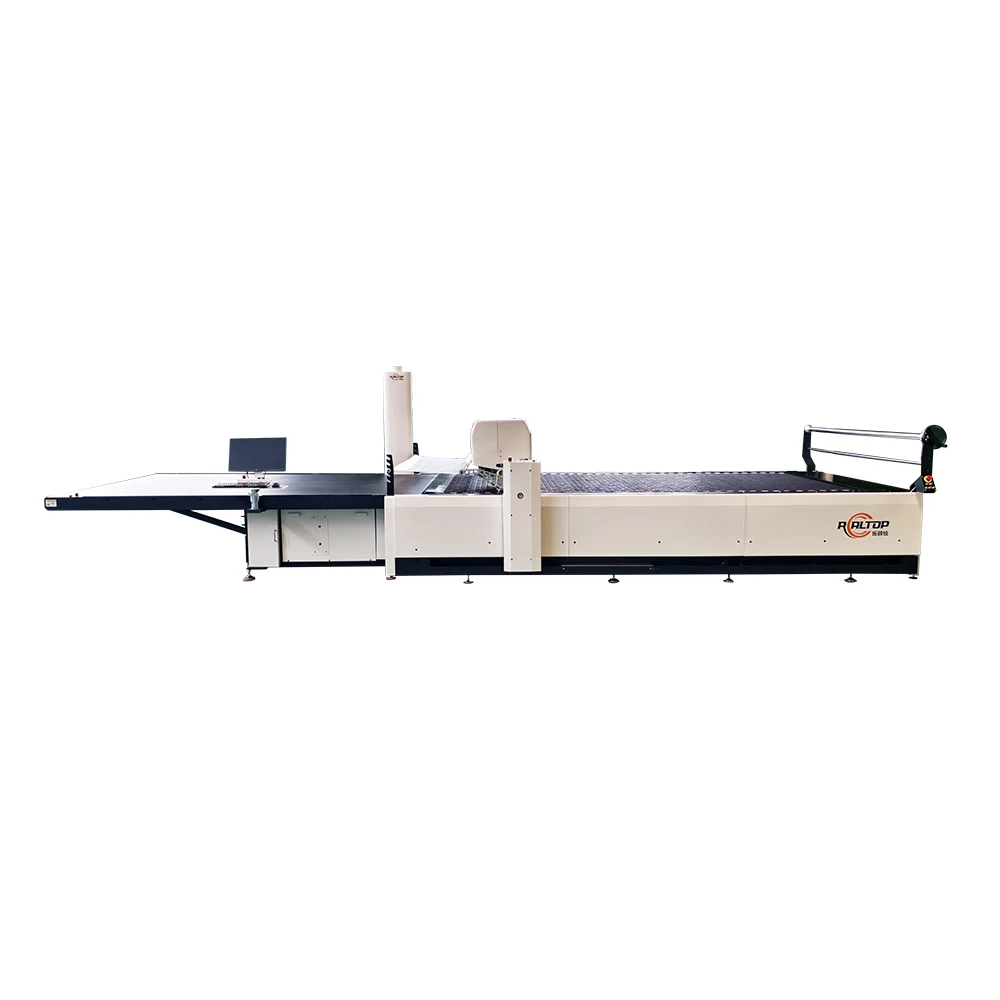
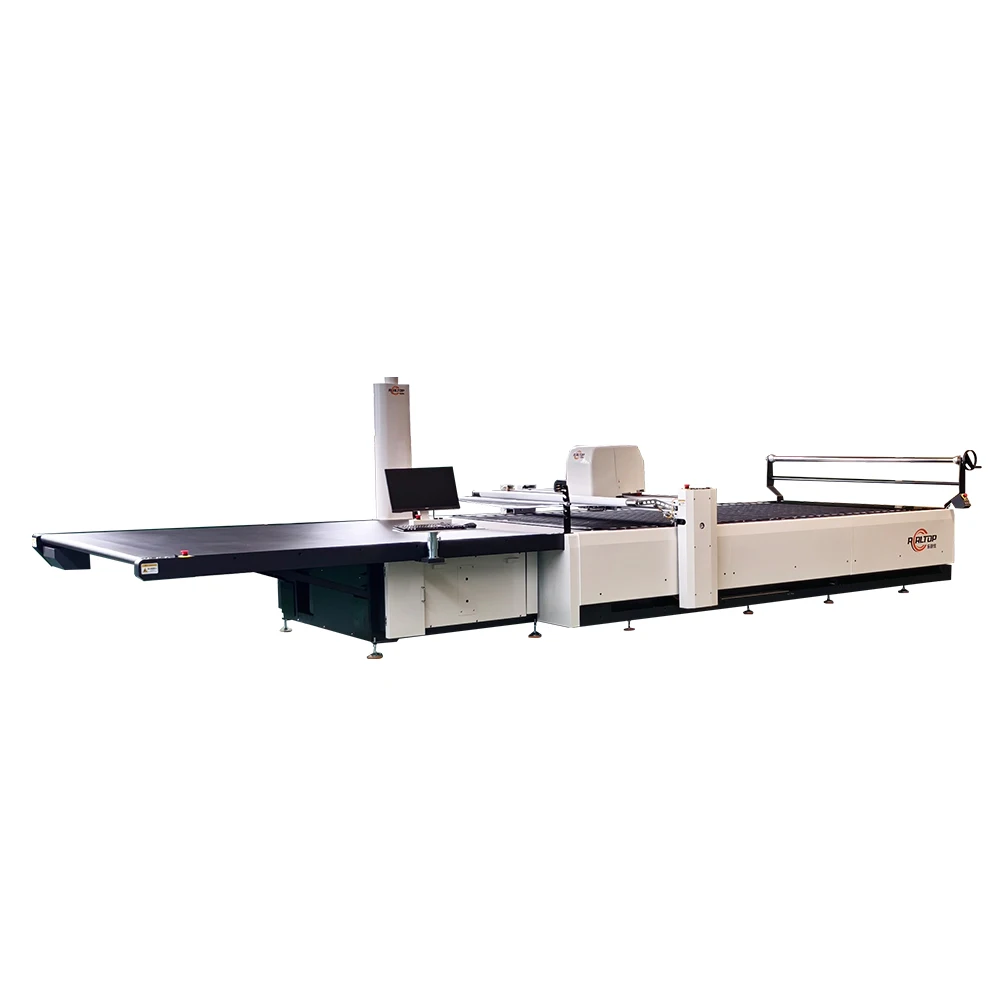
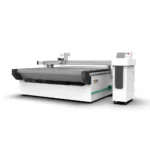
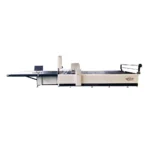
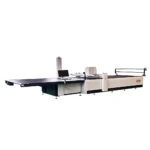
| Product Type | CNC Oscillating Knife Flatbed Cutting Machine |
| Working Area | 1600×2500 mm |
| Tool Head Options | Oscillating knife, Driven rotary knife, Creasing wheel, Kiss cutting tool, Pneumatic knife, Milling tool, V-groove knife |
| Cutting Speed | 0–2000 mm/s |
| Cutting Thickness | Up to 30 mm (basis not stated in source) |
| Positioning Accuracy | ±0.1 mm |
| Vacuum Pump | 9 kW |
| Vacuum Table | Aluminum bellows vacuum table |
| Servo Motor Options | Panasonic, Delta, Dorna |
| Control System | PLC control panel |
| File Formats | PLT, DXF, AI, PDF |
| Voltage Options | 110V, 220V, 380V |
| Software Languages | English, Russian, Italian, Chinese (customizable) |
| Nesting | Intelligent nesting with automatic defect avoidance |
| Safety | Infrared sensor device and emergency stop |
| Machine Size | 3300×2100×1350 mm |
Application Suitability
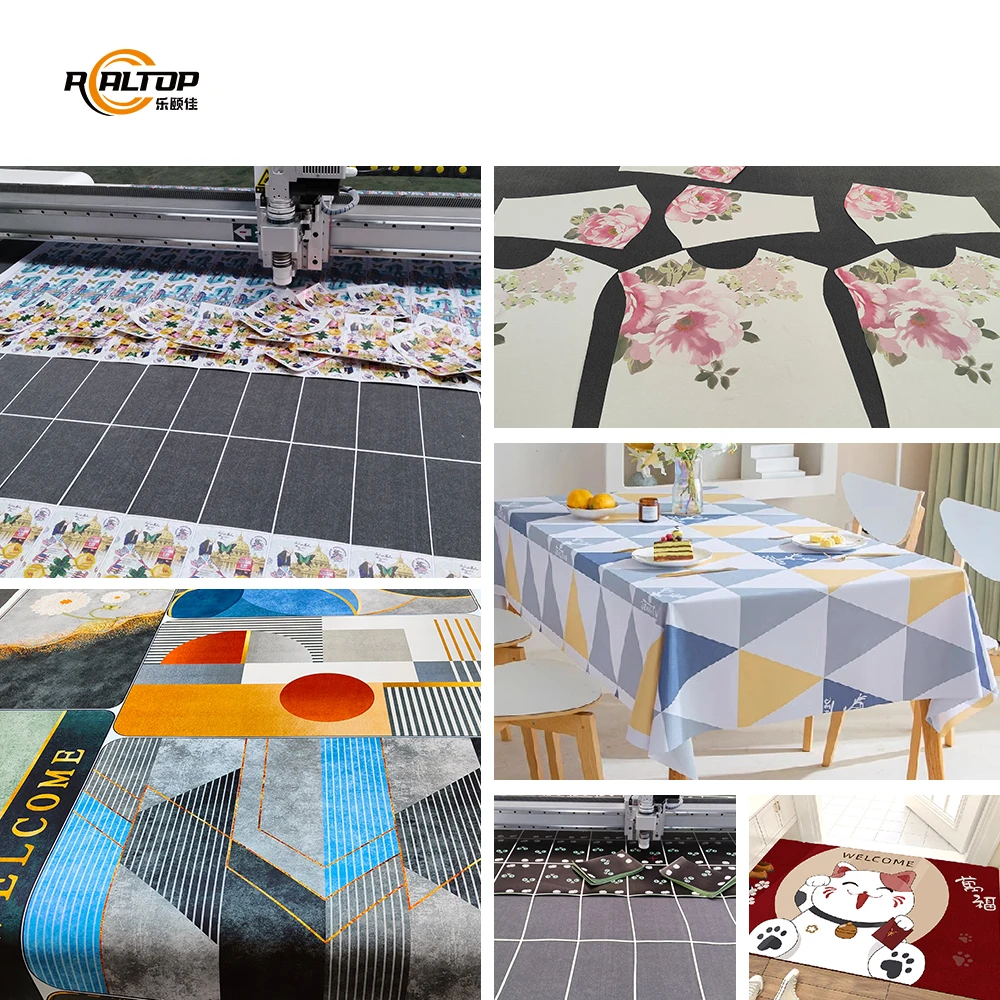
| Application | Material or Output |
|---|---|
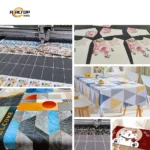
| Apparel pattern cutting | Suits, knitwear, lace, multi-layer woven fabric with pattern matching |
| Automotive interior trimming | Seat fabrics, carpets, PVC mats requiring burr-free cold-cut edges |
| Home textile production | Sofa fabrics, curtains, rugs on aluminum bellows vacuum table |
| Composite material processing | Carbon fiber prepreg, aramid sheets cut without delamination |
What "CNC Oscillating Knife Cutting Machine Specifications" Leaves Out About Your Material
A spec sheet lists thickness range, but only a sample cut on your actual roll or layup proves whether the knife drags, crushes or delaminates it.
I once watched a Chilean customer’s production line stop for two weeks because the spare blades on a prepreg cutting table were too few and the local distributor carried nothing compatible. The machine was technically within spec; the consumable supply chain was not. Buyers often focus on working area and speed, then discover mid-production that the vacuum zoning cannot hold small pattern pieces, or the tool head leaves fused edges on carbon fiber prepreg that require manual trimming [NEED_CITE: composite edge quality requirements in aerospace layup]. Those CNC oscillating knife cutting machine specifications on paper mean little until verified against your daily layup height and resin state.
How Tool Head Selection Prevents Edge Damage on Prepreg and Knits
Each material demands a different cutting action. Oscillating knife heads handle dense multi-layer stacks of woven fabric and prepreg by vibrating at high frequency to slice without dragging the resin matrix. Driven rotary knives suit single-ply knits and lace where a clean continuous cut matters more than depth. Creasing wheels and V-groove tools serve packaging sample work that runs alongside garment production. The CNC oscillating knife cutting machine specifications list seven tool options because no single blade geometry works across all these materials without compromise.
Vacuum Zoning and Why Small Pattern Pieces Stay Flat
Flexible fabrics and prepreg sheets lift during cutting if the vacuum pull is uneven or insufficient. The 9 kW pump on this flatbed feeds an aluminum bellows vacuum table designed for high flatness across the full 1600×2500 mm bed. Zones can be activated selectively so that small collar or cuff pattern pieces remain held while surrounding scrap is removed. Without proper zoning, operators tape material to the bed, slowing throughput and introducing alignment errors [NEED_CITE: vacuum table zoning practices in CNC textile cutting].
Reading the Core Parameters Beyond the Brochure
Cutting speed of 0–2000 mm/s applies to straight-line travel; actual throughput depends on contour complexity and the number of directional changes in your pattern file. Positioning accuracy of ±0.1 mm is achievable when servo motors maintain closed-loop feedback, and the available Panasonic, Delta or Dorna options let buyers match servo reliability to their production duty cycle. The PLC control panel processes PLT, DXF, AI and PDF files directly, which eliminates a separate CAM conversion step. Intelligent nesting with automatic defect avoidance reduces material waste when cutting natural hides or printed fabric where flaws must be routed around. Voltage configurability across 110V, 220V and 380V means the machine can match the buyer’s facility supply without external transformers.
The Hidden Cost of Wrong Configuration Choices
Choosing a tool head based on price rather than material behavior leads to crushed foam cores, frayed knit edges or delaminated prepreg that must be scrapped. Inadequate vacuum zoning forces operators to manually secure small pieces, introducing misalignment and slowing the nesting cycle. Ordering a machine without confirming the local voltage and plug type results in transformer costs and potential motor damage during commissioning [NEED_CITE: voltage mismatch failures in exported CNC equipment]. Software incompatibility with existing DXF or PLT workflows adds days of file conversion before the first cut is made.
Why Source This Cutter From REALTOP
In-house design covers both knife cutting and vacuum table engineering, so configuration decisions are made under one roof rather than split between integrators. Each tool head and table zone is specified against the buyer’s material sample before the order is confirmed. CCD camera contour recognition is available for printed pattern alignment, with performance verified at production speed on the buyer’s own artwork. Software language and file format compatibility are documented before shipment, not discovered during installation. Sample cutting on the buyer’s actual prepreg or fabric roll is standard, producing an edge quality report that accompanies the quotation.
Documentation & Verification
- Sample cutting report on buyer’s specific prepreg resin system and layup height
- Tool head and vacuum zone configuration list matched to quoted material
- Software licence note confirming PLT, DXF, AI and PDF import capability
- Electrical schematic with voltage and plug type confirmed for destination facility
- Factory test record showing positioning accuracy across full 1600×2500 mm bed travel
Installation, Commissioning & Support
- Floor space of 3300×2100 mm with clearance for material feed and operator access
- Dedicated electrical circuit matching confirmed 110V, 220V or 380V supply with correct plug
- 9 kW vacuum pump requires independent circuit and exhaust routing to workshop exterior
- PLC control panel calibrated on-site with buyer’s file formats and nesting parameters
- Tool head changeover training covering oscillating, rotary and creasing knife setups
- Spare blade and consumable list sized to buyer’s daily cutting volume and local supply gaps
Preparing Your Inquiry
Provide the material type, resin state if cutting prepreg, maximum layup thickness and your daily volume in sheets or pattern pieces. Specify your facility voltage and frequency, the control language your operators need, and whether your current workflow uses DXF, PLT, AI or PDF files. If your production includes printed contour cutting, include a sample of the printed mark so CCD recognition can be validated before commitment.
Frequently Asked Questions
Q: How is the correct tool head selected for my material type and thickness?
A: We review your material sample — including fabric weave, prepreg resin type and layup thickness — then run test cuts with oscillating, rotary and pneumatic knife heads. Edge quality, ply separation and cutting speed are compared, and the winning configuration is documented in your quotation so there is no guesswork at delivery.
Q: How do you confirm cutting thickness capability on my specific composite before order?
A: A sample cutting test is performed on your actual carbon fiber prepreg or fabric at the maximum thickness you plan to run. The result is recorded in a sample cutting report showing edge condition, achievable speed and any ply delamination, giving you a verified baseline before commitment.
Q: What vacuum table zoning options prevent small pattern pieces from lifting?
A: The aluminum bellows vacuum table is divided into selectable zones fed by the 9 kW pump. Zones under small pieces remain active while surrounding areas release, holding collars, cuffs and gasket profiles firmly without manual taping or mechanical clamps.
Q: Which file formats does the software support and can my existing files be imported?
A: The PLC control accepts PLT, DXF, AI and PDF formats natively. Before order, we request a sample of your current production files and confirm successful import, nesting and toolpath generation. A software compatibility note is included in your documentation package.
Q: What voltage and control language options are confirmed before shipment?
A: Voltage is configurable to 110V, 220V or 380V to match your facility. Plug type and control panel language — from English, Russian, Italian, Chinese or other options — are confirmed during the specification review and documented on the electrical schematic before dispatch.


商品评价
Clear filtersThere are no reviews yet.