

Fast Shipping
Carrier information

20k products
Payment methods

24/7 Support
Unlimited help desk

2-day Delivery
Track or off orders
Material-specific tooling — in-house knife cutting design allows the tool head and vacuum layout to be matched to the buyer’s actual fabric, foam or composite rather than relying on a single default setup.
Technical Specifications
| Parameter | Value |
|---|---|
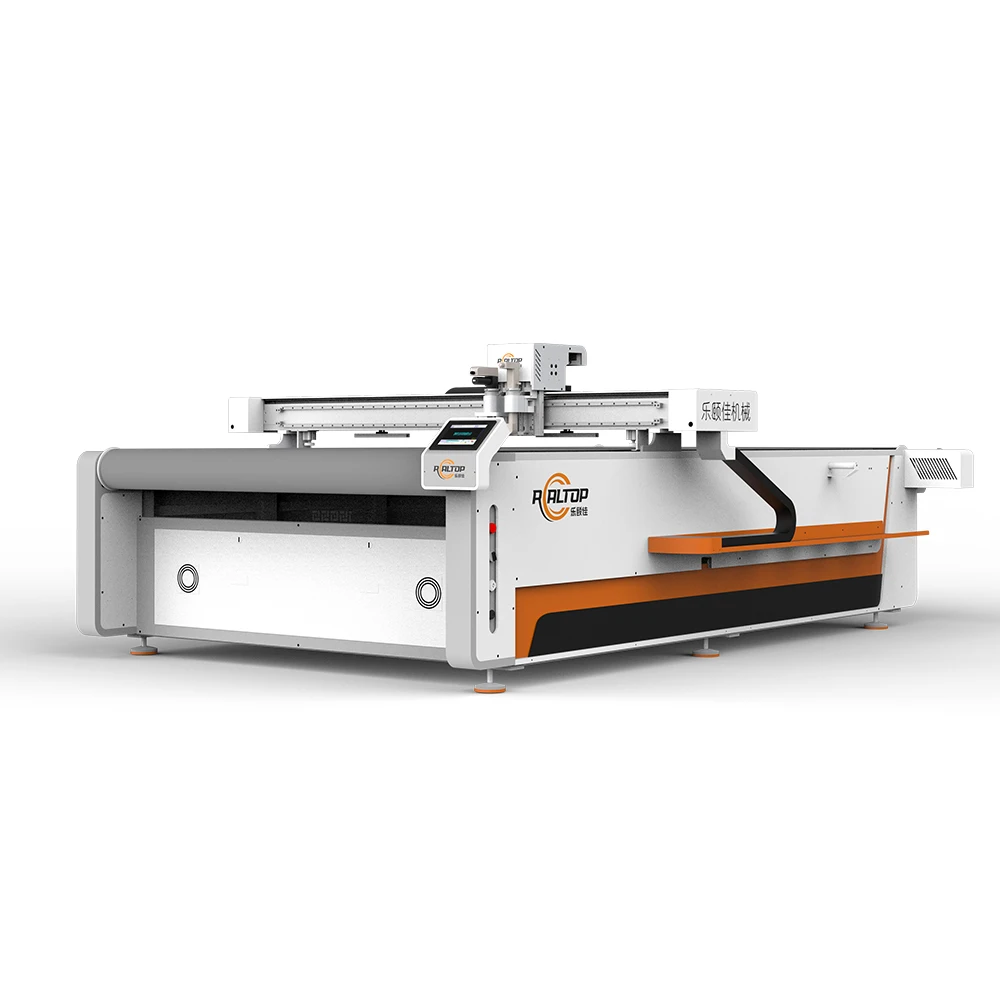
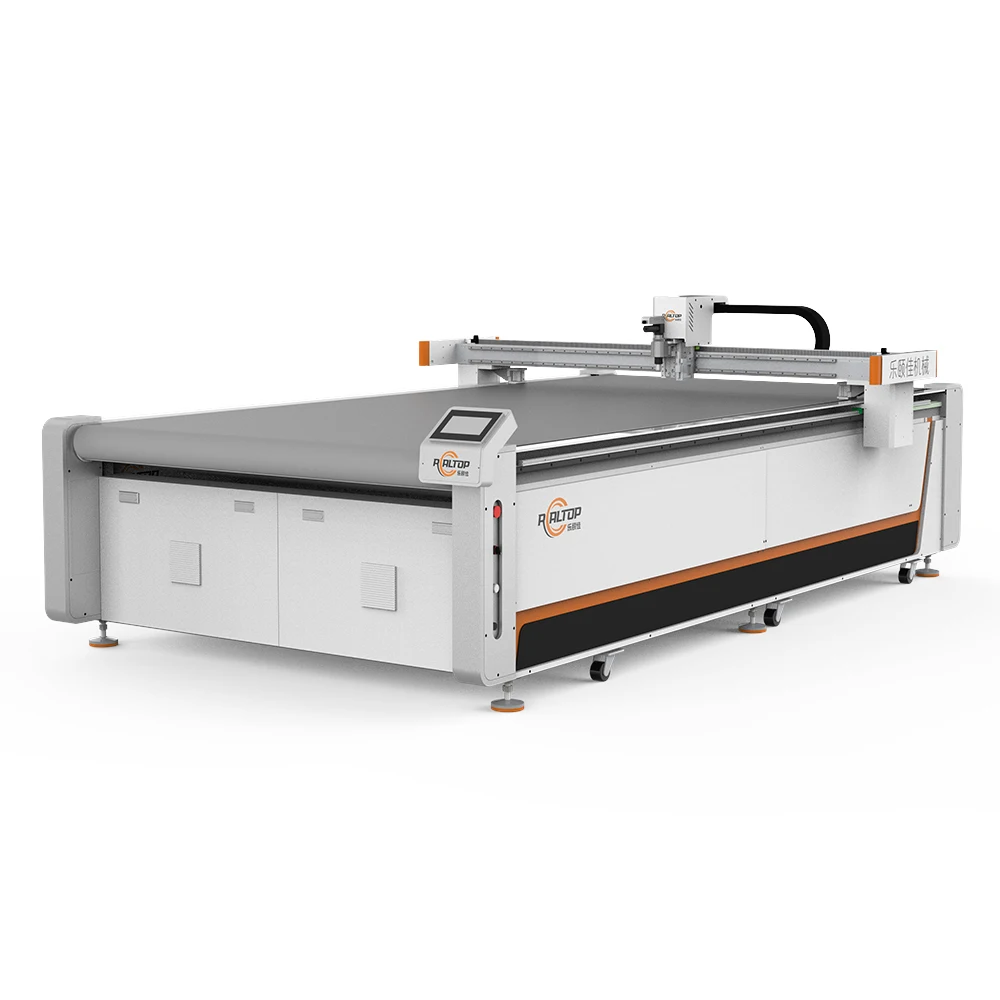
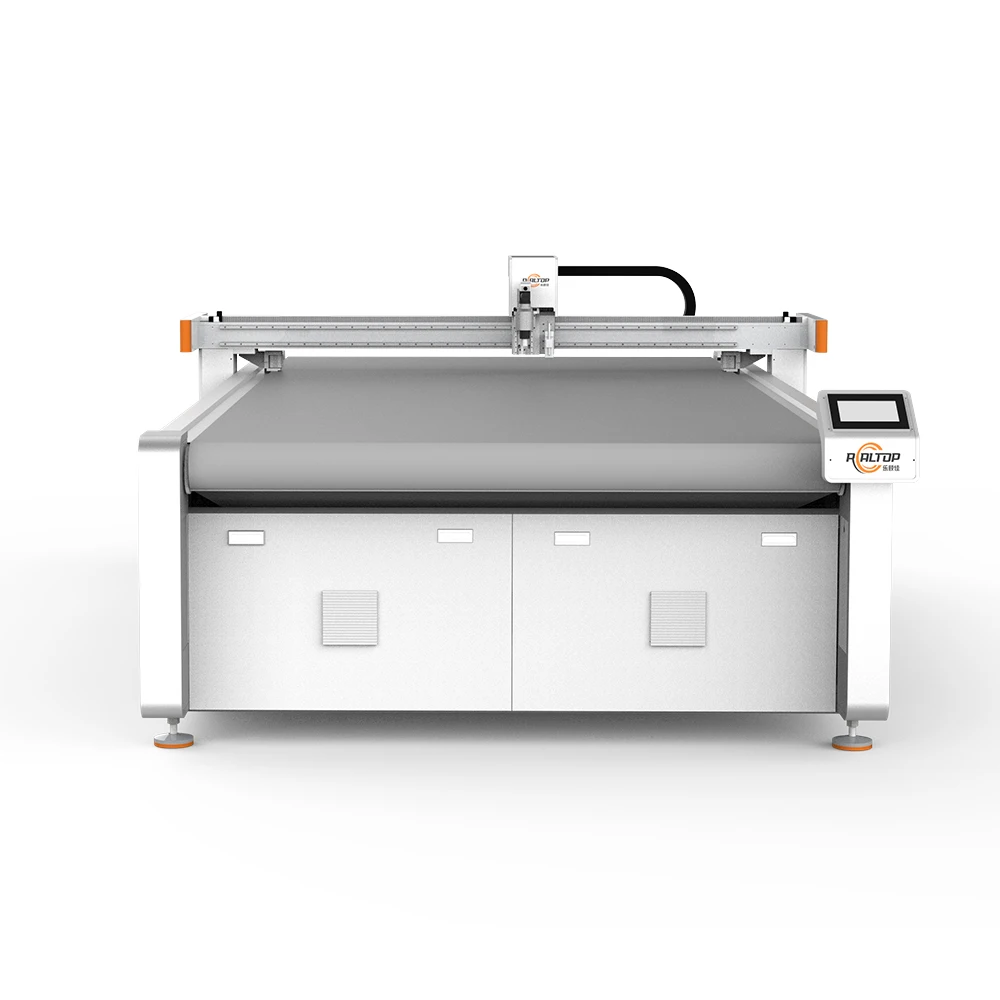
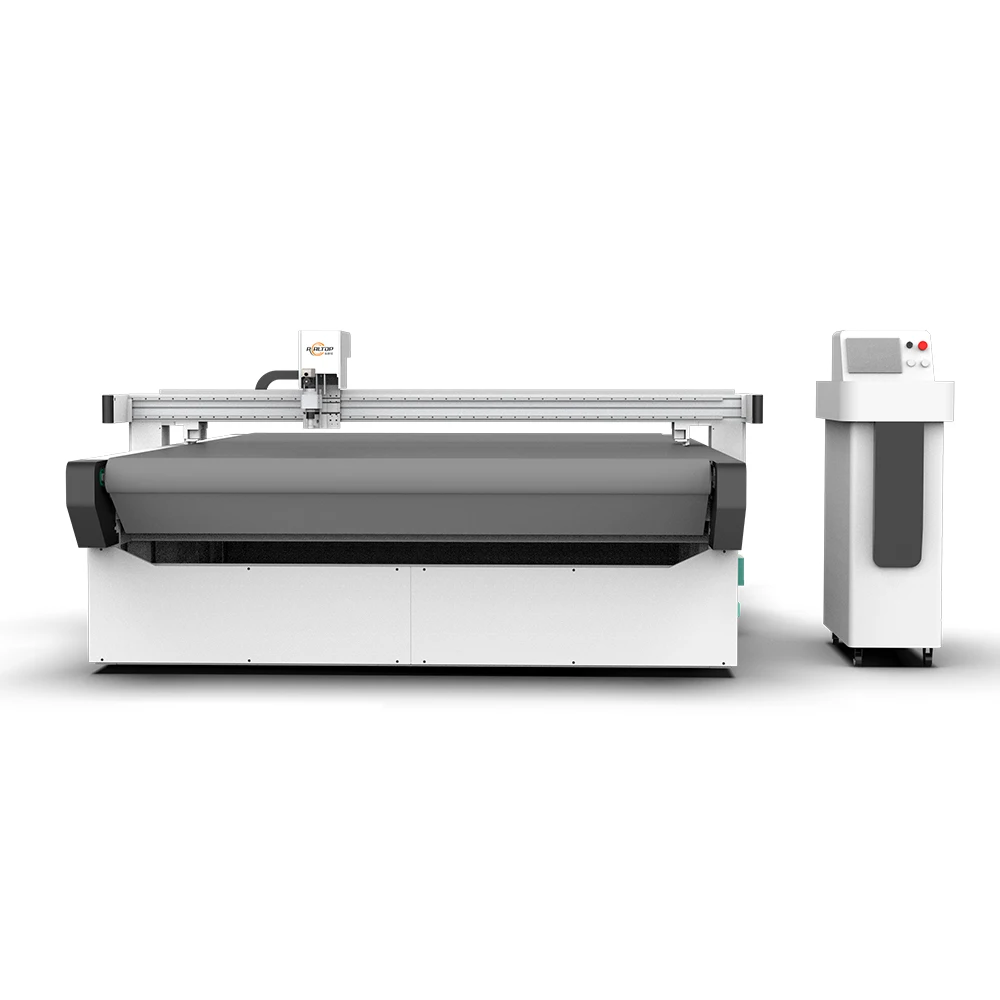
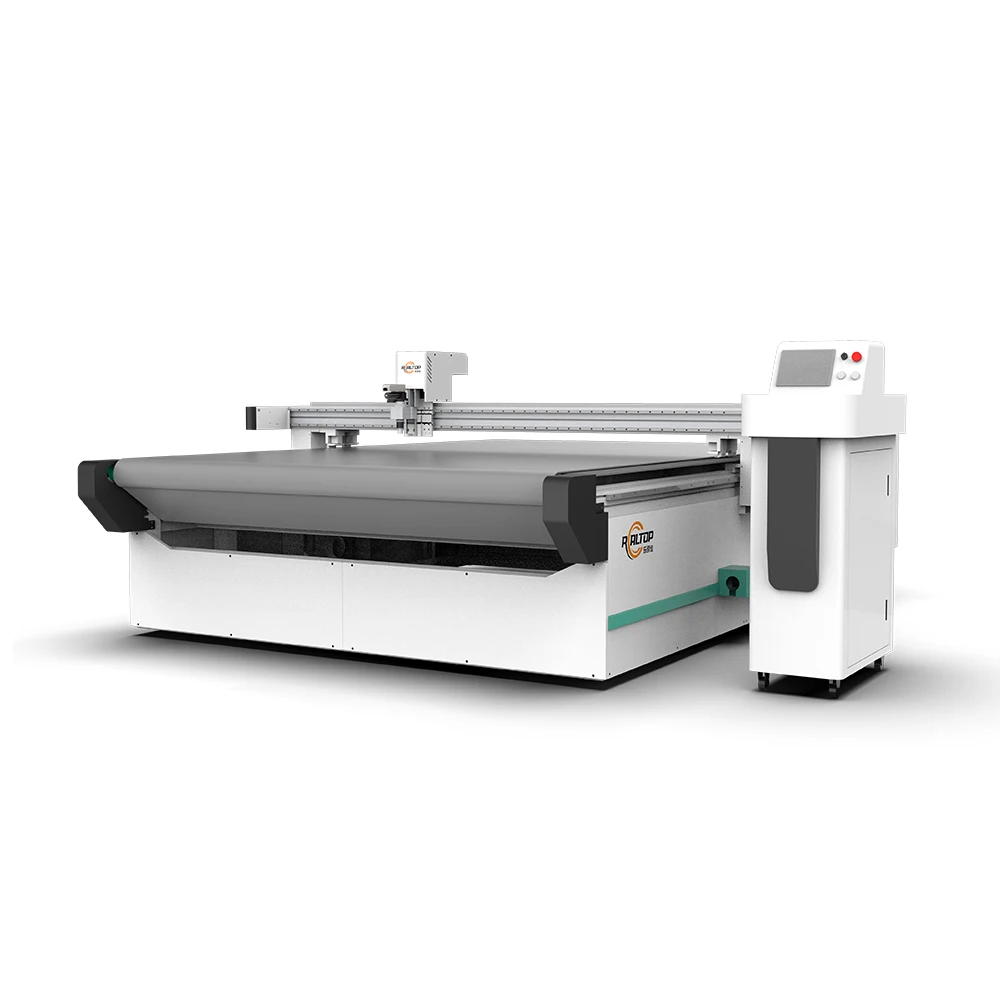
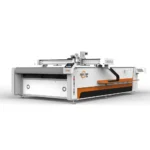
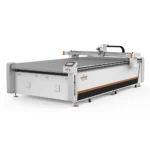
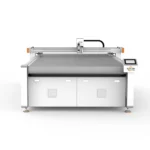
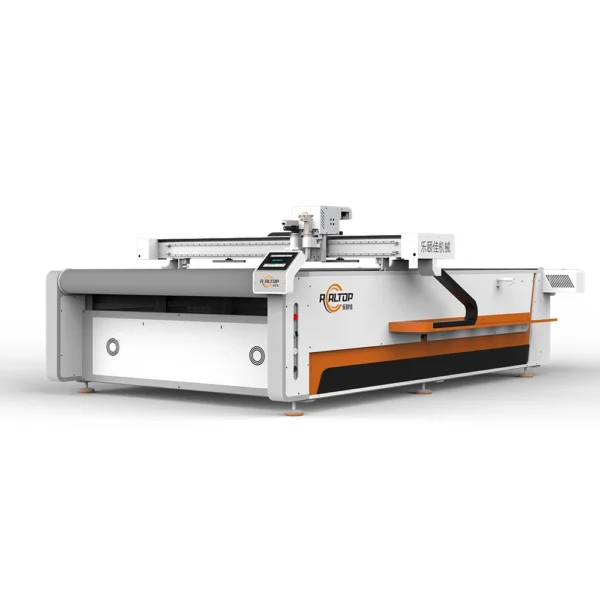
| Product Type | CNC Oscillating Knife Fabric Cutting Machine |
| Working Area | 1600×2500 mm |
| Tool Head Options | Oscillating knife, Driven rotary knife, Creasing wheel, Kiss cutting tool, Pneumatic knife, Milling tool, V groove knife |
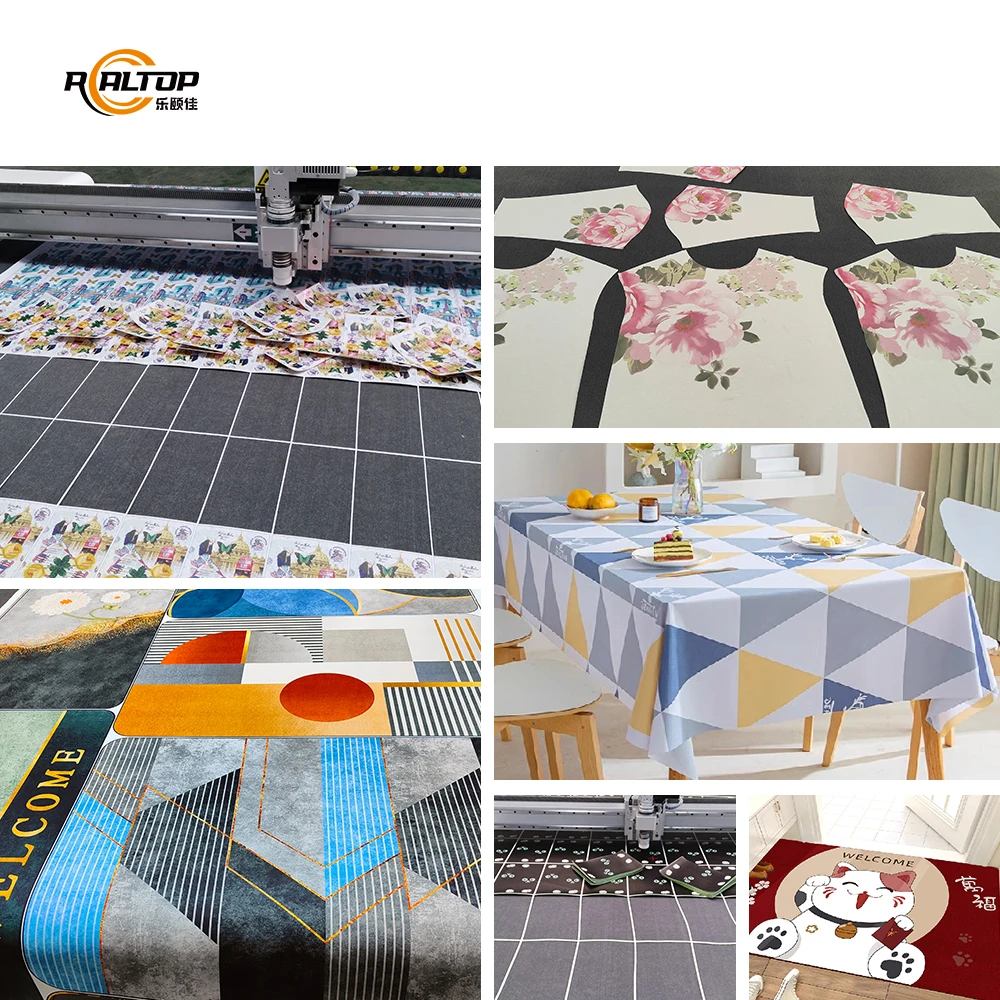
| Applicable Materials | Fabric, Cardboard, Carton, Mats, PVC, EVA, Leather, Acrylic, Foam, PTFE, Rubber |
| Cutting Speed | 0–2000 mm/s |
| Cutting Thickness | ≤ 30 mm |
| Cutting Accuracy | ±0.1 mm |
| Repeat Positioning Accuracy | ±0.1 mm |
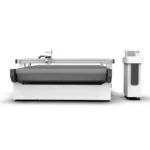
| Vacuum Pump Power | 9 kW |
| Vacuum Table | Aluminum bellows construction with full-surface adsorption |
| Voltage Options | 110V, 220V, 380V |
| Supported File Formats | PLT, DXF, AI, PDF |
| Safety Devices | Infrared sensor device, emergency stop device |
| Machine Dimensions (L×W×H) | 3300×2100×1350 mm |
| Servo Motor Brands | Panasonic, Delta, Dorna (availability to be confirmed per order) |
| Control System | PLC control panel with optional display languages |
| Language Options | English, Russian, Italian, Chinese (custom languages available) |
| Certification | CE |
Application Suitability
| Application | Material or Output |
|---|---|
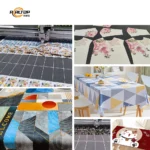
| Apparel manufacturing | Suits, knitwear, lace, pattern-matching fabric layouts |
| Automotive interiors | Seat fabrics, carpets, PVC floor mats |
| Home textiles | Sofa fabrics, curtains, multi-layer rug cutting |
| Composite material processing | Carbon fiber prepreg, aramid fabrics without delamination or thermal deformation |
How Tool Head Selection Determines Edge Quality on Fabric and Foam
A cutting table specified only by working area will fail the moment the material changes from light cotton to coated polyester or closed-cell foam.
When a buyer focuses on bed size and ignores the tool head, the machine may physically fit the sheet but produce ragged edges on woven textiles or compress foam layers beyond recovery. I have walked through workshops where an oscillating knife was the only head installed, leaving operators unable to achieve clean cuts on multi-layer technical fabrics or PVC automotive mats. The tool head must be selected after the material is known, not assumed from a brochure [NEED_CITE: tool head selection criteria for flexible material cutting]. This is where reviewing CNC oscillating knife cutting table specifications before the order prevents weeks of downtime and material waste.
Interchangeable Tool Head System for Fabric Variability
The machine supports seven distinct tool heads including an oscillating knife for general textiles, a driven rotary knife for heavy woven and coated materials, and a pneumatic knife for thick foam stacks. A creasing wheel handles cardboard and carton sample making, while the kiss cutting tool scores vinyl without penetrating the backing. This interchangeability means a garment factory cutting both lightweight knitwear and multi-layer upholstery fabric can swap heads without moving to a different machine. The V groove knife and milling tool extend capability into gasket and packaging applications, giving the production floor flexibility that a single-purpose cutter cannot match.
Vacuum Table Zoning and Small Part Stability
A 9 kW vacuum pump paired with an aluminum bellows table delivers full-surface adsorption across the 1600×2500 mm bed. The aluminum construction resists warping under continuous vacuum load, which is critical when cutting small pattern pieces such as collar stays, pocket flaps or automotive gasket segments that tend to lift during high-speed passes. Operators working with lightweight silk or loose-weave fabrics benefit from even suction distribution that holds the material flat without distortion. Proper vacuum zoning directly affects whether the ±0.1 mm cutting accuracy translates into usable parts or scrap [NEED_CITE: vacuum adsorption principles in CNC flatbed cutting].
Reading the Specification Sheet Against Your Production Reality
The 0–2000 mm/s cutting speed range is only achievable when the material thickness, tool head and vacuum hold-down are correctly aligned. A driven rotary knife cutting single-layer denim will reach the upper end of that range, while an oscillating knife working through 30 mm of bonded foam will operate at a fraction of it. The ±0.1 mm cutting and repeat positioning accuracy ensures that nested pattern pieces — especially in apparel where seam allowances are tight — remain within tolerance across the entire bed. File format support for PLT, DXF, AI and PDF means existing nesting workflows can be imported without conversion through an intermediate CAD system, reducing the gap between design and cut.
The Hidden Cost of Specifying by Bed Size Alone
Ordering a cutting table based on working area without confirming the material thickness and tool head leads to production stalls once real orders arrive. I once saw a garment workshop receive a machine configured only with a standard oscillating knife, then discover their main production run involved coated polyester that required higher down-force and a driven rotary head. The tool seat had to be swapped and recalibrated, delaying output for over two weeks. Buyers who skip the sample cutting step on their own production material risk discovering incompatibility only after the machine is bolted to the floor [NEED_CITE: material testing protocols for CNC cutting equipment].
Why Source This Configuration Here
In-house design covering both knife and laser cutting technologies means the buyer can match the cutting method to the material rather than forcing a single approach across all fabrics. Tool head and table configuration are specified per material and production volume, documented in a configuration list before production begins. CCD camera positioning is available for printed contour work, aligning cuts to registration marks on dyed or sublimated textiles. Software compatibility and file format import are confirmed before the order is finalized, avoiding the situation where nesting files cannot be read on the factory floor. Voltage, control language and plug type are locked to the target market’s electrical standards before shipment.
Documentation & Verification
- Machine specification sheet listing confirmed tool head and vacuum table configuration
- Electrical schematic with voltage and frequency matched to destination market
- Sample cutting report produced on buyer’s own fabric or composite material
- Factory test record documenting accuracy verification across the full working area
- Software licence and file format compatibility note for PLT, DXF, AI, PDF import
- Spare parts list covering blades, vacuum seals and consumable wear items
Installation, Commissioning & Support
- Floor space of at least 3300×2100 mm plus operator clearance on three sides required
- Dedicated electrical circuit matching confirmed voltage option (110V, 220V or 380V) with correct plug type
- Machine arrives as a single frame unit requiring gantry and tool head assembly on site
- First-run calibration includes vacuum pressure verification and cutting accuracy test across the 1600×2500 mm bed
- Operator training covers tool head changeover, PLC language setting and emergency stop procedures
- Consumable blade inventory and vacuum seal replacement schedule provided at handover
Preparing Your Inquiry
Send the exact material type, thickness and maximum sheet size you plan to cut, along with your daily volume target. Specify the local voltage and frequency standard and your preferred control panel language. If you run an existing nesting workflow, provide a sample DXF or PLT file so software compatibility can be verified before quotation. Requesting sample cutting on your own production material before commitment eliminates the most common source of post-delivery disputes.
Frequently Asked Questions
Q: How do I choose the correct tool head for my fabric type and thickness?
A: The tool head depends on material density, weave structure and layer count. Woven and coated fabrics typically require a driven rotary knife, while standard knits and foams use an oscillating knife. Submit your production material for a sample cutting test, and the configuration list will specify the recommended head, blade type and cutting parameters before order confirmation.
Q: Will the vacuum table hold small pattern pieces securely during cutting?
A: The aluminum bellows vacuum table provides full-surface adsorption across the 1600×2500 mm bed, which is designed to prevent small pieces such as collar stays and gasket segments from lifting. Vacuum performance depends on material porosity, so testing with your actual fabric confirms whether the standard zoning meets your nesting layout requirements.
Q: Which voltage and plug configuration is confirmed before shipment?
A: Voltage options include 110V, 220V and 380V, with plug type and control panel language confirmed during the specification stage. The electrical schematic is reviewed with the buyer before production begins, ensuring compliance with the destination market’s wiring standards and eliminating on-site electrical rework.
Q: Can the software import my existing DXF and PLT nesting files?
A: The control system supports PLT, DXF, AI and PDF file formats. Software compatibility and nesting workflow import are verified before order placement using a sample file from the buyer, ensuring that existing design data transfers without conversion loss or geometry distortion on the cutting bed.
Q: Is sample cutting on my own material available before commitment?
A: Yes. Buyers are encouraged to send production material for a sample cutting test before the order is finalized. The sample cutting report documents tool head selection, cutting speed, edge quality and accuracy on your specific fabric, providing a basis for the configuration list that accompanies the machine order.


商品评价
Clear filtersThere are no reviews yet.