



Fast Shipping
Carrier information

20k products
Payment methods

24/7 Support
Unlimited help desk

2-day Delivery
Track or off orders
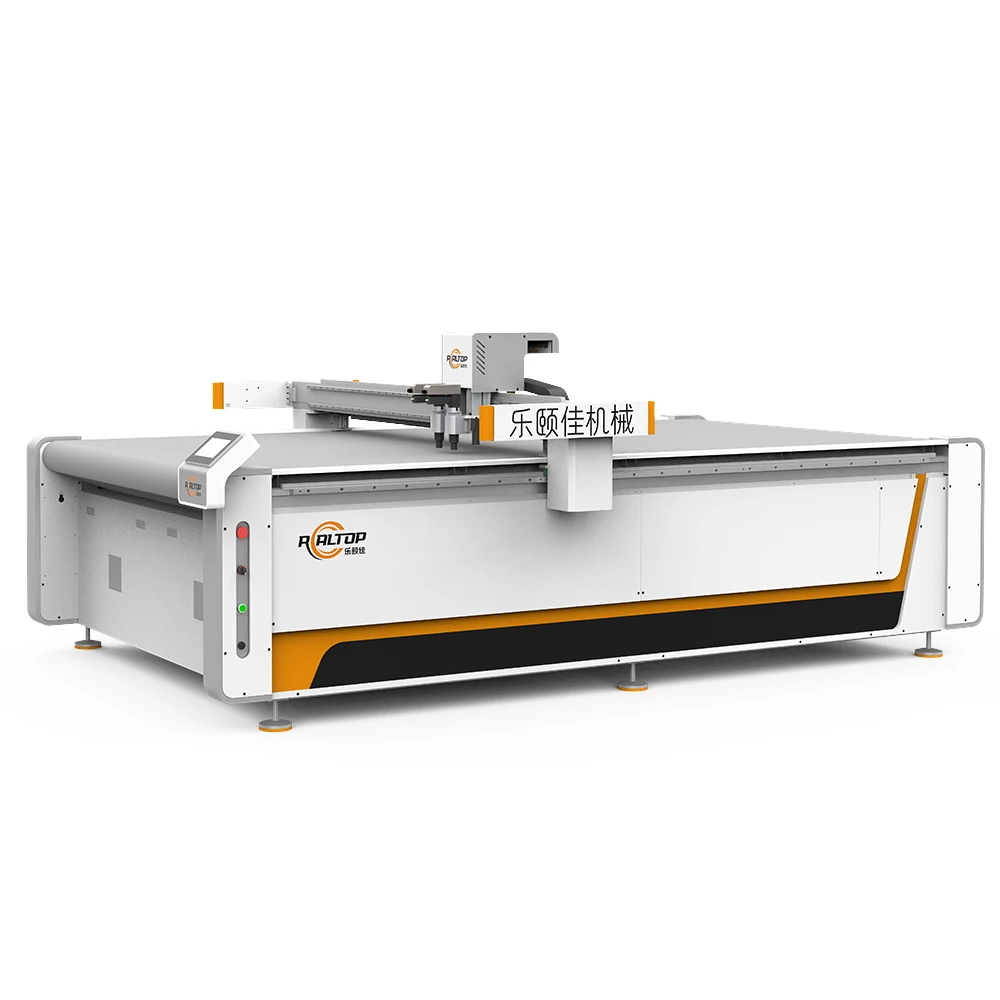
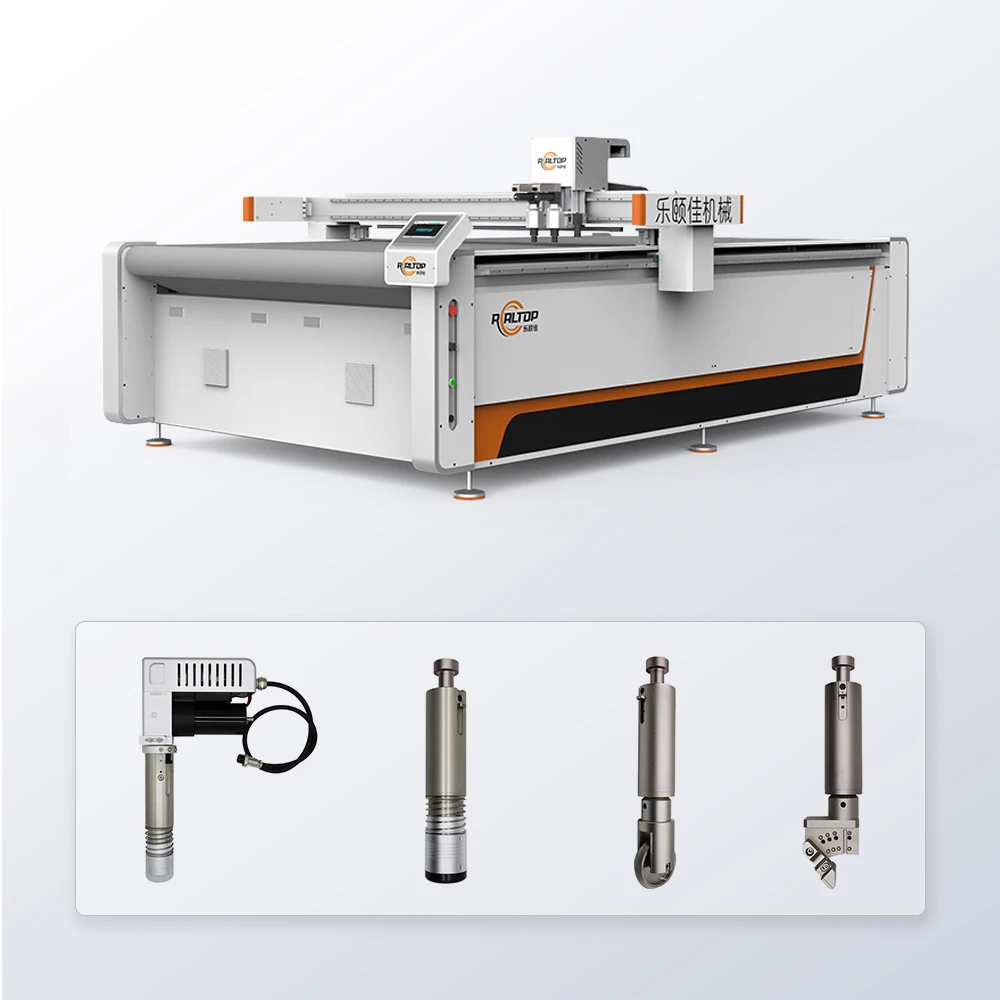
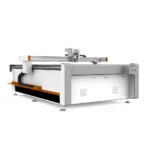
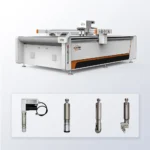
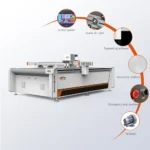
Material-Matched Tooling — oscillating knife, creasing wheel and V-groove heads are selected against your actual corrugated flute profile before the 1625 CNC oscillating knife cutting machine leaves the factory, not swapped on the workshop floor after delivery.
Technical Specifications
| Parameter | Value |
|---|---|
| Product Type | CNC Oscillating Knife Cutting Machine |
| Model | 1625 |
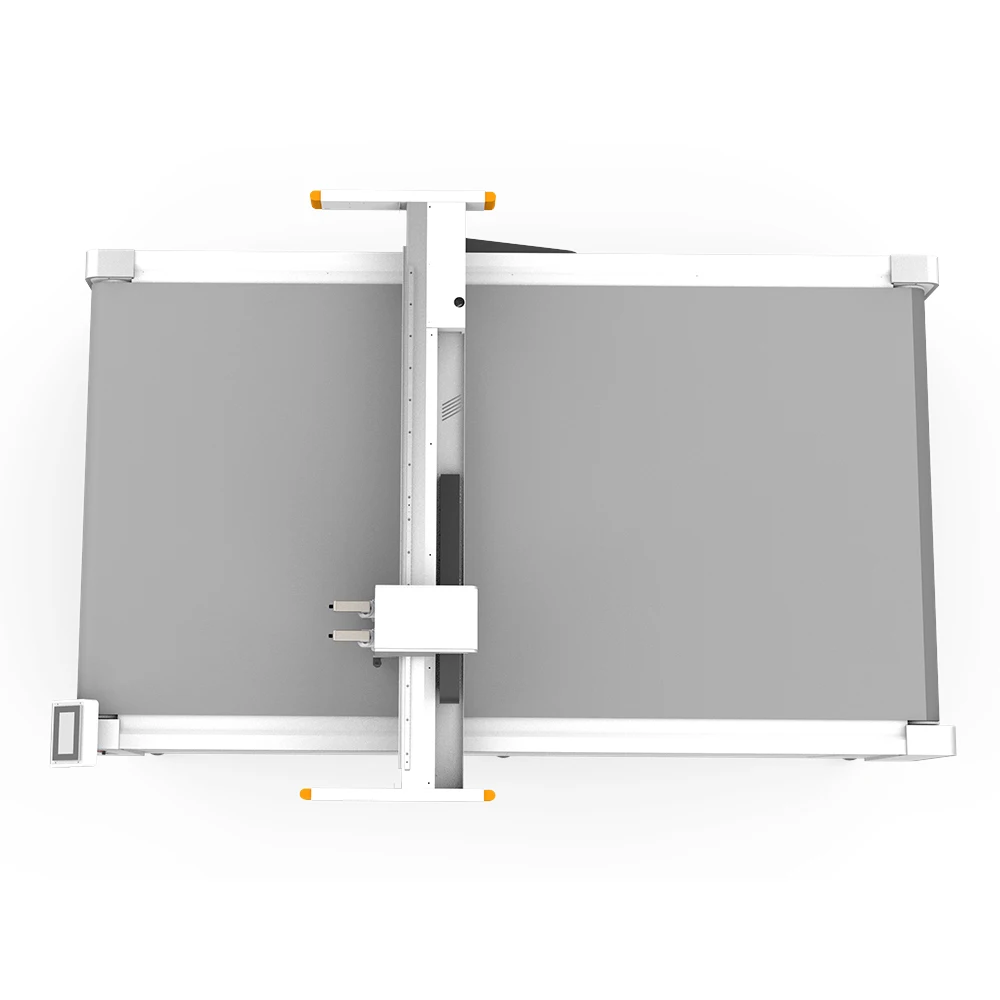
| Working Area | 1600×2500 mm |
| Tool Head Options | Oscillating knife, Driven rotary knife, Creasing wheel, Kiss cutting tool, Pneumatic knife, Milling tool, V groove knife |
| Applicable Materials | Fabric, Cardboard, Carton, Mats, PVC, EVA, Leather, Acrylic, Foam, PTFE, Rubber |
| Cutting Speed | 0-1500 mm/s |
| Cutting Thickness | ≤ 40 mm |
| Cutting Accuracy | ±0.1 mm |
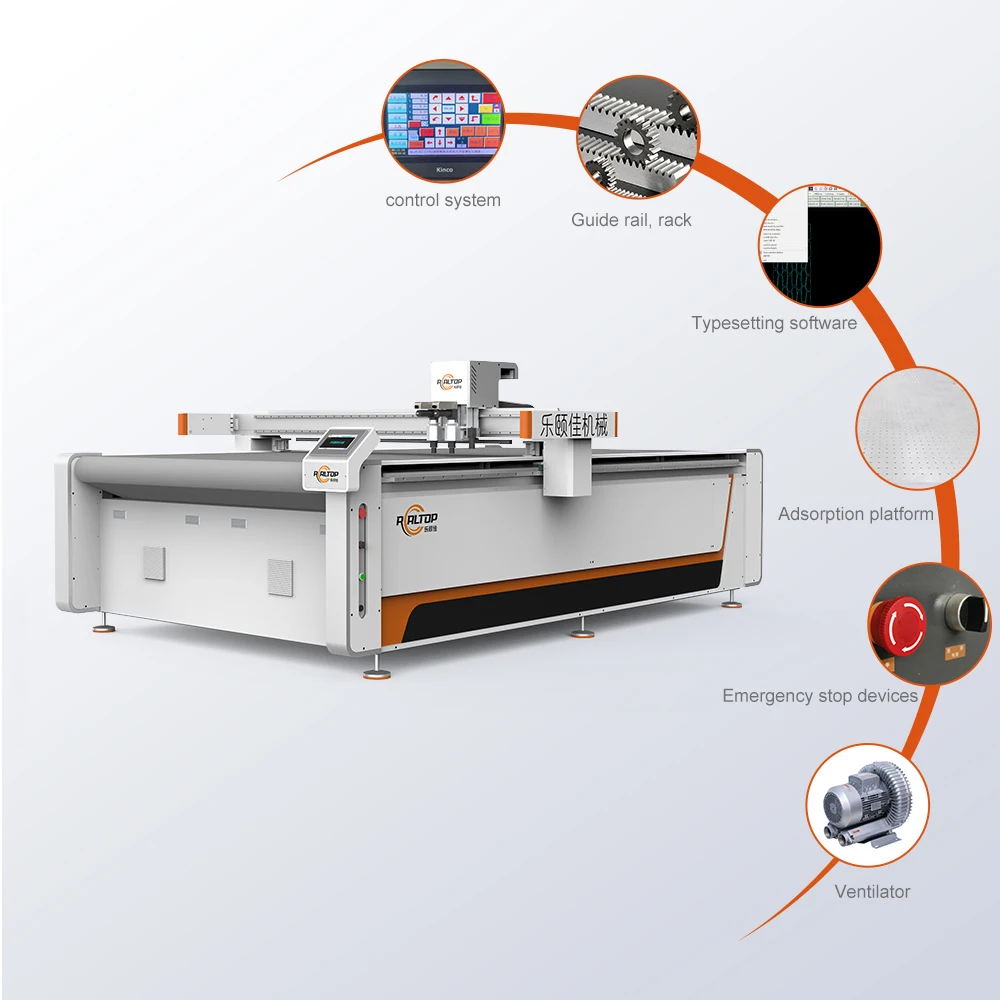
| Vacuum Pump | 9 kW |
| Vacuum Table | Aluminum bellows vacuum table |
| Control System | PLC control panel (source value — verify against manufacturer catalog) |
| Servo Motors | Panasonic, Delta, Dorna (source value — verify against manufacturer catalog) |
| Voltage | 110V, 220V, 380V |
| Profile Format | PLT, DXF, AI, PDF |
| Software Language Options | English, Russian, Italian, Chinese (customizable) |
| Safety Device | Infrared sensor device and emergency stop device |
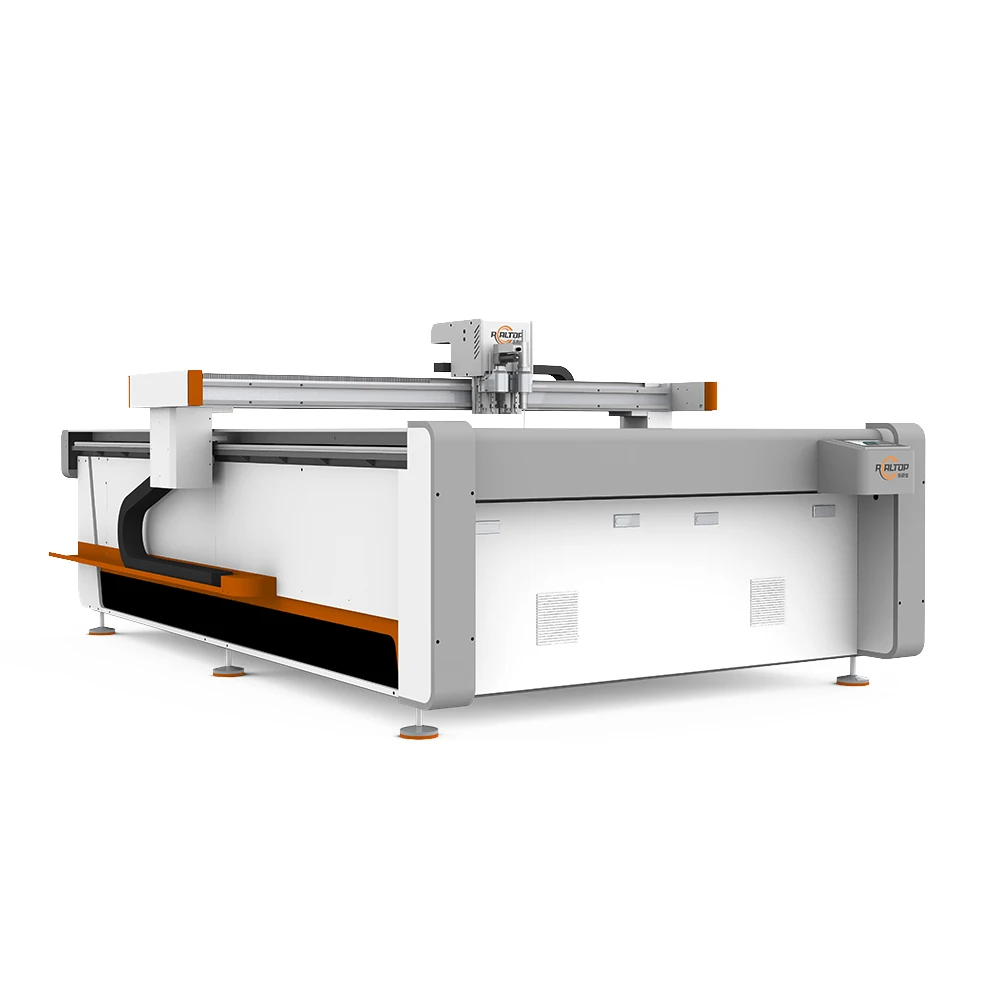
| Machine Size | 3300×2100×1350 mm |
| Standards | CE (implied from certification photo) |
Application Suitability
| Application | Material or Output |
|---|---|
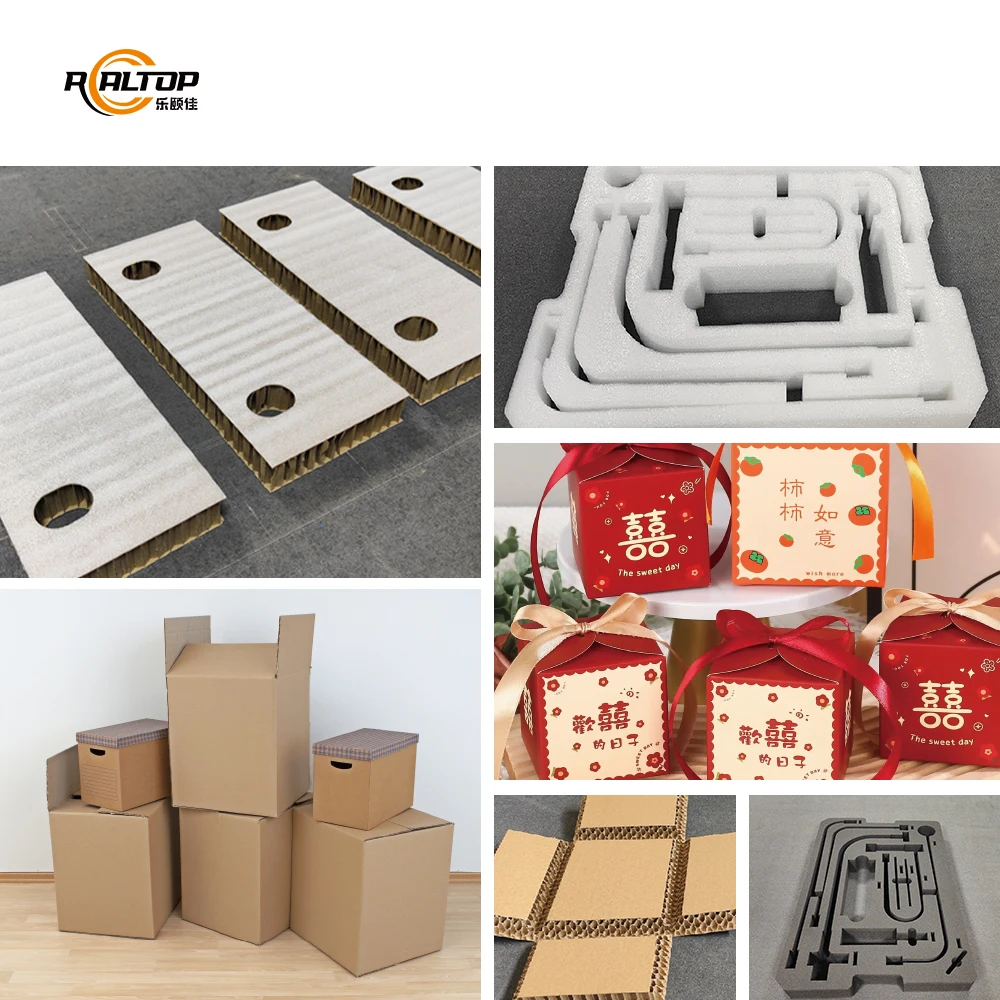
| Corrugated carton sample making | E-flute, B-flute and BC-flute corrugated board |
| Greyboard and cardstock packaging | Greyboard, art paper, specialty paper |
| Protective inner packaging | EVA, EPE, PU foam sheets |
| Short-run retail box production | Adhesive-backed materials, thin PVC/PET sheets |
| Gasket and seal prototyping | Rubber mats, PTFE, composite materials |
| Leather and textile accessories | Leather, synthetic leather, velvet, fleece, non-woven fabric |
Why "Working Area" Is the Wrong Starting Point for CNC Oscillating Knife Cutting Machine Specifications
A machine sold on bed size alone will fail the moment your stock changes from three-layer E-flute to five-layer BC-flute.
I spent years adjusting knife heads on assembly benches, and the pattern is always the same. A packaging house buys a flatbed cutter because the 1600×2500 mm working area fits their sheet, then discovers during the first production run that the standard oscillating knife leaves crushed edges on double-wall board or that the vacuum table cannot hold small partition pieces at full cutting speed. The CNC oscillating knife cutting machine specifications sheet looked correct, but nobody validated tool head selection, vacuum zoning or board hold-down against the actual flute type and grammage [NEED_CITE: common causes of edge compression on multi-wall corrugated board]. Buyers end up re-cutting sheets by hand or scrapping entire batches before they realize the configuration was wrong from day one.
Matching Tool Heads to Flute Profile and Board Weight
The 1625 platform supports seven tool positions including oscillating knife, driven rotary knife, creasing wheel, kiss cutting tool, pneumatic knife, milling tool and V groove knife. Each head addresses a different stage of carton converting. An oscillating knife handles single-face and E-flute cleanly at high speed, while a pneumatic knife provides the downward force needed for B-flute and BC-flute without compressing the flute structure. Creasing wheels score fold lines without cutting through the liner, and V groove knives produce chamfered edges for rigid box construction. The configuration must be locked to your most demanding regular stock, not your lightest sample sheet.
Vacuum Table Zoning and Small-Part Hold-Down
The aluminum bellows vacuum table on this CNC oscillating knife cutting machine delivers a flat sealing surface that maintains suction across the full 1600×2500 mm bed. For carton sample making, where a single sheet may contain dozens of small partition or insert shapes, the table must hold each piece firmly until the knife completes its path. Insufficient vacuum zoning causes material lift, which shifts the cut line and produces mismatched scores and slots [NEED_CITE: vacuum table zoning requirements for flatbed digital cutters]. The 9 kW vacuum pump provides the airflow volume needed to maintain grip on porous corrugated stock, but the zone layout must be confirmed against your typical nesting pattern before the machine ships.
What the Numbers on the Spec Sheet Actually Mean
Cutting accuracy of ±0.1 mm matters most when scores and slots must align across a folded carton — a deviation that accumulates over a long crease line will produce a box that does not close square. The 0-1500 mm/s cutting speed range is achievable on thin cardstock and single-face board; denser multi-wall corrugated requires a slower feed to prevent delamination. PLC control with Panasonic, Delta or Dorna servo options means motion response can be tuned during commissioning to match the vibration frequency of the selected knife head. File format support for PLT, DXF, AI and PDF allows direct import from packaging structure design software without intermediate conversion, which eliminates contour errors introduced by format translation [NEED_CITE: file format compatibility in packaging CAD workflows].
The Cost of Skipping Material Validation
When a buyer commits to a configuration based on a sample cut done on standard greyboard, then switches to five-layer corrugated for production, the oscillating knife may n*ppear on the bottom liner, crease lines misalign with slot positions, and the vacuum table loses grip on small cut pieces at production speed. The machine is not defective — it was configured for the wrong material. Correcting this after shipment means ordering additional tool heads, re-commissioning vacuum zones and re-running nesting tests, all while production deadlines slip [NEED_CITE: cost of post-delivery reconfiguration on CNC flatbed cutters].
Why Sourcing This CNC Oscillating Knife Cutting Machine Here Makes Sense
The design team engineers both knife and flatbed platforms in-house, so the 1625 is not a generic frame with bolted-on third-party heads. Tool head selection is specified per material and production volume, not left as an afterthought. CCD camera contour recognition can be integrated for printed carton work where the knife must follow registered marks rather than theoretical coordinates. Software compatibility is confirmed before the order is placed — your existing PLT or DXF packaging structure files are tested against the nesting workflow. Voltage, plug type and control panel language are locked to your facility requirements before the machine enters final assembly.
Documentation & Verification
- Machine specification sheet listing all confirmed tool heads and vacuum zone layout
- Electrical schematic with voltage and frequency matched to your facility supply
- Tool head and table configuration list specifying knife type per flute profile
- Sample cutting report on your own corrugated board stock before dispatch
- Software licence and file format compatibility note for your CAD workflow
- CE declaration and factory test record documenting accuracy verification
Installation, Commissioning & Support
- 3300×2100×1350 mm machine footprint requires level concrete floor with clearance for sheet loading on both long sides
- 9 kW vacuum pump plus servo drives require dedicated circuit matching confirmed 110V, 220V or 380V supply
- Machine ships partially assembled; gantry and tool head carriage require on-site alignment and belt tensioning
- First-run commissioning includes cutting speed and knife frequency tuning against your specified board weight range
- Operator training covers tool head changeover, vacuum zone activation and nesting file import from PLT/DXF/AI/PDF
- Spare parts list covers oscillating knife blades, creasing wheel inserts and vacuum table seals
Before You Send the Inquiry
Specify your heaviest regular corrugated flute type, board grammage and maximum sheet dimensions so the tool head and vacuum configuration can be matched before quotation. Confirm your facility voltage, frequency and preferred control panel language. Share a sample nesting file in your standard format so software compatibility is validated early.
Frequently Asked Questions
Q: Does the ≤40 mm cutting thickness apply equally to all corrugated flute types?
A: The 40 mm capacity is measured on solid materials. Multi-wall corrugated board contains air gaps between flutes, so a BC-flute sheet may measure 7 mm thick but behave differently under the knife than a solid 7 mm board. Cutting parameters must be validated on your specific flute configuration during sample testing before the configuration is finalized.
Q: Which tool head works best for my board weight and flute configuration?
A: Single-face and E-flute typically run well with the standard oscillating knife at higher speeds. B-flute and BC-flute often require the pneumatic knife for sufficient downward force without flute compression. Creasing wheels handle fold lines. The correct combination depends on your specific board weight and is confirmed through sample cutting on your actual stock.
Q: Will the vacuum table hold small carton pieces without lift at full cutting speed?
A: The aluminum bellows vacuum table paired with the 9 kW pump provides strong hold-down across the 1600×2500 mm bed. However, small partition shapes and narrow inserts are more prone to lift on porous corrugated stock. Vacuum zone layout must be reviewed against your typical nesting pattern to confirm that each small part sits within an active suction zone.
Q: Can the software import my existing packaging structure files directly?
A: The system accepts PLT, DXF, AI and PDF formats. Before order confirmation, your existing files are tested against the nesting workflow to confirm that contour lines, crease marks and cut paths translate correctly. Any required adjustments to layer naming or line type conventions are documented in the software compatibility note before shipment.
Q: What voltage and control language are confirmed before the machine ships?
A: The 1625 is configurable for 110V, 220V or 380V supply, and the control panel language is selectable from English, Russian, Italian and Chinese with additional customization available. Voltage, plug type, frequency and language preference are confirmed in writing before production begins, so the electrical schematic and PLC programming match your facility requirements exactly.


商品评价
Clear filtersThere are no reviews yet.