







Fast Shipping
Carrier information

20k products
Payment methods

24/7 Support
Unlimited help desk

2-day Delivery
Track or off orders
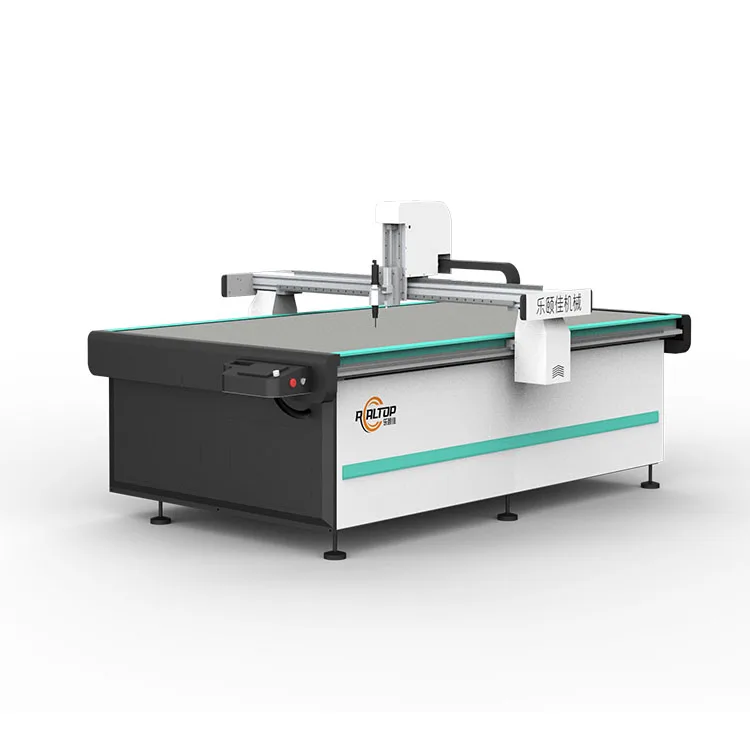
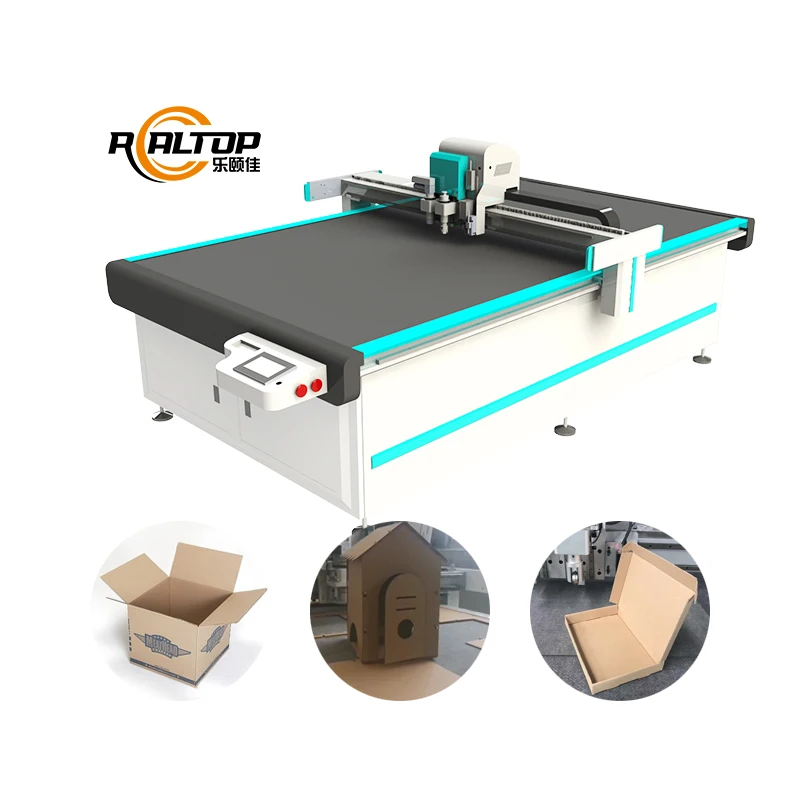
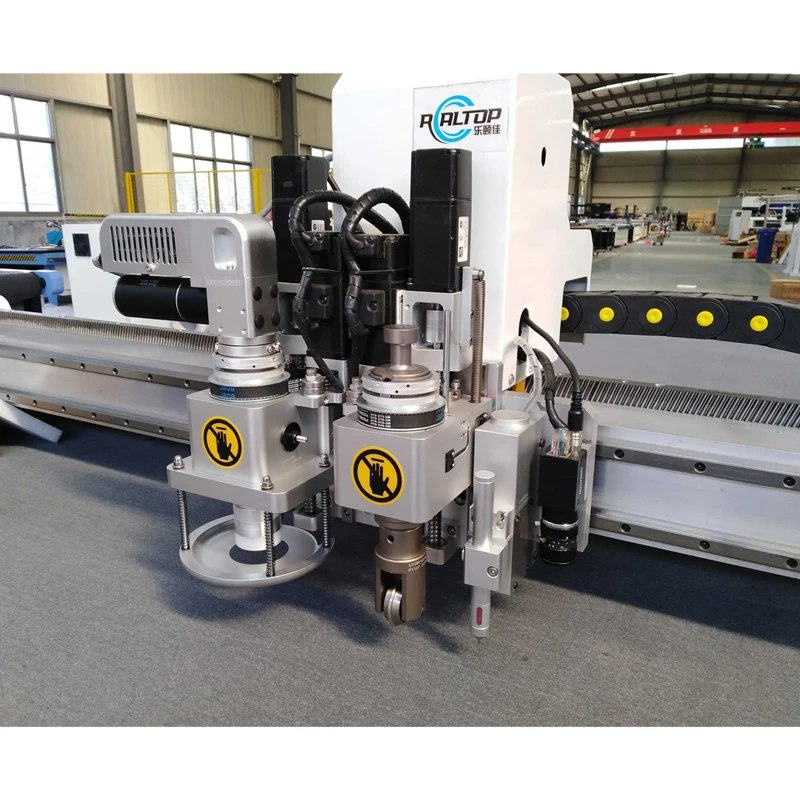
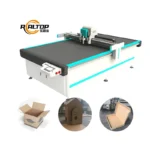
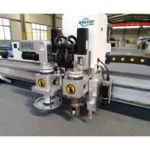
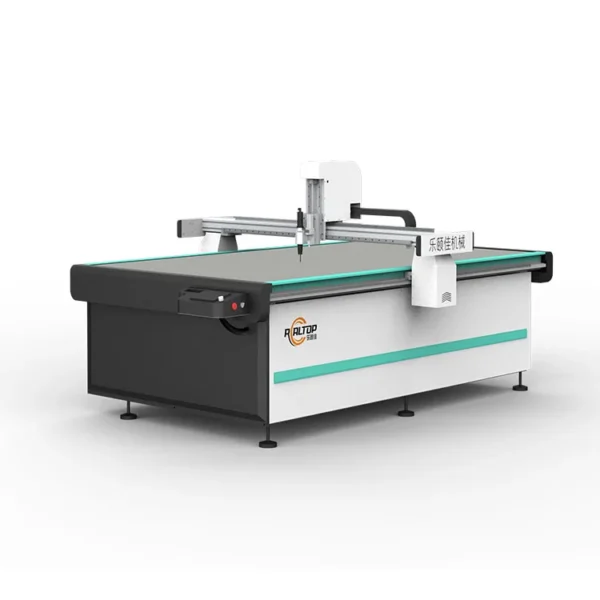
Swiss Knife & Creasing Integration — The RT-D2516/RT-S2516 pairs a high-frequency Swiss oscillating head with a dedicated creasing wheel on one flatbed, letting you match tooling to board flute and weight rather than forcing one blade through every job.
Technical Specifications
| Parameter | Value |
|---|---|
| Product Type | CNC Oscillating Knife Cutting Machine for Packaging |
| Model | RT-D2516 / RT-S2516 |
| Working Area | 1600 × 2500 mm |
| Machine Size | 3450 × 2300 × 1250 mm |
| Rated Power | 9 kW |
| Voltage | 380V ±10% (frequency to confirm at order) |
| Tool Head | Swiss imported oscillating knife (full cut / half cut / cursor location); creasing wheel option |
| Cutting Thickness | Up to 100 mm (varies by material density) |
| Translational Velocity | 800 – 1200 mm/s |
| Cutting Speed | 200 – 800 mm/s (depends on board grade and thickness) |
| Repeatability | ≤ 0.1 mm |
| Transmission | Taiwan Delta digital servo, Hiwin linear guide, synchronous belt, ball screw |
| Vacuum Pump | 7.5 kW |
| Vacuum Table | Aluminum alloy honeycomb, zoned adsorption |
| Conveyor Belt | Germany imported |
| Safety | Infrared sensors, emergency stop |
| Instruction Format | HP-GL compatible |
| Software | Professional carton nesting software (included), multi-format import |
| Control Language | English, Russian, Italian, Chinese (others on request) |
| Assembly State | Fully assembled before dispatch |
Application Suitability
| Application | Material or Output |
|---|---|
| Carton sample making | Single-wall, double-wall and folding carton board up to rated thickness |
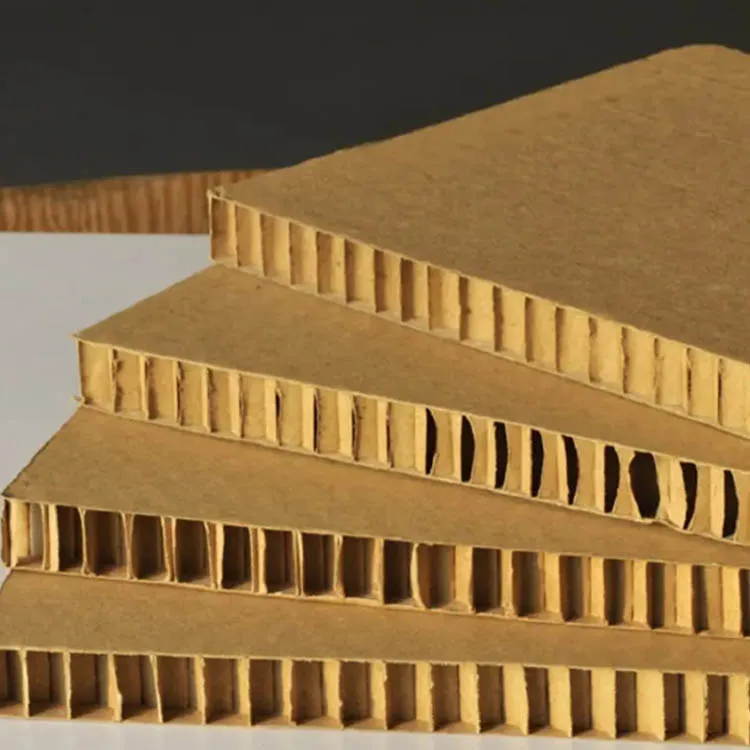
| Corrugated POS & display | Corrugated PP, foam board, honeycomb paper panels |
| Sticker & label contouring | Vinyl, self-adhesive paper, synthetic sticker stock |
| Gasket prototyping | Rubber sheet, silicone, soft composite gasket material |
| Gift box & tag cutting | Coated art board, grey board, kraft liner |
What Your Board Grade Has to Do With the Right Oscillating Knife Setup
Matching the knife amplitude and creasing wheel to the actual flute profile is the difference between a clean fold line and a crushed edge that fails the drop test.
I learned this the hard way in our Jinan workshop when a carton converter ran 400 gsm grey board on a setup we had dialled in for 230 gsm stock. The V-groove knife stalled mid-sheet, crease depths wandered across the table, and the line lost roughly half its expected throughput for that shift. Since that job, we pull a sample from every buyer’s actual board pile before locking in the tool head list. A CNC oscillating knife cutting machine’s rated speed means nothing when the tool is fighting material it was never set up for [NEED_CITE: tool-material matching in digital flatbed cutting].
Knife Amplitude, Board Weight and the Crease Line
The Swiss oscillating head on the RT-D2516/RT-S2516 delivers full cut, half cut and cursor location on one carriage, but amplitude must be set to the board’s calliper and fibre density. A micro-flute E board needs a short, fast stroke to shear cleanly; a B or C flute demands a longer throw so the blade clears the trough without dragging. When a creasing wheel shares the carriage, its profile radius must line up with the fold direction the nesting software has plotted, otherwise the male and female tools fight each other at the hinge and the box splits on the packing line.
Vacuum Zoning on a Honeycomb Bed
A 7.5 kW pump pulling through a single undivided plenum wastes energy on empty table and still allows small carton blanks to lift at 1200 mm/s traverse. The aluminum honeycomb deck here is split into switchable zones that track the active cutting path, holding the sheet flat under the knife while leaving the rest of the bed quiet. For a nest of sleeve boxes under 150 mm across, correct zone mapping prevents the tail end of each part from kicking up and tearing the next cut [NEED_CITE: vacuum zoning practice on flatbed digital cutters].
Reading the Specs That Actually Matter
The Taiwan Delta servo and Hiwin linear guide combination holds ≤ 0.1 mm repeatability across the full 1600 × 2500 mm travel, which is the tolerance you need when a crease line meets a scored slot within a single carton blank. Cutting speed is listed at 200 – 800 mm/s because it depends entirely on board calliper and knife stroke — quoting a single top speed without the material reference is meaningless. The HP-GL compatible instruction set lets your existing CAD output drive the machine directly, so the nesting file you build in your current carton design software arrives at the controller without a re-draw step. A 9 kW total rating covers spindle oscillation, servo drives and the vacuum pump on one incoming circuit, simplifying the electrical plan in the sample room.
The Cost of Skipping the Sample Cut
Sending a spec sheet without a physical board sample usually surfaces on day one of commissioning, when the first sheet comes off with ragged corrugated edges and uneven crease depths. The operator then spends hours swapping blades and adjusting vacuum zones that were never sized for the real nesting layout. Buyers who skip this step often come back for a second creasing wheel or a different knife holder after the line is already in production, paying for freight and downtime twice [NEED_CITE: commissioning rework on digital cutting tables].
Why a Buyer Specs the Machine Here
In-house design across both knife and creasing tooling means the head plate is laid out for your board mix, not pulled from a catalogue page. Every RT-D2516/RT-S2516 leaves the Jinan floor with a factory test record run on the buyer’s own board sample, so edge quality is documented before the crate closes. CCD contour recognition is offered only when the print register and ink density of your stock actually support optical tracking at production speed. Voltage, plug form and control language are confirmed in writing before assembly starts, avoiding the on-site transformer and re-flash that hold up so many imports. The carton nesting software ships with the file format compatibility note attached, so your CAD manager knows on day one which import filters have been validated.
Documentation & Verification
- Factory test record run on buyer-supplied board grade before dispatch
- Electrical schematic with confirmed voltage and plug type for destination market
- Tool head and vacuum zone configuration list matched to agreed board range
- Software licence and file format compatibility note for nesting workflow
- Operation and maintenance manual in chosen control language
- Spare parts list covering blades, creasing wheels and vacuum seals
Installation, Commissioning & Support
- Fully assembled 3450 × 2300 mm frame arrives ready for power and dust extraction hook-up
- 380V ±10% dedicated circuit with confirmed frequency before transformer sizing
- First-run parameter tuning on buyer board grade, logged in commissioning file
- Operator training on creasing wheel changeover and zone map editing
- On-site alignment check of Hiwin guides after ocean freight vibration
What to Send With the Inquiry
Tell us the board grades, flute profiles and typical blank dimensions that make up the bulk of your sample room workload, along with the local supply voltage and frequency. If your current CAD package outputs HP-GL, DXF or a proprietary carton format, attach a sample file so we can verify the import path before quotation. We will then run your actual stock on the RT-D2516/RT-S2516 and return a sample cutting report with edge and crease photos for your sign-off.
Frequently Asked Questions
Q: Which tool head should I specify for mixed flute and solid board work?
A: Start with the Swiss oscillating knife for full and half cuts, then add a creasing wheel sized to your most common folding carton board thickness. If you also cut corrugated displays, a drag knife holder rounds out the head plate. The final list is locked only after we run your board samples.
Q: How does vacuum zoning change the way small carton blanks behave?
A: With the honeycomb bed divided into switchable zones, only the area under active cutting pulls vacuum, keeping small blanks flat without wasting pump capacity. We map your typical nest layout to the zone grid before build so tail lift at high traverse is eliminated.
Q: Can my existing carton CAD files drive the controller directly?
A: The included nesting software accepts HP-GL and several common vector formats, and we confirm your specific file extension with a test import before the order is placed. If a filter is missing, we identify it at this stage rather than on your shop floor.
Q: How is actual cutting speed confirmed for my board stock?
A: We run a timed nest on the buyer-supplied board and record the cutting speed achieved at acceptable edge quality. The resulting figure is written into the sample report, so throughput expectations are based on your material, not a generic catalogue value.
Q: What electrical details must be settled before the machine ships?
A: We need your facility voltage, frequency, plug type and the control language your operators read. These four items are confirmed in the order document so the motor winding, plug and HMI labels match your site when the crate is opened.


商品评价
Clear filtersThere are no reviews yet.