


Fast Shipping
Carrier information

20k products
Payment methods

24/7 Support
Unlimited help desk

2-day Delivery
Track or off orders
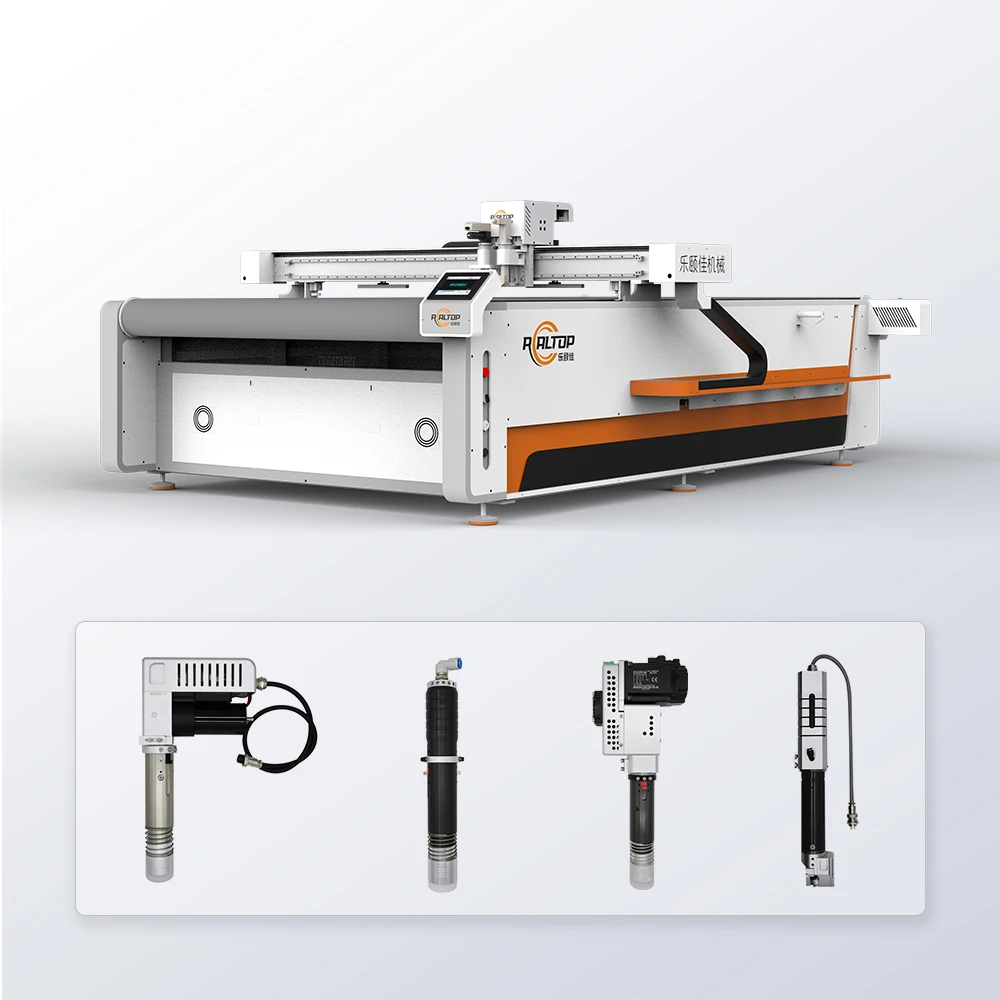
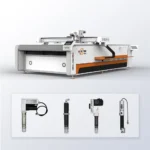
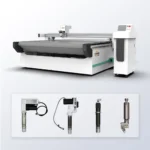
Precision tool head matching — We cut your actual fabric, leather or foam stock on the RT-D2516/RT-S2516 before quoting a configuration, ensuring edge quality holds at production speed rather than just on our standard test material.
Technical Specifications
| Parameter | Value |
|---|---|
| Model | RT-D2516/RT-S2516 |
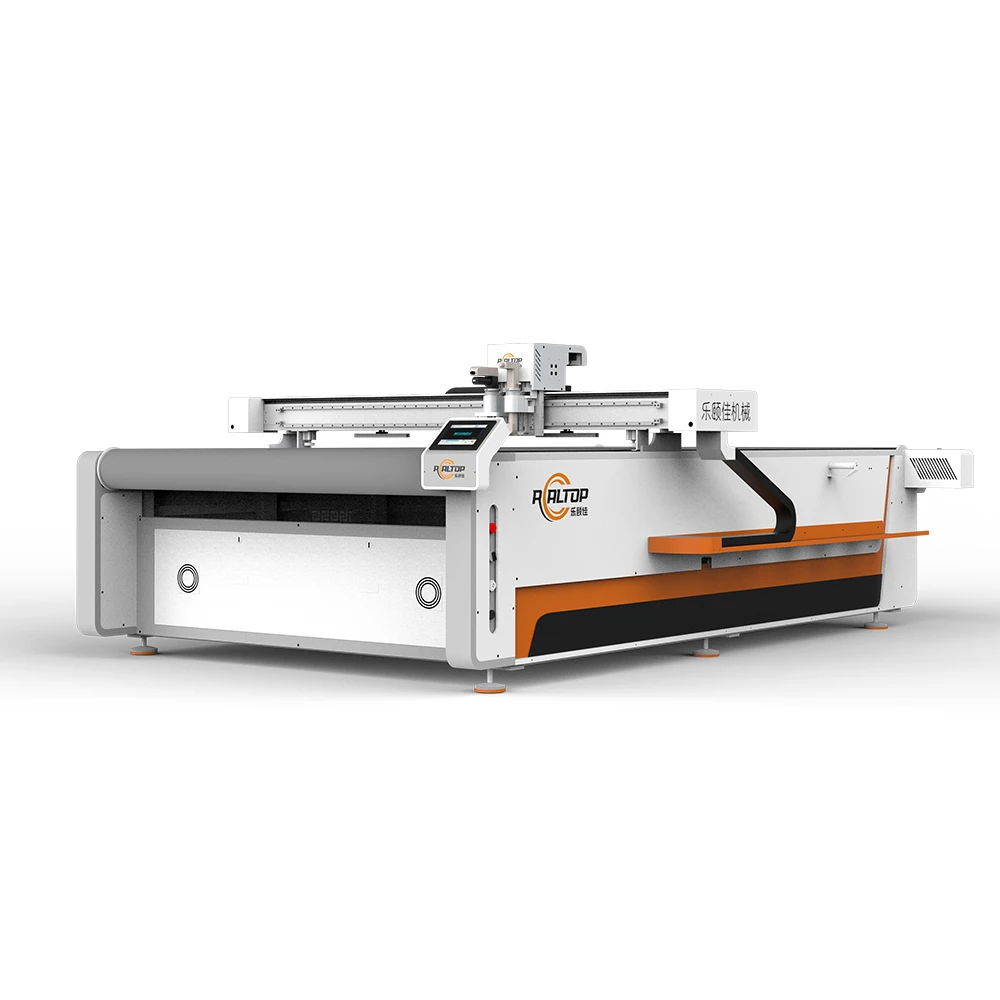
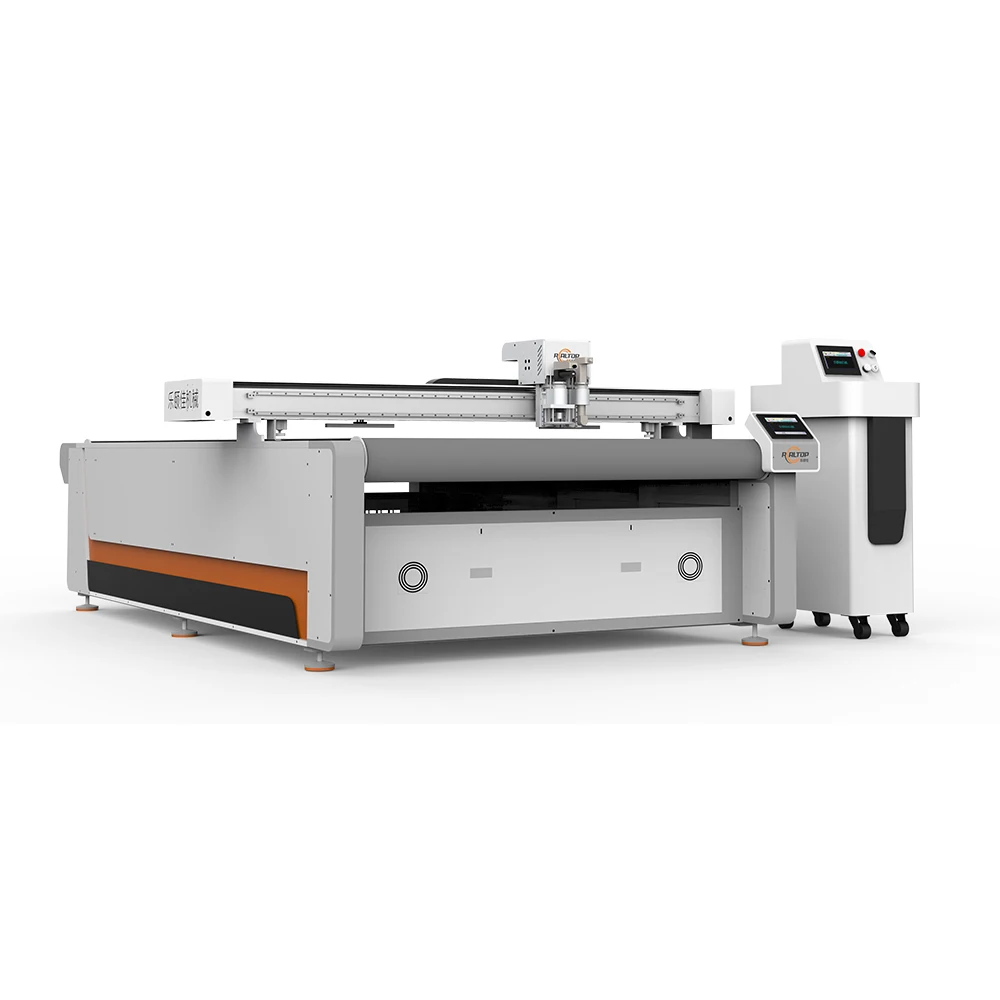
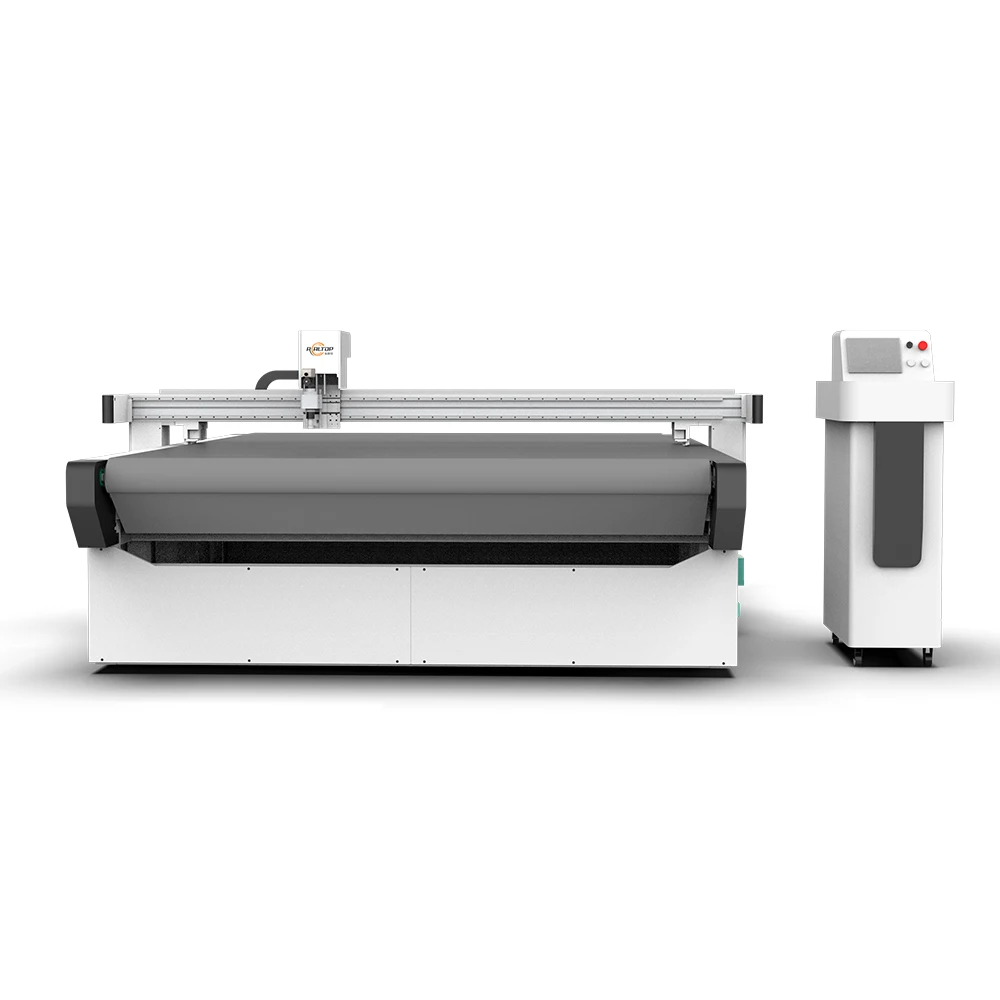
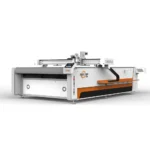
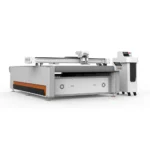
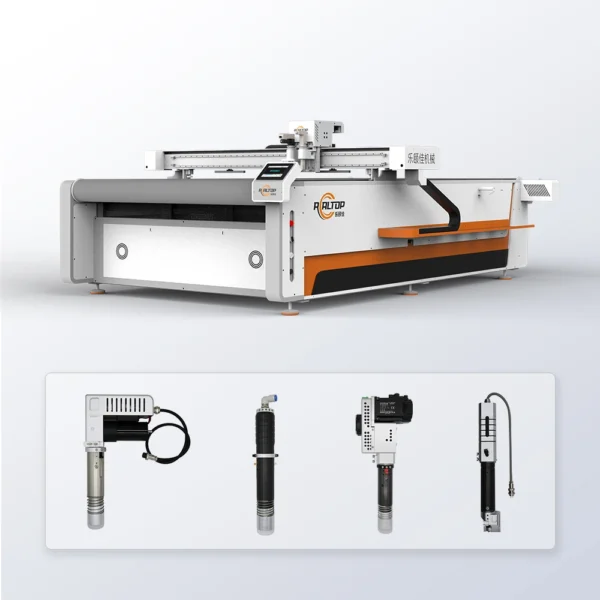
| Product Type | CNC Oscillating Knife Cutting Machine |
| Working Area | 1600 × 2500 mm |
| Machine Size | 3450 × 2300 × 1250 mm |
| Rated Power | 9 kW |
| Table Options | Flat working table or auto feeding table |
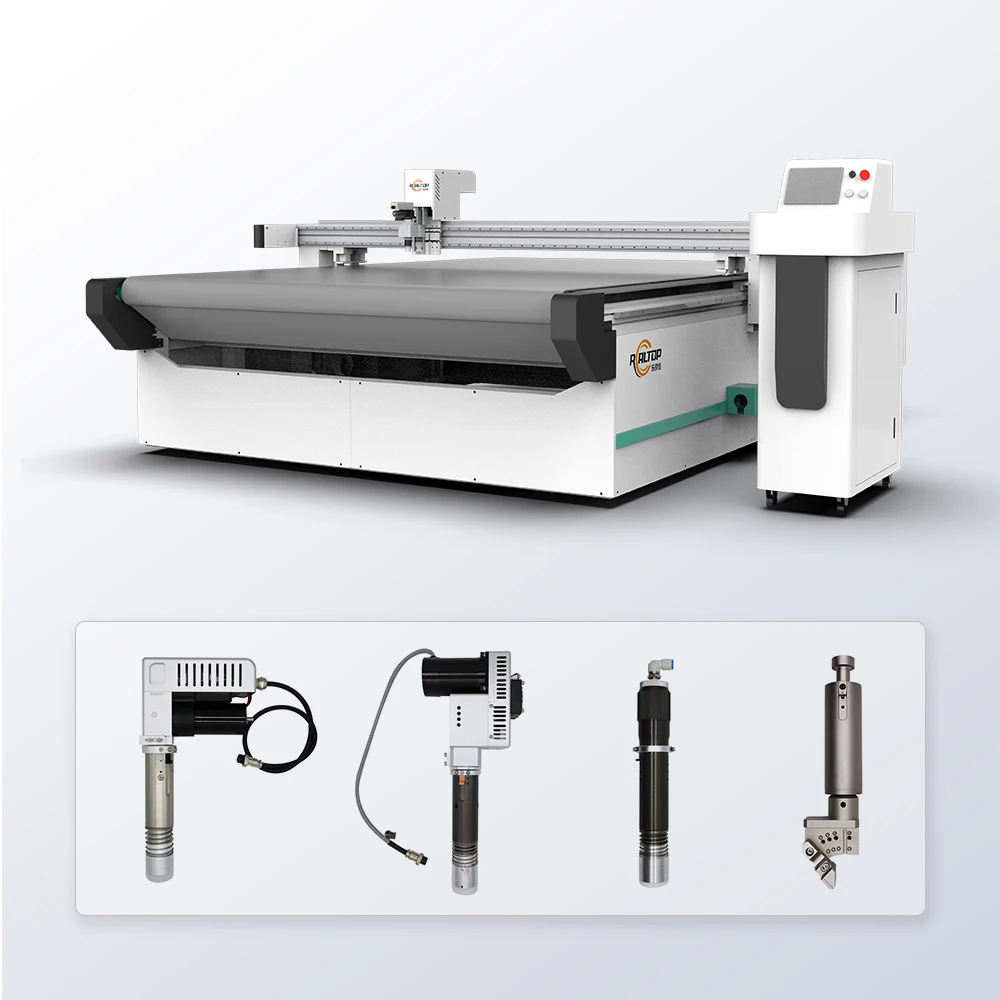
| Tool Head | Swiss imported oscillating knife with full cutting, half cutting and cursor location |
| Translational Velocity | 800–2000 mm/s |
| Cutting Speed | 200–800 mm/s (varies by material type and thickness) |
| Repeated Accuracy | ≤0.1 mm |
| Transmission System | Digital servo motor, linear guide, synchronous belt, ball screw |
| Vacuum System | 7.5 kW vacuum pump with adsorption table |
| Control Panel | Touch screen, multiple language support |
| Software Formats | PLT, DXF, AI |
| Voltage | 380V ±10% |
| Safety System | Infrared sensors with anti-collision and emergency stop |
| Language Options | English, Russian, Italian, Chinese (customizable) |
| Standards | CE declaration where applicable |
Application Suitability
| Application | Material or Output |
|---|---|
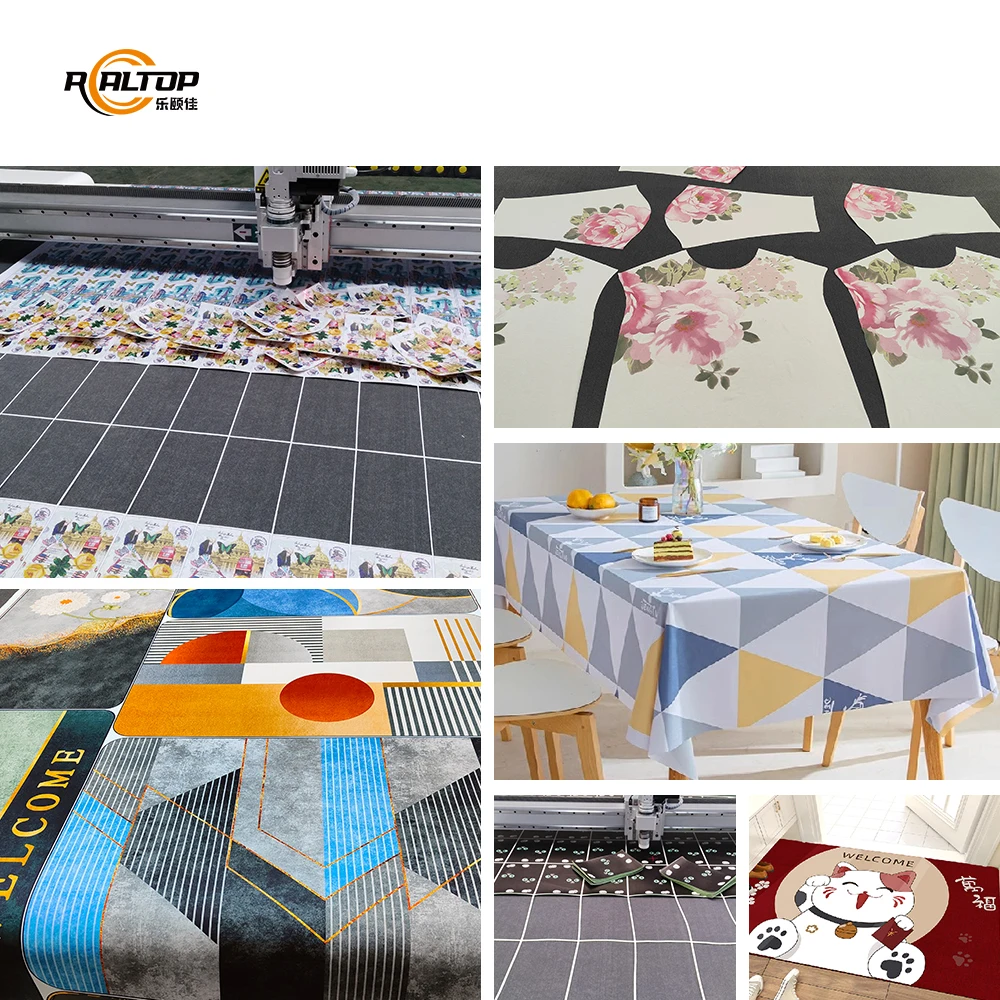
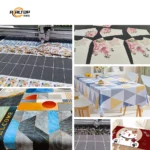
| Garment and footwear production | Fabric, clothing cloth, shoe material, leather, non-woven fabric |
| Automotive interior trimming | Sponge composite leather, PU, EVA, foam board, gasket material |
| Soft furnishing and carpet fabrication | Carpet, sponge, multi-layer textile, XPE |
| Packaging and sample making | Cardboard, corrugated cardboard, plastic box, sticker, film |
| Sports and outdoor products | PVC sheet, soft glass, silicon, rubber, composite materials |
| Graphic advertising and printing | Vinyl, film, flexible signage substrate |
Why Material Thickness Claims Need a Sample Test First
A rated cutting depth means nothing until it is proven on your specific stock under actual feed conditions.
I worked with an automotive interior buyer last year who ordered an oscillating knife table based on working area and a stated maximum thickness. The standard test material we ran at the factory produced a clean edge. When the machine arrived at their plant and they loaded their own composite leather — reinforced with fiberglass strands — the edge came out ragged and the blade wore through in hours. Every parameter had to be re-tuned from scratch. That experience is why I insist on sample cutting with the buyer’s own roll before we lock in a tool head or vacuum zoning layout. A CNC Oscillating Knife Cutting Machine specifications sheet alone cannot predict how a layered composite will behave at full traverse speed [NEED_CITE: material variability in composite flexible substrates].
Tool Head Selection Drives Edge Quality
The Swiss imported oscillating knife on this platform handles full cutting, half cutting and cursor location through a single multifunctional head. For woven fabric and non-woven rolls, the vibration frequency keeps the blade moving cleanly through fibers without dragging or fraying the weave. Thicker foam or sponge composite leather demands a different stroke amplitude to avoid crushing the cell structure before the blade passes through. Choosing between oscillating, drag knife and creasing wheel tooling is not a cosmetic preference — it determines whether your parts need secondary trimming or go straight to assembly.
Vacuum Zoning and Material Hold-Down
A 7.5 kW vacuum pump paired with a flat adsorption table holds flexible sheet stock in place during high-speed traverse. But vacuum performance depends on part geometry and table zoning. Small gasket shapes or narrow shoe upper patterns can lift at the edges if suction is spread across the full bed without selective zoning. We map your typical nesting layout and confirm which zones need to stay active for your part mix [NEED_CITE: vacuum hold-down requirements for small flexible parts]. The auto feeding conveyor option adds continuous roll handling, letting the machine advance material between cuts without manual repositioning.
Reading the Specifications for Real Production Impact
Repeated accuracy of ≤0.1 mm depends on the full transmission chain — digital servo motors, linear guides, synchronous belts and ball screws all working within tolerance. In garment cutting, this tolerance governs how well pattern pieces align when stacked for sewing, especially across multi-layer lays. The 800–2000 mm/s translational velocity defines non-cutting moves between paths, while actual cutting speed of 200–800 mm/s drops based on material density and blade engagement. A dense rubber gasket will sit at the lower end; a single-layer polyester lining will run near the upper. Software supporting PLT, DXF and AI formats means your existing nesting files import without conversion, provided the file structure has been validated before the order is finalized.
The Hidden Cost of Skipping Configuration Verification
Buyers who specify a knife cutting table on bed size alone often discover after delivery that their material thickness pushes the blade past its effective stroke, leaving incomplete cuts at the bottom layer. Wrong tool head selection for composite foam produces crushed edges that fail quality inspection. A vacuum table without proper zoning lets small parts shift mid-cut, generating scrap that accumulates across a production shift. Voltage mismatch at the buyer’s site can prevent the servo drives from initializing, leaving the machine idle while a transformer is sourced locally [NEED_CITE: industrial voltage and frequency mismatch in exported machinery]. These are not warranty issues — they are specification gaps that a pre-order sample test and configuration review would have caught.
Why Source This Platform From Our Workshop
In-house design covers both knife and laser cutting methods, so we recommend the process that fits your material rather than pushing one technology onto every application. Tool head and table configuration are specified per your material type and daily volume, not pulled from a default catalog page. CCD camera positioning for printed contour work is confirmed against your actual mark size and print contrast before the system ships. Software compatibility — including your existing nesting workflow and file format — is verified with test imports. Voltage, plug type and control panel language are validated against your site electrical supply and operator preference before production begins. We cut your material, not our sample stock, before any commitment is made.
Documentation & Verification
- Machine specification sheet matching your confirmed tool head and table layout
- Electrical schematic with 380V ±10% voltage and frequency validated for your site
- Sample cutting report on your fabric, leather or foam stock with edge quality photographs
- Factory test record documenting repeated accuracy and cutting speed on your material
- Software licence with PLT, DXF, AI file format compatibility confirmed against your nesting workflow
- Spare parts list covering blades, vacuum seals and consumable items specific to your configuration
Installation, Commissioning & Support
- Floor space assessment for the 3450 × 2300 × 1250 mm footprint with clearance for material feed and operator access
- Dedicated electrical circuit rated for the 9 kW total draw with 380V ±10% supply verification
- Vacuum pump commissioning and zone mapping matched to your typical nesting pattern and part size
- Touch screen language configuration and file import test with your production DXF or AI artwork
- Operator training on oscillating knife blade changes, half-cut depth adjustment and cursor location use
- Scheduled blade and vacuum seal replacement intervals based on your actual material abrasiveness
What We Need to Match the Right Configuration
Send us your material type, typical sheet or roll width, maximum thickness and the daily volume you need to sustain. Let us know your site voltage and frequency, preferred control language and whether your current nesting software outputs PLT, DXF or AI. If your stock contains reinforcement layers like fiberglass or woven scrim, flag that early so we select the correct blade and stroke setting. We will run a sample cut on your actual material and return a report before you commit to a configuration.
Frequently Asked Questions
Q: How is cutting thickness verified for my specific material before I order?
A: We run your actual fabric, leather or composite stock on the machine and document edge quality, achievable thickness and blade wear rate in a sample cutting report. This test uses your real material — not our standard test stock — so the results reflect your production conditions before any order commitment.
Q: Which tool head suits my material and edge quality requirement?
A: The Swiss imported oscillating knife handles most fabric, foam and leather with clean edges. Drag knife suits thinner vinyl and sticker. Creasing wheel scores cardboard for folding. We confirm the right tool head after reviewing your material sample and edge quality standard during the pre-order cutting test.
Q: Can the software import my existing PLT, DXF or AI files directly?
A: The system supports PLT, DXF and AI formats with auto typesetting capability. We test-import your actual production files before shipment to verify layer structure, path direction and nesting compatibility with your current workflow, resolving any format conflicts before the machine leaves our factory.
Q: What voltage, plug and control language are confirmed before shipment?
A: The standard supply is 380V ±10%. We validate your site voltage, frequency and plug type before production, and configure the touch screen in English, Russian, Italian, Chinese or a custom language so your operators can run the machine from day one without translation delays.
Q: Does the vacuum table hold small parts securely at production speed?
A: The 7.5 kW vacuum pump with adsorption table provides strong hold-down for most flexible materials. For small gasket or shoe upper patterns, we review your nesting layout and confirm vacuum zoning so suction concentrates under active cut areas, preventing edge lift during high-speed traverse moves.


商品评价
Clear filtersThere are no reviews yet.