




Fast Shipping
Carrier information

20k products
Payment methods

24/7 Support
Unlimited help desk

2-day Delivery
Track or off orders
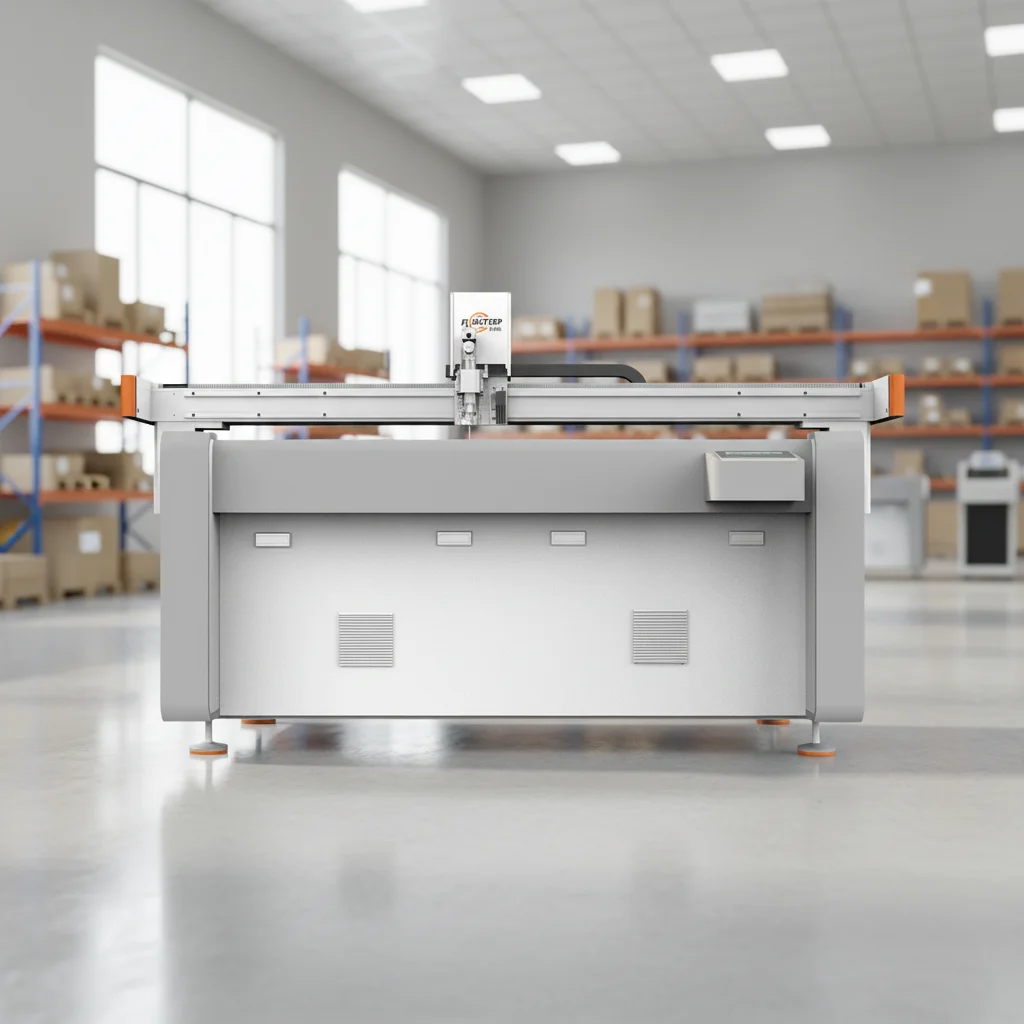
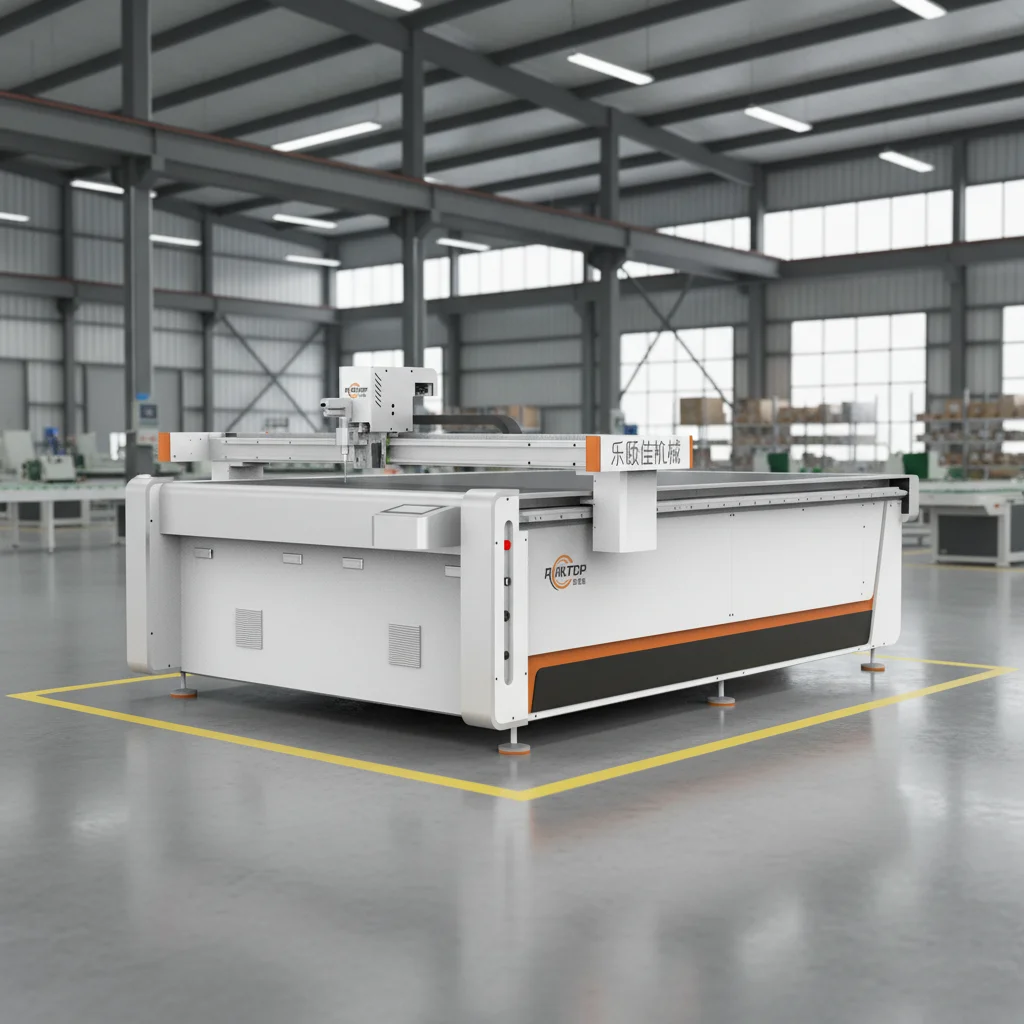
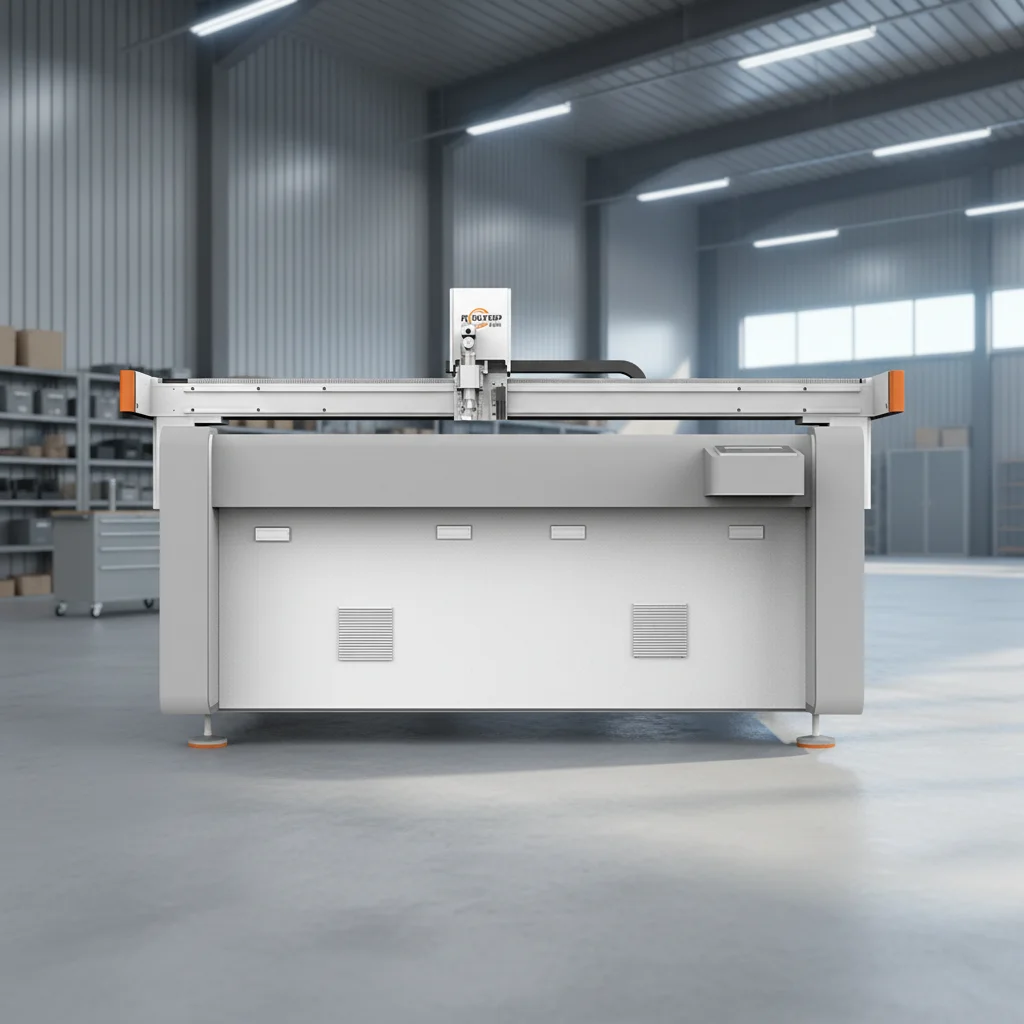
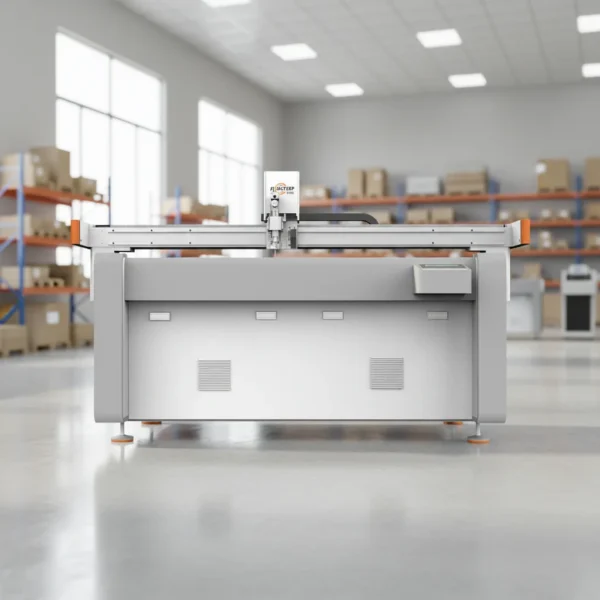
Precision tool matching — Every RT-D2516/RT-S2516 leaves the Jinan factory with the oscillating knife, vacuum zone layout and CCD option matched to your specific board grade and sample volume, not a generic default configuration.
Technical Specifications
| Parameter | Value |
|---|---|
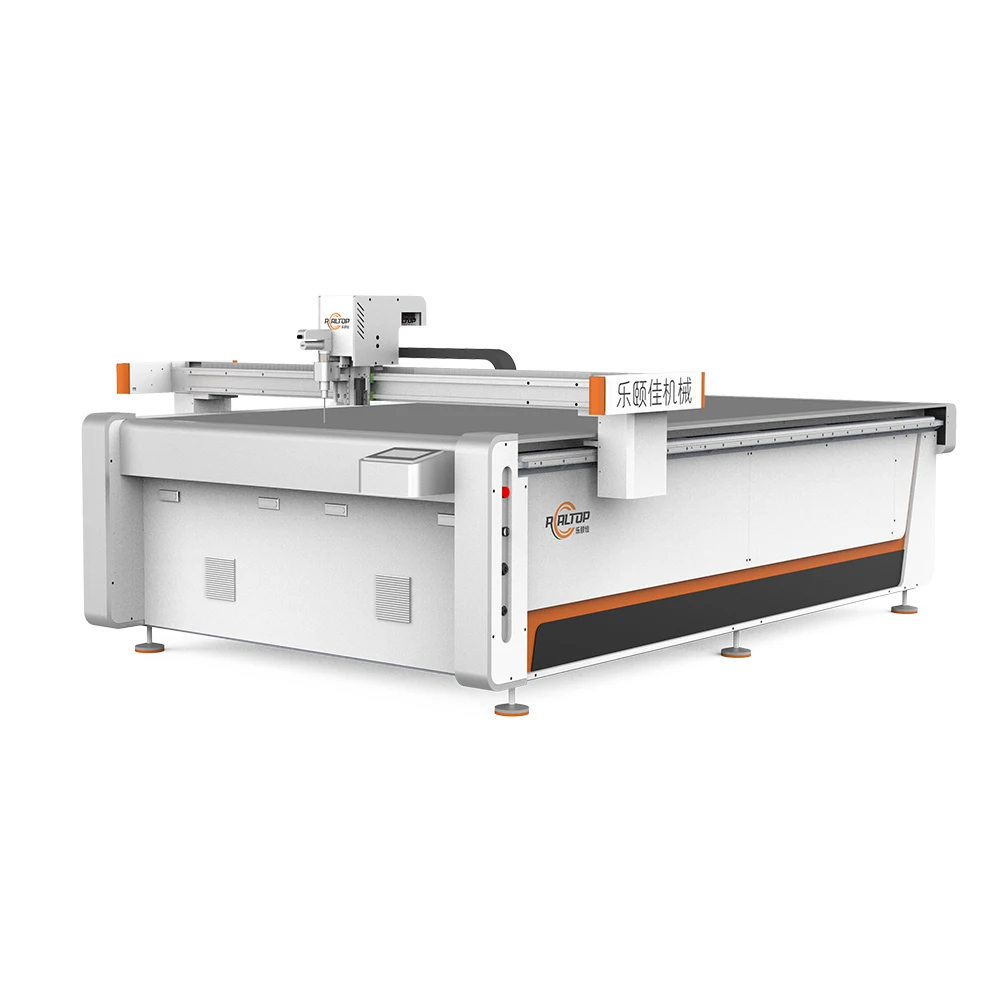
| Product Type | CNC Oscillating Knife Cutting Machine |
| Model | RT-D2516 / RT-S2516 |
| Working Area | 1600 × 2500 mm |
| Machine Dimensions | 3450 × 2300 × 1250 mm |
| Rated Power | 9 kW |
| Voltage Requirement | 380V ±10% |
| Frequency | 50Hz / 60Hz (basis to be confirmed) |
| Table Options | Flat working table / Auto feeding table |
| Translational Velocity | 800 – 2000 mm/s |
| Cutting Speed | 200 – 800 mm/s (varies with material) |
| Maximum Cutting Thickness | ≤100 mm (material dependent) |
| Repeatability | ≤0.1 mm |
| Transmission System | Digital servo motor, linear guide, synchronous belt, ball screw |
| Servo Motor Options | Delta (China) or Panasonic (Japan) |
| Vacuum Pump | 7.5 kW |
| Vacuum Table Material | Magnesium-aluminum alloy with PVDF and anodic oxidation treatment |
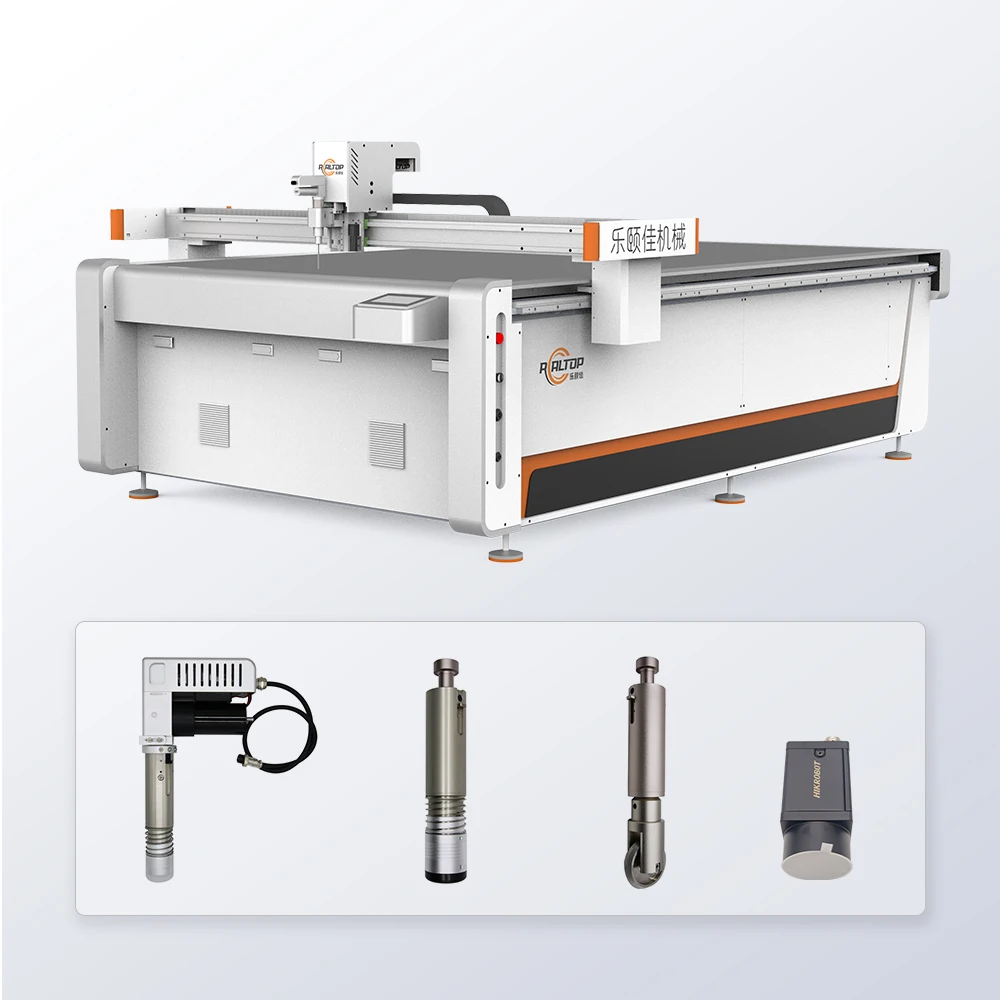
| Multifunctional Tool Head | Swiss imported knife with vibration full/half cutting, cursor location |
| Available Tool Heads | Oscillating knife, pneumatic knife, high-power vibrating knife, circular knife, V cutting knife, drag knife, creasing wheel, dotted line knife, punching, brush |
| Visual Positioning Options | Small CCD mark point, panoramic camera recognition, projection positioning |
| Control Interface | Touch screen with multi-language support (English, Russian, Italian, Chinese, customizable) |
| Compatible File Formats | PLT, DXF, AI |
| Safety Devices | Infrared induction blocking, anti-collision beams, emergency stop with in-situ resume |
| Assembly State | Fully assembled |
| Warranty | 1 year |
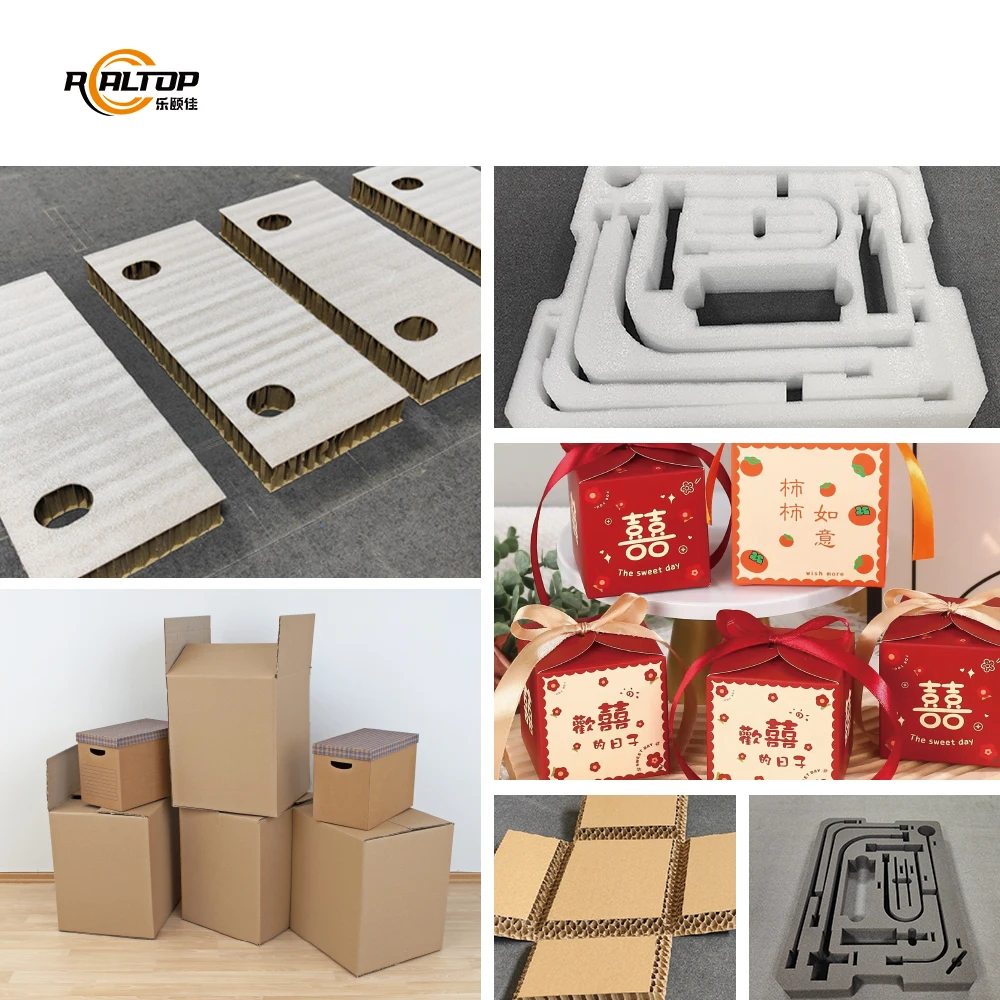
Application Suitability
| Application | Material or Output |
|---|---|
| Corrugated box and carton sample making | Single, double and triple-wall corrugated board, slot milling and creasing |
| Folding carton and packaging prototyping | Grey board, coated stock, honeycomb cardboard |
| Foam gasket and seal production | EVA, XPE, PU, closed-cell sponge, compressible composites |
| Automotive interior trimming | Synthetic leather, non-woven fabric, acoustic insulation mats |
| Advertising and signage blank cutting | PVC foam board, acrylic, self-adhesive vinyl on backing |
| Footwear and luggage component cutting | PU leather, textile mesh, reinforcement fabrics |
Why "Working Area 1600×2500" Tells You Almost Nothing About Edge Quality
A cutting table only performs if the tool head, vacuum zoning and feed method are matched to the material you actually run. I once watched a packaging line stall for an entire shift because a buyer selected a machine purely on bed size, then discovered the default oscillating knife could not hold a clean edge through high-density grey board. The vacuum table had no zone control for small carton blanks, so pieces lifted mid-cut and the CCD camera was never commissioned because the printed registration marks lacked the contrast the sensor needed. That sample was remade three times before the line could resume. Specifying a CNC Oscillating Knife Cutting Machine by footprint alone ignores the variables that determine whether your corrugated samples leave the table clean or frayed [NEED_CITE: tool head selection criteria for corrugated versus dense board grades].
Matching the Knife Type to Board Behaviour
The tool head list on this machine is not a menu of upgrades — each knife answers a specific material behaviour. An oscillating knife handles rigid corrugated fluting cleanly because the high-frequency stroke slices through the air gap without crushing the walls. A creasing wheel follows the same path at a different depth to score fold lines without cutting through. A V cutting knife removes a channel for slot-milled corners on thick honeycomb panels. When the material shifts to compressible foam or fibrous gasket stock, a pneumatic knife or high-power vibrating knife holds the edge because it applies downward pressure while cutting. Selecting the wrong head for the job shows up immediately: crushed flute profiles on corrugated, ragged pull-through on woven textiles, or incomplete depth on multi-layer laminates.
Vacuum Zoning and the Small-Part Problem
A 7.5 kW pump behind a flat magnesium-aluminum alloy table sounds sufficient until you cut small carton blanks near the table edge. Without configurable vacuum zones, suction spreads across the entire surface and the holding force on a 50×50 mm piece is negligible — the knife lifts the part instead of cutting it. This machine addresses that with zone isolation so you can concentrate suction under the active cutting area. The PVDF powder-sprayed and anodically oxidised surface resists scoring from repeated knife passes, keeping the seal intact across thousands of cycles. An integrated aviation aluminum pump shell with built-in silencer sponge also keeps noise within workshop limits during continuous sample runs [NEED_CITE: vacuum hold-down requirements for small-format dieless cutting].
Reading the Specs That Actually Matter on the Floor
A 200–800 mm/s cutting speed range only becomes useful when tied to material: thin vinyl runs at the upper end, while 10 mm grey board demands the lower boundary to let the oscillating stroke clear the chips. Repeatability of ≤0.1 mm across the full 1600×2500 mm travel means a crease line registered to a printed contour stays within tolerance even after the gantry crosses the entire bed — important when you nest six carton variants on one sheet. The digital servo motor and linear guide combination delivers this consistency, and the choice between Delta and Panasonic servos lets buyers align spare parts sourcing with their existing maintenance inventory. Touch-screen control with selectable languages and HP-GL compatible instruction format means operators trained on legacy plotters adapt without re-learning file preparation.
The Cost of Skipping the Sample Cut
When a buyer skips sample cutting on their own material, the first sign of trouble arrives after the machine is bolted to the floor. A knife that performed perfectly on the factory’s demo corrugated may chatter on the buyer’s recycled-content board because the fibre density differs. A vacuum zone layout that held the demo sample flat may leave the buyer’s smaller blanks lifting. A CCD camera calibrated for high-contrast marks may fail to track faded registration prints at production speed. Each of these issues costs days of downtime and return shipments of tool heads that could have been resolved with a single mailed sample before the order was signed [NEED_CITE: material variability in recycled corrugated board].
Why Source This Configuration From REALTOP
In-house design covers both knife and laser cutting technologies, so a buyer running mixed materials can match the cutting method to each job instead of forcing everything onto one table. Tool head and vacuum zone layout are specified per material and production volume in writing before the order is placed. CCD camera positioning is commissioned on the buyer’s actual printed stock, not a generic test chart. Software compatibility with the buyer’s existing PLT, DXF or AI nesting workflow is confirmed before production begins. Voltage, control language and safety configuration are locked to the destination factory’s electrical supply and operator profile, reducing commissioning time on arrival.
Documentation & Verification
- Machine specification sheet listing the exact tool heads and vacuum zones included in your configuration
- Electrical schematic confirming 380V ±10% and frequency matched to your workshop supply
- Sample cutting report on your own corrugated or foam stock showing edge quality and achieved speed
- Tool head and table configuration list signed off before production begins
- Software licence note confirming PLT, DXF and AI format compatibility with your nesting workflow
- Factory test record documenting repeatability measurement across the full bed travel
Installation, Commissioning & Support
- Flat floor required; the 3450 × 2300 mm footprint plus operator clearance needs a minimum dedicated bay
- Dedicated 380V circuit with ±10% tolerance to protect the 9 kW rated load and servo drives
- Machine ships fully assembled, requiring only vacuum pump connection and control panel power-up
- First-run parameter setting on your specific board grade, with cutting speed and knife stroke tuned on site
- Operator training on tool head changeover and vacuum zone selection for different blank sizes
- Spare knife blades and wear parts list supplied for the exact heads included in your build
Before You Request a Quote
Send the specific board grade or foam density you run, typical blank dimensions and daily sample volume, plus your workshop voltage and preferred control language. If you work from pre-printed stock, include a scan or photo of your registration marks so CCD tracking can be evaluated. Confirm which file format your current nesting software outputs so compatibility is verified before the quotation is issued.
Frequently Asked Questions
Q: How do I choose between an oscillating knife and a drag knife for corrugated versus grey board?
A: An oscillating knife cuts rigid corrugated fluting cleanly because the vibrating stroke shears through the air gap without crushing the walls. A drag knife suits thin, non-fraying materials like vinyl or card stock. For dense grey board above a few millimetres, a high-power vibrating knife or pneumatic knife delivers better edge quality. The correct choice depends on your thickest regular material, not the occasional sample.
Q: What cutting thickness can I actually expect across different packaging materials?
A: The machine is rated up to 100 mm, but real cutting depth depends on material density and tool head selection. Low-density honeycomb board cuts near the upper limit with a V knife, while high-density grey board requires reduced thickness and slower speed. Always request a sample cut on your exact stock before committing to a thickness claim.
Q: Why do small carton blanks lift during cutting, and how does vacuum zoning help?
A: Suction spread across the entire 1600×2500 mm table exerts minimal holding force on a small part. Configurable vacuum zones concentrate suction under the active cutting area, pinning small blanks flat. Without zone control, pieces shift mid-cut, ruining edge quality and registration accuracy on nested layouts.
Q: What contrast and mark size does the CCD camera need for reliable contour recognition?
A: The small CCD and panoramic camera options track printed marks, but reliability depends on contrast between the mark and background, mark size, and print consistency across the sheet. Faded or low-contrast marks on recycled stock may require camera sensitivity adjustment or a mark redesign. Sample testing on your printed material is the only way to confirm tracking at production speed.
Q: Will my existing CAD or nesting software files work with this machine?
A: The control system accepts PLT, DXF and AI file formats. Before ordering, share a sample file from your nesting software so compatibility is verified and any layer naming or tool path conventions are mapped to the machine’s tool head assignments. This avoids re-drawing files after the machine arrives.


商品评价
Clear filtersThere are no reviews yet.