



Fast Shipping
Carrier information

20k products
Payment methods

24/7 Support
Unlimited help desk

2-day Delivery
Track or off orders
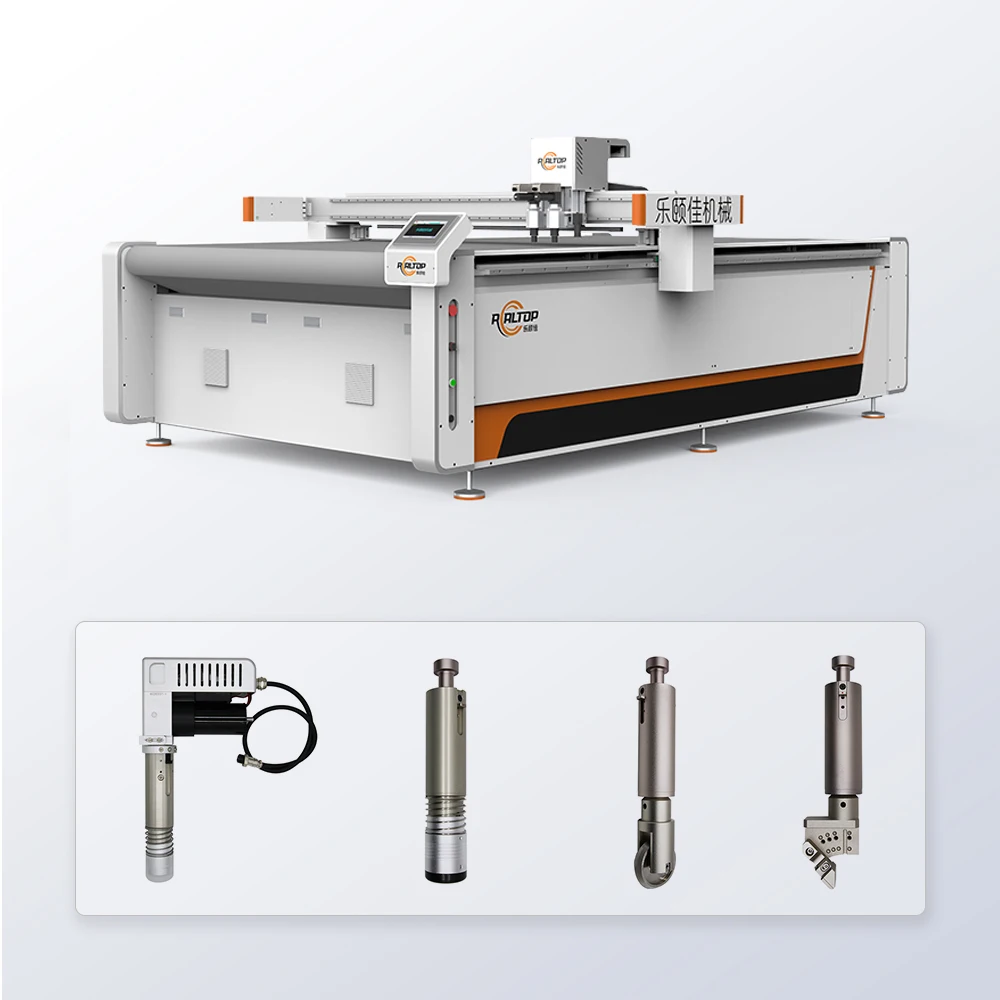
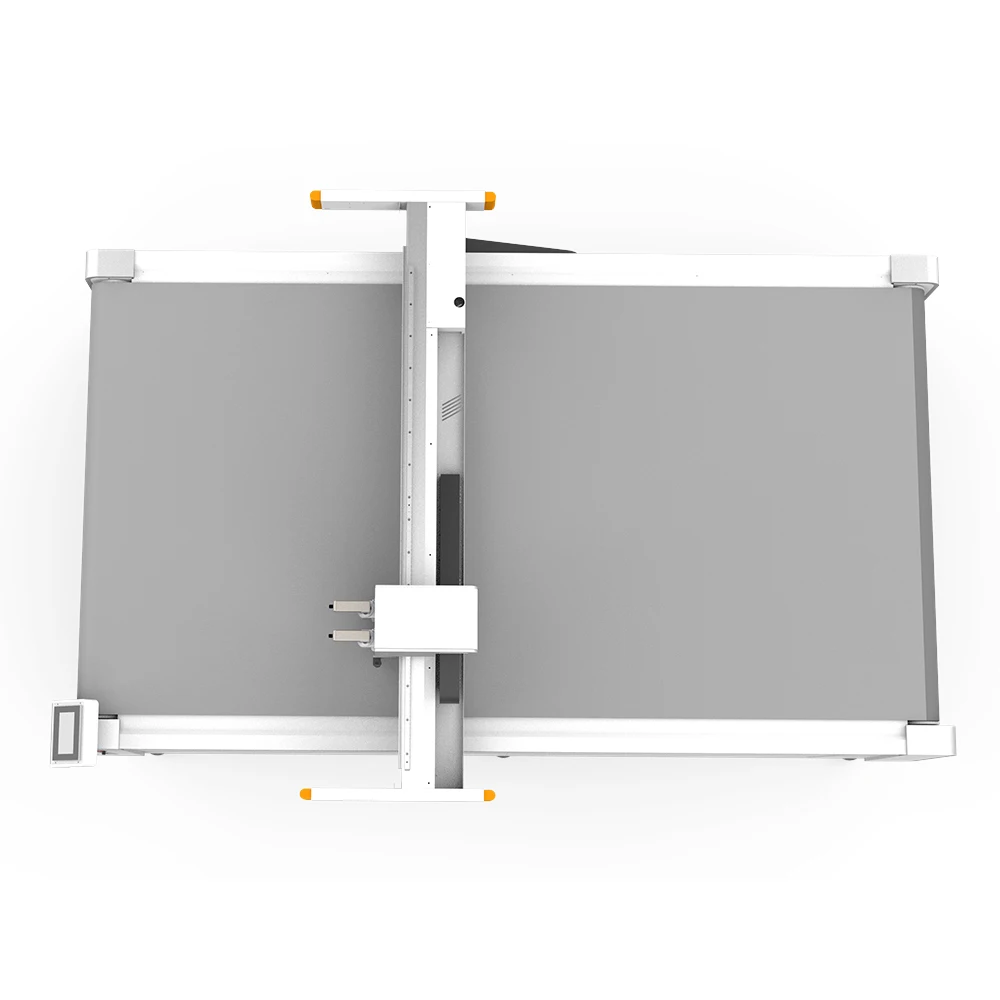
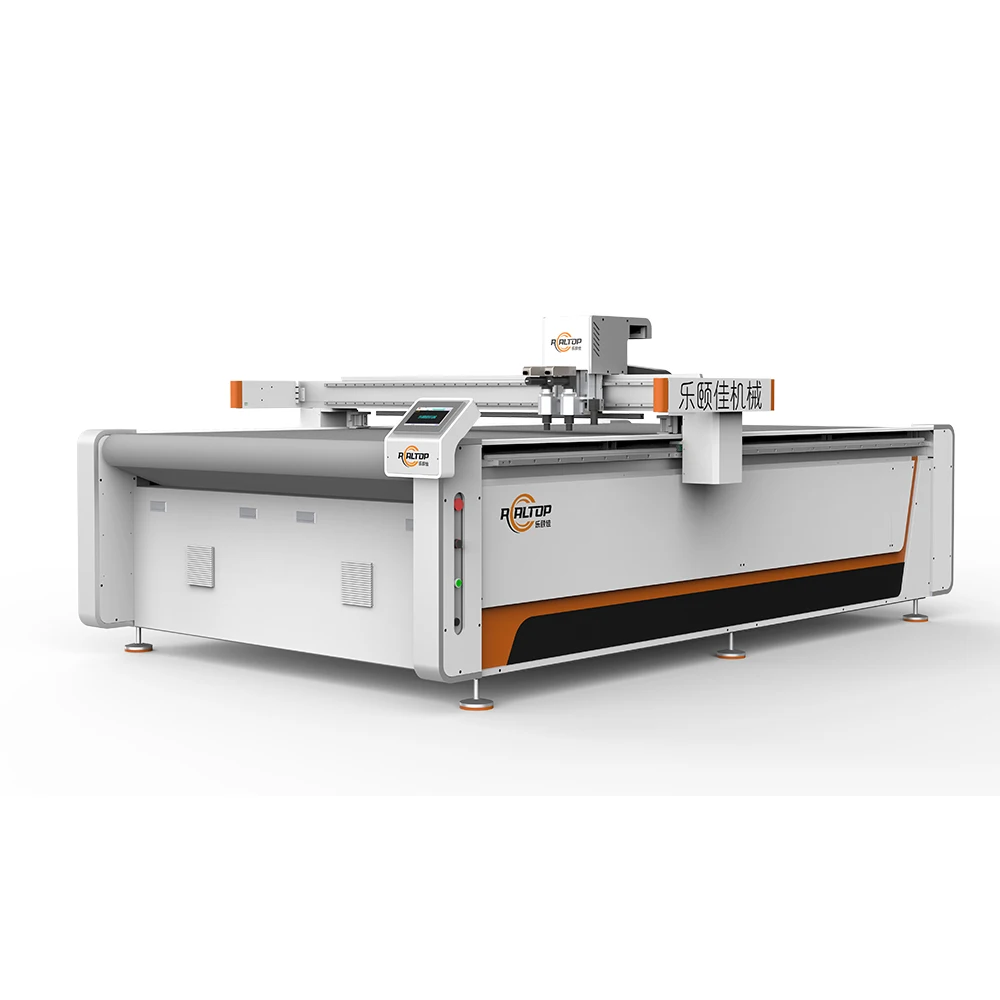
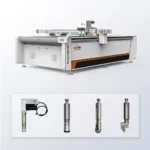
Tool Head and Table Configuration — Seven interchangeable tools matched to flute profile, board weight and production volume before the machine leaves the factory.
Technical Specifications
| Parameter | Value |
|---|---|
| Model | 1625 |
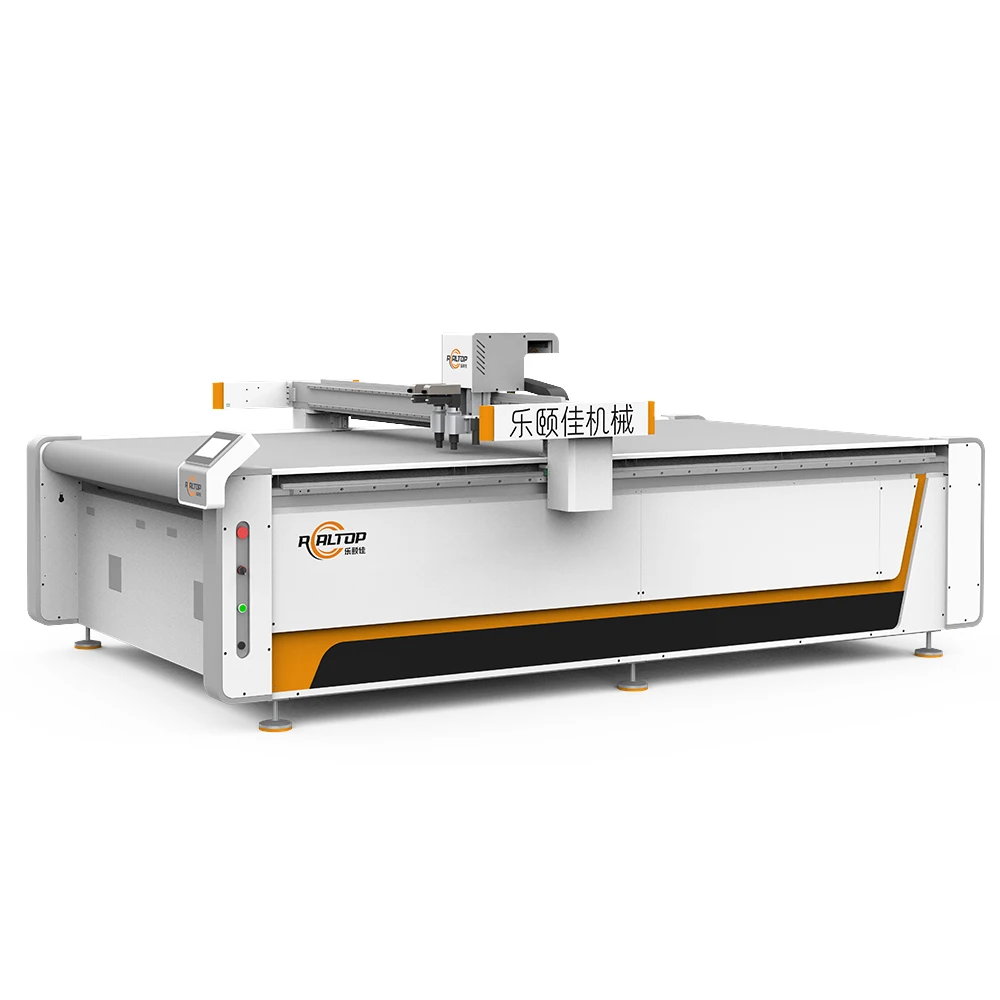
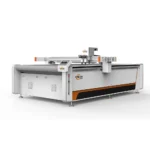
| Product Type | CNC Oscillating Knife Cutting Machine |
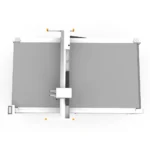
| Working Area | 1600×2500 mm |
| Tool Head Options | Oscillating knife, Driven rotary knife, Creasing wheel, Kiss cutting tool, Pneumatic knife, Milling tool, V groove knife |
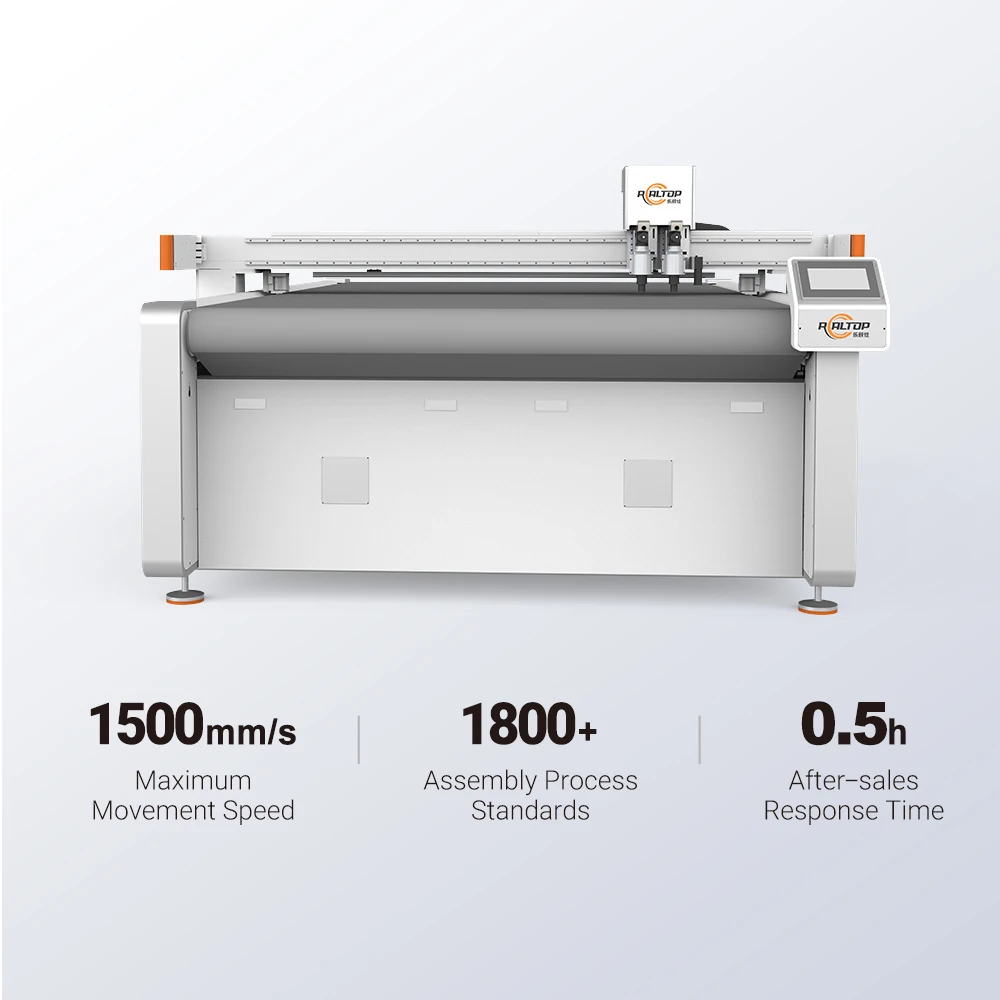
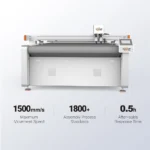
| Cutting Speed | 0–1500 mm/s |
| Cutting Thickness | ≤ 40 mm (basis not stated in source — confirm material type and density) |
| Cutting Accuracy | ±0.1 mm |
| Vacuum Table | Aluminum bellows vacuum table |
| Vacuum Pump | 9 kW |
| Servo Drive Options | Panasonic, Delta, Dorna |
| Control System | PLC control panel with optional display languages |
| Software | Dedicated packaging box structure design software |
| File Formats Supported | PLT, DXF, AI, PDF |
| Voltage Options | 110V, 220V, 380V (frequency not stated in source) |
| Language Options | English, Russian, Italian, Chinese (special languages customizable) |
| Safety Devices | Infrared sensor device, Emergency stop device |
| Overall Dimensions | 3300×2100×1350 mm |
| Standards | CE |
Application Suitability
| Application | Material or Output |
|---|---|
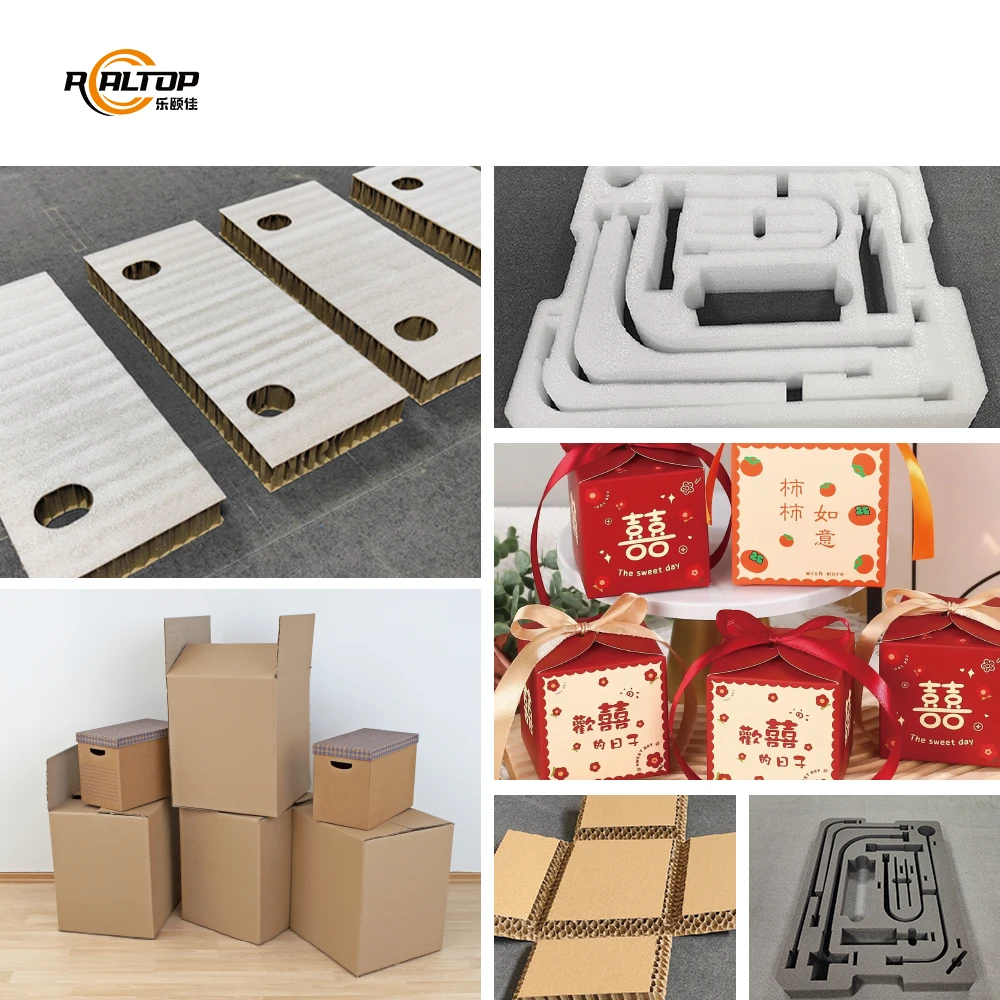
| Packaging sample making and carton prototyping | Corrugated cardboard (E-flute, B-flute, BC-flute), greyboard, cardstock |
| Short-run packaging production | Art paper, specialty paper, adhesive-backed materials |
| Protective packaging inserts | EVA foam, EPE foam, PU foam, rubber mats |
| Non-metal industrial gaskets | Thin plastic sheets (PVC, PET), composite materials |
| Textile and leather packaging components | Velvet/fleece fabric, non-woven fabric, leather, synthetic leather |
What Generic CNC Oscillating Knife Cutting Machine Specifications Leave Out
A cutting thickness figure without material density and flute type attached is a number without context.
I spent several weeks troubleshooting a packaging line in Dubai where the machine arrived configured for standard single-wall corrugated, but the buyer ran five-layer heavy-flute board for export cartons. The knife head could not penetrate the full depth, leaving crushed edges and incomplete cuts through the bottom liner. The entire sample batch was scrapped before the tool was swapped for a higher-stroke oscillating head. That failure had nothing to do with the machine frame or motion system — it came down to one line on the spec sheet that read "≤ 40 mm" without stating which material. [NEED_CITE: cutting depth varies significantly across corrugated flute profiles and foam densities]
Tool Head Selection Across Flute Types and Foam Densities
The 1625 supports seven interchangeable tool heads, and the correct combination depends entirely on the production mix. Oscillating knife handles most corrugated grades cleanly, but BC-flute and heavy greyboard often require the pneumatic knife for deeper, more aggressive strokes. Creasing wheels produce fold lines without cutting through the liner, while the kiss cutting tool scores adhesive-backed labels without penetrating the release paper. A packaging sample maker switching between E-flute carton prototypes and EVA foam inserts benefits from having both the oscillating knife and driven rotary knife loaded simultaneously, reducing changeover time between jobs. CNC oscillating knife cutting machine specifications should always state which heads ship with the unit and which are optional add-ons.
Vacuum Table Zoning and Small-Part Stability
The aluminum bellows vacuum table on this model provides full-surface adsorption, but flatness alone does not solve the small-part lift problem that plagues packaging producers. Die-cut carton blanks with narrow tabs, foam inserts with intricate internal cutouts, and gasket pieces under 50 mm wide tend to shift when vacuum pull is distributed uniformly across a large zone. The 9 kW vacuum pump delivers substantial hold-down force, yet the table must be divided into independently controlled zones so that suction concentrates under the active cutting area. Without proper zoning, small packaging components drift mid-cut, producing dimensional errors that accumulate through a nested sheet. [NEED_CITE: vacuum hold-down requirements for small-format packaging components]
Reading the Numbers That Actually Matter on the Spec Sheet
The ±0.1 mm cutting accuracy governs how tightly crease lines align with cut edges — a tolerance that directly affects whether a folded carton closes squarely or gaps at the glue flap. At cutting speeds up to 1500 mm/s, maintaining that accuracy depends on the servo drive response; Panasonic and Delta servos offer different acceleration profiles that influence corner fidelity on intricate carton structures. The 1600×2500 mm working area accommodates most standard packaging sheet sizes, but buyers running oversized display carton stock should verify whether the full area is usable or whether tool head travel limits reduce effective cutting width. The dedicated packaging box structure design software accepts PLT, DXF, AI and PDF files, yet file import compatibility must be confirmed against the buyer’s existing nesting workflow before the order is placed.
When the Wrong Configuration Ships to the Factory Floor
A packaging buyer who specifies a machine on working area and price alone often discovers the real cost weeks after installation. The wrong tool head produces ragged edges on corrugated board or crushed foam cores that fail drop tests. Insufficient vacuum zoning causes small carton blanks to lift and shift, generating scrap that accumulates quietly across every shift. Voltage and plug mismatches delay commissioning by days while electricians source transformers locally. [NEED_CITE: common commissioning delays caused by voltage and configuration mismatches in export markets] Control language set to the wrong default forces operators to navigate menus they cannot read, increasing setup errors on the first production run.
Why Procurement Through This Channel Works for Packaging Buyers
The in-house design team configures tool head selection and vacuum table zoning per packaging material — corrugated flute type, board weight and sheet size are matched before the 1625 is built. Sample cutting on the buyer’s own stock runs before commitment, producing a report that documents edge quality, crease depth and cutting completeness on the actual material. Electrical schematics and voltage confirmation are completed at order stage, not discovered at unpacking. Software license and file format compatibility are documented so the buyer’s existing design-to-production workflow connects without middleware. The factory test record ships with the machine, showing which tool heads were run and on what material.
Documentation & Verification
- Sample cutting report documenting edge quality and crease depth on your corrugated grade
- Tool head and vacuum zone configuration list confirming which heads ship installed
- Electrical schematic and voltage confirmation matched to your facility supply
- Software license and file format compatibility note for your nesting workflow
- Factory test record showing cutting runs on packaging-grade material before dispatch
- Operation and maintenance manual in your specified control language
Installation, Commissioning & Support
- Floor space of approximately 3300×2100 mm required with clearance for sheet loading on the 1600×2500 mm table
- Dedicated power circuit sized for the 9 kW vacuum pump plus servo and control loads at confirmed voltage
- Machine arrives partially assembled; vacuum table leveling and gantry alignment completed on-site
- First-run parameter setting for your specific flute profile and foam density during commissioning
- Operator training covering tool head changeover, zone selection and file import on the PLC panel
- Spare oscillating blades, creasing wheels and vacuum seals included in the initial parts kit
Preparing Your Inquiry
Share the corrugated flute types, board weights and foam densities you run, along with typical sheet sizes and daily cut volume. Specify your facility voltage, frequency and the control language your operators need. If you use a particular structural design software or nesting workflow, name it so file format compatibility is confirmed before quotation.
Frequently Asked Questions
Q: How is cutting thickness capacity confirmed for my specific corrugated flute or foam density?
A: We run sample cuts on your actual material before commitment. The sample cutting report documents edge quality, penetration depth and crease integrity for each flute grade or foam density you supply. Tool head stroke, oscillation frequency and blade type are adjusted during testing, and the confirmed configuration is written into your order specification so the machine ships ready for your production mix.
Q: Which tool head combination fits a mix of cutting, creasing and kiss-cutting jobs?
A: A typical packaging setup pairs the oscillating knife for corrugated cutting, the creasing wheel for fold lines and the kiss cutting tool for adhesive-backed components. The 1625 accepts all seven tool heads, and we recommend the combination based on your material list. Each tool’s inclusion is confirmed in writing before production so there are no missing capabilities at commissioning.
Q: What voltage, plug and control language are confirmed before the machine ships?
A: Your facility voltage, frequency and plug type are recorded at order stage and reflected in the electrical schematic we provide. The PLC control panel language is set to your preference from the available options, with special languages customizable. This confirmation happens before production, not after packing.
Q: How does the vacuum table handle small packaging parts that tend to lift during cutting?
A: The 9 kW vacuum pump paired with the aluminum bellows table provides strong hold-down force, but small parts require concentrated suction. Vacuum zone layout is configured to match your typical nesting pattern so that active suction focuses under the cutting area rather than spreading across unused table surface. Zone configuration is documented in your order file.
Q: Can the software import my existing packaging design files and nesting workflow?
A: The dedicated packaging software accepts PLT, DXF, AI and PDF files. Before order confirmation, we verify compatibility with your specific structural design output and nesting workflow. The software license and file format compatibility note ships with the machine so your design-to-production chain connects without additional conversion tools.


商品评价
Clear filtersThere are no reviews yet.