

Fast Shipping
Carrier information

20k products
Payment methods

24/7 Support
Unlimited help desk

2-day Delivery
Track or off orders
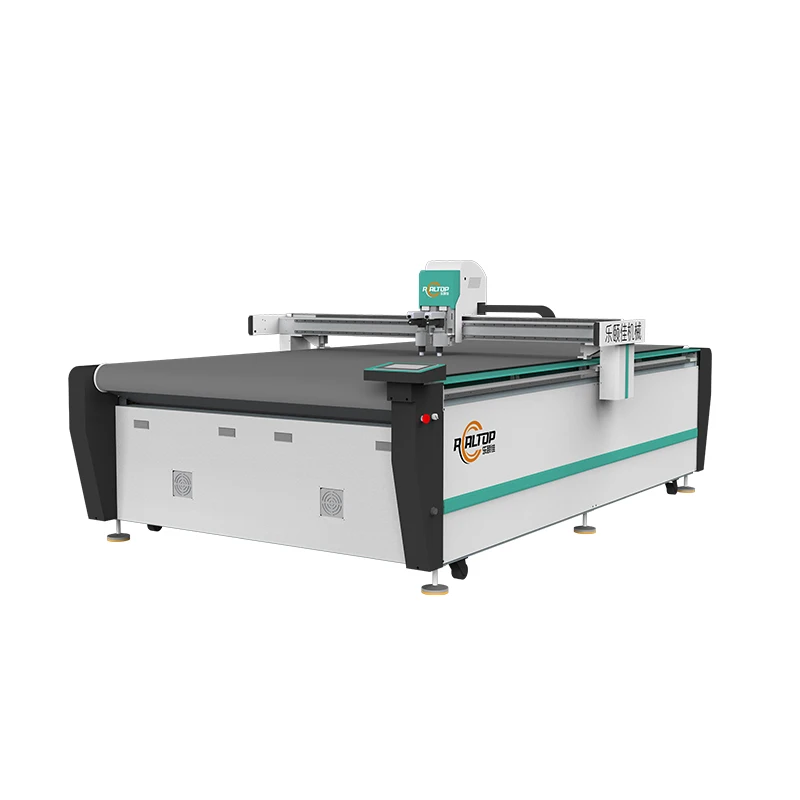
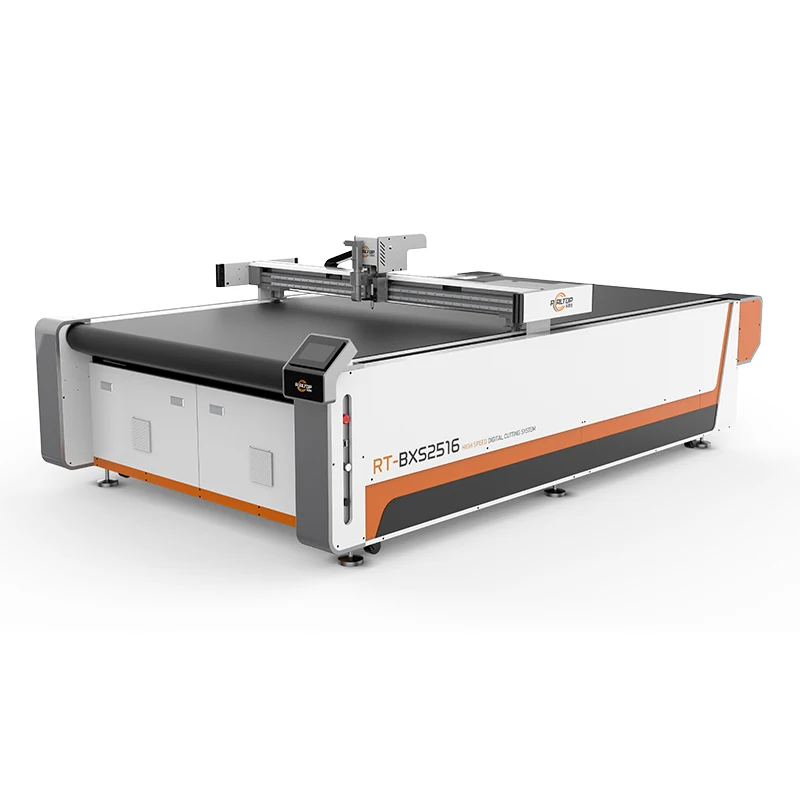
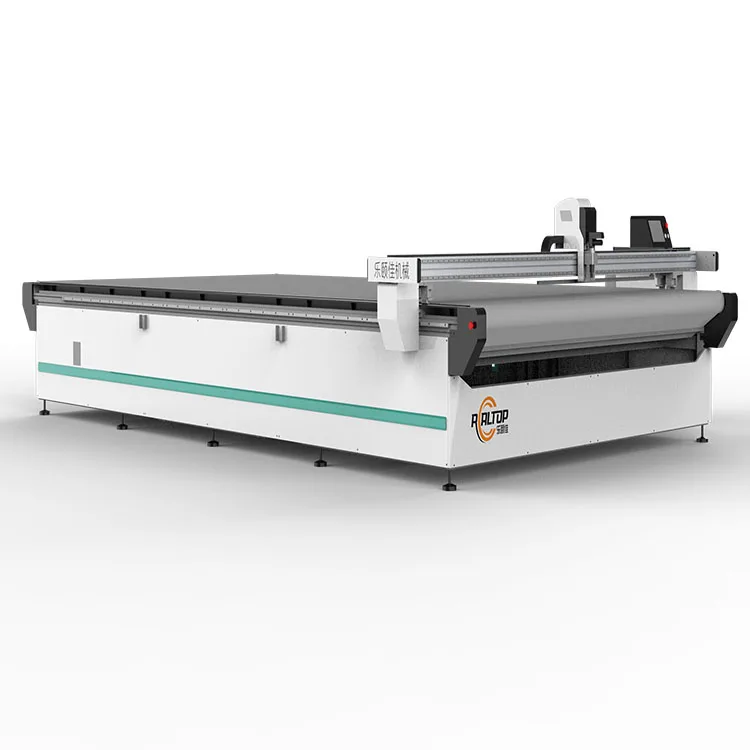
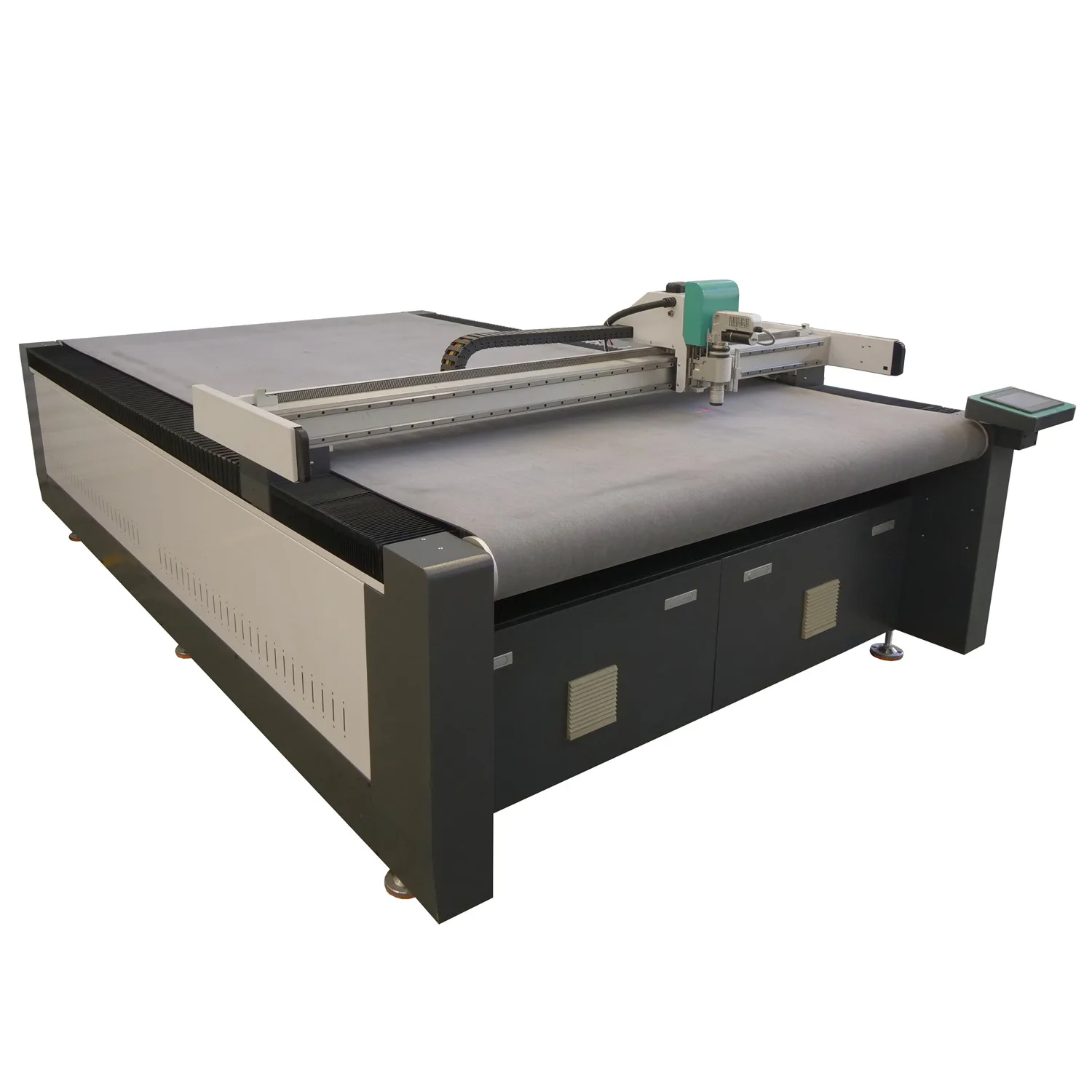
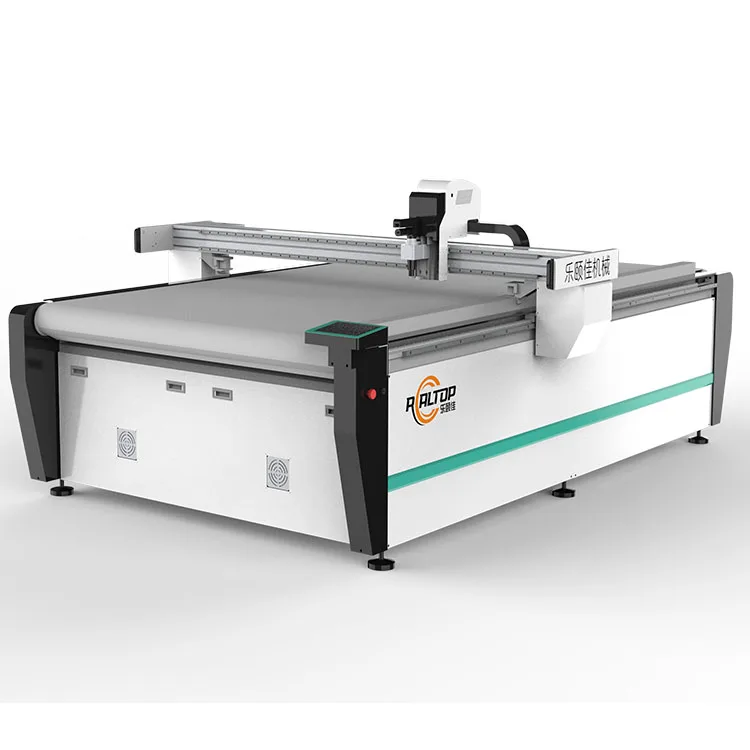
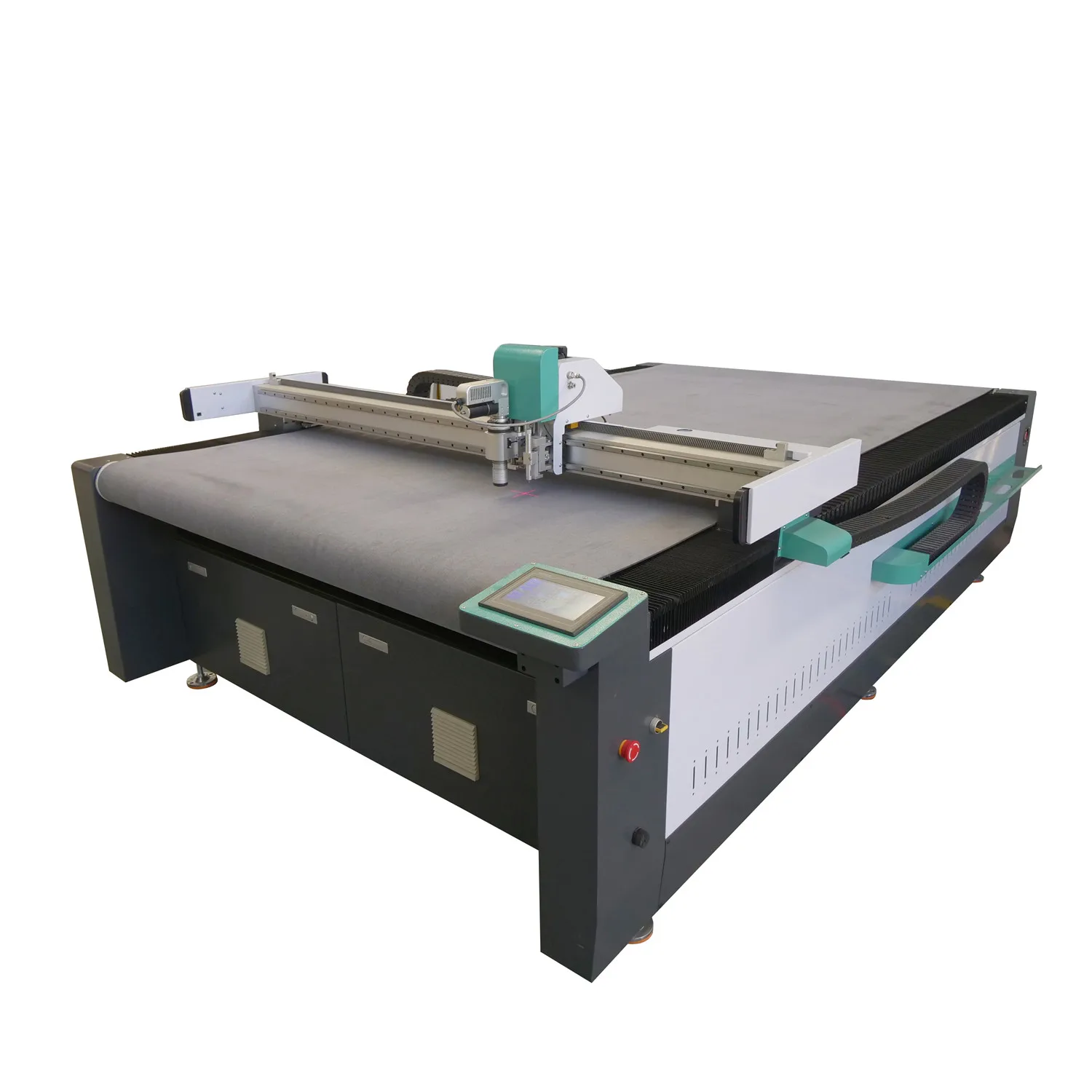
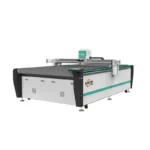
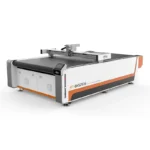
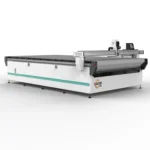
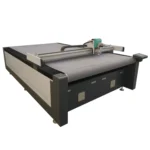
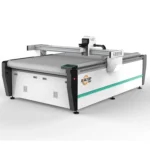
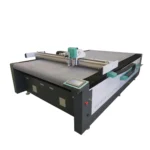
Swiss-Imported Oscillating Knife System — The RT-D2516/RT-S2516 flatbed platform integrates vibration full-cutting, half-cutting and cursor location with swappable tool heads, so fabric, leather and foam producers select the exact blade geometry for their material density rather than forcing a single knife through every job.
Technical Specifications
| Parameter | Value |
|---|---|
| Model | RT-D2516/RT-S2516 |
| Product Type | CNC Oscillating Knife Cutting Machine |
| Working Area | 1600 × 2500 mm |
| Machine Size | 3450 × 2300 × 1250 mm |
| Rated Power | 9 kW |
| Vacuum Pump | 7.5 kW |
| Translational Velocity | 800–2000 mm/s |
| Cutting Speed | 200–800 mm/s (varies with material type and thickness) |
| Cutting Thickness | Up to 100 mm (varies with material) |
| Repeated Accuracy | ≤0.1 mm |
| Table Configuration | Fixed flat table or auto-feeding conveyor, selectable |
| Servo Motor | Delta (China) or Panasonic (Japan), selectable |
| Vacuum Table Surface | Magnesium-aluminum alloy with PVDF fluorocarbon coating, anodic and hard oxidation |
| Linear Guide | Taiwan Hiwin rail |
| Conveyor Belt | Germany imported (on auto-feeding variant) |
| Visual Positioning | Small CCD mark-point, panoramic camera recognition, or projection positioning (selectable) |
| Control Panel | Touch screen, multi-language |
| Software Compatibility | PLT, DXF, AI, HP-GL |
| Instruction System | HP-GL compatible |
| Voltage | 380 V ±10 % |
| Frame | Thick-walled seamless steel, high-temperature tempering, CNC machining center finished |
| Safety | Infrared sensors, anti-collision, emergency stop |
Application Suitability
| Application | Material or Output |
|---|---|
| Garment and footwear production | Multi-layer fabric, shoe material, non-woven fabric, carpet |
| Automotive interior trimming | Sponge composite leather, PU, EVA, XPE, PVC |
| Gasket and sealing fabrication | Rubber, PTFE, ETFE, PE, PP, gasket composites |
| Packaging and carton sample making | Corrugated cardboard, plastic box, film, sticker |
| Soft furnishing and upholstery | Leather, textile, foam board, sponge, cloth |
| Graphic advertising and signage | Sticker, film, PVC, corrugated board |
What "Cutting Thickness Up to 100 mm" Leaves Out About Your Material
A thickness number without a material name is a meaningless figure on a spec sheet.
When a buyer specifies a CNC oscillating knife cutting machine based solely on working area and maximum cutting thickness, the real production variables — material density, fiber composition, surface coating, and layer count — remain unaddressed. A hundred millimeters of low-density sponge behaves completely differently under a vibrating blade than a hundred millimeters of compressed composite gasket material. I have watched first-cut trials in workshops where standard cotton ran perfectly, then the customer loaded a coated technical fabric and the friction coefficient changed so drastically that the knife frequency, vacuum zoning, and feed rate all required re-tuning before the edge quality was acceptable. That is why sample cutting on the actual production material — with full parameter documentation — is the only reliable basis for evaluating CNC oscillating knife cutting machine specifications. [NEED_CITE: material-specific cutting trials as standard industrial procurement practice]
Matching the Knife Geometry to Fabric Density and Coating Type
The multifunctional tool head on this system accepts a Swiss imported oscillating knife for vibration full-cutting and half-cutting, alongside options for drag knife, pneumatic knife, high-power vibrating knife, circular knife, and V-cutting knife. Each tool engages the material differently: an oscillating knife slices through fibrous layers with high-frequency vertical strokes that prevent dragging, while a drag knife pulls through thinner sheets in a single continuous motion. Choosing the wrong blade geometry is the most common reason for ragged edges on woven fabric or crushed cells on open-cell foam, and the selection must be confirmed against the buyer’s specific material before the machine configuration is locked.
Vacuum Table Zoning and Its Role in Holding Small Nested Parts
The magnesium-aluminum alloy vacuum table uses PVDF fluorocarbon powder spraying combined with anodic and hard oxidation to maintain flatness across the entire 1600 × 2500 mm surface. Uniform suction matters most when nesting software produces a layout dominated by small parts — collars, gaskets, insoles — because insufficient hold-down in a single zone can lift a piece mid-cut and ruin both the part and the surrounding material. The 7.5 kW vacuum pump must be matched to the table zoning configuration and the porosity of the material being cut, and this relationship should be validated during the pre-shipment sample test rather than discovered on the production floor. [NEED_CITE: vacuum hold-down requirements for nested small-part cutting on porous substrates]
Translating the Specification Sheet Into Actual Cutting Behavior
Repeated accuracy of ≤0.1 mm is achieved through digital servo motors (selectable between Delta and Panasonic), Taiwan Hiwin linear guides, and ball screw transmission on a thick-walled seamless steel frame that undergoes high-temperature tempering and CNC machining center finishing. This level of positional repeatability is what keeps contour cuts aligned with printed marks when the CCD visual positioning system — available as small camera mark-point, panoramic recognition, or projection positioning — is tracking registration marks on patterned textile. Translational velocity ranges from 800 to 2000 mm/s for rapid positioning moves, while actual cutting speed sits between 200 and 800 mm/s depending on material resistance and thickness. A buyer cutting dense EVA foam for automotive floor mats will operate near the lower end of that cutting speed range, while a producer slicing single-layer vinyl for signage will run considerably faster. Understanding where a specific material falls within this envelope is essential when evaluating how to choose the correct CNC oscillating knife cutting machine specifications for a given production environment.
The Hidden Cost of Skipping the Material-Specific Tool Head Audit
When the tool head is selected based on catalog defaults rather than the buyer’s actual material stack, the consequences surface within the first production shift. Ragged edges on woven cloth require secondary trimming that adds labor and wastes fabric yield. Crushed foam cells on automotive sealing profiles compromise the compression set and lead to warranty returns. A drag knife assigned to corrugated cardboard that is too thick produces incomplete cuts, forcing operators to re-run sheets and consume extra material. Each of these failures traces back to a configuration decision made without a physical sample test. [NEED_CITE: edge quality defects caused by incorrect oscillating knife frequency selection]
Why Buyers Specify This Platform for Flexible Material Processing
The in-house design team covers both knife and laser cutting technologies within the same factory, meaning the cutting method is matched to the material rather than forced into whichever technology a single-source vendor happens to produce. Tool head and table configuration are specified per material type and production volume, with CCD camera positioning confirmed against the buyer’s actual printed goods before order. Software compatibility — PLT, DXF, AI, HP-GL — is validated against the buyer’s existing nesting workflow. Voltage, plug type, and control panel language are confirmed in writing before the machine enters assembly. Pre-shipment sample cutting on the buyer’s own material produces a documented report covering edge quality, cutting speed, and achievable thickness, so the buyer signs off on real production results rather than catalog promises.
Documentation & Verification
- Machine specification sheet listing confirmed tool head, table type, and servo motor brand
- Electrical schematic with 380 V ±10 % voltage confirmation and plug type noted
- Sample cutting report on buyer-supplied material with edge photographs and parameter log
- Software licence and file format compatibility note for PLT, DXF, AI, and HP-GL
- Factory test record documenting repeated accuracy measurement before crating
- CE declaration included with packing documentation where applicable
Installation, Commissioning & Support
- The 3450 × 2300 mm footprint and 9 kW rated power require a dedicated circuit with confirmed 380 V ±10 % supply at the installation site.
- Machine ships fully assembled; rigging plan must account for 1250 mm height and magnesium-aluminum table surface protection.
- First-run commissioning includes vacuum zoning calibration with the 7.5 kW pump against the buyer’s actual material porosity.
- Touch screen control panel configured to buyer’s selected language (English, Russian, Italian, Chinese, or custom) during setup.
- Operator training covers tool head changeover procedures for oscillating, drag, and creasing tools on the multifunctional head.
- Spare parts list provided with recommended replacement intervals for Swiss imported knives and conveyor belt segments.
What to Prepare Before Requesting a Quotation
Send a representative sample of the production material — including any coating, lamination, or backing layer — along with the typical sheet size and the daily cutting volume target. Specify your facility voltage and frequency, the control language required on the touch screen, and the file formats your design team currently uses for nesting. If your workflow involves printed contour cutting, provide a printed sample so the CCD positioning mode can be matched to your registration mark style and verified before the machine configuration is finalized.
Frequently Asked Questions
Q: How do I choose between oscillating knife, drag knife, and creasing wheel for my material?
A: Oscillating knives suit thick or fibrous materials like multi-layer fabric and foam where high-frequency vertical strokes prevent edge dragging. Drag knives work on thinner sheets such as vinyl and sticker film. Creasing wheels score corrugated cardboard for folding without cutting through. The correct choice depends on material density and thickness, confirmed through a physical sample cut before order.
Q: What cutting speed can I expect on my specific fabric or foam?
A: Cutting speed ranges from 200 to 800 mm/s depending on material resistance and thickness. Dense composites and thick foam operate near the lower end, while single-layer textiles run faster. The only reliable way to determine achievable speed is a sample cutting test on your actual material with documented parameters.
Q: Will the CCD camera track printed registration marks at full production speed?
A: The system offers small CCD mark-point, panoramic camera recognition, and projection positioning. Whether the selected mode tracks marks reliably at production speed on your specific printed substrate must be verified during the pre-shipment sample test using your actual printed material, not generic test sheets.
Q: Is vacuum suction sufficient to hold small nested parts flat during cutting?
A: The 7.5 kW vacuum pump paired with the magnesium-aluminum alloy table provides strong hold-down, but small-part suction depends on table zoning and material porosity. This configuration should be validated against your typical nesting layout during the factory sample test to confirm parts do not lift during cutting.
Q: Can the software import my existing nesting files and design formats?
A: The system supports PLT, DXF, AI, and HP-GL formats. Compatibility with your specific nesting software and file export settings must be confirmed before order, and this is documented in the software licence and file format compatibility note provided with the machine.


商品评价
Clear filtersThere are no reviews yet.