





Fast Shipping
Carrier information

20k products
Payment methods

24/7 Support
Unlimited help desk

2-day Delivery
Track or off orders
Voltage confirmed before dispatch — every RT-D2516/RT-S2516 ships with electrical schematics matched to the buyer’s local grid, preventing transformer failure on arrival.
Technical Specifications
| Parameter | Value |
|---|---|
| Model | RT-D2516/RT-S2516 |
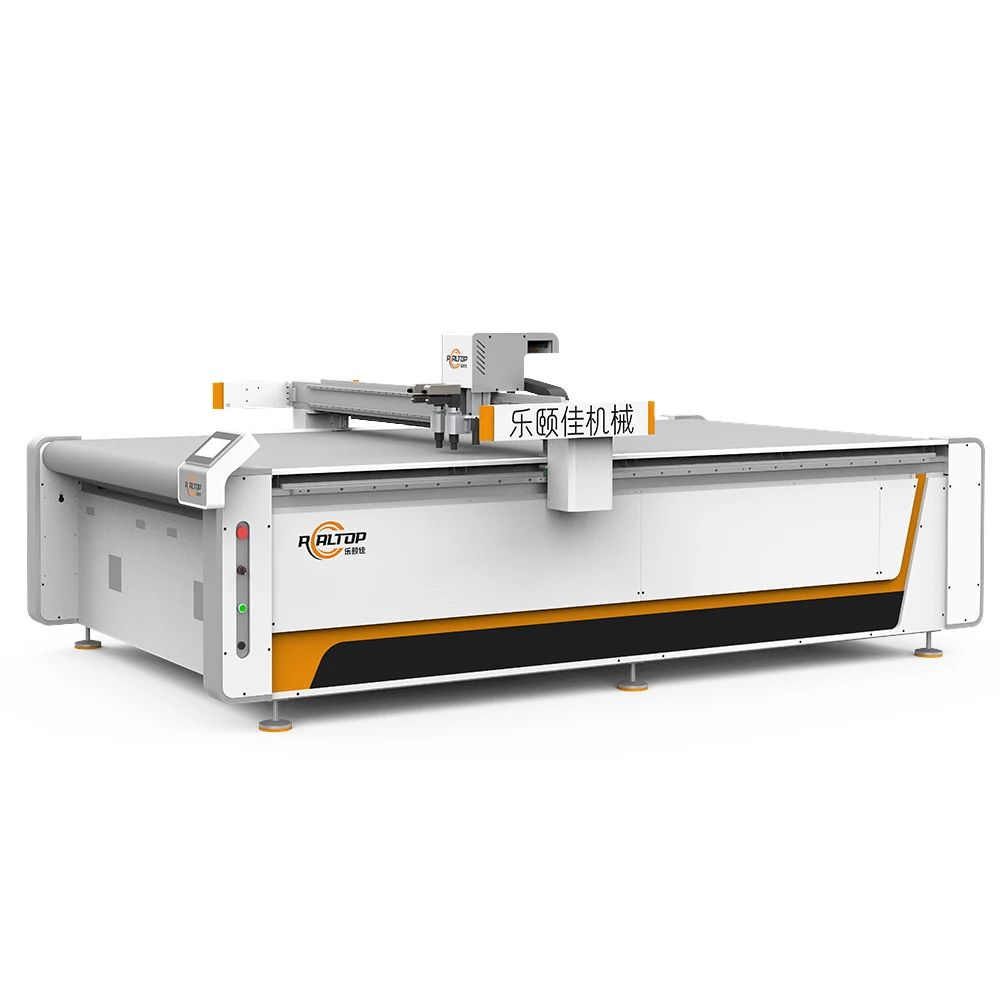
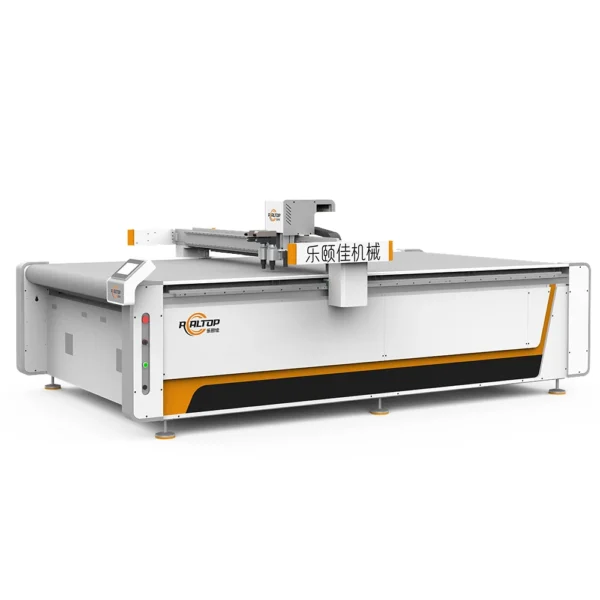
| Product Type | CNC Oscillating Knife Cutting Machine for Packaging and Carton Sample Making |
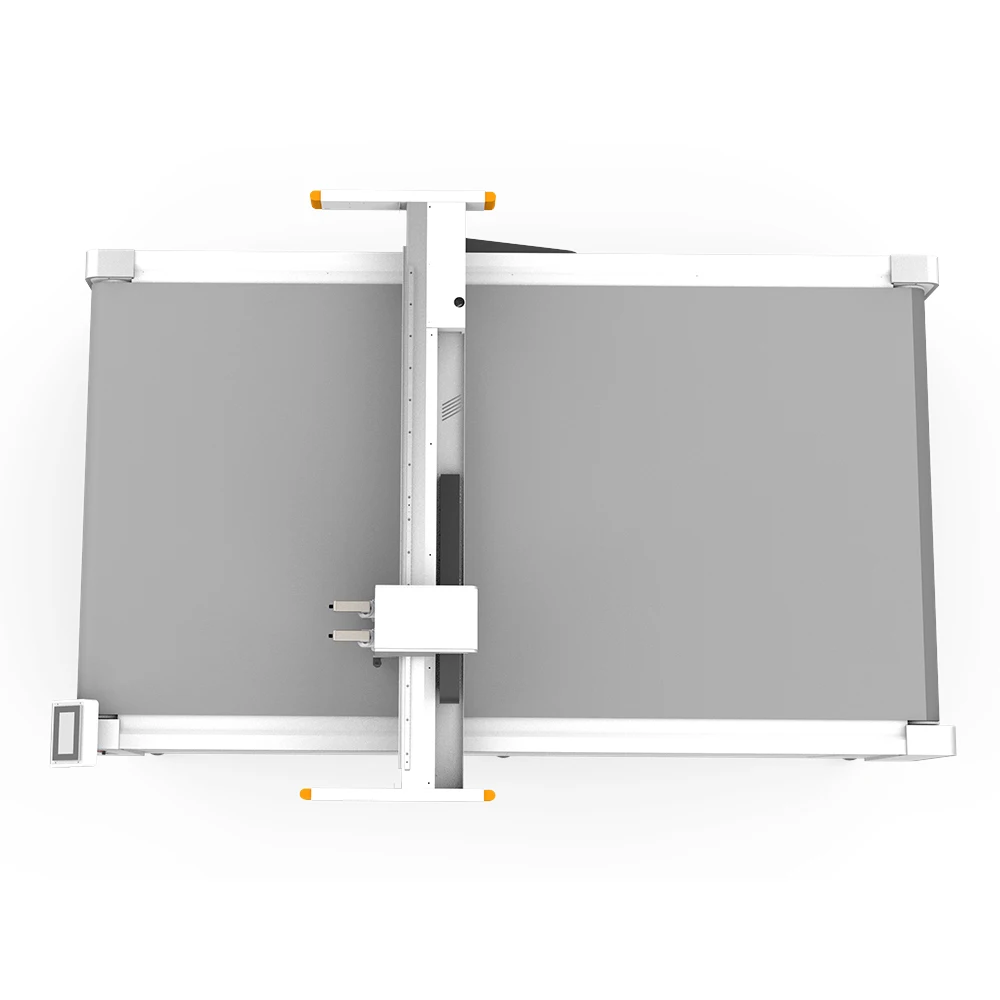
| Working Area | 1600×2500mm |
| Machine Size (L×W×H) | 3450×2300×1250mm |
| Rated Power | 9kW |
| Voltage | 380V±10% (50Hz / 60Hz to be confirmed per market) |
| Table Type | Aluminum alloy honeycomb structure vacuum adsorption platform |
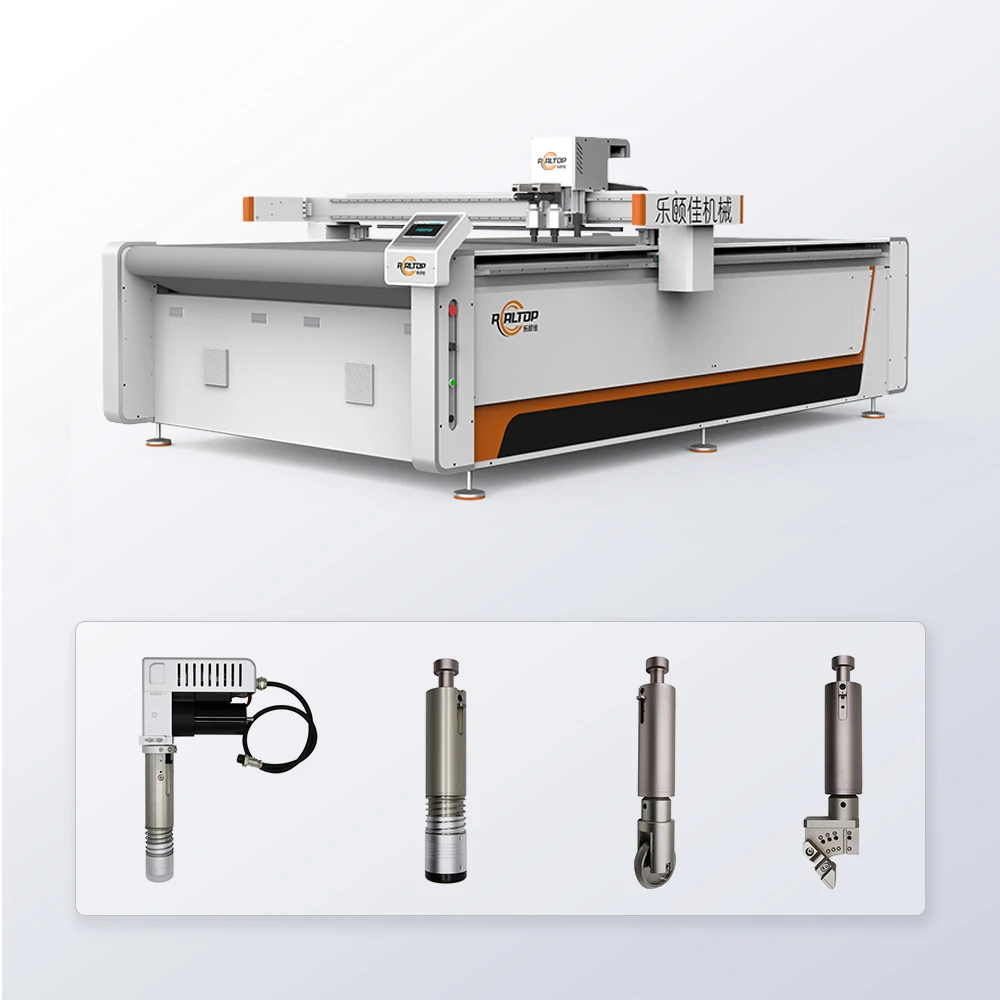
| Tool Head | Swiss imported oscillating knife (full cut, half cut, cursor location) |
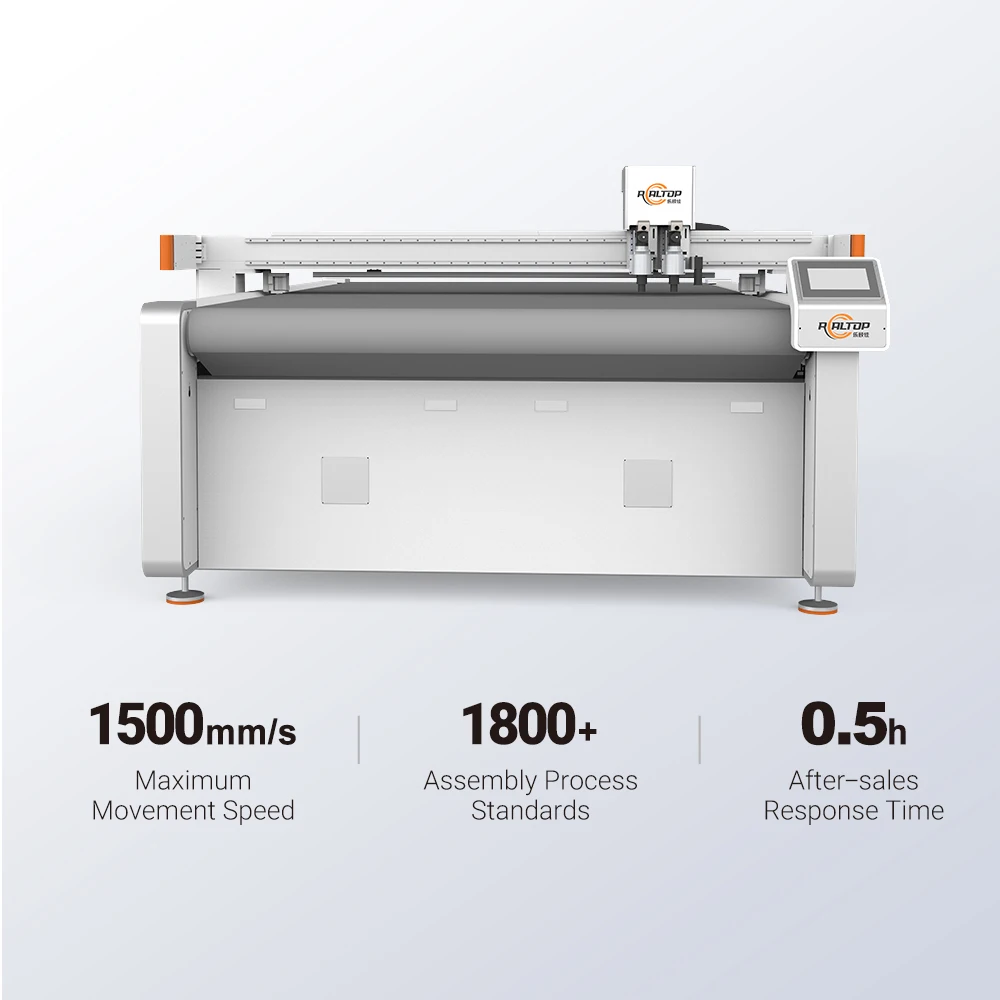
| Translational Velocity | 800–2000mm/s |
| Cutting Speed | 200–800mm/s (depends on material) |
| Cutting Thickness | ≤100mm (varies by material) |
| Repeatability | ≤0.1mm |
| Transmission System | Digital servo motor (Taiwan Delta), linear guide (Taiwan Hiwin), rack and synchronous belt |
| Control / Instruction System | HP-GL compatible format |
| Software | Professional carton nesting and cutting design software; multi-format import (DXF / PLT / AI / PDF to confirm) |
| Safety Device | Infrared sensors and emergency stop |
| Vacuum Pump | 7.5kW |
| Feeding Option | Germany imported conveyor belt, auto feeding available |
| CCD Camera | Automatic positioning / contour recognition (specification to confirm) |
| Certification | CE |
Application Suitability
| Application | Material or Output |
|---|---|
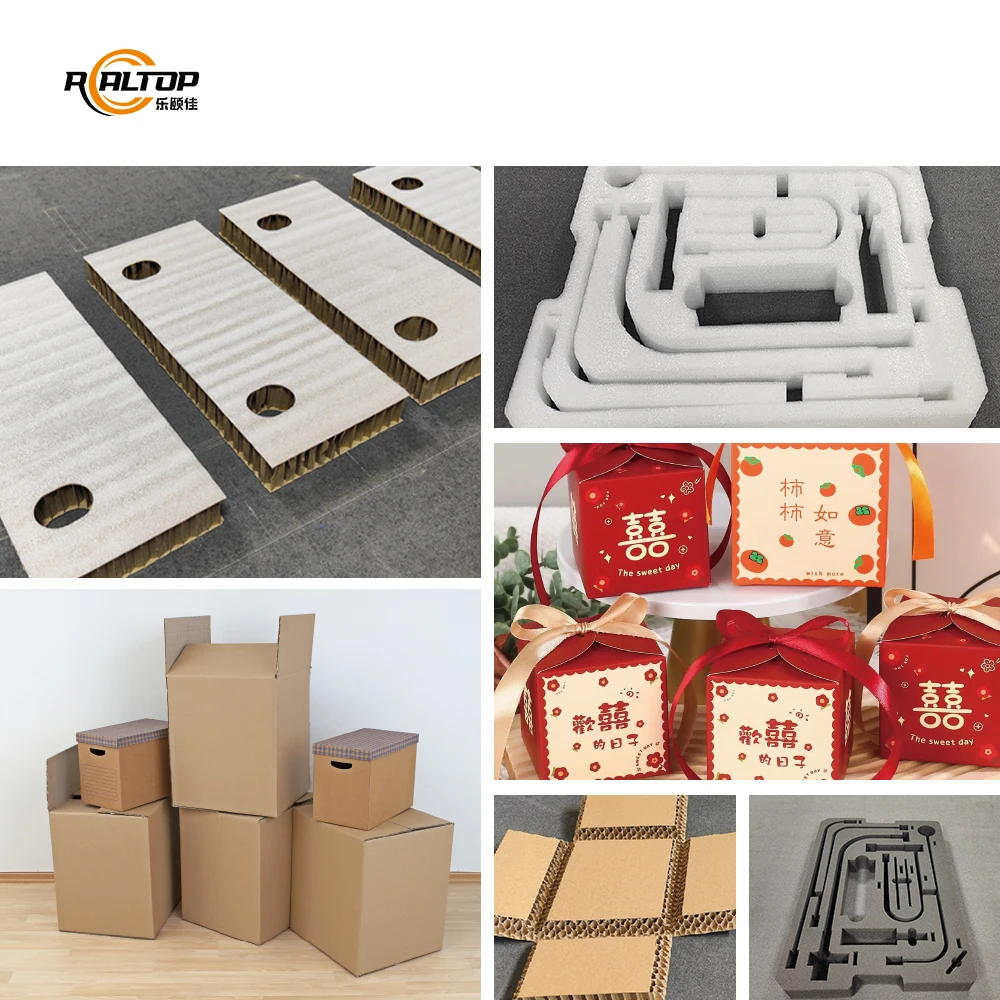
| Packaging carton sample making | Corrugated board, greyboard, folding carton stock |
| Express logistics and appliance boxes | Single, double and triple wall corrugated |
| High-end gift box prototyping | Rigid board, laminated paperboard |
| Sticker and label contour cutting | Self-adhesive vinyl, printed label stock |
| Billboard and hang tag production | PVC sheet, card stock, PP board |
| Flexible non-metal cutting | Leather, sponge composite, PVC soft glass, silicone, rubber |
Why Voltage Verification Must Precede the Order for CNC Oscillating Knife Cutting Machine for Packaging Carton Sample Making
A cutting table specified only on working area and price often fails before it cuts its first sheet, because the electrical cabinet does not match the local supply standard.
I have seen packaging sample rooms lose weeks of prototyping time while waiting for a replacement transformer, simply because the machine was built for 380V/50Hz and plugged into a 415V or 440V three-phase network. The cost is never just the burnt component; it is the missed sample deadlines during peak packaging season [NEED_CITE: voltage and frequency standards by export market]. When a corrugated box prototype is needed for a client presentation on Monday, a tripped breaker or fused contactor turns a digital cutting investment into a workshop obstruction.
Tool Head Selection Matched to Board Density and Flute Profile
The oscillating knife on this flatbed handles full cut, half cut and cursor positioning within a single work cycle, but packaging sample rooms typically run more than one board grade. A Swiss imported oscillating tool head cuts cleanly through double and triple wall corrugated, while a creasing wheel is necessary for fold lines on folding carton. Specifying the right head combination before the machine leaves the factory means the first sample off the table matches production edge quality.
Vacuum Zoning for Small Sticker and Carton Parts
The aluminum alloy honeycomb vacuum adsorption platform holds large corrugated sheets firmly across the 1600×2500mm working area, but small die-cut shapes such as gift box inlays or sticker contours tend to lift at high cutting speed. Zone follow-up on the vacuum table directs suction only under the active cutting region, keeping small parts flat without requiring a full-sheet sacrificial board. This is critical when running short batches of labels or hang tags where every sheet counts [NEED_CITE: vacuum table zoning for small part retention on CNC knife tables].
Drive System and Repeatability Across the Full Bed
Taiwan Delta digital servo motors paired with Taiwan Hiwin linear guides and rack transmission hold repeatability to ≤0.1mm. On a 1600×2500mm bed, this means a crease line at one corner aligns with a fold at the opposite end of a large appliance carton blank. For packaging sample makers developing structural prototypes that will later be converted to mass production steel-rule dies, this alignment ensures the digital sample folds identically to the die-cut production run.
Reading the Specs That Matter for Packaging Production
The stated cutting thickness of ≤100mm covers a wide range of packaging and flexible materials, but real cutting depth depends on flute profile and board density rather than a single number. A double-wall corrugated board cuts differently from a 3mm greyboard at the same speed setting. The 200–800mm/s cutting speed range reflects this variation: rigid board runs at the lower end, while sticker film runs at the upper end. The 9kW rated power accounts for simultaneous oscillating knife movement, vacuum pump load at 7.5kW and servo drive, so the facility must provide a dedicated circuit with adequate capacity. HP-GL compatible instruction format allows the machine to accept files from the professional carton nesting software as well as common design exports, reducing format conversion steps in the sample room workflow.
The Hidden Cost of Skipping Configuration Verification
When a buyer selects a flatbed based on table size alone, the first sign of a mismatch often appears on a multi-layer board job: the knife cannot reach the full cutting depth, or the crease wheel crushes the flute instead of scoring it. Small sticker parts lift off an un-zoned vacuum bed and wrap around the tool head, ruining the sheet and risking blade damage [NEED_CITE: tool head and material mismatch on CNC flatbed cutters]. A CCD camera promised for contour recognition may struggle to track low-contrast print marks at production speed if the camera specification was never verified against the buyer’s actual printed stock. These failures are not machine defects; they are specification gaps that surface only after the machine is on the production floor.
Why Sourcing This CNC Oscillating Knife Cutting Machine for Packaging Carton Sample Making Here
Realtop covers both knife and laser cutting technologies in-house, so packaging buyers are not forced into a laser solution when knife cutting suits corrugated and board stock. The tool head and vacuum table configuration are specified per material stack, not sold as a fixed package. CCD camera positioning is verified against the buyer’s printed marks before the order is finalized. Software file format compatibility with the buyer’s existing nesting workflow is confirmed during the quotation stage. Voltage, plug type, frequency and control language are matched to the destination market and documented in the electrical schematic before the machine leaves the factory. Sample cutting on the buyer’s own board stock produces a physical report showing edge quality and crease depth before commitment.
Documentation & Verification
- Machine specification sheet listing tool head and vacuum zone configuration matched to your board grades
- Electrical schematic confirming voltage, frequency and plug type for your local supply
- Sample cutting report on your own corrugated or carton stock showing edge and crease results
- Software licence with confirmed file format compatibility (DXF / PLT / AI / PDF scope)
- Factory test record documenting repeatability and cutting performance before dispatch
- CE declaration covering the shipped configuration
Installation, Commissioning & Support
- Dedicated circuit required for 9kW rated load plus 7.5kW vacuum pump on 380V±10%
- Machine footprint 3450×2300mm plus conveyor feeding clearance to plan before arrival
- Shipped as complete unit; vacuum table leveling and rack alignment verified on site
- First-run parameter setting for your specific board thickness and flute profile included
- Oscillating knife blade and vacuum filter scheduled as consumable spare parts
- Control language confirmed before shipment; operator training covers nesting software workflow
Before You Send the Inquiry
Specify your board types with flute profile, thickness and grammage, plus the largest sheet size you plan to run. Confirm your workshop voltage, frequency and plug standard, along with the control language your operators need. If you are running printed sticker or label stock, share a sample print so CCD tracking can be verified before the machine is configured.
Frequently Asked Questions
Q: How is cutting thickness verified for corrugated flute and multi-layer board?
A: The stated ≤100mm cutting thickness varies by board density and flute type. We run sample cuts on your actual corrugated or carton stock and document the cutting speed, edge quality and crease depth in a report before the order is finalized, so the configuration matches your production materials rather than a general specification.
Q: How many vacuum zones does the table have for small carton parts?
A: The aluminum honeycomb vacuum platform on the 1600×2500mm bed is configured with zone follow-up capability. The number of independent zones and their activation logic are confirmed based on your smallest part size, ensuring stickers and inlays stay flat without a full sacrificial sheet.
Q: Which tool heads are included for packaging sample work?
A: The Swiss imported oscillating knife handles full cut, half cut and cursor positioning. Additional heads such as a creasing wheel for fold lines, drag knife for thin film, or pen for marking are specified based on your material list and confirmed in the configuration document before shipment.
Q: What software file formats are supported for carton nesting?
A: The professional carton nesting software imports common design formats. The specific file types including DXF, PLT, AI and PDF scope are confirmed against your current design workflow before the order, so your existing files open without manual conversion.
Q: What voltage and control language are confirmed before shipment?
A: The 380V±10% electrical system is configured for your local frequency and plug type, documented in the electrical schematic. Control language options including English, Russian, Italian and Chinese are selected before production so operators can run the machine from day one.


商品评价
Clear filtersThere are no reviews yet.