



Fast Shipping
Carrier information

20k products
Payment methods

24/7 Support
Unlimited help desk

2-day Delivery
Track or off orders
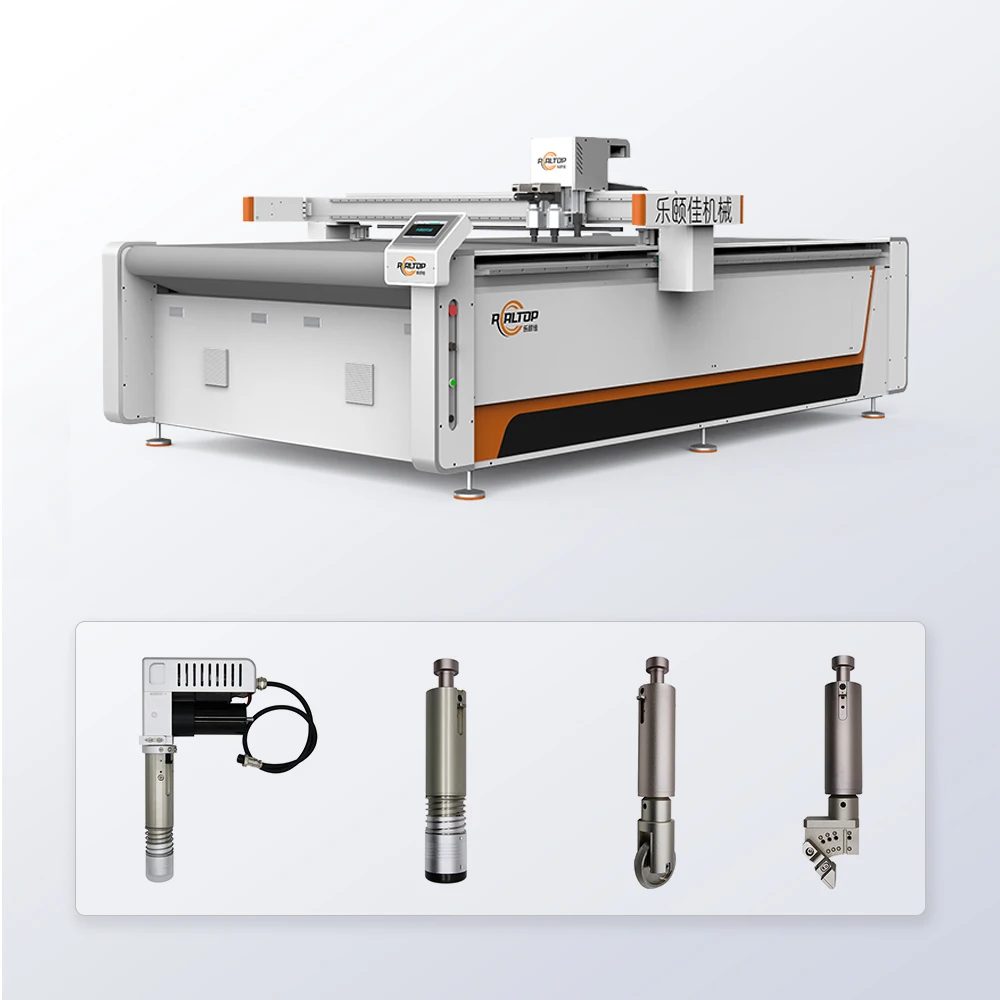
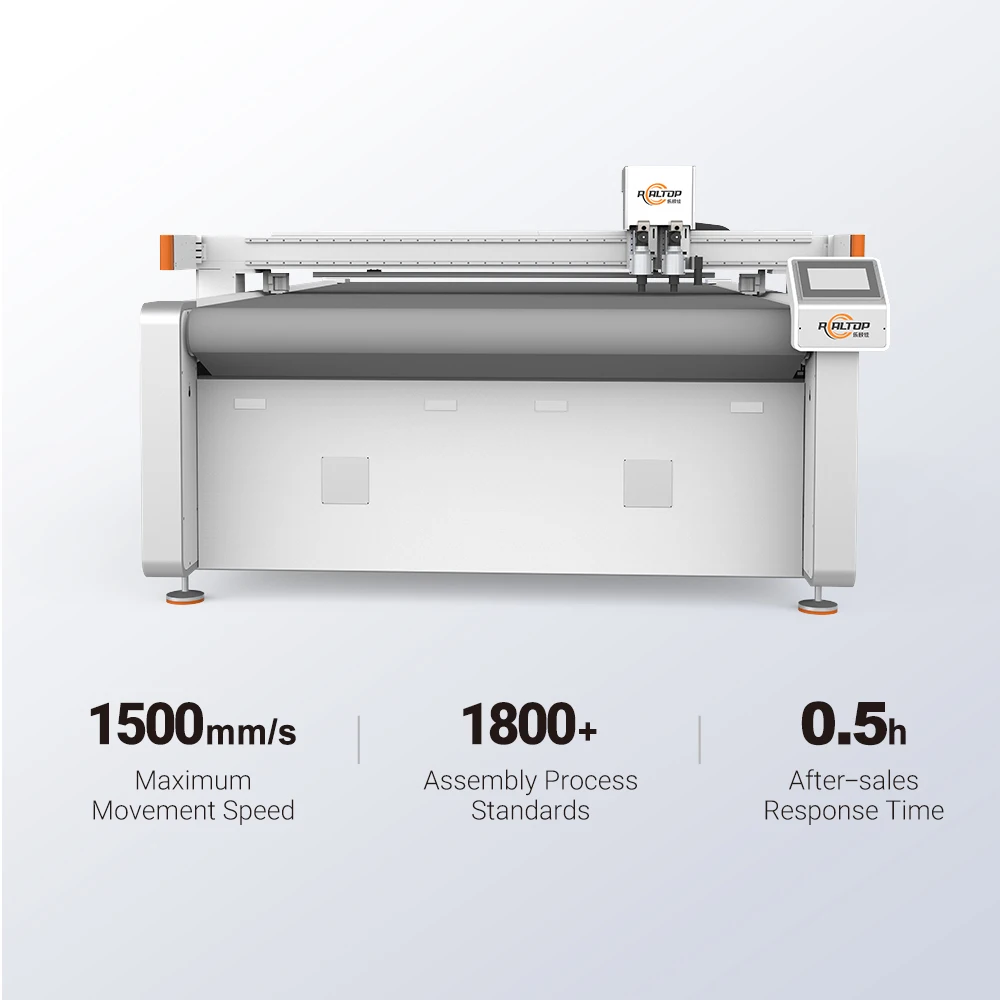
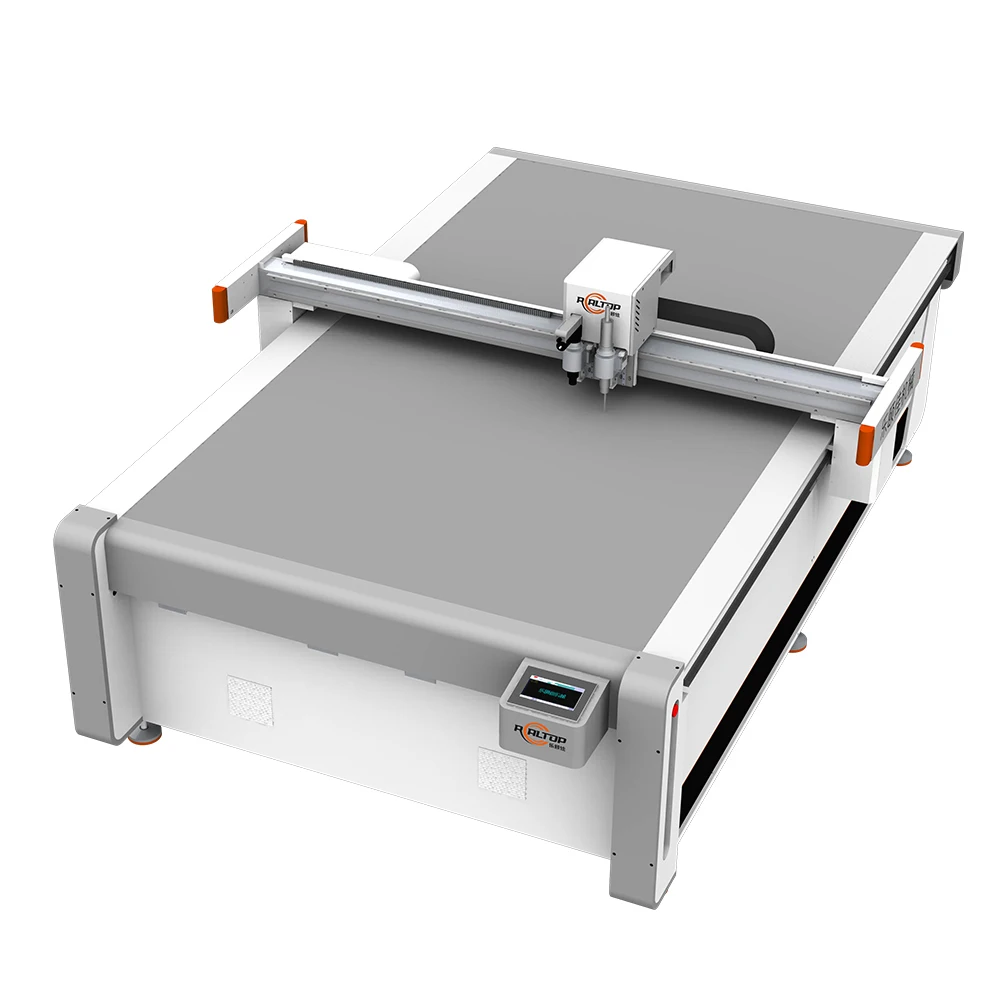
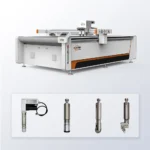
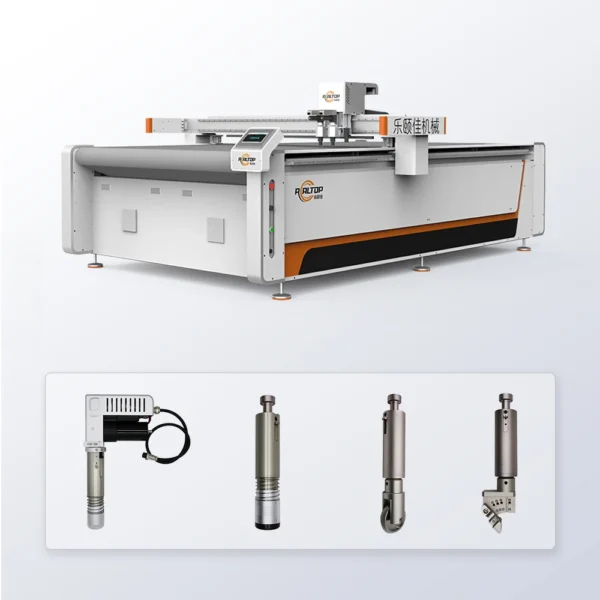
Configurable Tool Heads Per Material — The 1625 CNC oscillating knife cutting machine supports seven distinct tool head options on a single table, allowing packaging producers to switch between corrugated board, greyboard, foam inserts and gasket materials without investing in separate machines or die-cut molds.
Technical Specifications
| Parameter | Value |
|---|---|
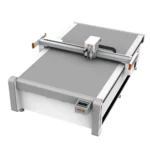
| Product Type | CNC Oscillating Knife Cutting Machine |
| Model | 1625(std.) |
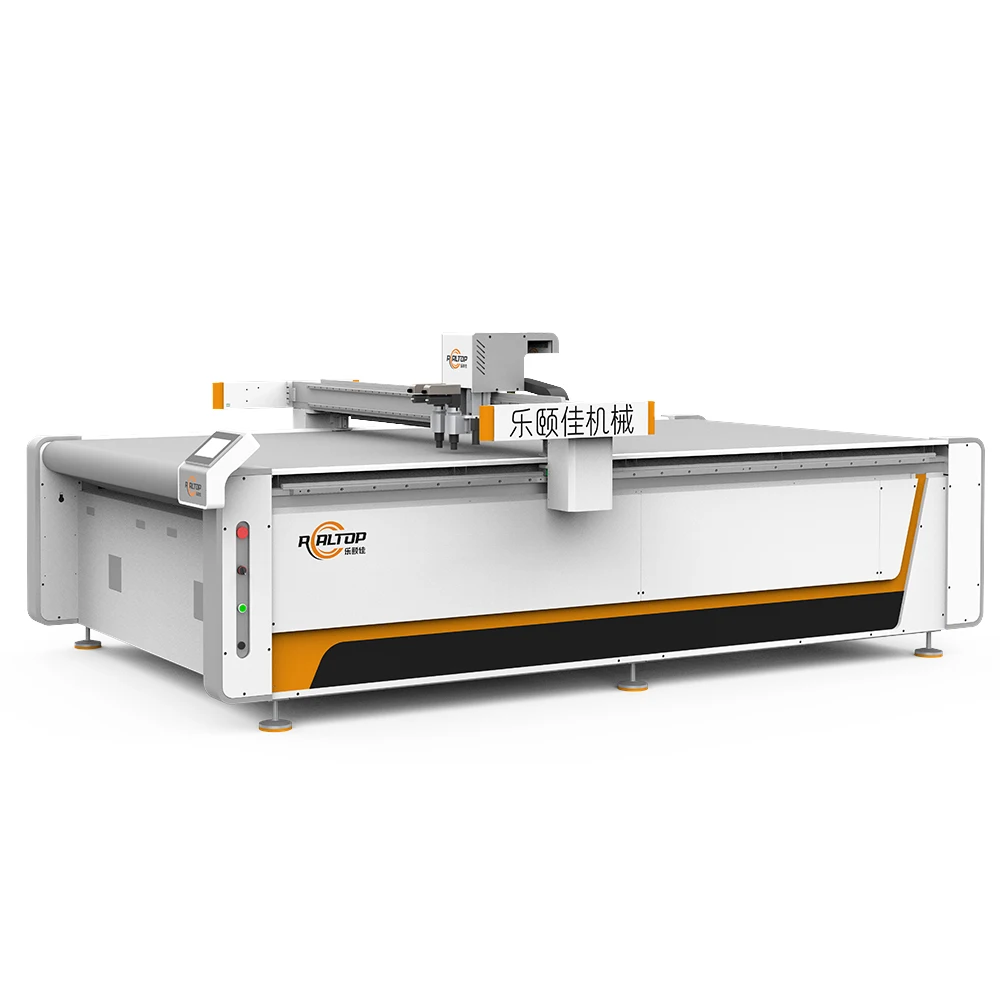
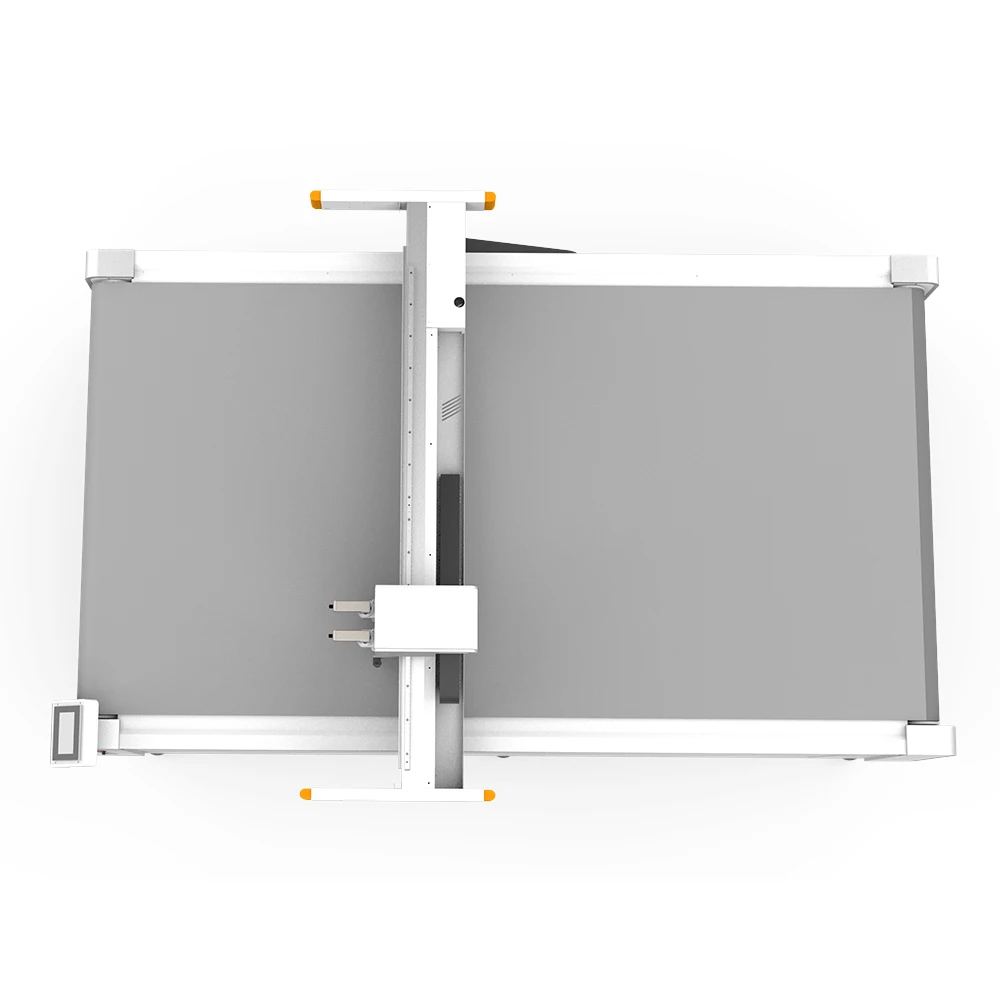
| Working Area | 1600×2500 mm |
| Tool Head Options | Oscillating knife, Driven rotary knife, Creasing wheel, Kiss cutting tool, Pneumatic knife, Milling tool, V groove knife |
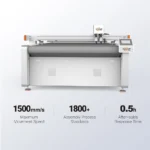
| Cutting Speed | 0-1500 mm/s |
| Cutting Thickness | ≤ 40mm (basis not stated in source — confirm material type and flute structure) |
| Positioning Accuracy | ±0.1 mm |
| Vacuum Pump | 9 kW |
| Vacuum Table | Aluminum bellows vacuum table |
| Servo Motors | Multiple options available (Panasonic, Delta, Dorna) |
| Voltage | 110V, 220V, 380V (frequency to be confirmed by buyer) |
| Control System | PLC control panel with intuitive interface |
| Software & File Formats | PLT, DXF, AI, PDF; dedicated packaging box structure design software |
| Language Options | English, Russian, Italian, Chinese; special languages customizable |
| Safety Device | Infrared sensor device and emergency stop device |
| Machine Size | 3300×2100×1350 mm |
| Assembly State | Fully assembled |
| Standards | CE declared |
Application Suitability
| Application | Material or Output |
|---|---|
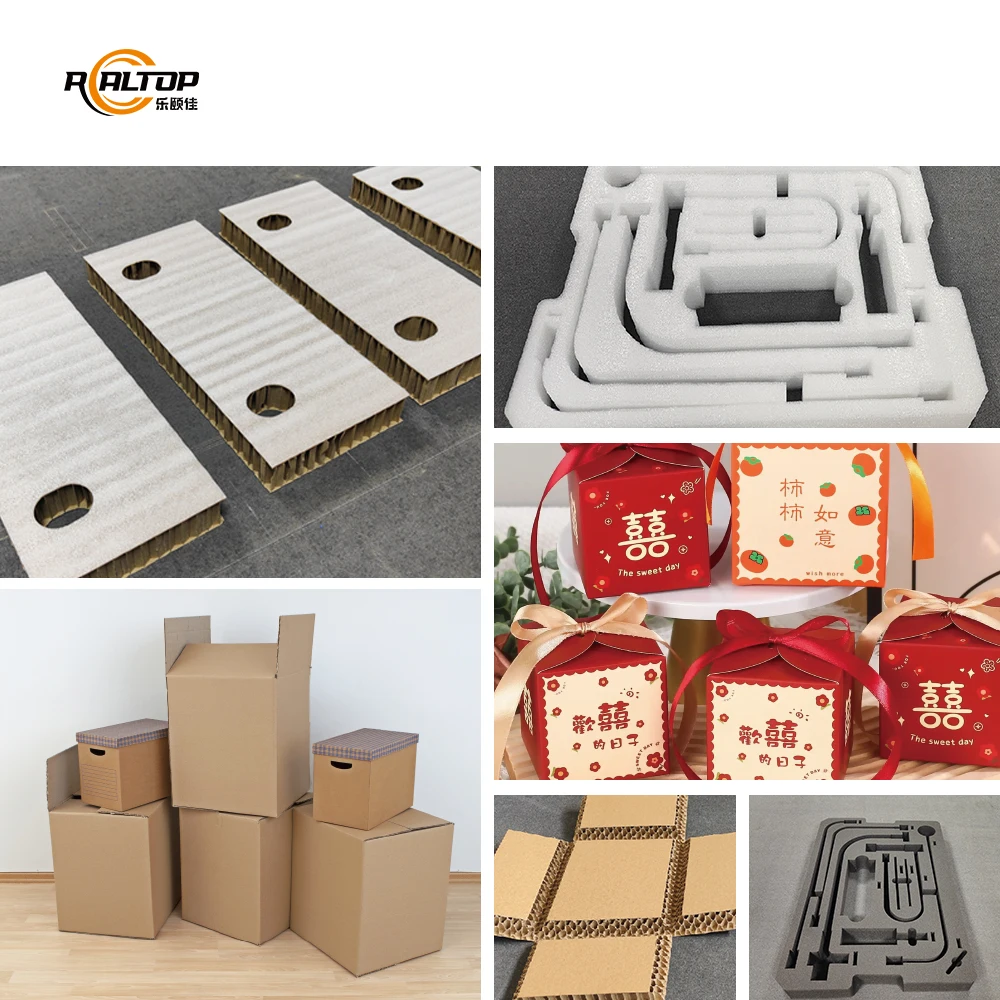
| Packaging box sample making and prototyping | Corrugated cardboard (E-flute, B-flute, BC-flute), greyboard, cardstock, art paper |
| Short-run custom box structures | Specialty paper, adhesive-backed materials, thin plastic sheets (PVC, PET) |
| Protective packaging insert production | EVA foam, EPE foam, PU foam |
| Gasket and sealing component cutting | Rubber mats, composite materials, synthetic leather |
| Textile and soft material cutting for packaging lining | Velvet/fleece fabric, non-woven fabric, leather |
What "Cutting Thickness Up to 40mm" Actually Means on the Shop Floor
Maximum cutting depth depends entirely on material density, flute structure and tool head configuration — not a single number on a spec sheet.
I once flew out to a carton sample maker who had ordered a machine based on a working area that matched their sheet size. When I arrived, they were trying to push a standard oscillating knife through five-layer BC-flute board at full speed. The edges were crushed, the crease lines were torn, and half the samples were going straight into the scrap bin. The machine was perfectly capable — but the tool head and cutting parameters had never been matched to their actual stock. That is why every packaging CNC cutting machine we ship now carries a sample cutting report done on the buyer’s own board before it leaves the factory [NEED_CITE: material-specific cutting depth verification for corrugated board grades].
Matching Tool Heads to Packaging Substrates
The seven tool head options on this CNC oscillating knife cutting machine exist because no single blade geometry handles corrugated board, foam and thin cardstock equally well. The oscillating knife cuts through layered flutes cleanly with high-frequency vertical strokes. The driven rotary knife handles long straight cuts in dense greyboard without drag. The creasing wheel scores fold lines without severing the material, and the V groove knife removes a channel for rigid box hinges. Choosing the wrong combination produces ragged edges or incomplete cuts that force operators into manual trimming after every cycle.
Vacuum Table Zoning for Small Cartons and Inserts
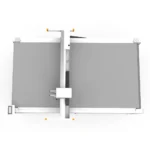
Hold-down is where most packaging cutting tables fail when production shifts from large sheets to small carton blanks. The aluminum bellows vacuum table paired with the 9 kW pump divides the 1600×2500 mm surface into controllable zones. This means operators can activate suction only beneath the active cutting area, keeping small folding carton parts and foam cavity inserts firmly in place even at the upper end of the 0-1500 mm/s cutting speed range. Without zone control, lightweight cardstock and thin foam sheets lift off the bed mid-cut, producing dimensional errors that accumulate across a nesting layout [NEED_CITE: vacuum zoning requirements for small-part digital cutting].
How Accuracy, Speed and File Compatibility Intersect in Real Production
The ±0.1 mm positioning accuracy across the full 1600×2500 mm travel matters most when packaging structures have interlocking tabs and tight-fold registration. At this tolerance, a complex tray-and-lid structure cut in BC-flute will still assemble by hand without forcing. The PLC control panel manages acceleration and deceleration curves so the cutting head does not overshoot at corner points — a common source of overcut in fast carton prototyping. On the software side, the dedicated packaging box structure design software accepts PLT, DXF, AI and PDF imports, which means a buyer’s existing structural design files typically load without re-drawing. Confirming file format and nesting workflow before the order prevents the situation where a design team spends days rebuilding a library of box templates for an unfamiliar proprietary format.
The Hidden Cost of Skipping Material Samples Before Shipment
When a machine arrives and the first cut on local stock produces crushed flutes or incomplete depth, the production delay is never just about swapping a blade. Operators recalibrate, test runs consume expensive board stock, and the packaging producer misses sample delivery deadlines to their own clients. In the worst cases I have seen on packaging lines, the vacuum pump was undersized for the buyer’s smallest carton blank size, and no amount of parameter adjustment could hold the parts flat. A sample cutting report on the buyer’s actual corrugated grade, foam density and cardstock weight eliminates this class of failure before the crate is sealed [NEED_CITE: pre-shipment sample testing for industrial cutting equipment].
What Sets This Build Apart for Packaging Workshops
The in-house design team covers both knife cutting and laser cutting technologies under one roof, so when a packaging producer needs to cut foam inserts with a knife and engrave wooden display stands with a laser, the configuration conversation happens with one engineering group rather than two separate vendors. The aluminum bellows vacuum table is built in-house rather than sourced as a generic flat plate, giving zone control that generic tables cannot match. Tool head and table configuration is documented per order, meaning the exact combination shipped is recorded and repeatable when the buyer adds a second machine later. Voltage, plug type and control panel language — English, Russian, Italian, Chinese or a custom language — are confirmed in writing before production starts, not discovered at uncrating. CE documentation accompanies every unit for buyers in regulated markets.
Documentation & Verification
- Machine specification sheet listing every configured tool head and vacuum zone mapping
- Electrical schematic with confirmed voltage and frequency for your facility’s supply
- Sample cutting report on your corrugated grade, foam density and cardstock weight
- Tool head and table configuration list documenting the exact setup shipped
- Software licence and file format compatibility note covering your PLT, DXF, AI or PDF workflow
- Factory test record captured before dispatch with your material on the bed
Installation, Commissioning & Support
- Fully assembled 3300×2100×1350 mm frame requires adequate workshop door clearance and floor space
- Dedicated electrical circuit matching confirmed 110V, 220V or 380V supply before connection
- 9 kW vacuum pump requires independent power circuit separate from the control and drive system
- First-run parameter tuning on your packaging board stock completed during commissioning visit
- Operator training covers tool head changeover between oscillating knife, creasing wheel and V groove knife
- Spare parts list identifies wear items specific to your configured tool head combination
Planning Your Inquiry
To receive a configuration recommendation that actually matches your packaging output, provide the specific board grades or foam types you cut, the typical sheet dimensions and daily volume, and the voltage and frequency standard at your facility. If you already have a library of box structures in DXF or AI format, share a sample file so compatibility can be verified before the quotation stage.
Frequently Asked Questions
Q: How do I confirm the cutting thickness capacity for my corrugated board before ordering?
A: Send a sample of your actual board stock — including the specific flute type such as E-flute, B-flute or BC-flute and the measured thickness. We run a cutting test with the appropriate tool head and document edge quality, cutting depth and cycle time in a sample report before you commit to the order.
Q: Which tool head combination should I choose for corrugated board, greyboard and foam inserts?
A: A typical packaging workshop configuration pairs the oscillating knife for corrugated flutes, the creasing wheel for fold lines on greyboard, and either the pneumatic knife or oscillating knife for EVA and EPE foam inserts. The final selection depends on your specific material density and cut profile requirements.
Q: How is voltage, plug type and control panel language confirmed before shipment?
A: We issue an electrical schematic and voltage confirmation sheet listing your facility’s exact voltage, frequency and plug standard. Control panel language is selected from English, Russian, Italian, Chinese or a custom option. Both are signed off before production begins so the machine arrives ready to connect.
Q: Can my existing DXF and AI packaging structure files import directly into the software?
A: The dedicated packaging box structure design software accepts PLT, DXF, AI and PDF formats natively. Before the order, we test your actual design files to verify that geometry, crease lines and nesting behavior transfer correctly without requiring re-drawing or format conversion.
Q: What does the factory test and sample cutting cover before the machine ships?
A: The factory test runs your supplied material on the configured machine through a full cutting cycle. The resulting sample cutting report records edge quality, dimensional accuracy against your design file, tool head settings used and vacuum hold-down performance, giving you documented proof of capability before dispatch.


商品评价
Clear filtersThere are no reviews yet.