



Fast Shipping
Carrier information

20k products
Payment methods

24/7 Support
Unlimited help desk

2-day Delivery
Track or off orders
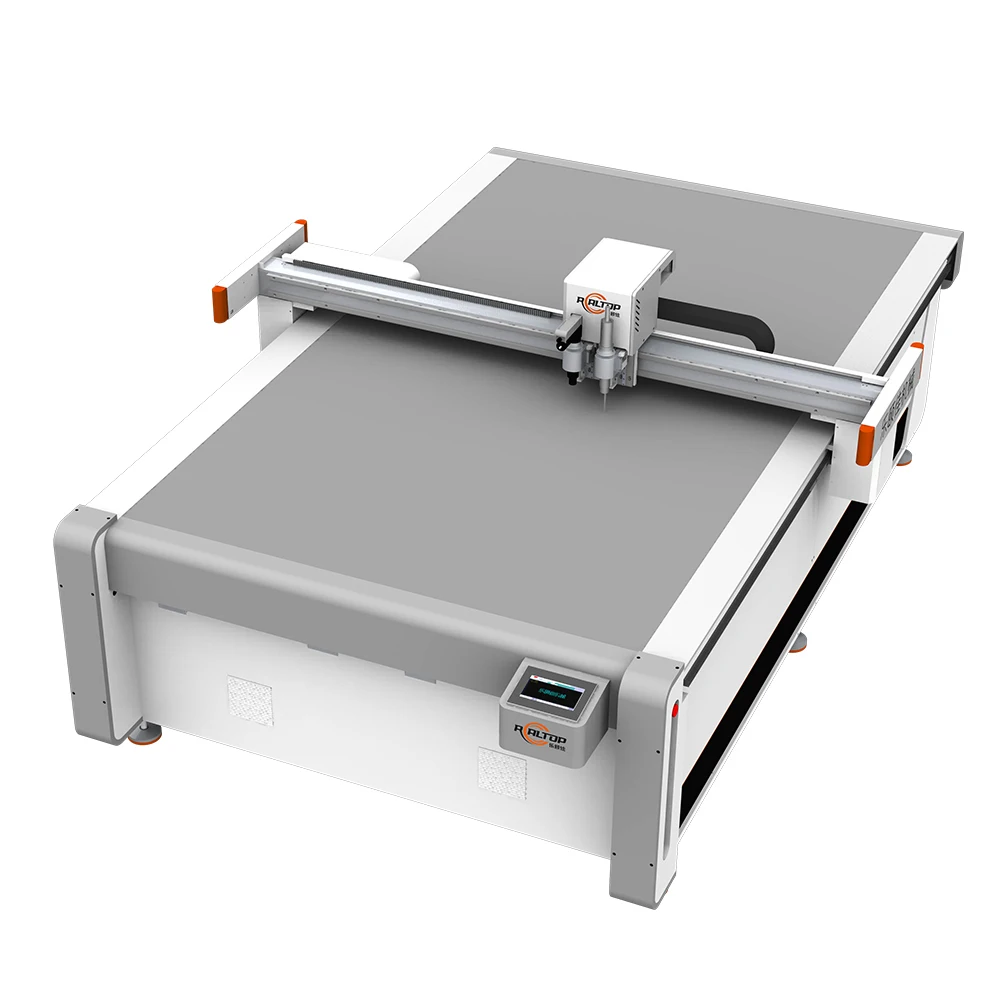
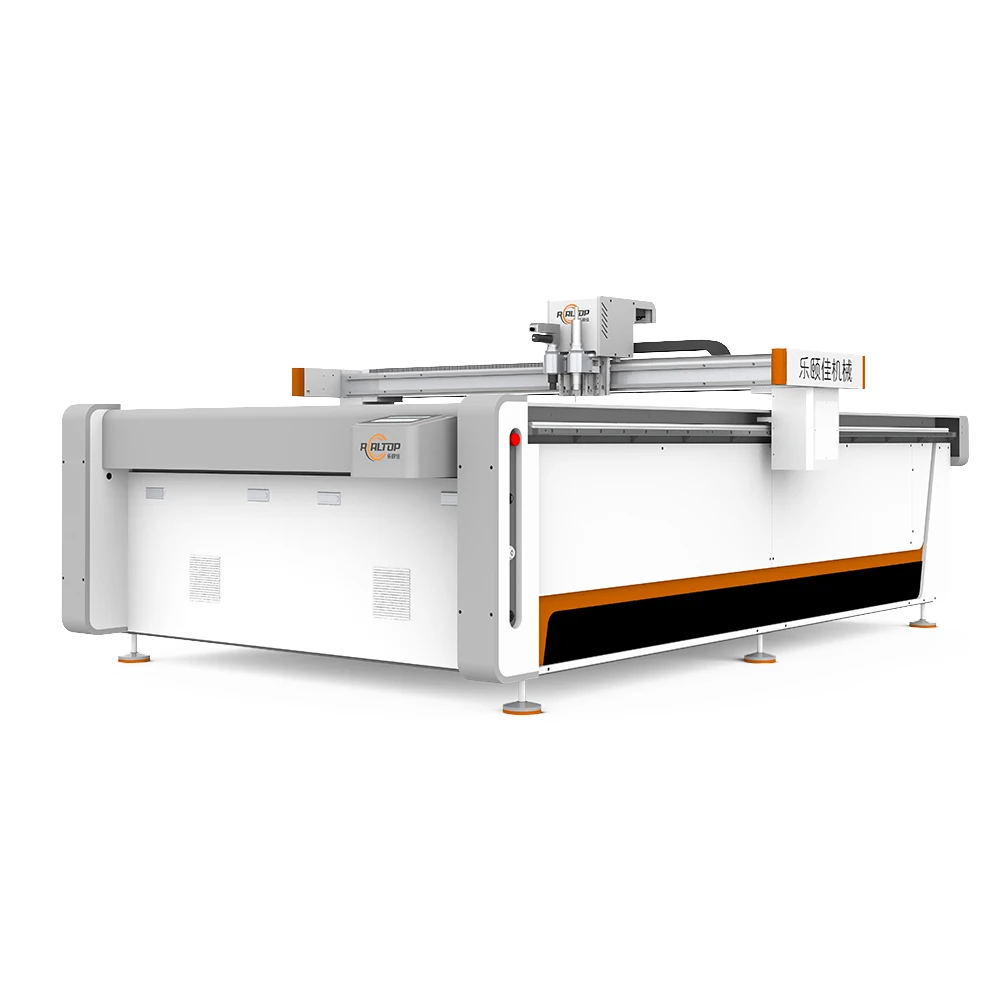
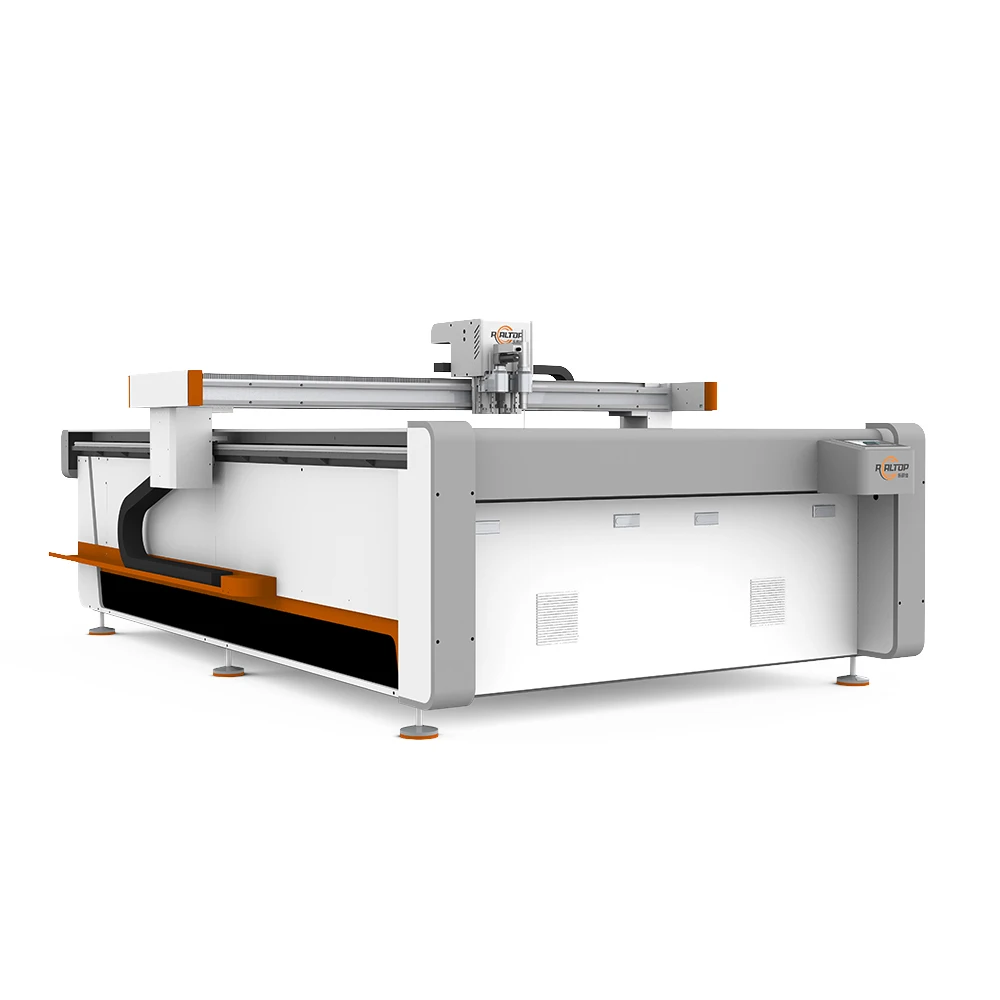
Tool Head Configuration Matched to Material — Every oscillating knife, creasing wheel and V-groove tool is specified against the buyer’s actual packaging substrate before the 1625 leaves the factory.
Technical Specifications
| Parameter | Value |
|---|---|
| Model | 1625 |
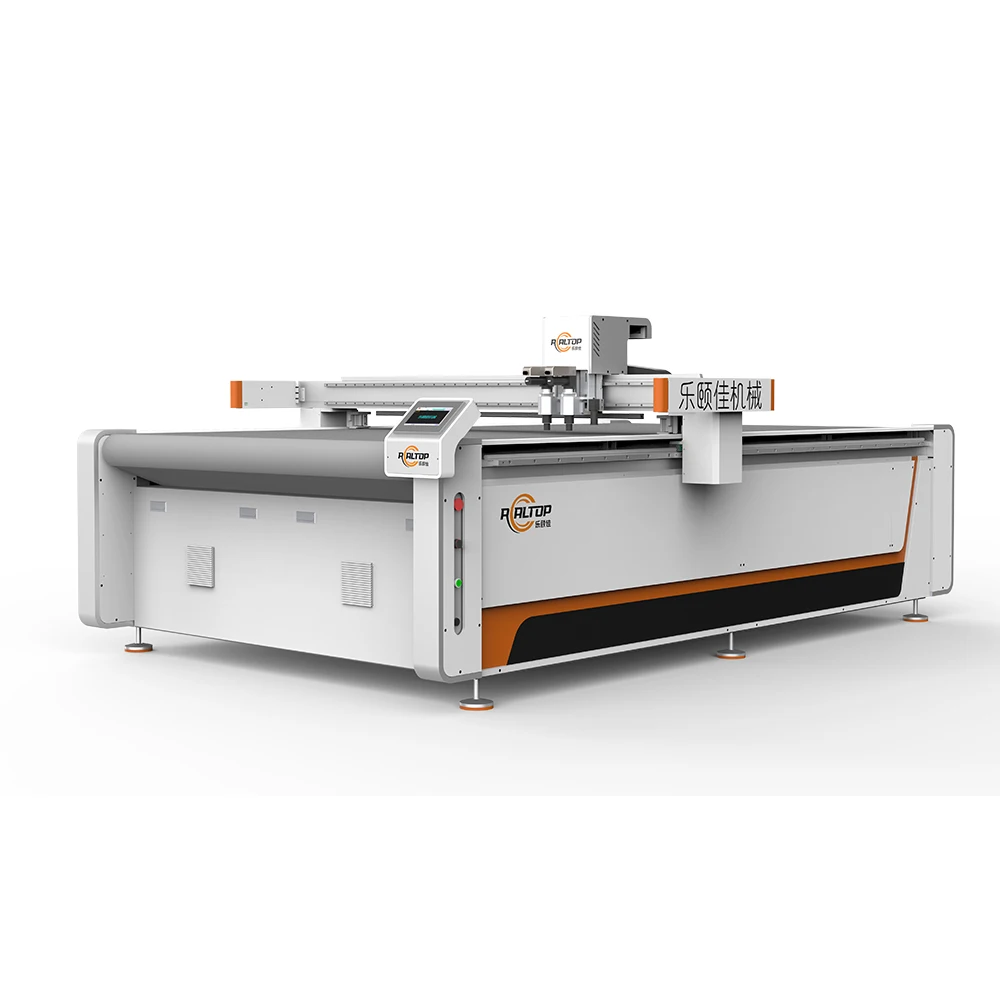
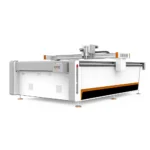
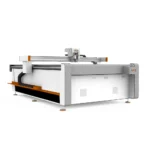
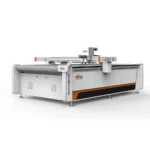
| Product Type | CNC Oscillating Knife Cutting Machine |
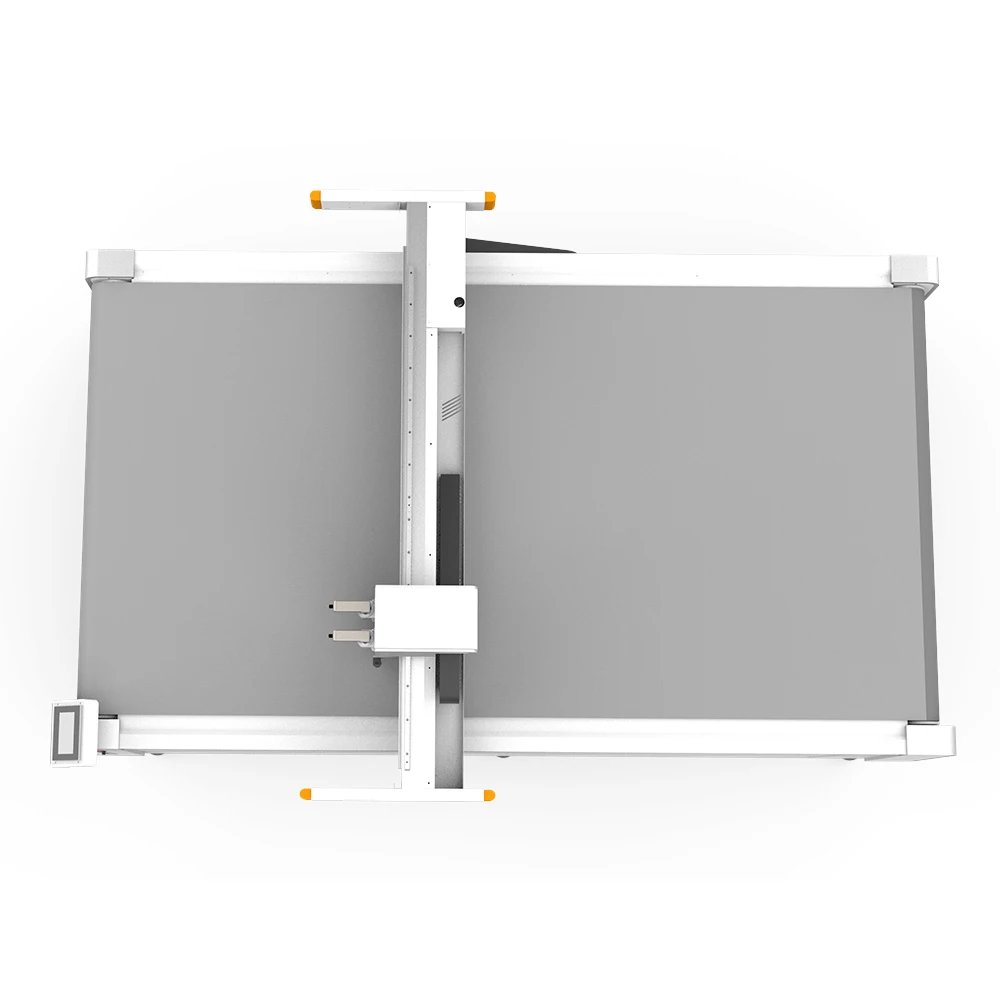
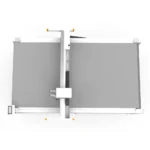
| Working Area | 1600×2500 mm |
| Tool Head Options | Oscillating knife, Driven rotary knife, Creasing wheel, Kiss cutting tool, Pneumatic knife, Milling tool, V-groove knife |
| Cutting Speed | 0-1500 mm/s |
| Cutting Thickness | ≤ 40 mm (basis not stated in source — confirm block format / material / thickness) |
| Cutting Accuracy | ±0.1 mm |
| Vacuum Pump | 9 kW |
| Vacuum Table | Aluminum bellows vacuum table |
| Control System | PLC control panel |
| Servo Motors | Panasonic, Delta, Dorna options available |
| Voltage Options | 110V, 220V, 380V configurable |
| Profile Format Compatibility | PLT, DXF, AI, PDF and others |
| Software | Dedicated packaging box structure design software; English, Russian, Italian, Chinese (special languages customizable) |
| Safety Device | Infrared sensor device and emergency stop device |
| Machine Size | 3300×2100×1350 mm |
| Assembly State | Fully assembled |
| Standards | CE, ISO |
Application Suitability
| Application | Material or Output |
|---|---|
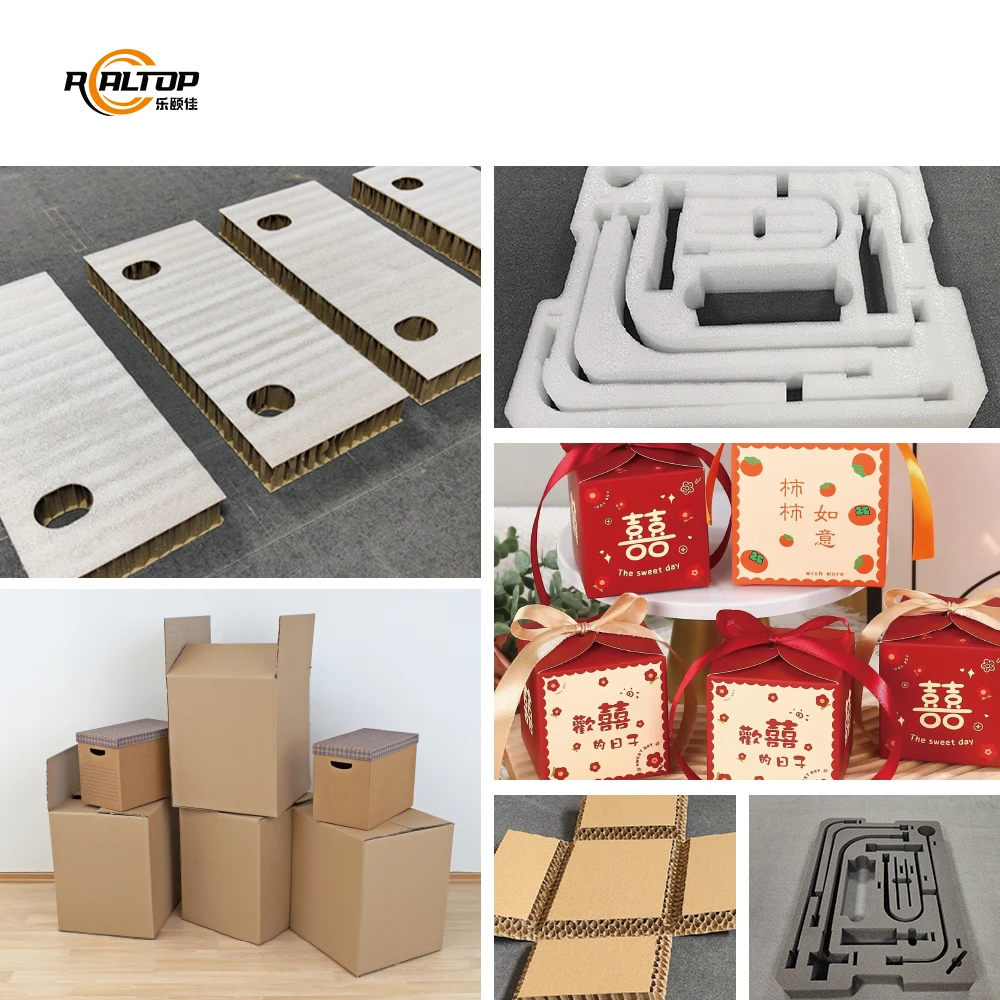
| Packaging sample making and short-run production | Corrugated cardboard (E-flute, B-flute, BC-flute), greyboard, cardstock, art paper, specialty paper |
| Foam and gasket insert cutting | EVA foam, EPE foam, PU foam, rubber mats |
| Protective inner lining fabrication | Velvet/fleece fabric, non-woven fabric |
| Thin plastic and leather packaging components | PVC, PET sheets, leather, synthetic leather |
| Composite and adhesive-backed packaging | Composite materials, adhesive-backed substrates |
Why Specifying Only the Working Area Leaves You Exposed
A 1600×2500 mm bed tells you nothing about whether the machine will hold down small carton samples or cut through multi-ply corrugated board cleanly.
When a buyer narrows their search to a CNC oscillating knife cutting machine based on table size alone, two failures tend to show up on the first production day. Small nested carton pieces lift off the table because the vacuum zoning was never matched to the layout. Crease lines on BC-flute board come out crushed rather than folded because the creasing wheel pressure was never calibrated for that flute profile [NEED_CITE: vacuum zoning requirements for small nested packaging parts]. These are not software problems you can fix with a firmware update — they are configuration decisions that had to be made before the machine was built.
Matching the Tool Head to the Packaging Substrate
The 1625 supports seven distinct tool head types, and selecting the correct one depends entirely on what you are cutting that week. An oscillating knife handles straight and curved contour cuts through corrugated board and foam inserts, while a driven rotary knife is better suited for continuous long cuts in fabric and non-woven inner linings. A creasing wheel produces the fold lines on carton samples without severing the material, and a kiss cutting tool scores adhesive-backed labels and thin films without cutting through the backing paper. Switching between these tools on the same table lets a packaging sample shop handle a corrugated box prototype in the morning and an EVA foam insert run in the afternoon without moving the workpiece to a second machine.
Vacuum Hold-Down Across the Full 1600×2500 mm Bed
The aluminum bellows vacuum table paired with a 9 kW pump provides full-surface suction across the entire working area, but suction alone does not solve the small-part problem. When a nesting layout places dozens of small carton samples across the bed, un-zoned vacuum can lose grip on individual pieces as surrounding material is cut away and released [NEED_CITE: vacuum table zoning and small part retention on flatbed cutting tables]. Confirming the vacuum zoning configuration against your typical nesting pattern is a step that belongs in the pre-order specification review, not on the installation day.
Reading the Specs That Actually Matter for Packaging Work
Cutting accuracy of ±0.1 mm matters most when you are producing crease lines on multi-ply corrugated board where a fraction of a millimetre determines whether a carton folds square or binds at the corners. The available PLC control panel manages tool path execution, while servo motor options from Panasonic, Delta or Dorna let the buyer balance motion precision against local service availability. Voltage configurability across 110V, 220V and 380V means the electrical specification can be locked to the destination market before production starts, avoiding the cost and delay of on-site transformer installation. The dedicated packaging box structure design software accepts PLT, DXF, AI and PDF files, which covers the export workflows most packaging designers already use — but file format compatibility should still be confirmed with a test import before the order is placed.
The Hidden Cost of a Wrong Configuration Choice
Choosing an oscillating knife where a V-groove knife was needed means the buyer discovers on day one that folded carton corners do not sit flat, requiring a second manual scoring pass that the machine was supposed to eliminate. An underspecified vacuum pump or poorly zoned table causes thin specialty papers to shift mid-cut, producing scrap that accumulates quickly across a short-run order [NEED_CITE: material lift and scrap rates on flatbed digital cutting tables]. Selecting a control language that the shop floor operators cannot read forces the production manager to stand at the panel for every job changeover, turning a digital workflow back into a supervised manual process.
Why Packaging Buyers Source This Machine Here
In-house design covers both the knife tooling and the table engineering, so the tool head selection and vacuum configuration are specified together rather than sourced from separate vendors who will blame each other when edge quality fails. Every configuration is built around the buyer’s stated material stack and daily volume, not quoted from a fixed catalogue page. Sample cutting runs on the buyer’s own packaging substrate are completed and documented before commitment, showing edge quality, crease depth and kiss-cut accuracy on the actual material the machine will process. Software compatibility, voltage and control language are confirmed in writing before the machine enters production.
Documentation & Verification
- Machine specification sheet listing every configured tool head and vacuum zone for your 1625
- Electrical schematic with confirmed voltage and plug type for your destination market
- Sample cutting report on your corrugated or foam material with edge and crease photographs
- Software licence documentation with file format compatibility note for your design workflow
- Factory test record showing cutting accuracy verification before the machine is crated
Installation, Commissioning & Support
- Fully assembled 3300×2100×1350 mm frame requires adequate workshop door clearance and level floor
- Dedicated electrical circuit sized to the confirmed 110V, 220V or 380V supply and 9 kW vacuum pump load
- PLC control panel parameter setup and tool head calibration performed on your packaging materials at commissioning
- Operator training covers tool change procedures across all configured heads including creasing wheel and kiss cutting tool
- Spare parts list itemises blades, creasing wheels and vacuum table seals specific to your 1625 configuration
- Routine maintenance schedule covers vacuum pump filter intervals and servo motor inspection points
What to Prepare Before Requesting a Quotation
Send the specific packaging materials you cut most often — including flute profile, board thickness and any adhesive or composite layers — along with a typical nesting layout file in your preferred format. Confirm your facility voltage, frequency and the control language your operators need on the PLC panel. If you are replacing an existing die-cutting process, share your current daily sample volume so the tool head and table configuration can be sized to your actual workflow rather than a generic estimate.
Frequently Asked Questions
Q: How do I specify the correct tool head for different corrugated flute profiles?
A: E-flute, B-flute and BC-flute each require different oscillating knife frequencies and creasing wheel pressures. Share your exact flute profile and board thickness so the tool head configuration on your CNC oscillating knife cutting machine can be set and sample-tested before shipment.
Q: Will the software accept my existing packaging design files?
A: The dedicated packaging software accepts PLT, DXF, AI and PDF formats. We confirm compatibility by importing your actual design files during the pre-order stage and verifying that fold lines, cut paths and dimensions transfer correctly to the 1625.
Q: How is voltage and control language confirmed before the machine ships?
A: Voltage (110V, 220V or 380V), plug type and PLC panel language are locked in the written specification before production begins. This avoids on-site electrical rework and ensures your operators can navigate the control interface from day one.
Q: Is the vacuum table adequate for small carton sample layouts?
A: The 9 kW pump and aluminum bellows table cover the full 1600×2500 mm area, but small nested parts need confirmed zoning. We review your typical nesting file to verify that vacuum zones hold each piece securely through the complete cutting cycle.
Q: What does sample cutting on my material involve?
A: Send a representative sheet of your packaging material. We run it on a configured 1625, document edge quality, crease depth and cutting accuracy in a written report with photographs, and adjust the tool head setup before you commit to the order.


商品评价
Clear filtersThere are no reviews yet.