





Fast Shipping
Carrier information

20k products
Payment methods

24/7 Support
Unlimited help desk

2-day Delivery
Track or off orders
Configuration matched to material — Tool heads and vacuum zones are specified per packaging substrate and flute type, not quoted as a generic working area. [NEED_CITE: tooling selection methodology for corrugated and foam packaging materials]
Technical Specifications
| Parameter | Value |
|---|---|
| Model | 1625 |
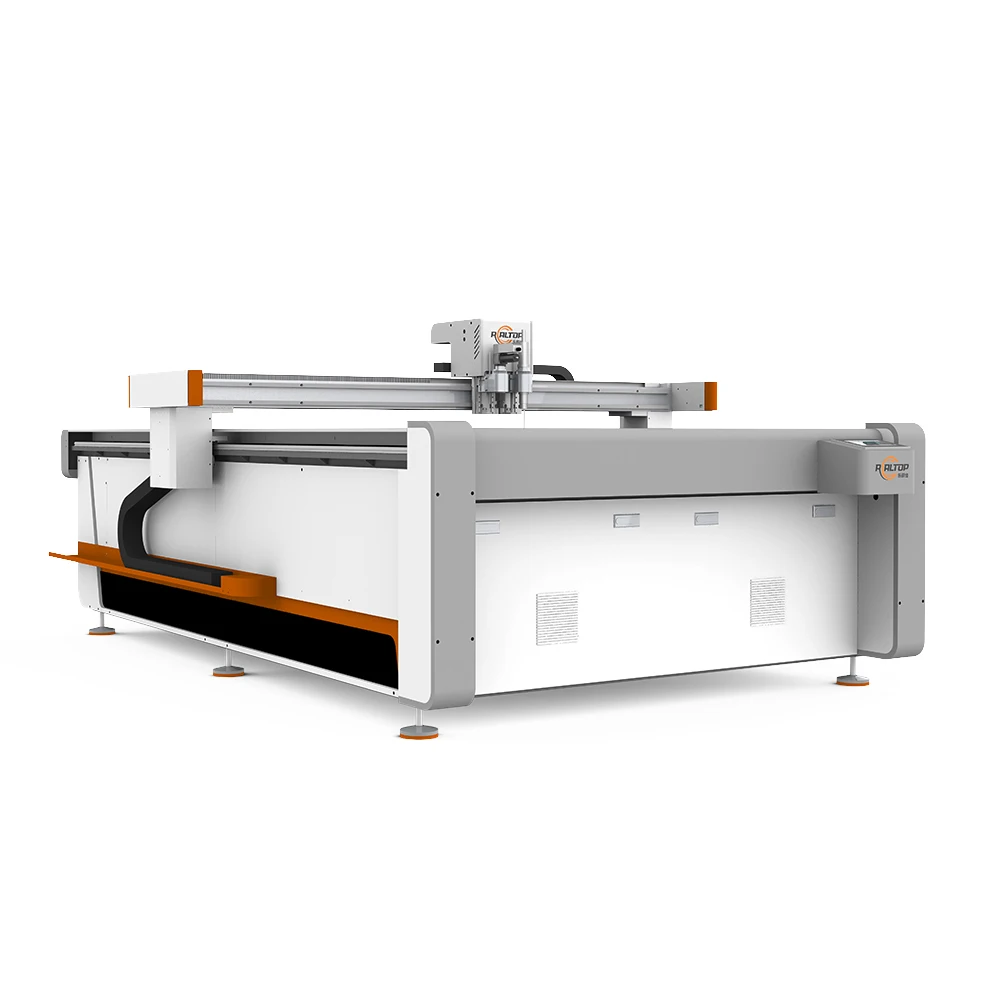
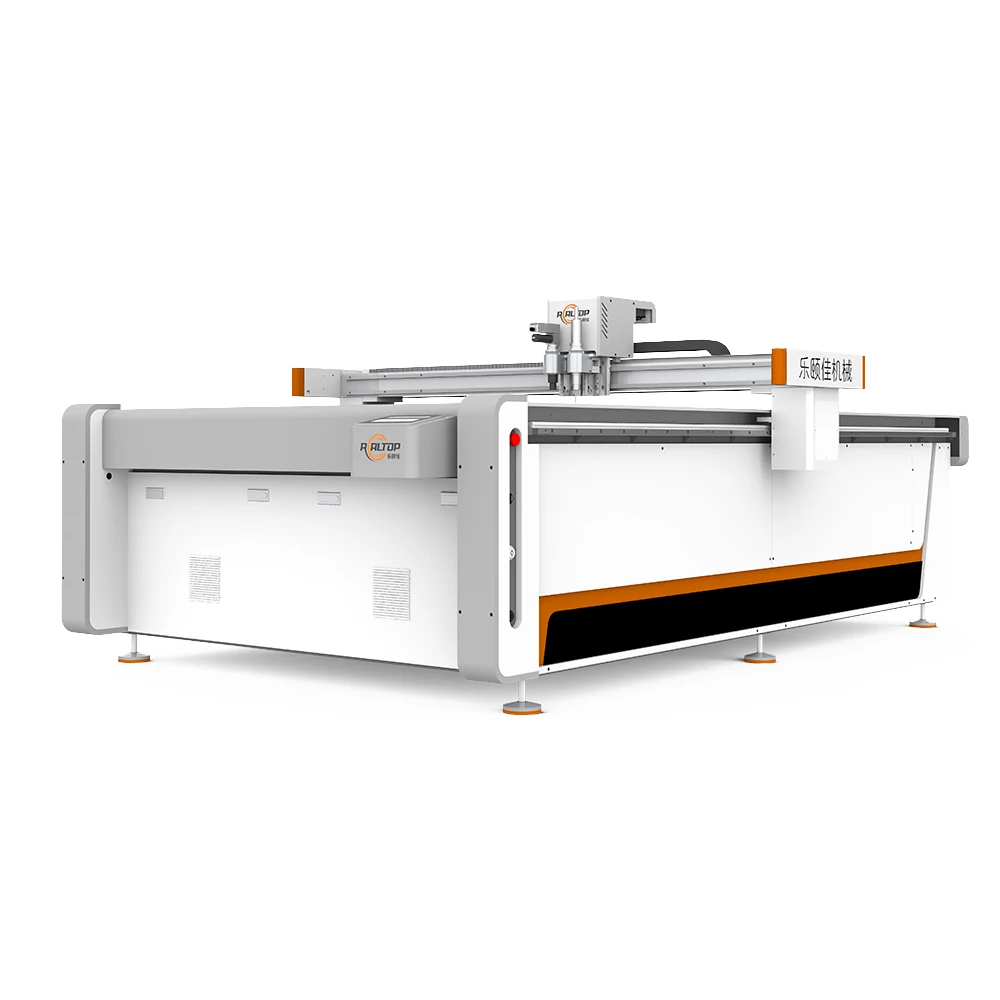
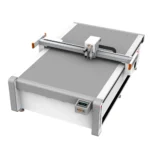
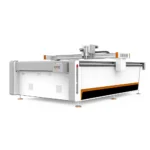
| Product Type | CNC Oscillating Knife Cutting Machine |
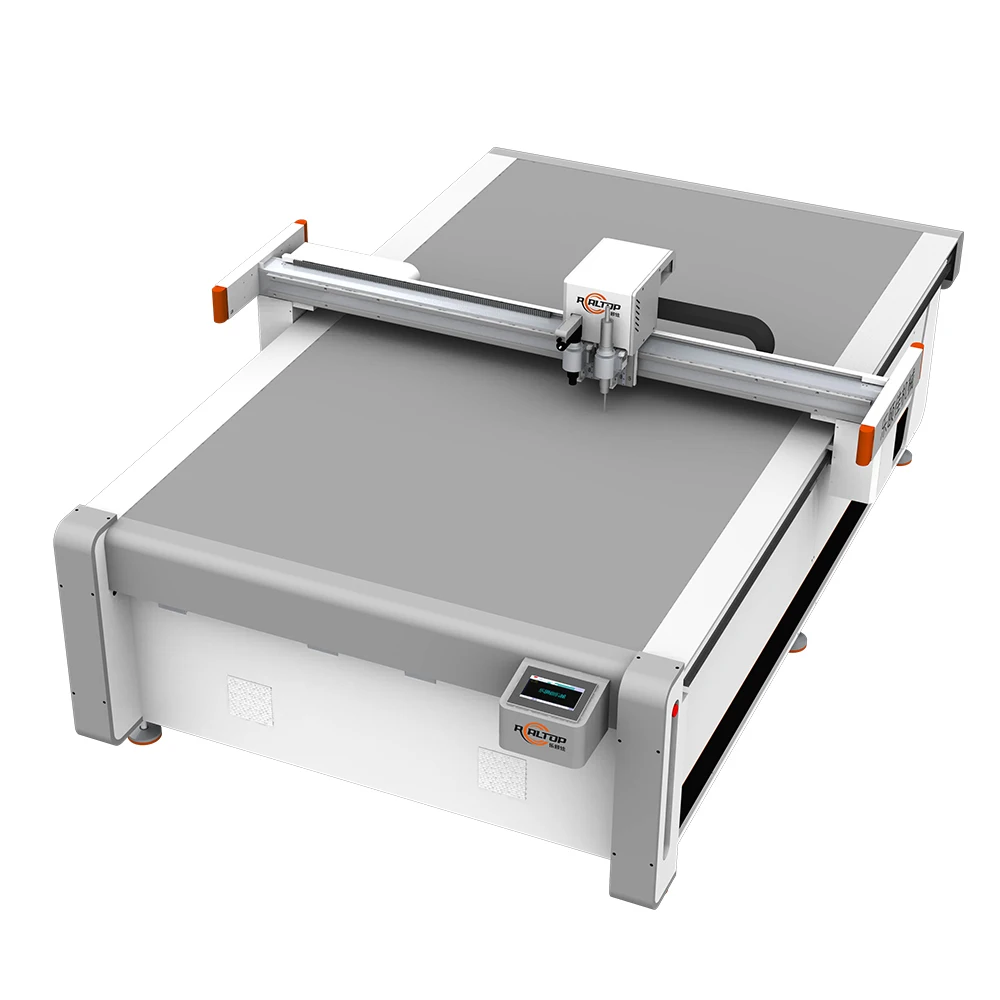
| Working Area | 1600 × 2500 mm |
| Cutting Speed | 0 – 1500 mm/s |
| Cutting Thickness | Up to 40 mm (basis to be confirmed against material density and flute profile) |
| Cutting Accuracy | ±0.1 mm |
| Vacuum Pump Power | 9 kW |
| Vacuum Table | Aluminum bellows construction |
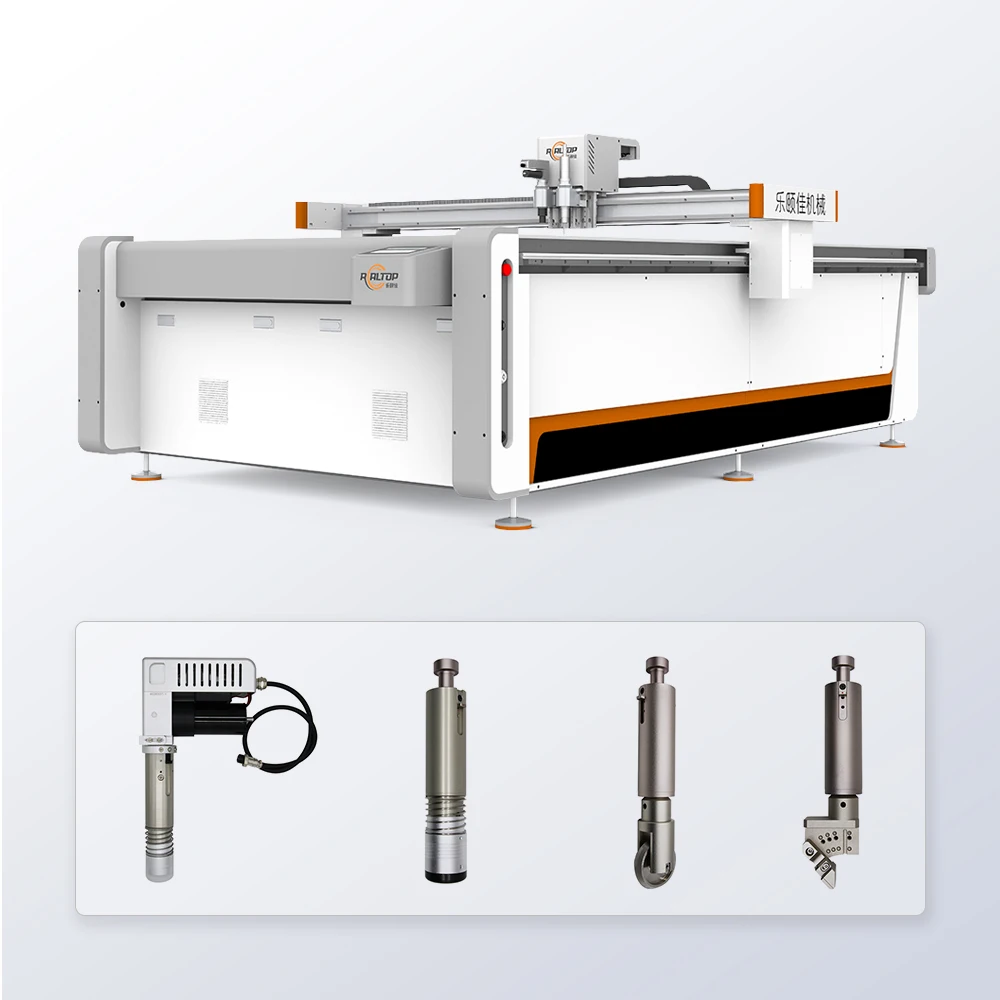
| Available Tool Heads | Oscillating knife, Driven rotary knife, Creasing wheel, Kiss cutting tool, Pneumatic knife, Milling tool, V groove knife |
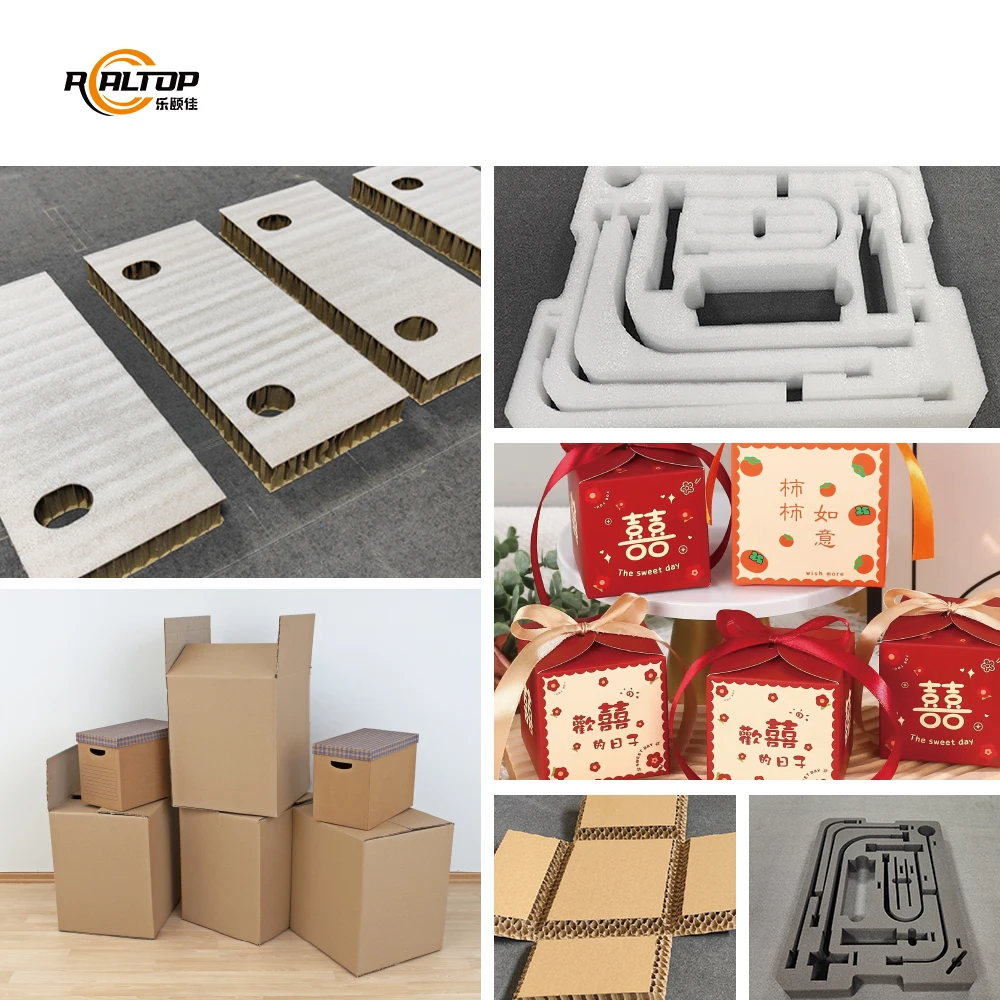
| Applicable Materials | Fabric, Cardboard, Carton, Mats, PVC, EVA, Leather, Acrylic, Foam, PTFE, Rubber |
| Control System | PLC control panel with optional display languages |
| Servo Motor Options | Panasonic, Delta, Dorna |
| Voltage Options | 110V / 220V / 380V (frequency 50/60 Hz to be confirmed) |
| File Format Compatibility | PLT, DXF, AI, PDF |
| Safety Devices | Infrared sensor device and emergency stop device |
| Machine Dimensions (L×W×H) | 3300 × 2100 × 1350 mm |
| Language Options | English, Russian, Italian, Chinese, custom languages available |
| Standards | CE declared |
Application Suitability
| Application | Material or Output |
|---|---|
| Packaging sample making | E-flute, B-flute and BC-flute corrugated board, greyboard, specialty cardstock |
| Foam insert fabrication | EVA, EPE and PU cushioning profiles for protective packaging |
| Short-run carton production | Adhesive-backed materials, PVC/PET thin plastic sheets, synthetic leather |
| Gasket and mat cutting | Rubber, PTFE, non-woven fabric and composite sheets |
| Prototyping and die-cost avoidance | Single-piece and small-batch packaging structures across mixed substrates |
Why Material Thickness Alone Is Not Enough to Specify a CNC Oscillating Knife Cutting Machine for Packaging Sample Making
A board grade and flute profile must dictate the tool head, not just the caliper measurement.
A buyer specifies a machine based on working area and maximum cutting thickness, then discovers the oscillating knife crushes the flutes on double-wall corrugated or leaves ragged edges on high-density greyboard. The cutting thickness figure on a spec sheet means very little without knowing which tool head is doing the work and at what oscillation frequency. I have seen packaging sample makers lose entire production windows because the wrong knife was fitted for their actual board stock, not the test sample [NEED_CITE: cutting tool selection for corrugated packaging substrates].
Matching Tool Heads to Packaging Substrate Layers
A packaging structure is rarely one material. A single carton sample may involve B-flute corrugated for the body, greyboard for rigid inserts, and EVA foam for cushioning — each demanding a different cutting action. This CNC oscillating knife cutting machine for packaging sample making offers interchangeable heads: the oscillating knife handles fluted board without crushing, the creasing wheel scores fold lines without cutting through, and the kiss cutting tool scores adhesive-backed labels without penetrating the liner. The V groove knife produces clean chamfers on foam inserts. Selecting the correct head per layer is confirmed before the machine ships.
Vacuum Table Zoning for Small Packaging Components
Packaging sample making produces small, irregular offcuts that lift off a flat table the moment the knife passes. The aluminum bellows vacuum table on this 1625 cutter is divided into zones so suction concentrates only under the material being cut, rather than bleeding across the full 1600 × 2500 mm bed. This keeps lightweight cardstock and thin PVC sheets flat against the surface during high-speed contour cuts [NEED_CITE: vacuum hold-down principles for thin flexible materials]. Without zoning, small carton flaps and foam dowels shift mid-cut, destroying registration between the crease line and the cut edge.
Reading the Specs That Actually Affect Your Output
The ±0.1 mm cutting accuracy figure matters most when crease lines must align with cut contours on a folding carton — even a small drift produces a box that will not close square. The 9 kW vacuum pump is sized to maintain suction across the aluminum bellows table even when cutting porous corrugated board, where air leakage through flutes would starve a weaker pump. Servo motor options from Panasonic, Delta, and Dorna determine how smoothly the head accelerates through tight corners on intricate carton structures. The PLC control panel with multi-language support means operators adjust feed rate and oscillation frequency directly at the machine without relying on external software translation.
The Cost of Skipping the Sample Cut
Choosing a tool head from a catalog description rather than testing it on your own board grade is where packaging sample makers lose time and material. An oscillating knife set to the wrong frequency tears the liner on adhesive-backed stock or leaves a crushed, fuzzy edge on high-density greyboard that will not accept print. A creasing wheel that is too blunt scores the surface without compressing the fibres, so the carton cracks instead of folding. These failures appear only when the machine meets the buyer’s actual production stock — which is why a sample cutting report on your specific board grade and foam density should precede any order confirmation [NEED_CITE: packaging sample validation before equipment commitment].
What the Build Process Covers Before Dispatch
The 1625 is configured per order, not pulled from a standard batch. Tool head selection, vacuum zone layout, voltage and plug type, control language and software file compatibility are all confirmed in writing before production starts. The in-house design team covers both knife and laser cutting technologies, so the cutting method matches the material rather than forcing one approach across every substrate. Every machine runs a factory test on the buyer’s own material sample, and the results are documented before crating. CE declaration is provided where applicable, and the packing record includes photographs of the configured machine before it leaves the Jinan facility.
Documentation & Verification
- Sample cutting report on buyer’s corrugated board grade and foam density
- Tool head and vacuum zone configuration list per material stack
- Electrical schematic with confirmed voltage, frequency and plug type
- Software licence and file format compatibility note for PLT, DXF, AI, PDF
- Factory test record with cut samples from buyer’s own material
- Operation and maintenance manual in confirmed control language
Installation, Commissioning & Support
- Floor space of approximately 3300 × 2100 mm with clearance for material loading on the 1625 bed
- Dedicated electrical circuit matching confirmed voltage option (110V / 220V / 380V) and frequency
- Machine arrives assembled; vacuum pump and PLC panel connected and tested on-site
- First-run parameter tuning for buyer’s board flute type and foam density using sample stock
- Operator training on tool head changeover, vacuum zoning adjustment and PLC language selection
- Spare parts list covering oscillating knife blades, creasing wheels and vacuum seals
What We Need to Quote the Right Configuration
Send a sample of your most common board grade, flute type and foam insert material with the thickness you actually run — not the maximum you might encounter. Confirm your workshop voltage, frequency and plug standard, along with the control panel language your operators need. Let us know which CAD or packaging design software you currently use so we can verify file format import before the machine is built.
Frequently Asked Questions
Q: Which tool head is right for my flute type and board thickness, and how is that decided before shipment?
A: We cut your actual corrugated board and foam samples with different heads — oscillating knife, creasing wheel, V groove — and document the edge quality, fold integrity and cycle time for each. The combination that produces clean results on your specific stock is the one that ships with the machine.
Q: Can the machine import my existing packaging design file format and nesting workflow without re-drawing?
A: The control system accepts PLT, DXF, AI and PDF files. Before order confirmation, we run your actual design files through the software to verify import, nesting behaviour and cut path generation so there are no surprises when the machine arrives at your facility.
Q: How is vacuum table zoning configured for small carton samples to prevent material lift during cutting?
A: The aluminum bellows table is divided into independently controlled zones. We configure the active zone layout based on the smallest part in your sample set, concentrating suction where the knife is working so lightweight cardstock and foam offcuts stay flat throughout the cut cycle.
Q: What voltage, frequency, plug and control panel language will the machine ship with for my country?
A: Voltage options are 110V, 220V or 380V, with frequency and plug type confirmed in writing before production. Control panel languages include English, Russian, Italian and Chinese, with custom languages available on request — all specified on your order documentation.
Q: Do you cut samples on my own board and foam before I commit, and what does the sample cutting report include?
A: Yes. You send your production material, and we test multiple tool head and speed combinations. The report documents the configuration used, edge and crease quality observations, and recommended parameters so you know exactly what the machine will produce before you place the order.


商品评价
Clear filtersThere are no reviews yet.