



Fast Shipping
Carrier information

20k products
Payment methods

24/7 Support
Unlimited help desk

2-day Delivery
Track or off orders
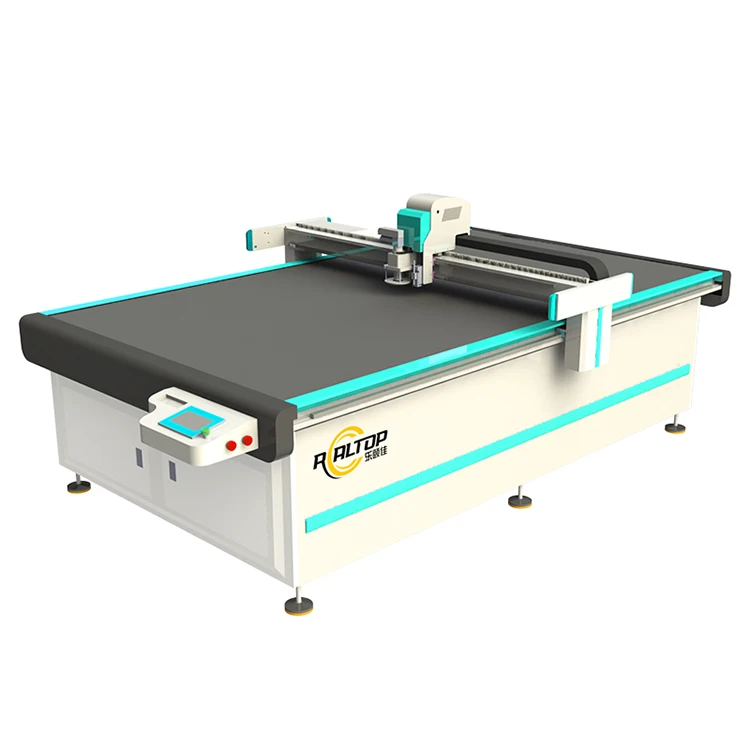
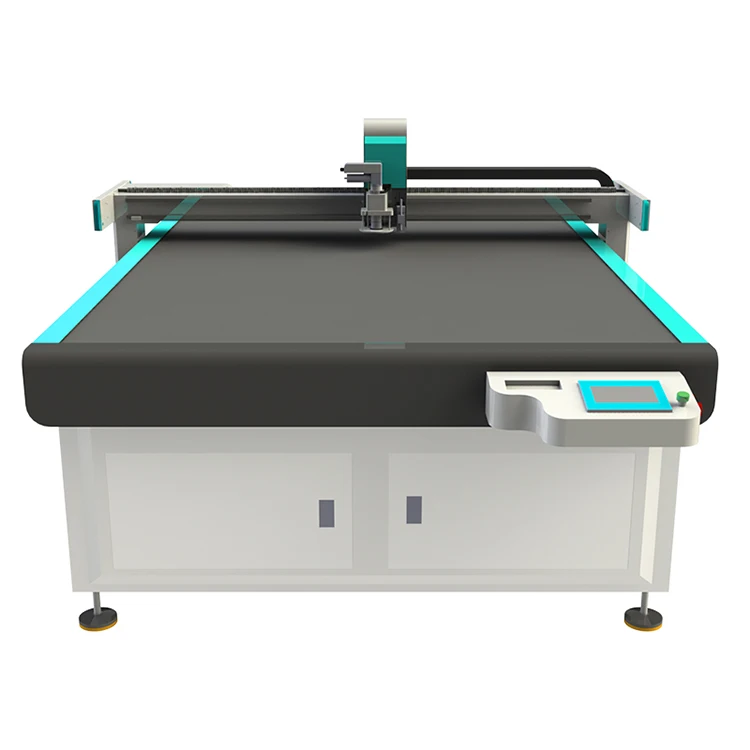
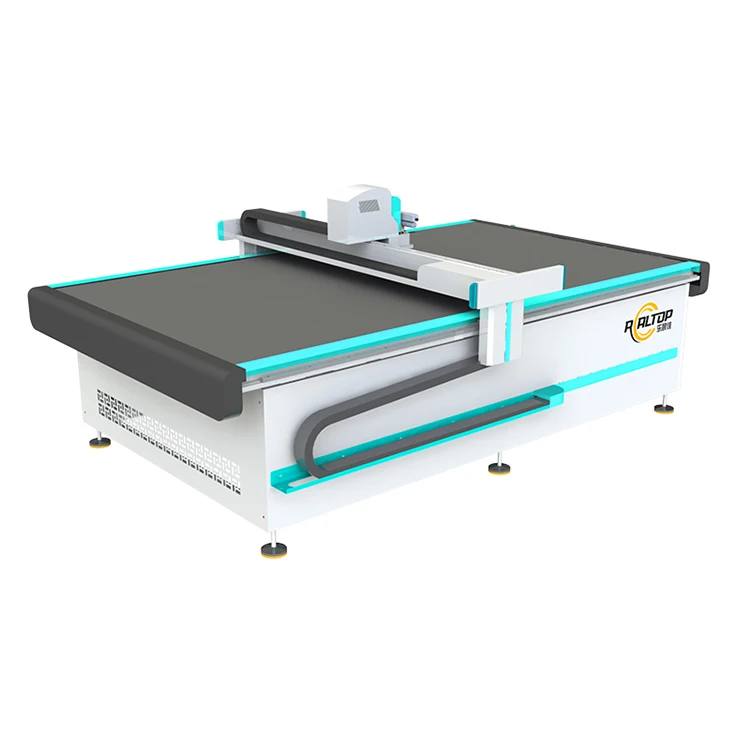
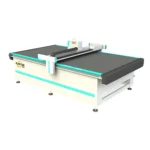
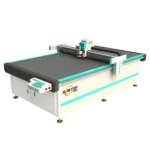
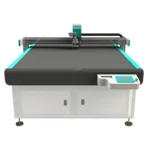
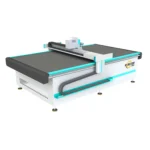
Oscillating knife and table configuration matched to your material — tool head, vacuum zone layout and software workflow are confirmed on the buyer’s actual sticker film or flexible sheet before the order is finalized.
Technical Specifications
| Parameter | Value |
|---|---|
| Model | RT-D2516/RT-S2516 |
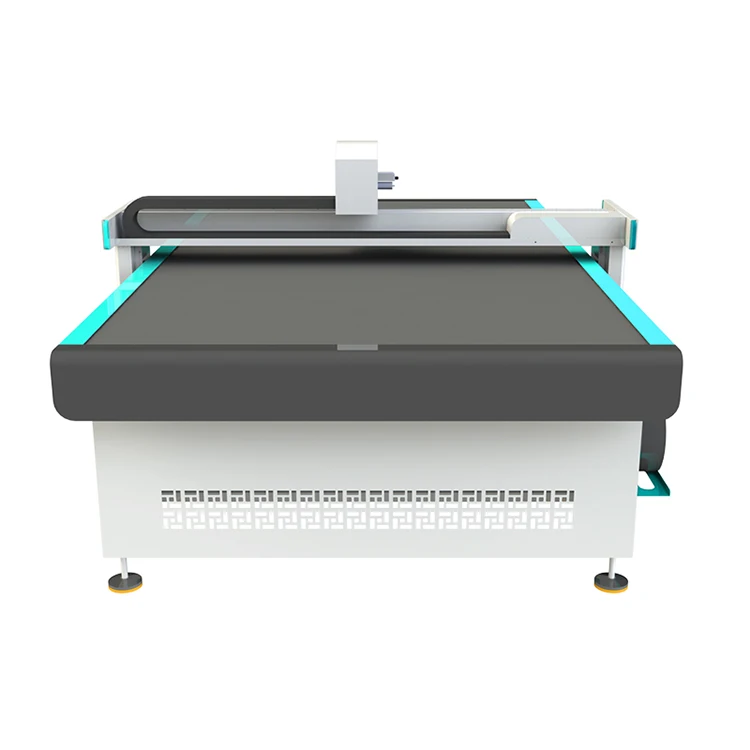
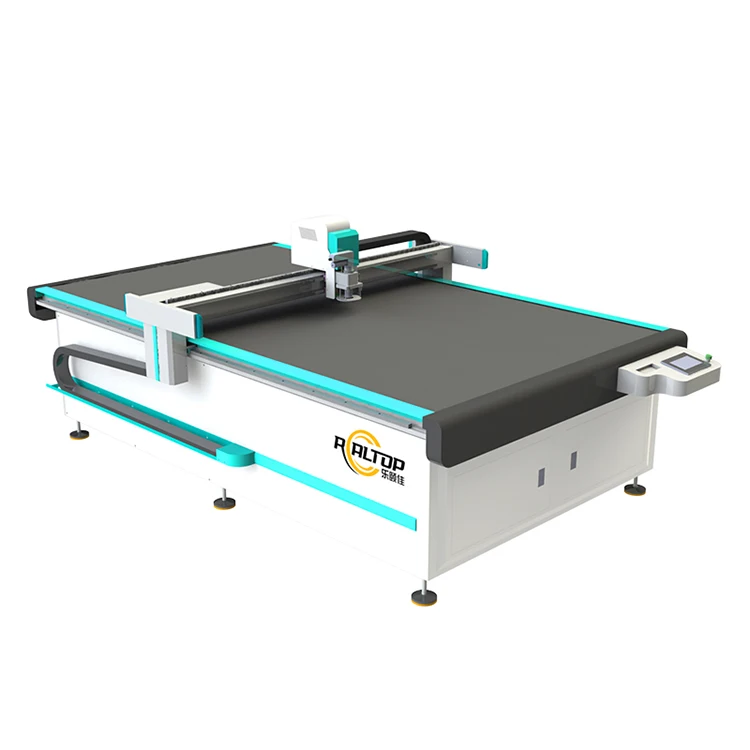
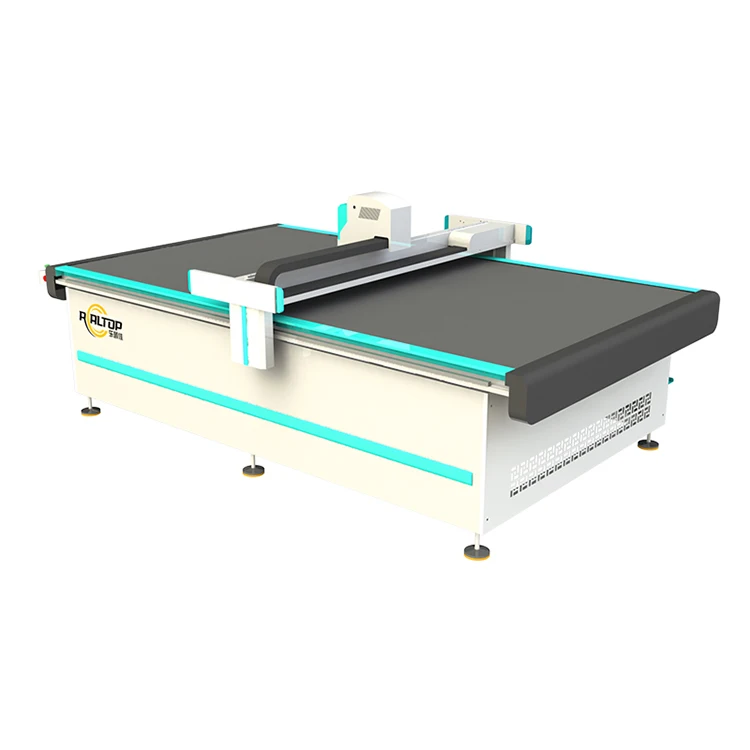
| Product Type | CNC Oscillating Knife Cutting Machine for Sticker & Flexible Materials |
| Working Area | 1600 × 2500 mm |
| Machine Dimensions | 3450 × 2300 × 1250 mm |
| Rated Power | 9 kW |
| Vacuum Pump | 7.5 kW |
| Table Type | Flat vacuum table with auto-feeding conveyor |
| Tool Head | Swiss imported oscillating knife with full-cut, half-cut and cursor location |
| Translational Speed | 800–1200 mm/s |
| Cutting Speed | 200–800 mm/s (basis not stated in source — confirm against material type and thickness) |
| Repeatability | ≤0.1 mm |
| Servo Motor | Japanese Yaskawa |
| Guide Rail | Taiwan Hiwin |
| Conveyor Belt | Germany imported |
| Transmission | Digital servo motor, linear guide, synchronous belt, ball screw |
| Safety Device | Infrared sensors |
| Instruction Format | HP-GL compatible |
| Voltage | 380 V ±10% (frequency to be confirmed: 50/60 Hz) |
| Certification | CE |
| Warranty | 12 months for whole machine, 3 months for consumables |
Application Suitability
| Application | Material or Output |
|---|---|
| Mobile phone sticker and screen protector production | Vinyl, PET and adhesive label films requiring kiss-cut and through-cut |
| Garment and leather goods manufacturing | Leather, sponge composite leather and flexible garment textiles |
| Gasket and seal fabrication | PVC, soft glass, silicone and rubber sheets |
| Signage and adhesive label runs | Self-adhesive vinyl and reflective sticker stock on auto-feeding conveyor |
When the Spec Sheet Ignores Your Material
A CNC oscillating knife cutting machine for sticker and flexible materials specified only by working area often fails when the buyer’s actual film thickness or adhesive backing demands a different blade angle, vacuum zone or feed rate. Configuration must follow the material, not the catalogue. In my years on the workshop floor in Jinan, I have watched operators struggle with ragged edges on thin vinyl because the oscillating frequency was set for leather, or see small sticker parts lift off the table mid-cut when the vacuum zones were too broad for the sheet layout. The gap between a machine that runs well in the factory demo and one that holds tolerance on your production floor comes down to whether the tool head, vacuum zoning and feed speed were matched to your specific film or composite before the machine was built [NEED_CITE: oscillating knife cutting parameters by material type].
Oscillating Knife Selection for Film and Composite Layers
The Swiss imported oscillating knife head on this cutting table supports full-cut, half-cut and cursor positioning. Full-cut handles through-cut on thicker PVC or rubber gasket stock, while half-cut is essential for kiss-cutting adhesive labels where the backing paper must remain intact. Cursor location aids in aligning the start point on pre-printed sticker sheets. Selecting the correct blade profile and oscillation frequency for each material prevents edge burring on vinyl and delamination on sponge composite leather.
Vacuum Holding and Continuous Feeding
A 7.5 kW vacuum pump serves the flat working table, which is paired with a Germany-imported auto-feeding conveyor belt. Small sticker parts and thin flexible films are the most prone to lifting during high-speed cutting, so vacuum zone layout must match the typical nesting pattern of the buyer’s production [NEED_CITE: vacuum table zoning for small-part hold-down in digital cutting]. The conveyor allows roll-to-sheet or sheet-to-sheet feeding without manual repositioning, maintaining registration across consecutive cuts on long label runs.
Servo Drive and Motion Accuracy
The Yaskawa digital servo motors and Taiwan Hiwin linear guide rails deliver ≤0.1 mm repeatability across the full 1600 × 2500 mm format. In sticker contour cutting, even a small cumulative deviation causes misalignment between the printed graphic and the cut line, especially on long production runs. The synchronous belt and ball screw transmission maintain positional accuracy at translational speeds up to 1200 mm/s, keeping the cutting head on path when navigating tight radii on intricate label shapes.
Reading the Specifications Against Your Production Needs
The 9 kW rated power covers the oscillating knife head, servo drives, vacuum pump and conveyor together. Buyers should verify that their workshop electrical supply can support this load on a dedicated circuit at 380 V ±10%, with frequency confirmed for the destination market. The HP-GL compatible instruction format is standard for many sign-making and label workflows, but buyers running DXF, PLT or AI files from existing nesting software should confirm import compatibility before order placement. Cutting speed is listed at 200–800 mm/s, though the actual achievable speed depends on material thickness and blade engagement depth — a value that must be validated on the buyer’s own sample before a throughput commitment is made.
The Cost of Skipping Material Trials
One buyer I worked with specified a cutting table based on working area and price, then discovered during commissioning that the vacuum zones were too large for his small-format sticker layout, causing parts to shift and scrap an entire first batch. Another customer running reflective automotive decal film found that the standard CCD camera setting could not read marks on the metallized surface, requiring a sensor swap that delayed production by weeks [NEED_CITE: CCD mark recognition on reflective and metallic sticker substrates]. These issues are preventable when sample cutting on the buyer’s actual material is treated as a mandatory step rather than an optional extra.
Why Source This Configuration Here
In-house design covers both knife and laser cutting technologies, so the cutting method is matched to the material rather than forced into one approach. Tool head and table configuration are specified per the buyer’s material type, thickness and daily production volume. CCD camera positioning is available as a configurable option for printed contour work, with sensor type confirmed against the actual substrate. Software and file format compatibility are documented before order. Voltage, control language and electrical specifications are customized to the destination market, and sample cutting on the buyer’s own sticker or flexible material is completed before commitment.
Documentation & Verification
- Machine specification sheet listing confirmed tool head, vacuum zone layout and conveyor settings for your material
- Electrical schematic with voltage and frequency matched to your local supply standard
- Sample cutting report on your own sticker film or flexible sheet documenting edge quality and cutting depth
- Software licence and file format compatibility note confirming DXF, PLT or AI import with your nesting workflow
- Factory test record showing repeatability and cutting accuracy on your specified material before dispatch
- CE declaration and packing photographs for shipment verification
Installation, Commissioning & Support
- Foundation must be level within tolerance to maintain ≤0.1 mm repeatability across the 1600 × 2500 mm working area
- Dedicated 380 V ±10% circuit required to support the 9 kW rated power and 7.5 kW vacuum pump load
- Machine arrives as a single assembly; conveyor belt and vacuum table require on-site alignment and calibration
- First-run parameter setting includes oscillation frequency, vacuum zone activation and feed speed tuning per material
- Operator training covers blade change procedure, HP-GL file import and nesting workflow integration
- Consumable spare parts list provided with blade type and replacement intervals for your specific material
Starting Your Inquiry
Share your primary material type, thickness range and maximum sheet dimensions so the correct tool head and vacuum zone layout can be specified. Confirm your local voltage and frequency, preferred control language and the file formats generated by your existing design or nesting software. If you are running printed contour stickers, send a sample of the actual printed sheet so mark recognition can be tested before configuration is locked in.
Frequently Asked Questions
Q: How is cutting thickness capacity confirmed for my specific sticker film or flexible material?
A: The listed cutting speed of 200–800 mm/s does not state a maximum thickness, as capacity depends on material density and blade selection. We run sample cuts on your actual sticker film, PVC sheet or composite material, documenting the achievable depth, edge quality and feed rate before the configuration is finalized and quoted.
Q: Is CCD camera contour recognition available and can it track printed marks at production speed?
A: CCD camera positioning is a configurable option for printed contour sticker work. The sensor type and lighting setup must be matched to your specific print surface — standard matte vinyl, reflective film or metallic label stock each behave differently. We test mark recognition on your actual printed sheet before confirming the setup.
Q: What voltage, frequency and control language options are confirmed before shipment?
A: The standard configuration is 380 V ±10%, but frequency (50 Hz or 60 Hz) and control interface language must be confirmed for the destination market. The electrical schematic and voltage label are prepared to match your local supply standard, and the control panel language is set before dispatch.
Q: Which software file formats does the system import and does it support my existing nesting workflow?
A: The control system is HP-GL compatible. If your design team works in DXF, PLT, AI or other vector formats, file import compatibility and nesting software integration are confirmed during the pre-order stage. We document the supported format list and any required conversion steps before you commit.
Q: What does the warranty cover on a knife cutting configuration?
A: The warranty provides 12 months of coverage for the whole machine and 3 months for consumable parts. On a knife-only configuration, consumables include oscillating blades and cutting mats. Warranty terms referencing laser components apply only to laser-equipped models and do not affect the knife cutting setup.


商品评价
Clear filtersThere are no reviews yet.