


Fast Shipping
Carrier information

20k products
Payment methods

24/7 Support
Unlimited help desk

2-day Delivery
Track or off orders
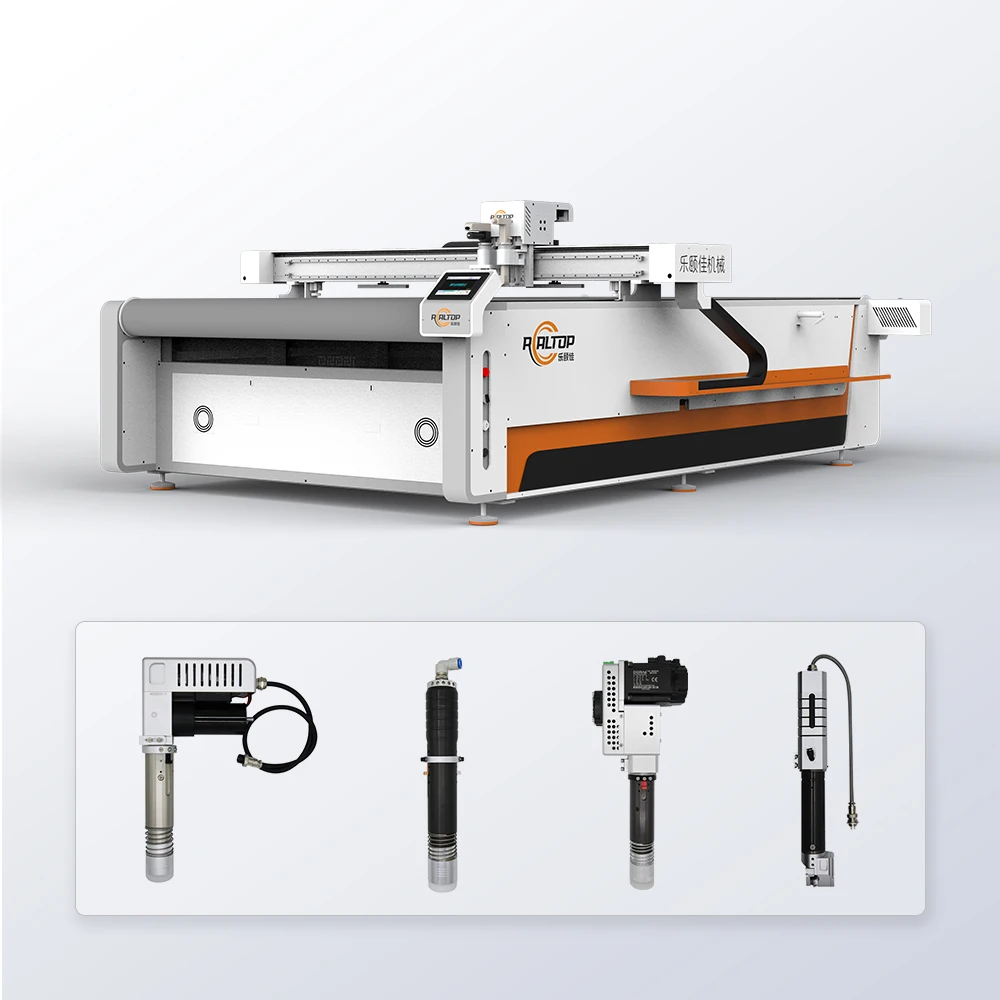
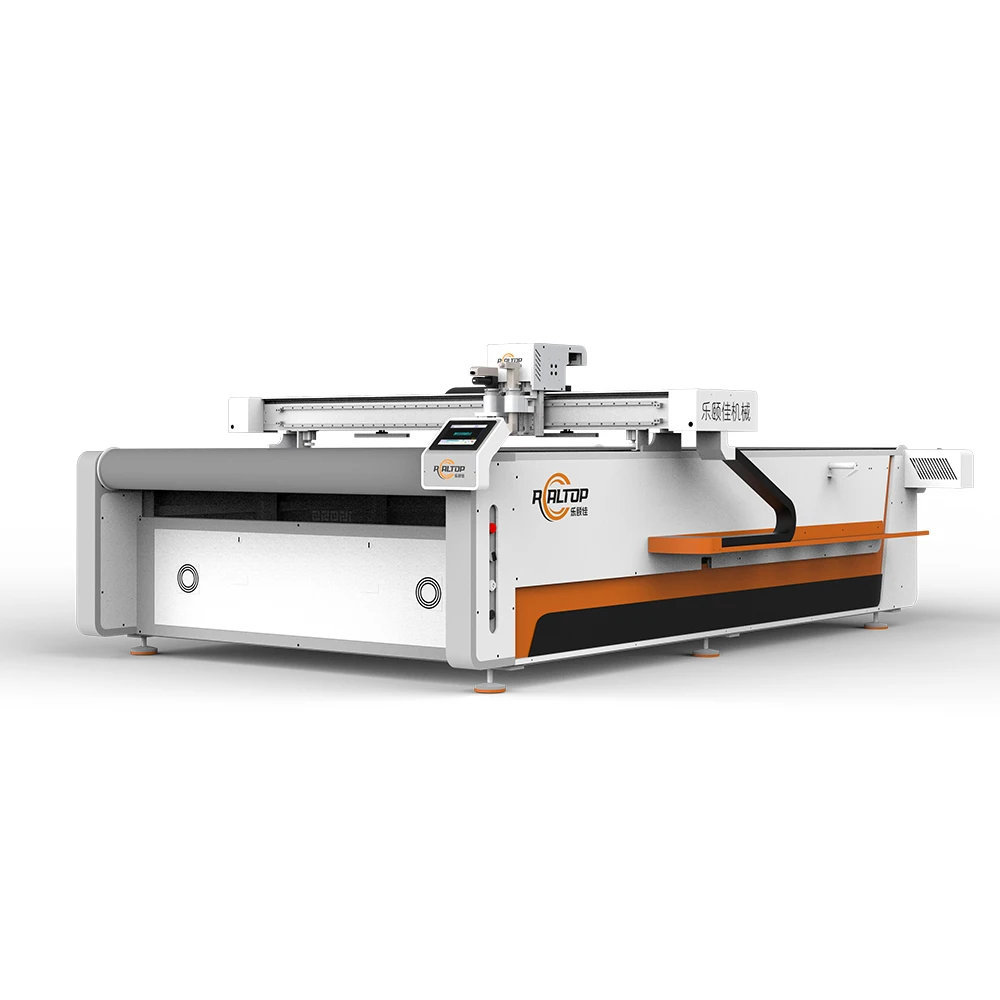
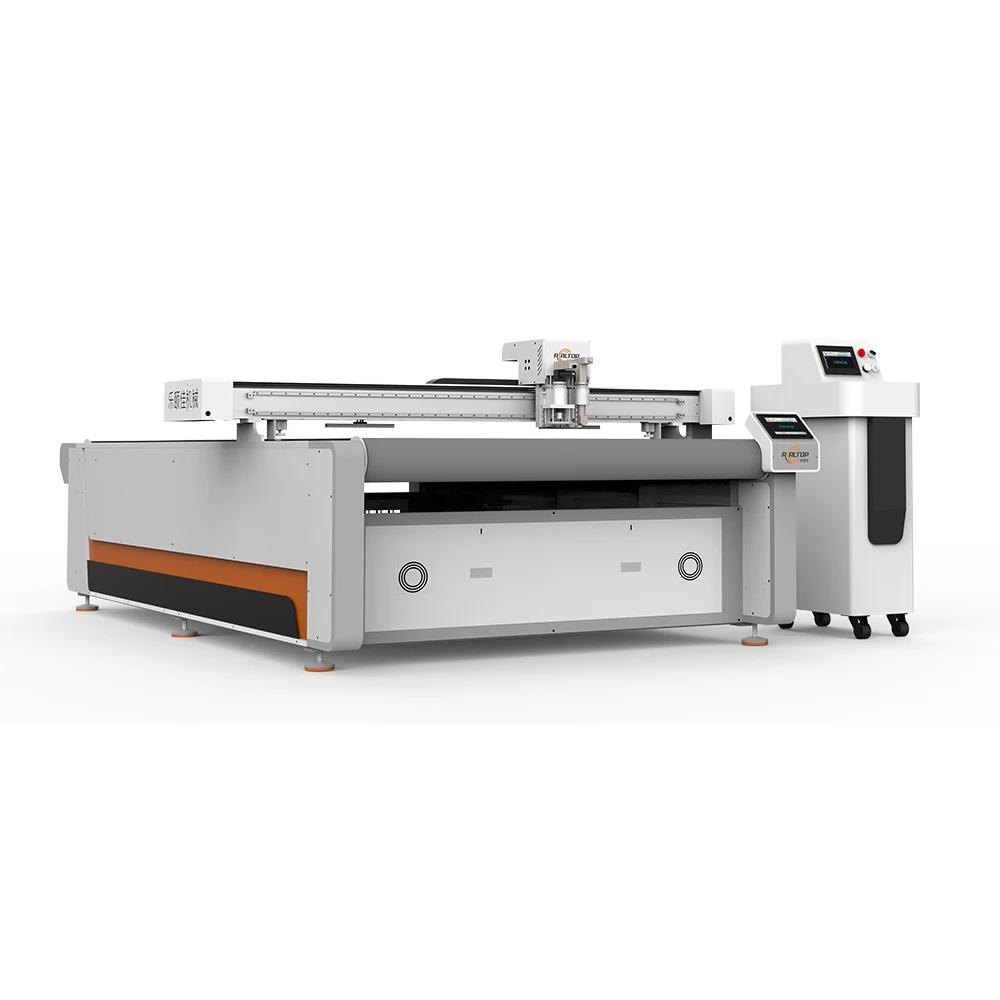
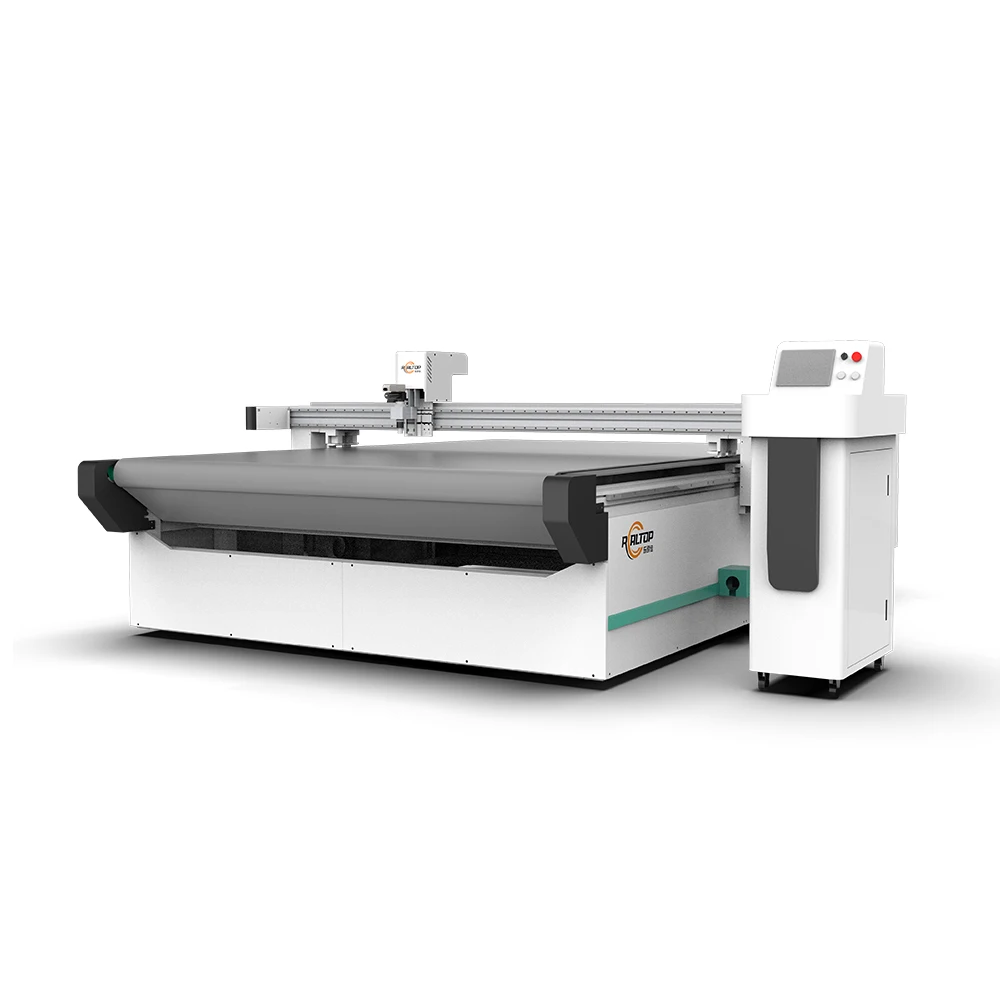
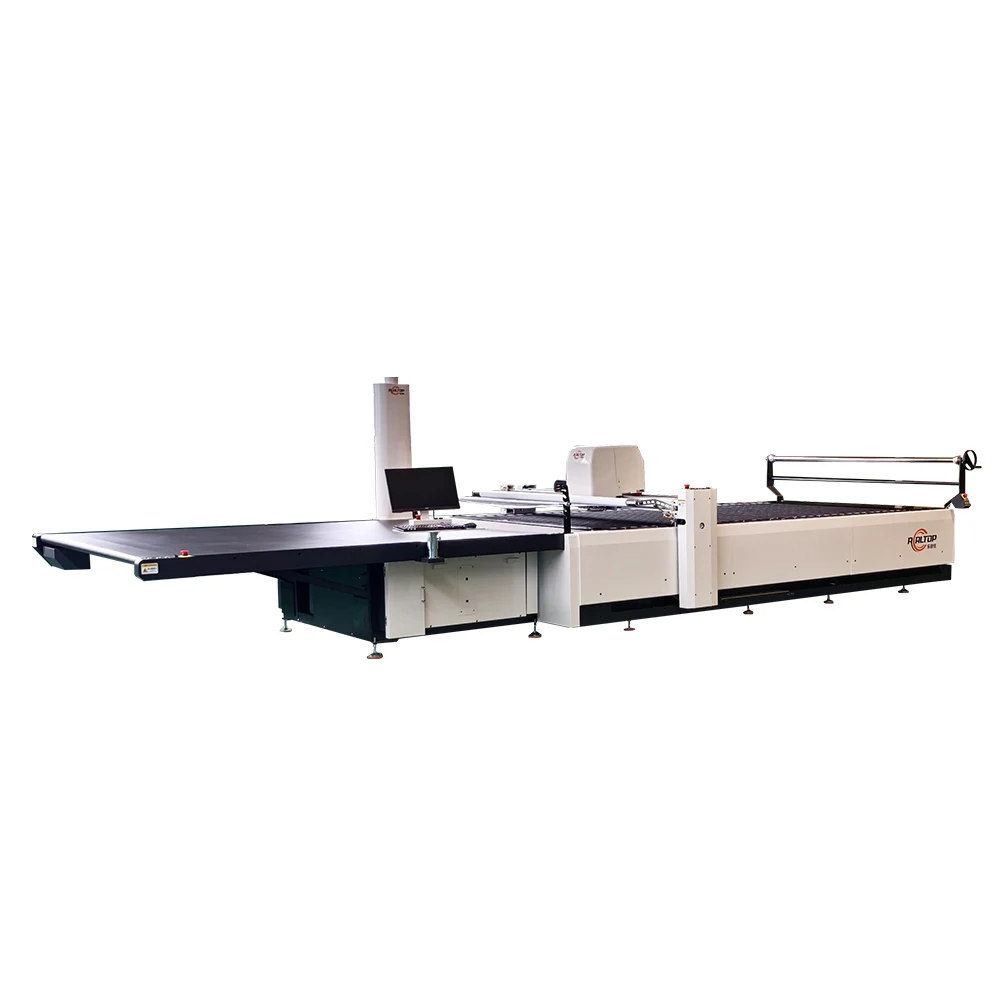
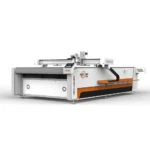
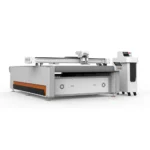
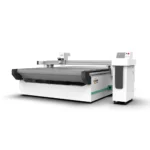
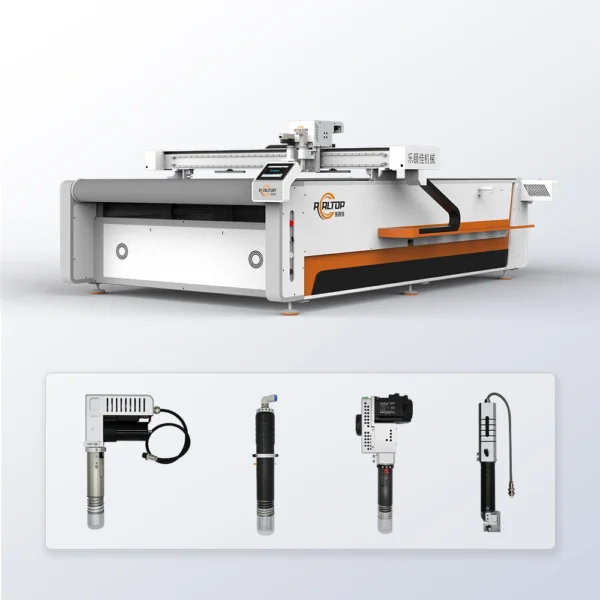
Tool head and table configuration specified per material and production volume — a 1600×2500 mm CNC knife cutting platform where oscillating knife, driven rotary knife, creasing wheel and pneumatic knife options are matched to the buyer’s actual fabric, leather or foam stock before order confirmation.
Technical Specifications
| Parameter | Value |
|---|---|
| Product Type | CNC Oscillating Knife Cutting Machine |
| Working Area | 1600 × 2500 mm |
| Tool Head Options | Oscillating knife, Driven rotary knife, Creasing wheel, Kiss cutting tool, Pneumatic knife, Milling tool, V groove knife |
| Cutting Thickness | Up to 30 mm depending on block format and material density (basis to be confirmed) |
| Cutting Speed | 0–2000 mm/s depending on material and thickness (basis to be confirmed) |
| Positioning Accuracy | ±0.1 mm |
| Vacuum Table | Aluminum bellows vacuum table |
| Vacuum Pump | 9 kW |
| Control System | PLC control panel |
| Servo Motor Options | Panasonic, Delta, Dorna |
| Voltage Options | 110V / 220V / 380V (frequency to be confirmed per market) |
| Software Compatibility | PLT, DXF, AI, PDF; dedicated packaging box structure design software included |
| Nesting | Intelligent nesting system with automatic defect avoidance and layout optimization |
| Safety Devices | Infrared sensor device and emergency stop |
| Machine Dimensions (L×W×H) | 3300 × 2100 × 1350 mm |
| Language Options | English, Russian, Italian, Chinese; special languages customizable |
| Certification | CE referenced in documentation |
Application Suitability
| Application | Material or Output |
|---|---|
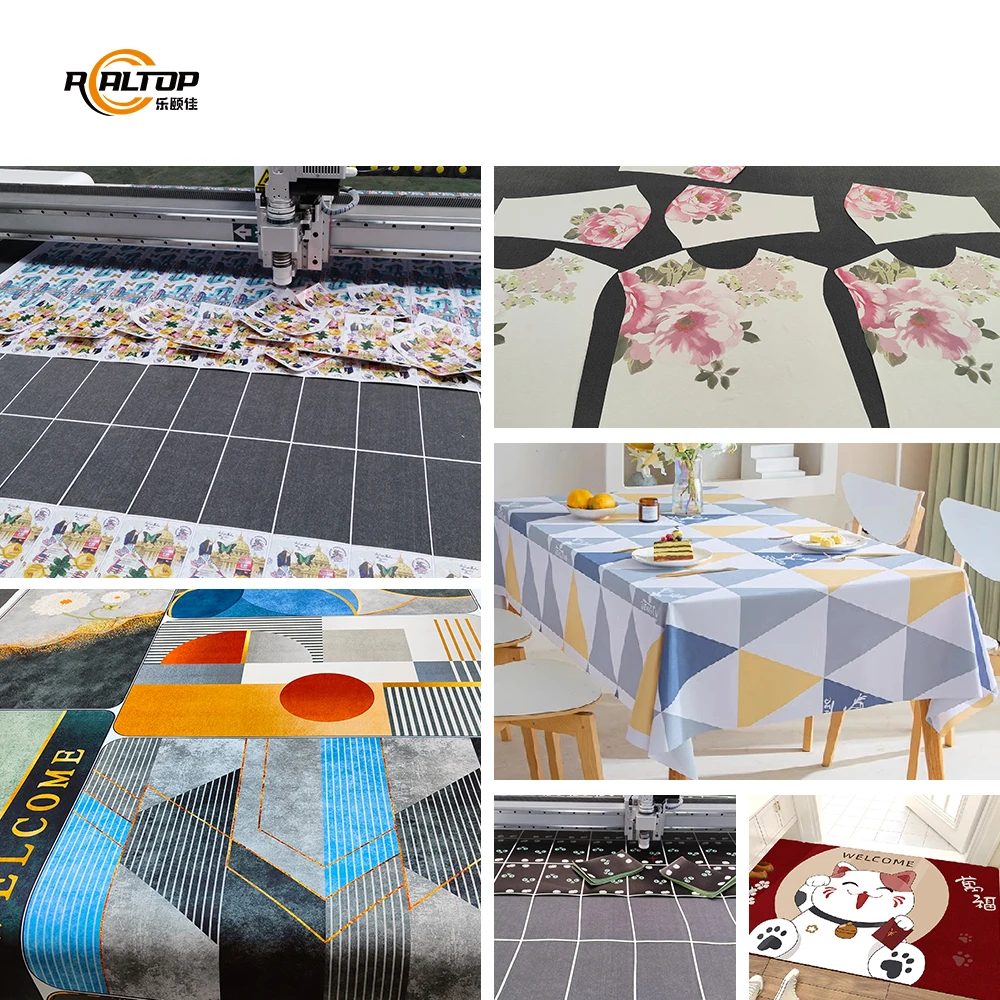
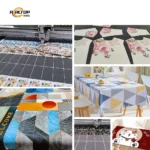
| Apparel manufacturing | Suits, knitwear, lace, complex woven and knitted fabrics with pattern-matching layouts |
| Automotive interiors | Seat fabrics, floor carpets, PVC mats requiring burr-free cold cutting |
| Home textiles | Sofa fabrics, curtains, rugs processed in single or multi-layer stacks |
| Composite processing | Carbon fiber prepreg, aramid weaves, specialty laminates |
| General flexible materials | Leather, cardboard, carton, EVA foam, PTFE sheets, rubber gaskets, acrylic sheets |
Why Material Thickness Alone Does Not Define the Cutting Specification
Matching the oscillating knife, rotary knife or pneumatic knife to the actual stock — not just quoting a working area — is where most cutting failures begin.
A buyer sends a drawing showing 1600×2500 mm and assumes any machine covering that footprint will do the job. Then the first production run on 20 mm EVA foam shows crushed edges because the wrong tool head was installed. The vacuum table holds the centre of the sheet, but small cut pieces near the edges lift during high-speed travel. CNC oscillating knife cutting machine specifications only become meaningful when they are anchored to the buyer’s real material stack, thickness and daily volume [NEED_CITE: vacuum hold-down requirements for flexible sheet materials].
Tool Head Selection for Fabric, Leather and Foam
The platform supports seven distinct tool heads: oscillating knife, driven rotary knife, creasing wheel, kiss cutting, pneumatic knife, milling and V-groove knife. Each addresses a different material behaviour. Oscillating knife handles dense foam and leather where a clean vertical cut is required. Driven rotary knife suits continuous cuts on knitted and woven fabrics without fraying the edge. Pneumatic knife works through compressible stacks where blade pressure must be regulated. Selecting the correct tool head before shipment prevents the ragged edges and crushed layers that force re-cuts on the production floor.
Vacuum Table Zoning and Small-Part Hold-Down
The aluminum bellows vacuum table across the full 1600×2500 mm working area is divided into independently controlled zones. A 9 kW vacuum pump generates the suction. When cutting small pattern pieces — garment panels, gasket blanks, automotive trim — zoning must be matched to the part geometry so that offcuts do not lift into the tool path. If the zones are left in a default large-sheet configuration, small parts shift mid-cut and the positional accuracy of ±0.1 mm is lost before the knife finishes its travel [NEED_CITE: vacuum zoning strategies for nested small-part cutting].
Reading the Core Specifications Against Real Production
The PLC control panel runs the intelligent nesting system, which performs automatic defect avoidance on fabric rolls and optimises layout for material yield. File import covers PLT, DXF, AI and PDF, so most buyer workflows connect without an intermediate conversion step. The servo motor choices — Panasonic, Delta or Dorna — determine acceleration behaviour on complex contours; higher-response servos maintain path accuracy during tight-radius cuts on intricate garment patterns. Voltage is configurable at 110V, 220V or 380V, and the control language is set before shipment to match the operator’s native interface. These CNC oscillating knife cutting machine specifications matter less in isolation than in combination: a 9 kW pump on a poorly zoned table wastes energy, while a correctly zoned table on an undersized pump fails to hold.
The Hidden Cost of Skipping the Sample-Cut Step
When a machine is specified only on working area and a nominal cutting thickness, the buyer discovers the real edge quality during their own production run. Foam that should cut clean shows compression lines. Leather panels destined for automotive seats arrive with micro-tears along curved contours. Multi-layer fabric stacks shift because the vacuum zoning was left at factory default. These failures are not machine defects; they are specification gaps [NEED_CITE: cold cutting edge quality standards for automotive interior textiles]. Running the buyer’s own material through a sample cut before the order is locked eliminates most of these surprises.
Why Buyers Source This Platform Here
In-house design covers both the mechanical frame and the tool head logic, so the CNC oscillating knife cutting machine specifications are not locked into a catalogue default. The configuration list — tool head, vacuum zoning map, servo choice and control language — is written per buyer material before production starts. A sample cutting report on the buyer’s own stock is issued before commitment, showing edge quality, achievable cutting depth and cycle behaviour under real conditions. Software compatibility with PLT, DXF, AI and PDF is confirmed alongside the electrical schematic for the target voltage. The result is a machine built around a specific production job, not a generic working area.
Documentation & Verification
- Sample cutting report run on your fabric, leather or foam stock with edge quality photographs
- Tool head and vacuum zoning configuration list matched to your material thickness and part geometry
- Electrical schematic confirming voltage, frequency and plug type for your facility
- Software licence note listing compatible file formats and nesting workflow integration
- Factory test record showing positional accuracy verification across the 1600×2500 mm table before packing
- Operation and maintenance manual in the operator’s selected control language
Installation, Commissioning & Support
- The 3300×2100×1350 mm frame requires a level concrete floor with clearance for sheet loading on both long sides
- A dedicated circuit matching the confirmed voltage and 9 kW vacuum pump load must be in place before delivery
- The aluminum bellows vacuum table arrives pre-assembled; vacuum zoning is commissioned against your part nesting layout
- First-run parameter setting covers servo acceleration, knife oscillation frequency and vacuum zone mapping for your primary material
- Operator training addresses tool head changeover, nesting software import and emergency stop response
- A spare parts list covering knives, oscillation blocks and vacuum seals is supplied with the machine
What to Include With Your Enquiry
Send the material type, thickness range and maximum sheet or roll width you plan to cut. State your daily volume and whether you run single-layer or multi-layer stacks. Confirm your facility voltage and frequency, the control language your operators need, and whether your existing design files are in PLT, DXF, AI or PDF format.
Frequently Asked Questions
Q: How do I choose between oscillating knife, rotary knife and pneumatic knife for my material?
A: Oscillating knife suits dense foam and leather requiring clean vertical cuts. Driven rotary knife handles knitted and woven fabrics without fraying. Pneumatic knife manages compressible multi-layer stacks with regulated blade pressure. We run a sample cut on your actual stock to confirm which tool head produces the required edge quality before the order is finalised.
Q: What cutting thickness is achievable and how is it verified?
A: The rated thickness varies with material density and block format. We verify achievable depth by cutting your own sample material at the required thickness, documenting edge quality and cycle behaviour in a sample report issued before you commit to the order.
Q: Will small cut parts stay flat during high-speed cutting?
A: The aluminum bellows vacuum table is divided into independently controlled zones. We configure the zoning map to match your nesting layout so that small garment panels, gasket blanks or trim pieces remain held throughout the cut cycle, maintaining the ±0.1 mm positioning accuracy.
Q: Can the system import my existing design files and nesting workflow?
A: The software accepts PLT, DXF, AI and PDF files directly. The intelligent nesting system performs automatic defect avoidance and layout optimisation. We confirm file format compatibility with your current design workflow before the machine enters production.
Q: How are voltage and control language handled for my market?
A: Voltage is configurable at 110V, 220V or 380V with frequency confirmed to your local standard. Control language is selected from English, Russian, Italian, Chinese or a custom language, and is loaded and verified before the machine leaves the factory.


商品评价
Clear filtersThere are no reviews yet.