



Fast Shipping
Carrier information

20k products
Payment methods

24/7 Support
Unlimited help desk

2-day Delivery
Track or off orders
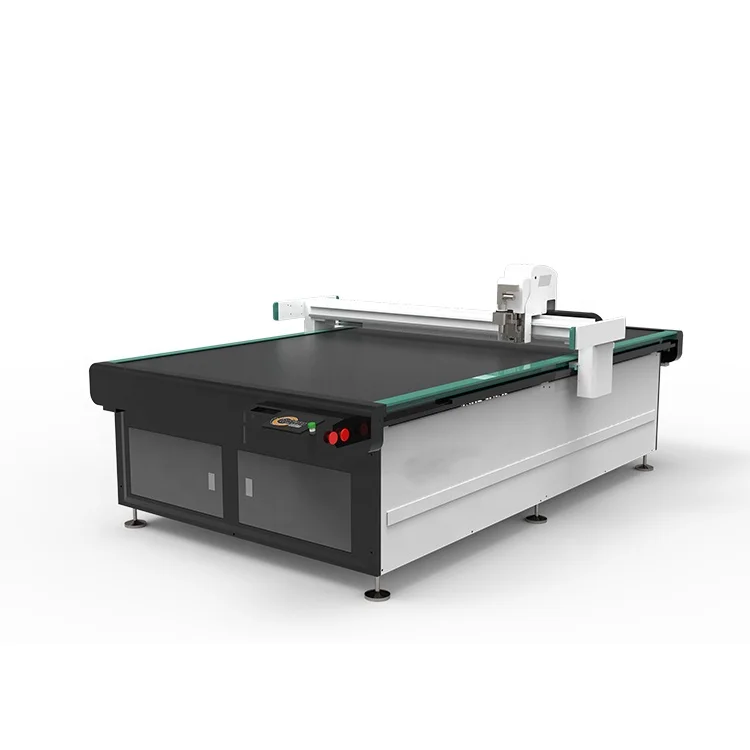
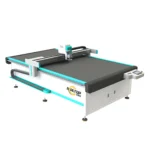
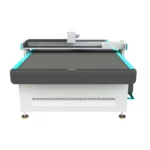
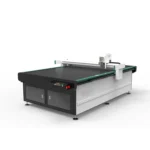
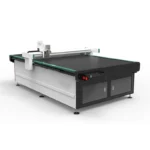
Material-matched configuration — the RT-D2516/RT-S2516 ships with tool head and vacuum zoning specified per fabric type after sample cutting on the buyer’s own roll stock.
Technical Specifications
| Parameter | Value |
|---|---|
| Model | RT-D2516/RT-S2516 |
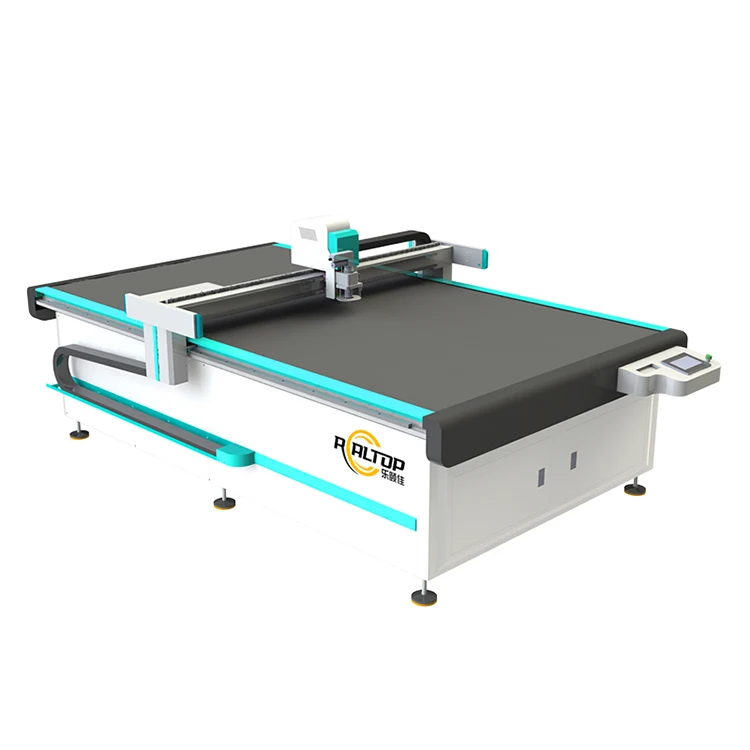
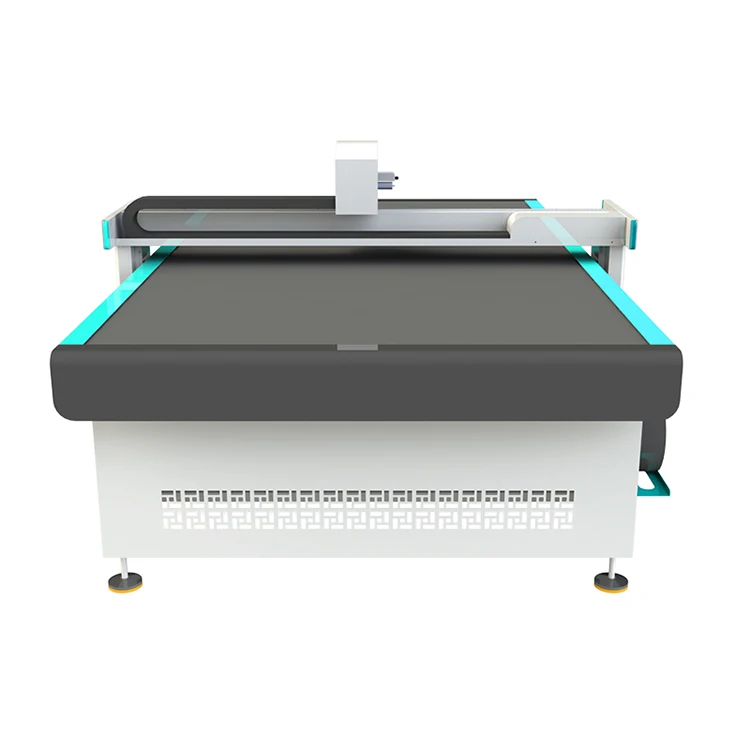
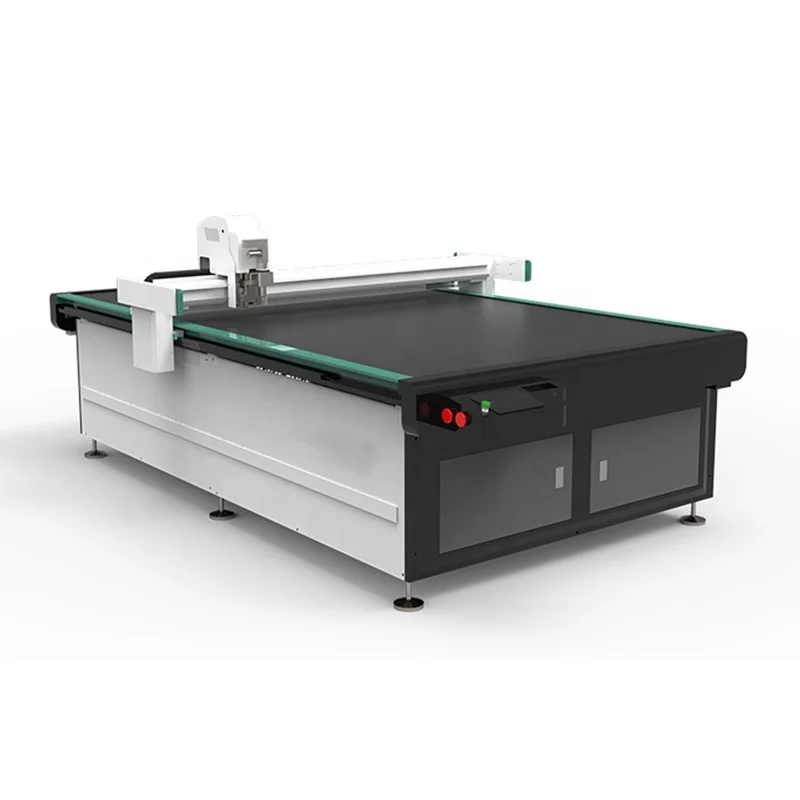
| Product Type | CNC Oscillating Knife Cutting Table |
| Working Area | 1600 × 2500 mm |
| Overall Dimensions | 3450 × 2300 × 1250 mm |
| Rated Power | 9 kW |
| Vacuum Pump | 7.5 kW |
| Table Type | Flat working table with vacuum and conveyor belt |
| Tool Head | Swiss imported knife with vibration full cutting, half cutting and cursor location |
| Translational Velocity | 800–1200 mm/s |
| Cutting Speed | 200–800 mm/s (basis not stated in source — confirm material and thickness) |
| Repeated Accuracy | ≤0.1 mm |
| Transmission System | Digital servo motor, linear guide, synchronous belt, imported ball screw |
| Servo Motor | Japanese Yaskawa |
| Rail | Taiwan Hiwin |
| Conveyor Belt | Germany imported |
| Instruction System | HP-GL compatible format |
| Safety Device | Infrared sensors |
| Voltage | 380 V ±10% |
| Feeding | Auto feeding system |
Application Suitability
| Application | Material or Output |
|---|---|
| Baby clothes rompers and kids pants cutting | Cotton, jersey, modal and blended knit fabrics |
| Multi-layer garment layup cutting | Woven and non-woven apparel textiles |
| Leather goods and accessories | Natural leather, PU leather, sponge composite leather |
| Soft gasket and seal fabrication | PVC, soft glass, silicon, rubber sheets |
| Flexible composite material cutting | Foam-backed textiles and laminated flexible sheets |
Why "Working Area Alone" Is Not Enough for CNC Oscillating Knife Cutting Table Specifications
Specifying a cutting table by bed size without confirming tool head and vacuum zoning leads to production failures. A buyer once selected a flatbed cutter based on the 1600 × 2500 mm working area alone, assuming it would handle elastic knit fabrics the same way it handled woven cotton. The oscillating knife pulled and stretched the material because the vacuum hold-down zones were not configured for small pattern pieces, and the cutting speed had to be dialed back to prevent distortion. Throughput dropped noticeably below expectations [NEED_CITE: vacuum hold-down requirements for elastic and stretch fabrics]. This is why the RT-D2516/RT-S2516 configuration starts with the buyer’s actual material sample before any specification is locked in.
Tool Head Selection Based on Fabric Behavior
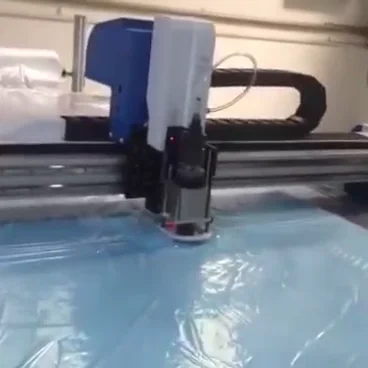
The Swiss imported knife head on the RT-D2516/RT-S2516 supports both vibration full cutting and half cutting modes. Full cutting works for dense woven fabrics and leather where a clean through-cut is needed, while half cutting scores kiss-cut patterns on laminated or adhesive-backed materials without penetrating the backing layer. The oscillation frequency and blade geometry must match the material’s tensile behavior — a high-frequency oscillation suits tightly woven cotton, whereas a lower frequency prevents stretching on elastic blends like modal or spandex. Selecting the right CNC oscillating knife cutting table specifications means testing each fabric before committing to a blade profile.
Vacuum Zoning and Small Pattern Hold-Down
Garment cutting generates dozens of small pieces — sleeve panels, collar inserts, pocket facings — that can lift off the table if the vacuum zone is too broad or the suction too evenly distributed. The 7.5 kW vacuum pump on the RT-D2516/RT-S2516 works through a zoned flat table where sections can be activated or isolated depending on the nesting layout. This prevents material lift at the edges of small pattern pieces while maintaining hold-down across the full sheet. Buyers cutting baby clothes rompers and kids pants encounter this issue frequently because the pattern pieces are compact and the fabric is lightweight [NEED_CITE: vacuum table zoning best practices for small garment parts].
How Transmission Components Determine Repeated Accuracy
The ≤0.1 mm repeated accuracy specification on the RT-D2516/RT-S2516 is achieved through the combination of Yaskawa digital servo motors and Hiwin linear guide rails, connected by imported ball screws and synchronous belts. In fabric cutting, repeated accuracy affects how well registration marks align across multiple layers in a layup and how consistently pattern pieces match the digital template after hundreds of cuts. A worn or undersized transmission component introduces cumulative drift that shows up as mismatched seams during garment assembly. This is why the transmission system specification matters more than the cutting speed number alone when evaluating CNC oscillating knife cutting table specifications for production consistency.
The Hidden Cost of Skipping Material Trials
Buyers who skip the sample cutting trial often discover the problem only after the machine is installed and the first production run begins. Elastic fabrics that behaved well on a demonstration sample cut with a standard blade may stretch and distort when cut with a blade profile suited only for rigid materials. Vacuum suction that holds a thick leather hide in place may be excessive for lightweight jersey, causing the fabric to pucker against the table surface. These issues are not machine defects — they are configuration mismatches that could have been caught with a trial on the buyer’s actual roll stock before the order was placed [NEED_CITE: fabric cutting configuration mismatches in production environments].
Why Procurement Starts with the Material, Not the Machine
In-house design covers both the knife cutting table and the vacuum conveyor system, allowing the configuration to be adjusted per material rather than forcing one setup across all jobs. Every RT-D2516/RT-S2516 order includes a sample cutting report generated on the buyer’s own fabric before production begins. The tool head and table configuration list is specified per material type and production volume, not pulled from a standard catalog. Voltage, plug standard and control language are confirmed against the buyer’s facility before the machine enters assembly. HP-GL file format compatibility is verified with the buyer’s nesting software so that no translation errors occur during production import. The conveyor belt and auto feeding system are selected to match the buyer’s roll width and fabric weight for continuous operation.
Documentation & Verification
- Factory test record cutting the buyer’s specific fabric before dispatch
- Tool head and vacuum zone configuration list matched to the buyer’s material
- Electrical schematic confirming 380 V ±10% and local plug standard before shipment
- HP-GL software licence and file format compatibility note included with delivery
- Operation and maintenance manual covering blade replacement and vacuum pump service intervals
- Spare parts list with Swiss knife blades and conveyor belt wear components
Installation, Commissioning & Support
- Requires level concrete floor with clearance for 3450 × 2300 × 1250 mm overall dimensions
- Dedicated 380 V ±10% circuit with capacity for 9 kW rated power plus 7.5 kW vacuum pump
- Auto feeding conveyor calibrated to buyer’s roll width during on-site commissioning
- Vacuum zone activation mapped to buyer’s nesting layout for garment pattern hold-down
- Operator training covers blade change procedures, vacuum filter cleaning and infrared sensor checks
- Spare Swiss knife blades and conveyor belt sections recommended for first-year maintenance
Sending a Sample Before Sending a Purchase Order
Provide your actual fabric type, weight per square meter and roll width so the tool head and vacuum configuration can be specified correctly. Include your target daily cutting volume and the nesting software you currently use so HP-GL compatibility and throughput expectations can be confirmed. State your facility voltage, frequency and preferred control language so the electrical system and interface are matched before production begins.
Frequently Asked Questions
Q: How do I choose between oscillating knife and drag knife for my fabric?
A: Oscillating knife suits thicker or layered materials where the vibrating blade reduces drag and prevents fraying. Drag knife works better for thin vinyl or single-layer sheet materials where a pulled cut produces a clean edge. For stretch fabrics like modal blends, oscillating knife with adjusted frequency prevents material distortion during cutting.
Q: What cutting speed can I expect on my specific fabric?
A: The RT-D2516/RT-S2516 lists 200–800 mm/s as the cutting speed range, but actual speed depends on fabric thickness, density and layer count. A sample cutting trial on your own material determines the achievable speed while maintaining edge quality and dimensional accuracy for your pattern pieces.
Q: How is the vacuum table zoned for small garment pieces?
A: The flat working table is divided into independently controllable vacuum zones. For small pattern pieces like baby clothes rompers or kids pants components, only the zones under the active cutting area are activated, concentrating suction and preventing lightweight fabric from lifting during high-speed knife travel.
Q: Is CCD camera contour recognition available for printed fabric alignment?
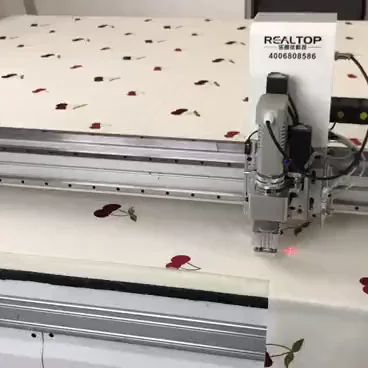
A: CCD camera positioning is available as a configuration option for contour recognition on printed fabrics. The camera reads registration marks to align the cutting path with printed patterns. Availability and compatibility with your print format should be confirmed during the sample trial phase before order placement.
Q: What voltage and language options are confirmed before shipment?
A: The standard configuration operates on 380 V ±10%, but voltage and plug standard are confirmed against your facility before assembly. Control interface language is specified at order stage so operators receive the machine in their working language, with the electrical schematic documenting all confirmed specifications.


商品评价
Clear filtersThere are no reviews yet.