




Fast Shipping
Carrier information

20k products
Payment methods

24/7 Support
Unlimited help desk

2-day Delivery
Track or off orders
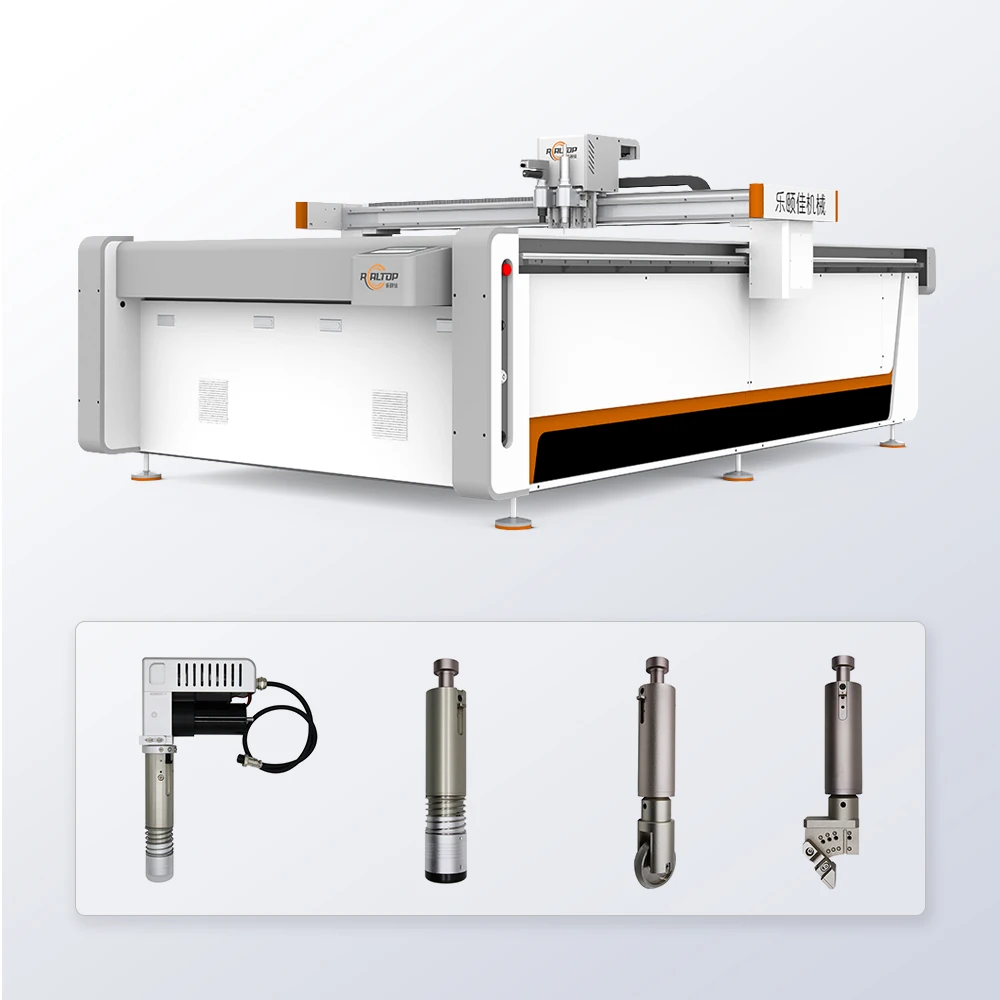
Tool Head Matched to Material — Every oscillating knife, V-groove or creasing wheel is specified after sample cutting on your actual cardboard and foam stock, not selected from a generic catalogue.
Technical Specifications
| Parameter | Value |
|---|---|
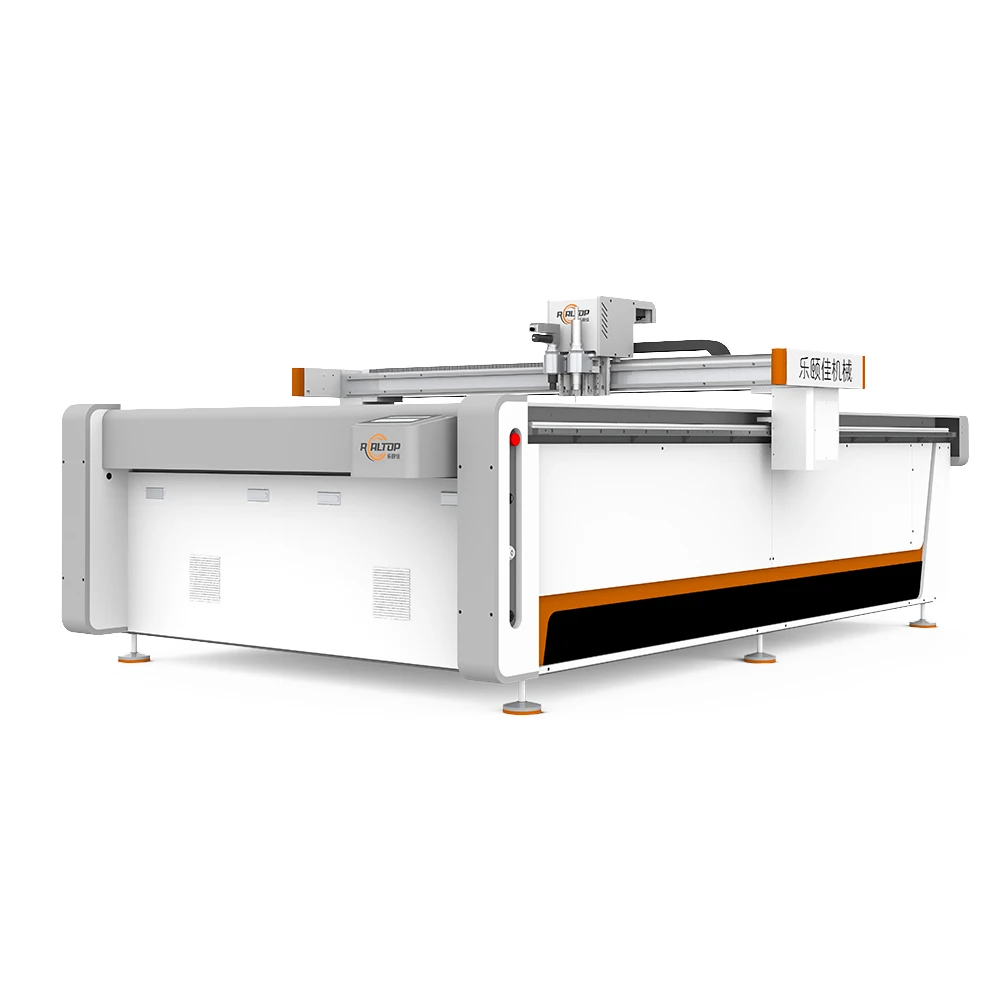
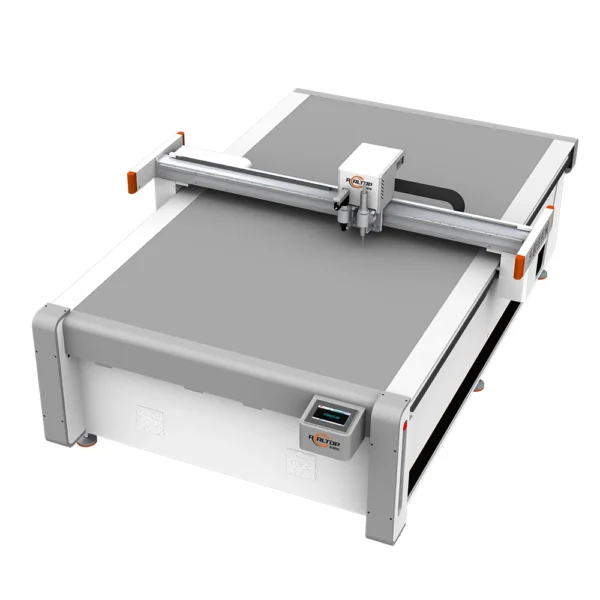
| Product Type | CNC Oscillating Knife Cutting Machine for Packaging |
| Working Area | 1600 × 2500 mm |
| Cutting Speed | 0–1500 mm/s |
| Maximum Cutting Thickness | ≤ 40 mm |
| Cutting Accuracy | ±0.1 mm |
| Vacuum Pump Power | 9 kW |
| Voltage Options | 110V / 220V / 380V (configurable per destination market) |
| Machine Overall Dimensions | 3300 × 2100 × 1350 mm |
| Control System | PLC control panel with multi-language display |
| Software Compatibility | PLT, DXF, AI, PDF |
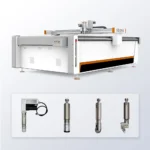
| Tool Head Options | Oscillating knife, Driven rotary knife, Creasing wheel, Kiss cutting tool, Pneumatic knife, Milling tool, V-groove knife |
| Servo Drive Options | Panasonic, Delta, Dorna (basis not stated in source — confirm availability and standard configuration) |
| Vacuum Table | Aluminum bellows vacuum table |
| Safety Devices | Infrared sensor and emergency stop |
| Language Options | English, Russian, Italian, Chinese (special languages available on request) |
| Certification | CE (declaration available where applicable) |
Application Suitability
| Application | Material or Output |
|---|---|
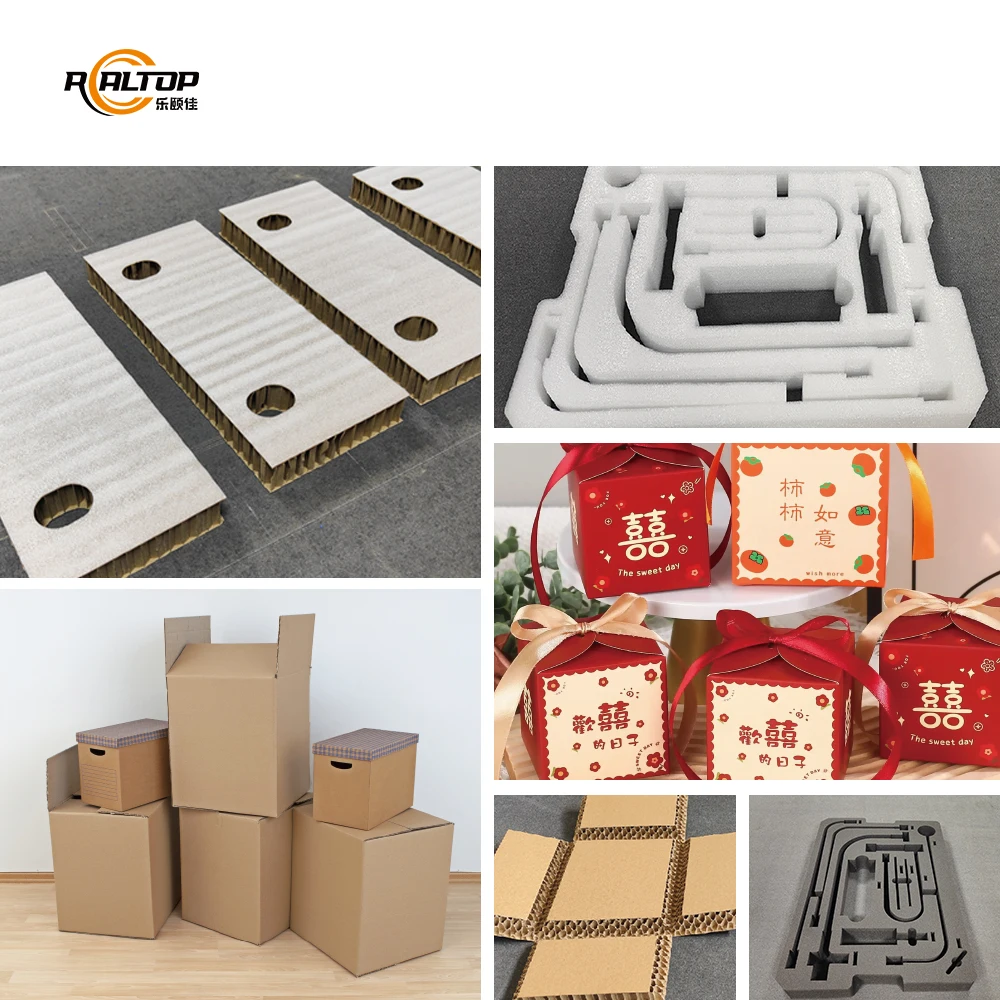
| Packaging sample making and short-run carton production | Corrugated cardboard (E-flute, B-flute, BC-flute), greyboard, cardstock, art paper |
| Foam insert and protective packaging fabrication | EVA foam, EPE foam, PU foam |
| Non-metallic packaging component cutting | Rubber mats, velvet, fleece fabric, non-woven fabric |
| Thin sheet packaging and display processing | PVC, PET, leather, synthetic leather, composite materials |
What Wrong Tool Head Selection Actually Costs You on the Cutting Table
Specifying a machine by working area alone, without matching the tool head to your specific board weight and flute profile, produces crushed edges and inaccurate fold lines that only surface during assembly.
I spent years on the assembly floor putting oscillating knife machines together before moving into technical sales. Early on, a customer ordered a V-groove unit based on a sample run with standard honeycomb board, then switched to high-density fibreboard in actual production. The groove depth varied across every sheet and the entire first batch was scrapped. That kind of mismatch happens when the tool head, vacuum zoning and cutting parameters are not validated against the buyer’s real material before the machine is built [NEED_CITE: material-specific tooling configuration for CNC knife cutting]. A CNC Oscillating Knife Cutting Machine for packaging sample making must be configured around the exact board density, flute type and part geometry you will run, not around a generic specification sheet.
Interchangeable Tool Heads for Cardboard and Foam Processing
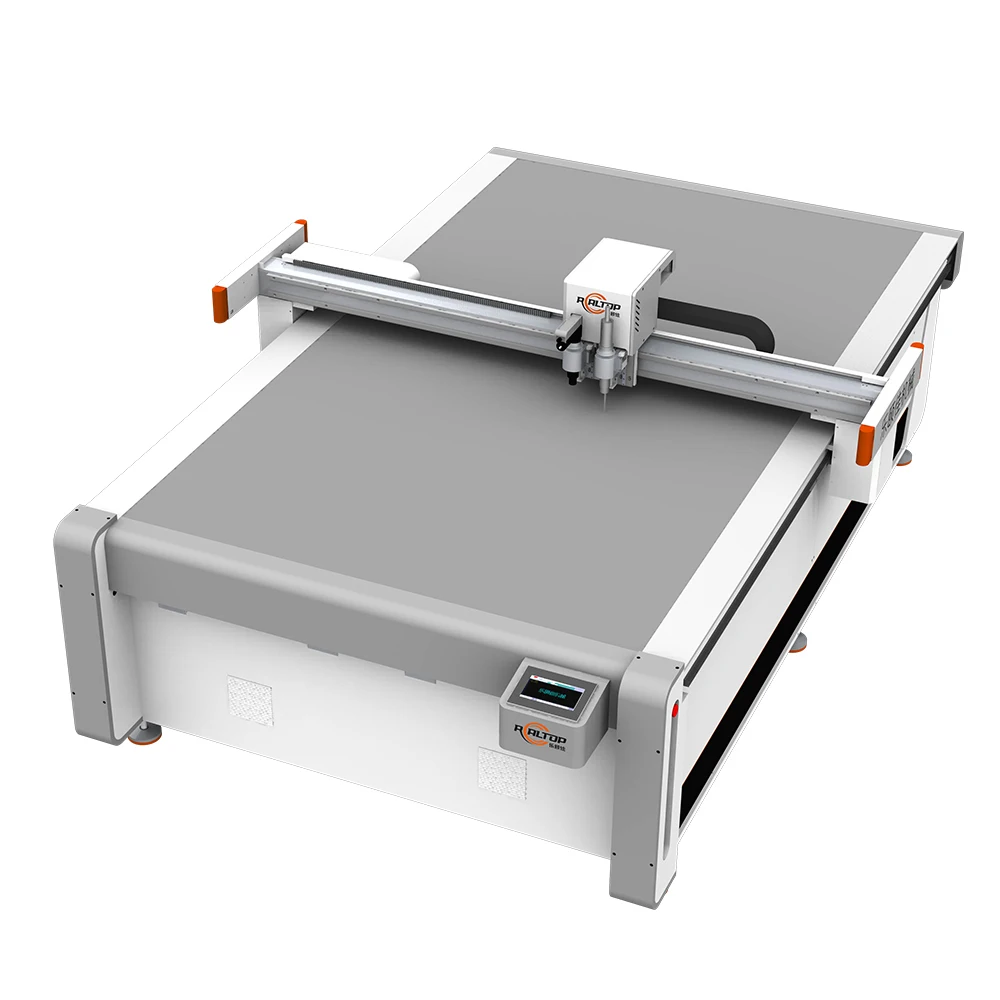
The system supports seven distinct tool head types that can be swapped or combined within a single cutting job. An oscillating knife handles straight and contoured cuts through corrugated board up to the rated thickness, while a V-groove knife removes a precise channel for clean folding on honeycomb and greyboard stock. A creasing wheel scores fold lines without breaking the surface fibres, which is essential for carton prototypes that must fold cleanly on the first attempt. Selecting the right CNC Oscillating Knife Cutting Machine for packaging sample making depends on confirming which heads your current and future jobs require, not on assuming one head covers every substrate.
Vacuum Table Zoning and Small-Part Hold-Down
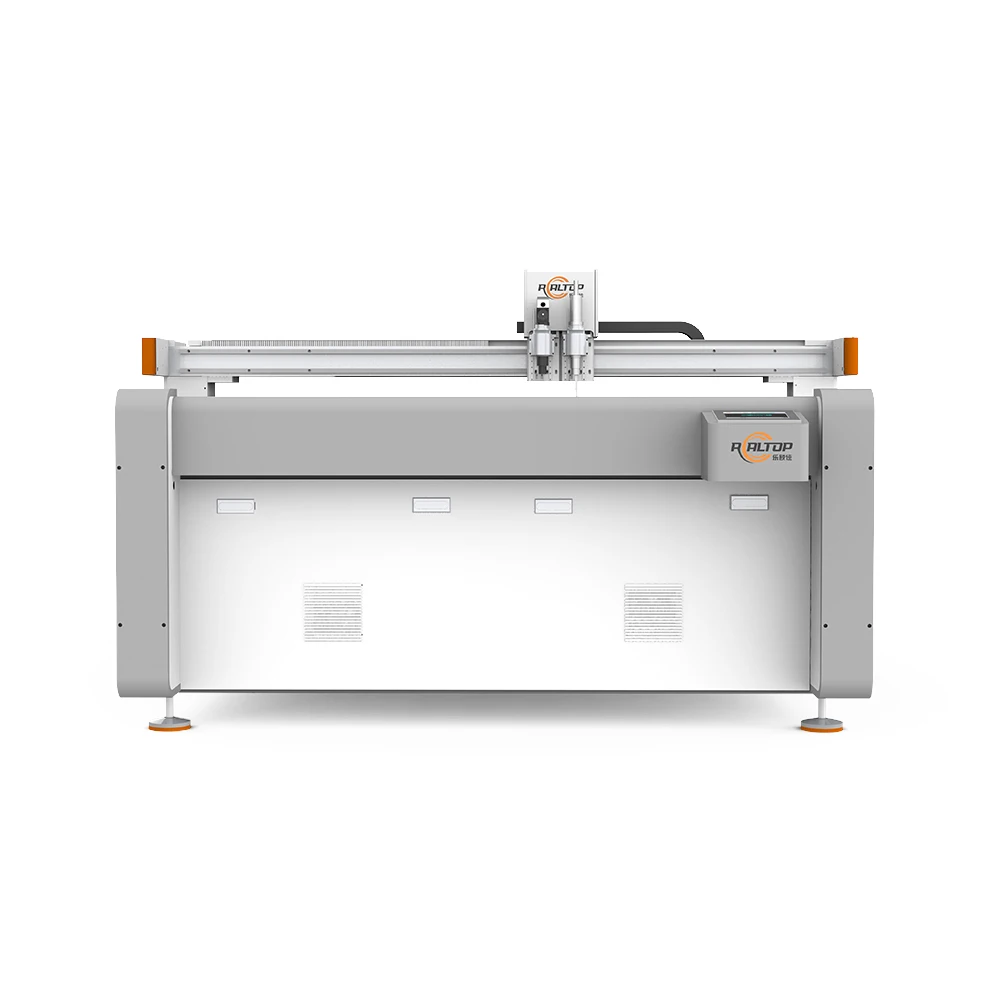
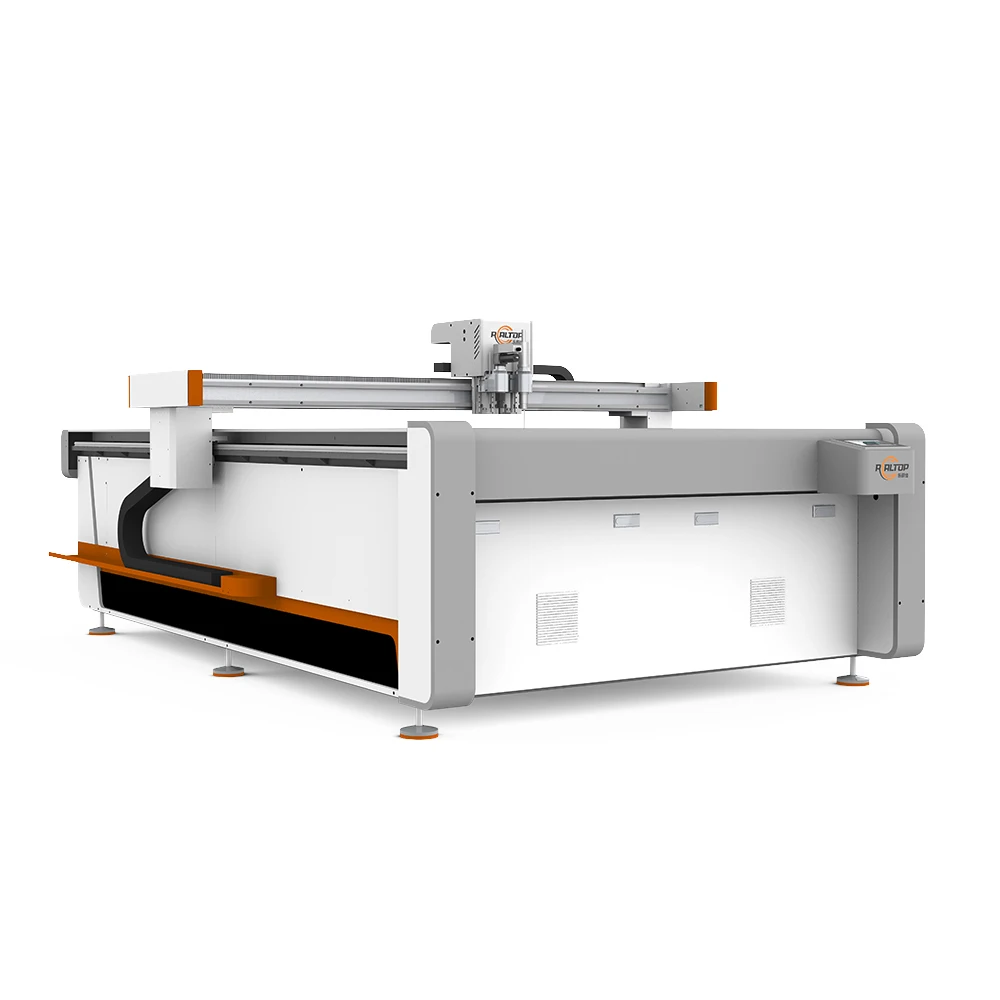
The aluminum bellows vacuum table provides full-surface adsorption across the 1600 × 2500 mm bed. When cutting large corrugated sheets, flatness and even suction keep the board registered to the cutting path. The real challenge appears when nesting small carton parts: insufficient zoning allows individual pieces to lift as the knife exits a cut, shifting the remaining contour by fractions of a millimetre [NEED_CITE: vacuum hold-down requirements for nested small parts on CNC cutting tables]. The nine-kilowatt vacuum pump is sized to maintain suction across multiple zones simultaneously, but the zone layout must be confirmed against your typical nesting pattern before the table is drilled and sealed at the factory.
Reading the Specification Sheet Against Your Production Reality
The ±0.1 mm cutting accuracy figure governs how closely crease lines register to cut contours — critical when a carton must fold square and lock together without gaps. The 0–1500 mm/s cutting speed range is the servo travel envelope; actual traverse speed on corrugated board depends on flute thickness, knife oscillation frequency and the number of directional changes in the file. The PLC control panel with dedicated packaging box structure design software handles DXF, AI, PDF and PLT imports, which means your existing design files move to the machine without an intermediate conversion step. Voltage configurability from 110V to 380V ensures the electrical cabinet is wound and tested for the destination grid before dispatch, avoiding on-site transformer additions that can introduce harmonic interference into the servo drives [NEED_CITE: voltage and frequency standards by export market].
The Hidden Cost of Skipping Material Trials
When a machine is ordered without a sample cutting report on the buyer’s own material, problems surface only after installation. A creasing wheel set for standard B-flute may cut too deep on thin art paper or fail to score heavy BC-flute at all. Vacuum zones drilled for full-sheet layouts leave small nested parts floating, producing ragged exit cuts that force operators to reduce speed dramatically. Software that cannot parse the buyer’s native file format adds a manual re-draw step to every job, turning a rapid prototyping workflow into a bottleneck [NEED_CITE: file format compatibility issues in CNC cutting software]. These are not defects in the machine; they are mismatches that could have been caught by running a sample on the actual stock.
Why Source This CNC Oscillating Knife Cutting Machine for Packaging from Realtop
In-house design and production span both knife cutting and vacuum table engineering, so tool head selection and bed zoning are resolved under one roof rather than negotiated between separate suppliers. Every configuration is specified per material type and production volume, not pulled from a default build sheet. CCD camera contour recognition is available for printed packaging work where cut paths must follow registered print marks. Software compatibility is confirmed against the buyer’s file format before the order is locked. Voltage, control language and plug type are documented on the electrical schematic before the cabinet is wired, eliminating post-arrival rewiring. Sample cutting on the buyer’s own cardboard, foam or composite is a standard step in the sales process, not an optional extra.
Documentation & Verification
- Machine specification sheet listing confirmed tool heads and vacuum zone layout for your material
- Electrical schematic with voltage, plug type and frequency matched to destination country
- Sample cutting report on your cardboard or foam showing edge quality and crease depth
- Software licence and file format compatibility note covering DXF, AI, PDF and PLT imports
- Factory test record documenting cutting accuracy and speed on your submitted material
- Spare parts list identifying oscillating knife blades, creasing wheels and vacuum seals by part number
Installation, Commissioning & Support
- Floor space allocation based on 3300 × 2100 × 1350 mm machine envelope plus operator access clearance
- Dedicated power circuit matching confirmed voltage (110V, 220V or 380V) with correct breaker rating for the 9 kW vacuum pump
- Machine arrives partially assembled; bed frame and gantry require on-site alignment and belt tensioning
- First-run commissioning includes vacuum zone calibration and tool head offset mapping on your material
- Operator training covers PLC panel navigation, tool head changeover and nesting file import in the confirmed display language
- Consumable spare kit supplied at delivery: oscillating blades, creasing wheels, vacuum table seals and drive belt
Preparing Your Enquiry
To specify the right configuration, share the material types and thicknesses you cut most often, the typical sheet sizes and nesting layouts, and your daily or weekly volume targets. Confirm the local voltage and frequency at your facility, the preferred control panel language, and whether your existing design files are in DXF, AI or another format. If you can send physical samples of your cardboard, foam or composite stock, we run a cutting trial and return a report with edge quality, crease depth and achievable speed before any order commitment is made.
Frequently Asked Questions
Q: How is the correct tool head selected for my cardboard weight and foam thickness?
A: We test oscillating knife, V-groove and creasing wheel heads on samples of your actual material. The selection is based on cut edge quality, groove depth consistency and fold accuracy observed during the trial, then documented in the sample cutting report before the configuration is finalised.
Q: Does the vacuum table hold down small nested carton parts without lift?
A: The aluminum bellows table with the 9 kW pump provides multi-zone suction across the 1600 × 2500 mm bed. We confirm zone layout against your typical nesting pattern during the pre-order stage so that small parts remain fixed at production cutting speed.
Q: Can the control software import my existing packaging design files directly?
A: The PLC system accepts PLT, DXF, AI and PDF formats. We verify file import against a sample of your actual design files before order confirmation to ensure layer recognition, dimension scaling and nesting workflow function without manual re-drawing.
Q: What voltage, plug and language configuration is confirmed before shipment?
A: Voltage (110V, 220V or 380V), plug type and control panel language are documented on the electrical schematic before the cabinet is wired. The machine is factory-tested at the confirmed voltage, and the test record is included in the shipping documentation.
Q: Can I send my own material for a sample cutting test before committing?
A: Yes. Send physical samples of your cardboard, foam or composite stock and we return a cutting report covering edge quality, crease depth, cutting speed and tool head recommendation. This trial is a standard step in our sales process.


商品评价
Clear filtersThere are no reviews yet.