



Fast Shipping
Carrier information

20k products
Payment methods

24/7 Support
Unlimited help desk

2-day Delivery
Track or off orders
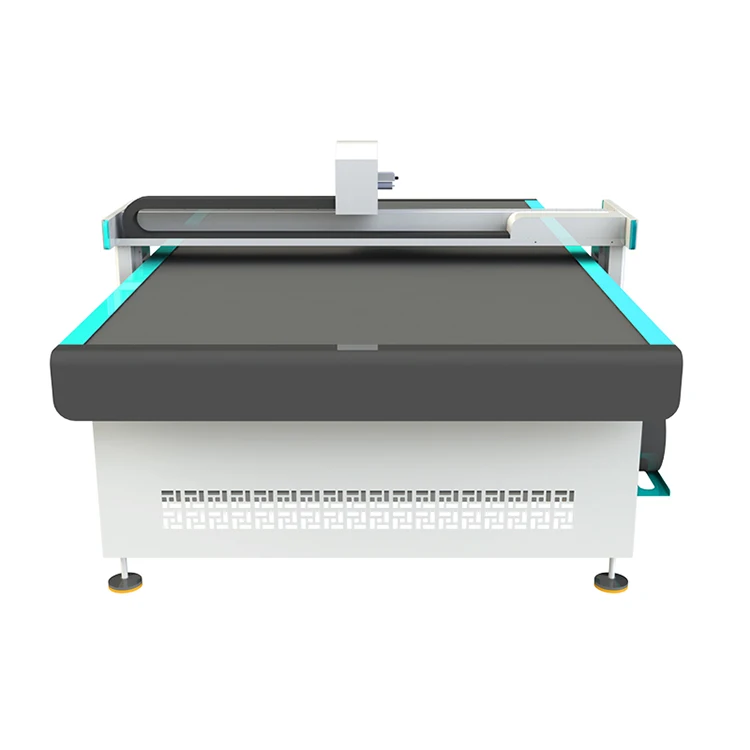
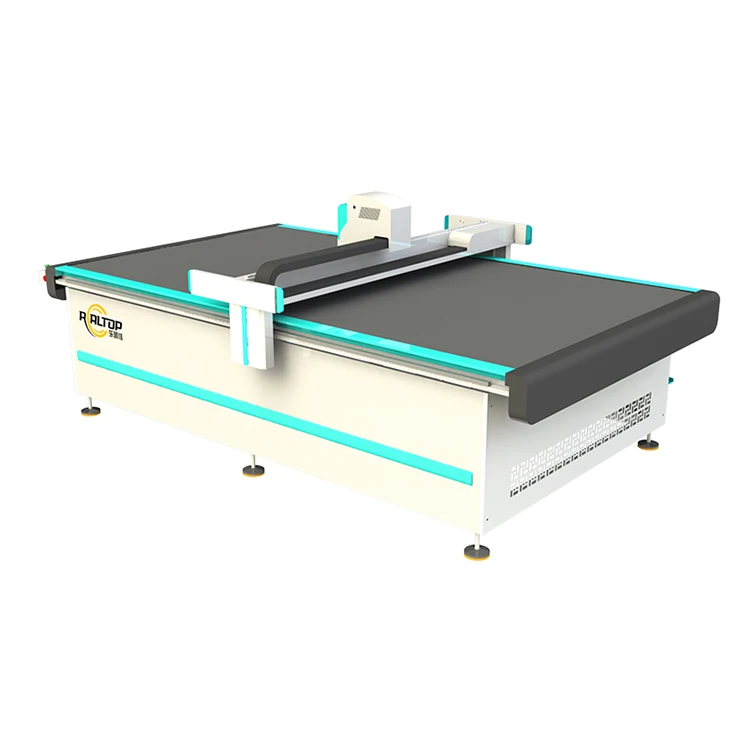
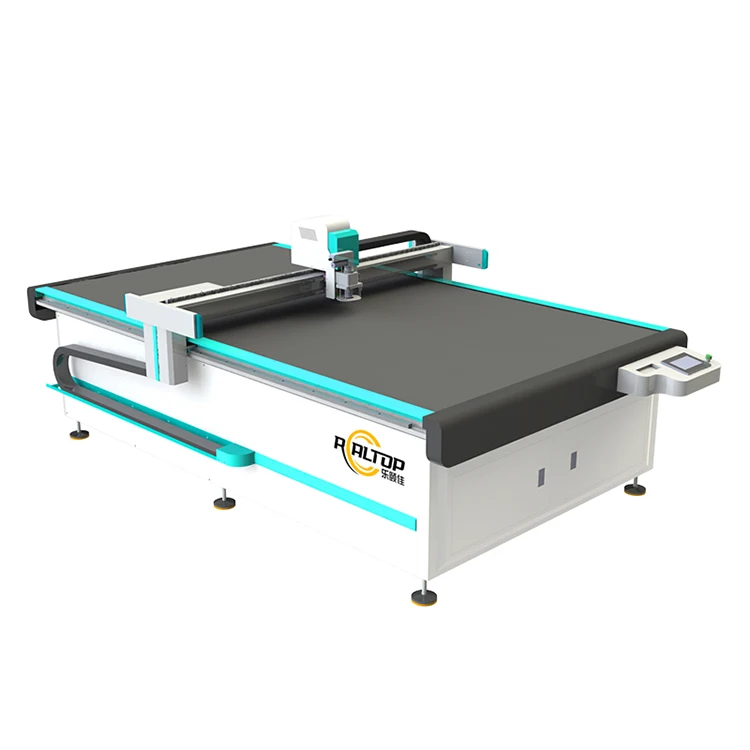
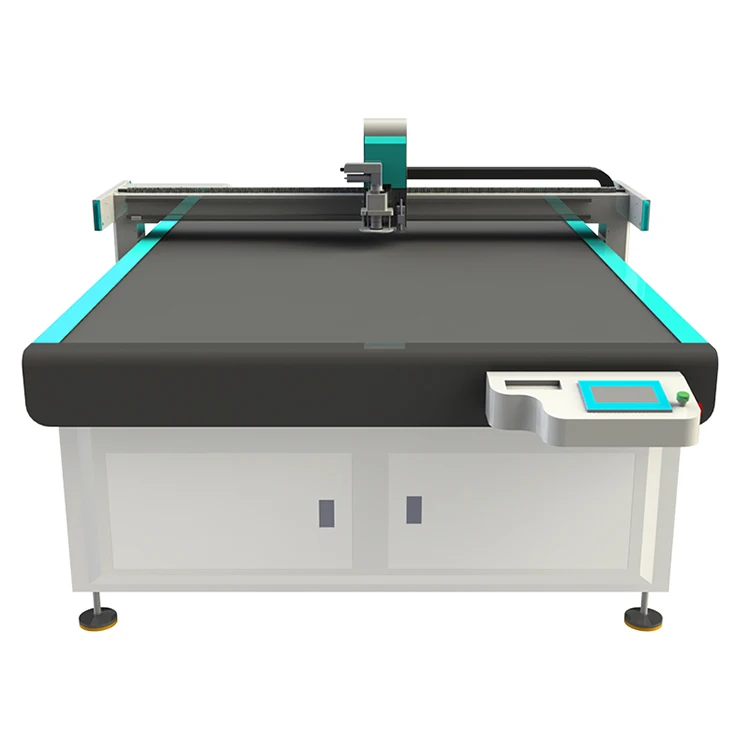
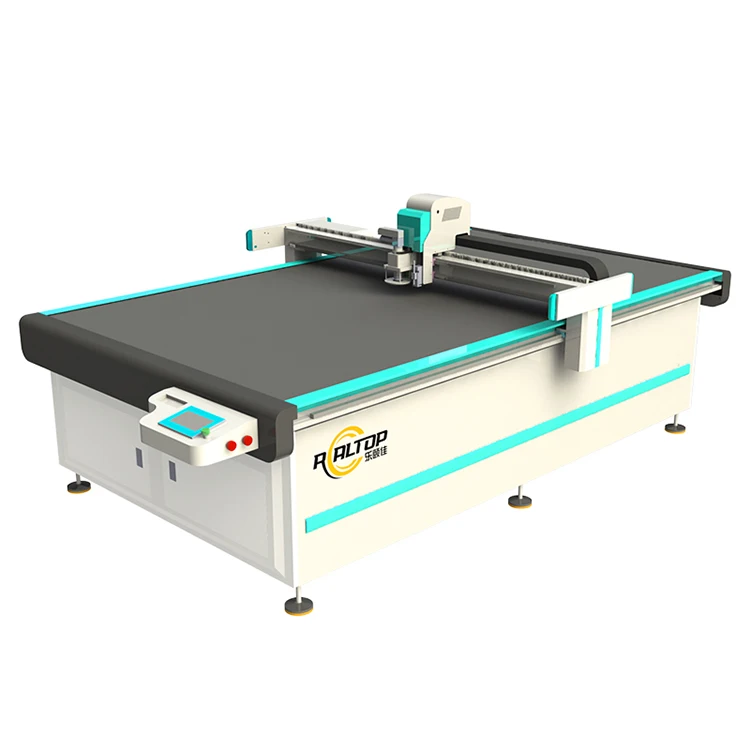
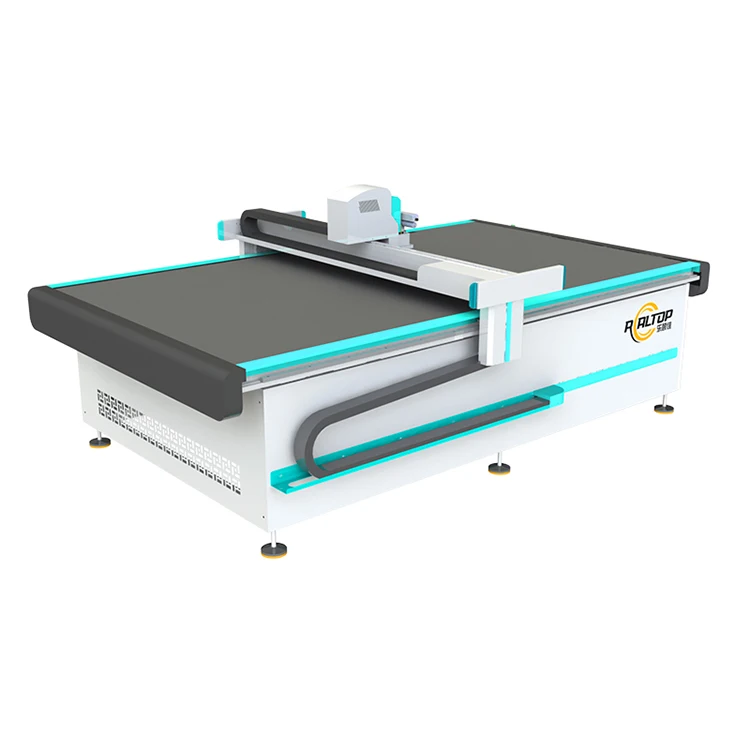
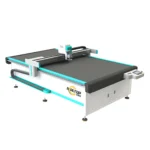
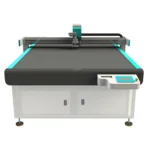
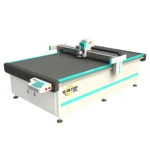
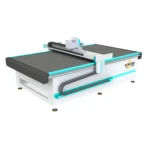
Configurable Tool Head Setup — the RT-D2516/RT-S2516 starts from your material density and thickness, not a generic cutting area, matching oscillating knife modes to foam, leather or composite behavior before any hardware is locked in.
Technical Specifications
| Parameter | Value |
|---|---|
| Model | RT-D2516/RT-S2516 |
| Product Type | CNC Oscillating Knife Cutting Machine |
| Working Area | 1600 × 2500 mm |
| Overall Dimensions | 3450 × 2300 × 1250 mm |
| Rated Power | 9 kW |
| Vacuum Pump | 7.5 kW |
| Table Type | Flat working table with vacuum zones and conveyor belt |
| Tool Head | Swiss imported oscillating knife with vibration full cutting, vibration half cutting, and cursor location |
| Translational Speed | 800 – 1200 mm/s |
| Cutting Speed | 200 – 800 mm/s (basis not stated in source) |
| Repeatability | ≤ 0.1 mm |
| Transmission System | Digital servo motor, linear guide, synchronous belt, imported ball screw |
| Servo Motor | Japanese Yaskawa |
| Linear Rail | Taiwan Hiwin |
| Conveyor Belt | Germany imported |
| Instruction System | HP-GL compatible format |
| Safety Device | Infrared sensors |
| Voltage | 380V ± 10% |
| Auto Feeding | Yes |
| Warranty | 12 months whole machine, 3 months consumables |
Application Suitability
| Application | Material or Output |
|---|---|
| Protective packaging inserts | EPE and EVA foam sheets, varying density and thickness |
| Carton and packaging prototypes | Corrugated board, greyboard, folding carton stock |
| Gaskets and sealing components | Rubber, silicon, soft PVC sheets |
| Leather goods and insoles | Natural and synthetic leather, sponge composite leather |
| Flexible garment panels | Clothing flexible materials, textile composites |
Why "Working Area" Is the Wrong Starting Point for CNC Oscillating Knife Cutting Machine Specifications
A 1600 × 2500 mm table means nothing if the knife head cannot penetrate your foam density at production speed.
Buyers often specify a CNC oscillating knife cutting machine by table size first, then discover the tool head struggles with thicker EVA or that the vacuum zoning cannot hold small gasket pieces flat. I have watched foam fabricators receive machines that cut clean edges on low-density EPE but leave ragged tear-out on high-density EVA because the oscillation frequency and blade geometry were never matched to the actual stock [NEED_CITE: oscillating knife selection by foam density and thickness]. The cutting speed range of 200–800 mm/s only becomes meaningful once your material and thickness are confirmed.
Oscillating Knife Modes and What They Actually Cut
The Swiss imported tool head on the RT-D2516/RT-S2516 supports both full cutting and half cutting vibration modes. Full cutting drives the blade through the entire material thickness in a single pass, which is necessary for EPE foam inserts and rubber gaskets where a clean through-cut is non-negotiable. Half cutting scores the surface layer without penetrating the backing, useful for kiss-cutting adhesive-backed composites or creating fold lines on packaging prototypes. Switching between modes is a configuration decision, not a software toggle — the blade angle, oscillation amplitude and downward pressure all shift depending on whether you are slicing 15 mm EVA or creasing 2 mm greyboard. This CNC oscillating knife cutting machine specification matters because a head configured for thin leather will stall or deflect on dense foam.
Vacuum Hold-Down and Conveyor Integration
The 7.5 kW vacuum pump works with the flat table’s zoning layout to keep material stationary while the knife head traverses at up to 800 mm/s. On large foam sheets, full-table vacuum is sufficient, but when cutting small gasket parts or narrow leather strips, inadequate zoning lets edges lift and the blade catches the material [NEED_CITE: vacuum table zoning requirements for small-part CNC cutting]. The German-imported conveyor belt paired with auto-feeding lets operators load continuous rolls or sequential sheets without manually repositioning stock between cuts. For packaging sample makers running short batches of different board grades, the conveyor reduces loading time between jobs.
Reading the Drive and Motion Specs
Yaskawa servo motors paired with Hiwin linear rails deliver the ≤ 0.1 mm repeatability across the full 1600 × 2500 mm travel. In oscillating knife cutting, repeatability directly controls whether nested parts — like multiple insole sizes cut from one leather hide — come out dimensionally consistent across the entire sheet. The imported ball screw and synchronous belt transmission converts servo rotation into linear motion; any backlash or belt stretch shows up as wavy edges on curved cuts. The 9 kW rated power covers the servo drives, oscillation motor and vacuum pump draw, so confirming your workshop’s available capacity and voltage stability at 380V ± 10% prevents tripped breakers mid-job.
The Hidden Cost of Skipping Material Testing
When a buyer orders based on table size and assumed material compatibility, the real problems surface during commissioning. A knife head set up for soft PVC will crush high-density EVA foam rather than slice it, producing compressed edges that fail dimensional checks. Vacuum zones configured for large carton blanks will not hold small rubber gasket pieces, causing lift and miscuts that waste material. These issues are not warranty claims — they are configuration mismatches that could have been caught with a sample cutting report on the buyer’s actual stock before the machine left the factory [NEED_CITE: pre-shipment sample cutting verification for CNC knife equipment].
Why Source This Configuration Here
In-house design covers both the knife cutting head and the vacuum table layout, so the tool head and hold-down system are specified together against your material rather than sourced separately. The RT-D2516/RT-S2516 configuration is locked only after sample cutting on your stock confirms edge quality and achievable thickness. Voltage, plug type and control panel language are confirmed before production starts, not discovered at the destination port. HP-GL file format compatibility is verified against your existing nesting or CAD workflow before the order is placed, so there are no software surprises during installation.
Documentation & Verification
- Machine specification sheet listing confirmed tool head mode and vacuum zone layout
- Electrical schematic with voltage and frequency matched to your facility
- Sample cutting report on your foam or leather stock before dispatch
- Tool head and table configuration list tied to your stated material and volume
- Software licence and HP-GL file format compatibility note included with shipment
- Operation and maintenance manual with consumable replacement intervals
Installation, Commissioning & Support
- Foundation must be level within tolerance across the 3450 × 2300 mm footprint
- Dedicated 380V ± 10% circuit rated for the 9 kW total draw plus vacuum pump startup surge
- Machine ships partially assembled; table and gantry require on-site alignment
- First-run parameter tuning covers oscillation frequency, blade depth and vacuum zone mapping
- Operator training includes HP-GL file import, nesting layout and tool head changeover
- Consumable blade stock and spare belt segments included with initial shipment
Preparing Your Inquiry
Share the specific material type, density, thickness range and maximum sheet dimensions you plan to cut daily. Confirm your facility voltage and frequency, the CAD or nesting software you currently use, and whether you need sample cutting on your own stock before committing to a configuration.
Frequently Asked Questions
Q: How do I confirm the machine handles my material thickness and density?
A: Send a representative sample of your actual stock — foam density, leather thickness, or board grade — so a cutting test runs on the RT-D2516/RT-S2516 before configuration is finalized. The sample cutting report documents edge quality, achievable depth and cycle time on your specific material, removing guesswork from the tool head selection.
Q: Which tool head is correct — oscillating knife, drag knife, or creasing wheel?
A: Oscillating knife suits thicker foam, rubber and composites where a vibrating blade produces a clean through-cut. Drag knife works for thin vinyl and flexible sheet materials. Creasing wheels score fold lines on carton board. The correct choice depends on your material stack, and the configuration is confirmed during the sample cutting stage.
Q: What file formats does the control system accept?
A: The instruction system is HP-GL compatible, which covers output from most packaging CAD and nesting software. Before ordering, confirm your specific software export format so compatibility is verified in writing. If your workflow uses DXF or other formats, this should be discussed during the inquiry stage.
Q: How is vacuum zoning handled for small versus large parts?
A: The flat table vacuum zones can be configured to match your typical part size. Large foam sheets use broad vacuum coverage, while small gasket or insole pieces require concentrated zones to prevent material lift during high-speed cutting. Your part layout determines the zoning layout specified before production.
Q: What voltage and language options are confirmed before shipment?
A: The standard configuration runs on 380V ± 10%, but voltage, plug type and control panel language are confirmed against your facility requirements before the machine enters production. This prevents rewiring costs or unusable control interfaces at the destination.


商品评价
Clear filtersThere are no reviews yet.