


Fast Shipping
Carrier information

20k products
Payment methods

24/7 Support
Unlimited help desk

2-day Delivery
Track or off orders
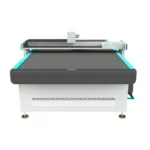
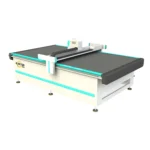
Material-Matched Tooling — Every oscillating knife head and vacuum zone on the RT-D2516 is configured only after sample cutting on the buyer’s own composite stack, preventing ragged edges and delamination at full production speed.
Technical Specifications
| Parameter | Value |
|---|---|
| Model | RT-D2516 / RT-S2516 |
| Product Type | CNC Oscillating Knife Cutting Machine |
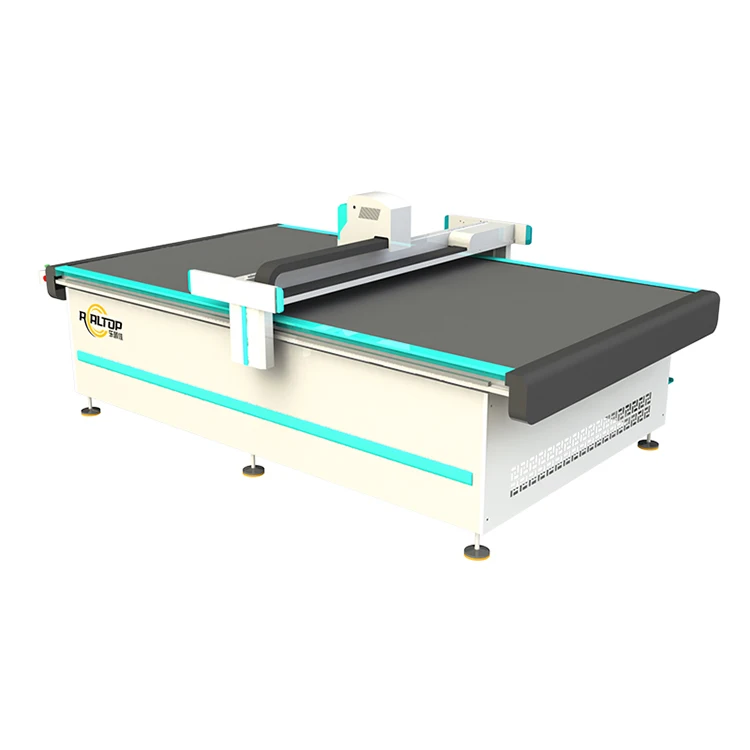
| Working Area | 1600 × 2500 mm |
| Machine Size | 3450 × 2300 × 1250 mm |
| Rated Power | 9 kW |
| Voltage | 380V ±10% |
| Translational Velocity | 800 – 1200 mm/s |
| Repeated Accuracy | ≤ 0.1 mm |
| Cutting Thickness | 20 – 80 mm (basis not stated in source — confirm material type and density) |
| Servo Motor | Delta (Panasonic optional) |
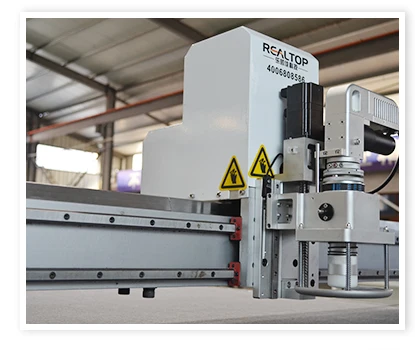
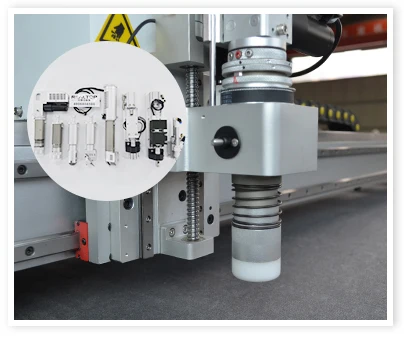
| Transmission | Digital servo, linear guide, synchronous belt, ball screw |
| Vacuum Pump | 7.5 kW, aviation aluminum shell, built-in silencer sponge |
| Vacuum Table | Magnesium-aluminum alloy, PVDF powder coating, hard anodized |
| Visual Positioning | CCD mark point, panoramic camera, projection positioning |
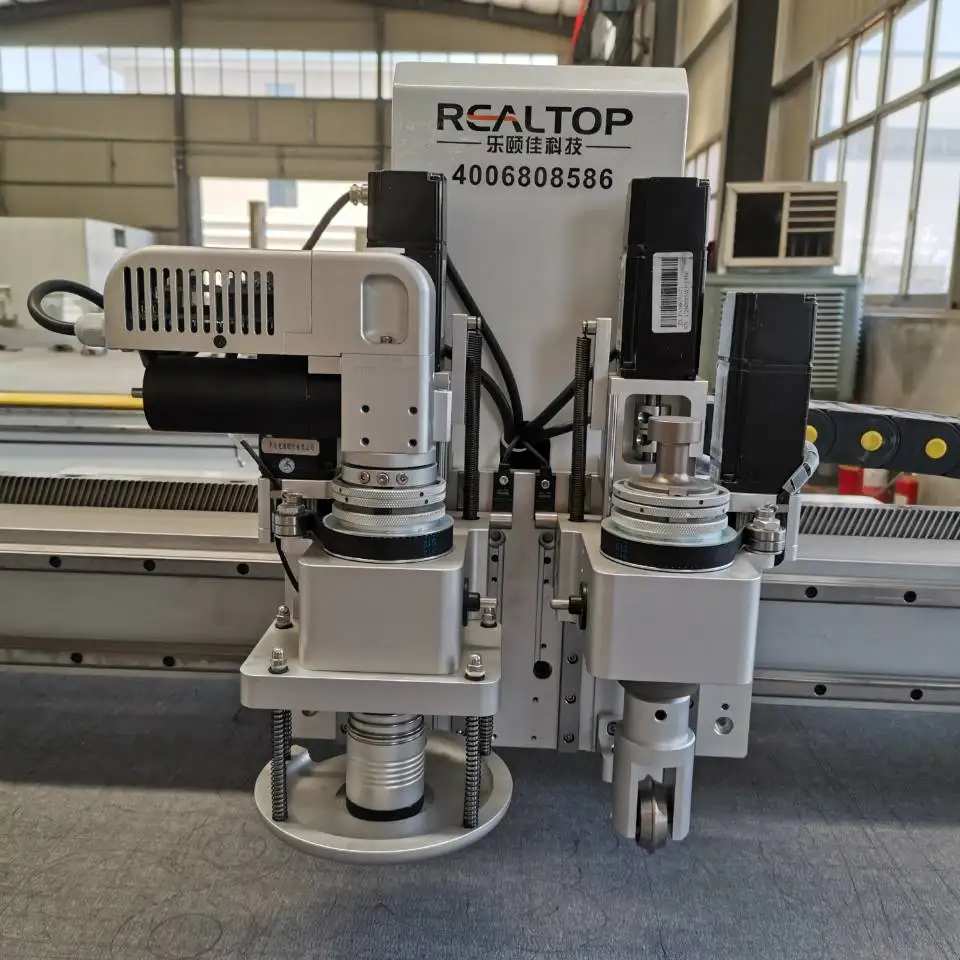
| Tool Head Options | Oscillating knife, pneumatic knife, high-power vibrating knife, circular knife, V-cutting knife, drag knife, creasing wheel, dotted line knife, punching, brush |
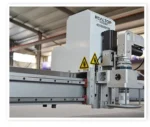
| Safety Devices | Infrared obstacle sensors, anti-collision beam, emergency stop |
| Instruction Format | HP-GL compatible |
| Certification | CE |
Application Suitability
| Application | Material or Output |
|---|---|
| Automotive interior panels | Multi-layer composite sandwich materials, sound-deadening foam laminates |
| Sealing gaskets and O-rings | Fiber-reinforced elastomers, PTFE sheets, compressed non-asbestos gasket material |
| Footwear and leather goods | Sponge composite leather, PU, EVA, natural and synthetic hides |
| Packaging prototyping | Corrugated cardboard, foam board, folding carton stock |
| Graphic arts and signage | PVC, vinyl, self-adhesive film, sticker rolls |
| Carpet and floor mat cutting | Tufted carpet, foam underlay, rubber matting |
Why Working Area Alone Decides Nothing on a CNC Knife Cutter
Cutting depth, edge quality, and small-part hold-down are determined by tool head selection and vacuum zoning — not by the dimensions of the table.
A buyer specifying a flatbed CNC oscillating knife cutting machine on working area alone will discover, often after shipment, that the chosen tool head cannot penetrate the material at the required thickness or that vacuum zones are too large to grip small gasket profiles. Composite materials — especially resin-rich prepregs, closed-cell foams, and layered sandwich panels — each demand a different blade angle, oscillation frequency, and suction layout. I once watched a European shop run pre-impregnated carbon fiber on a machine set up for standard foam; the resin content caused the blade to drag and fuzz every edge, shutting down production for three days while parameters were rebuilt from scratch. [NEED_CITE: common material-specific cutting failures in composite CNC knife operations]
Matching Tool Heads to Composite and Flexible Materials
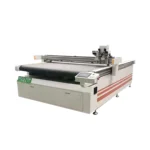
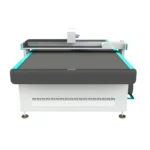
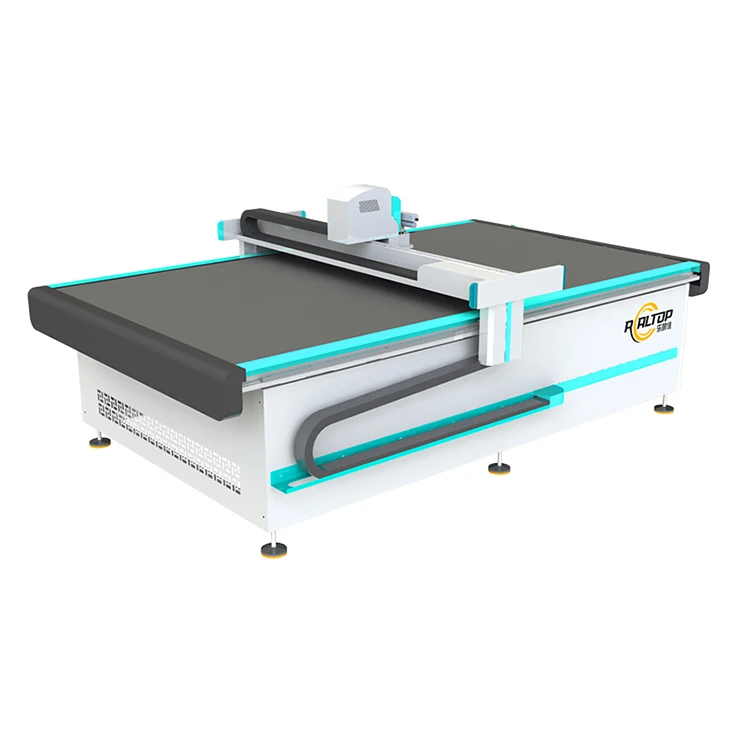
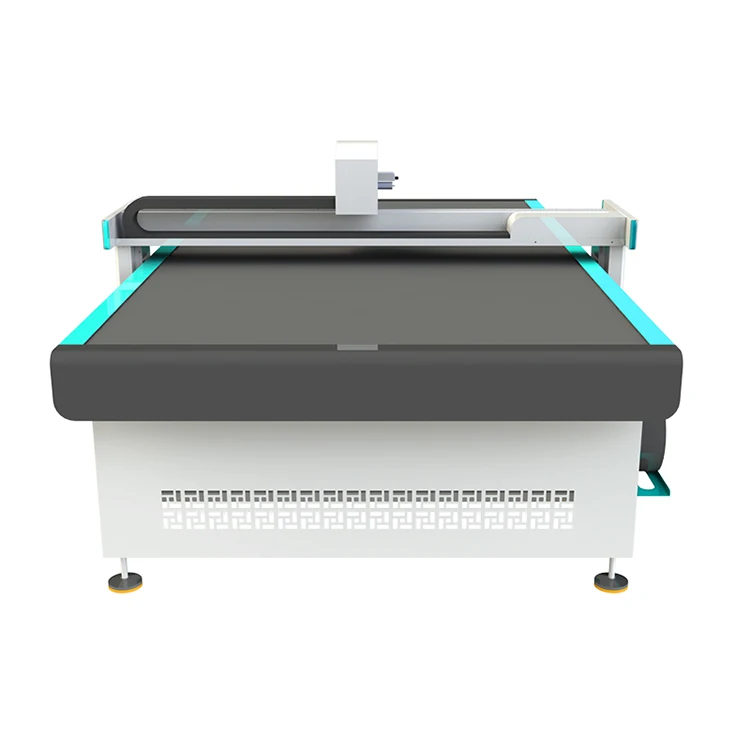
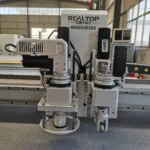
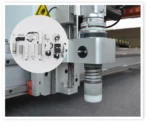
The RT-D2516 supports oscillating, drag, pneumatic, circular, V-cutting, and creasing knife heads on a single multifunctional carriage. Oscillating knives handle thick foam and layered composites by vibrating the blade at high frequency to reduce drag, while drag knives suit thin vinyl and sticker films where a clean shear cut matters more than penetration force. Choosing the correct CNC oscillating knife cutting machine specifications starts with the material stack, not the brochure.
Vacuum Table Zoning and Small-Part Stability
The magnesium-aluminum vacuum table is coated with fluorocarbon PVDF powder and hard anodized for flatness and corrosion resistance. Zoning matters: a 1600 × 2500 mm surface divided into independently valved sections allows the operator to apply suction only where material is present, preventing small gasket or insole profiles from lifting during the final cut passes. [NEED_CITE: vacuum hold-down best practices for CNC knife cutting tables]
Servo Precision and Drive Architecture
A Delta or optional Panasonic digital servo drives the carriage along Taiwan Hiwin linear guides with synchronous belt and ball screw transmission, delivering repeated accuracy of ≤ 0.1 mm across the full working area. Translational velocity ranges from 800 to 1200 mm/s. For nesting runs producing hundreds of identical gasket or leather profiles, this repeatability keeps dimensional drift within tolerance without re-calibration between shifts.
The Hidden Cost of a Default Configuration
When a machine leaves the factory with a generic tool head and a single vacuum zone, buyers cutting irregular composite panels quickly encounter lift, ragged edges, and crushed foam cores. Rework and scrap accumulate before the root cause — mismatched tooling — is identified. I have seen production floors accept delivery only to spend weeks sourcing aftermarket knife holders and retrofitting zone valves that should have been specified at order. [NEED_CITE: post-shipment retrofit costs for CNC cutting machine buyers]
Why Source This Platform Here
In-house design covers both knife and laser cutting, so the buyer selects the method that fits the material rather than forcing one technology across every job. Every RT-D2516 ships with a tool head and table configuration list matched to the buyer’s material sample report. CCD camera positioning — mark point, panoramic, and projection — is confirmed against the buyer’s printed contour files before the machine enters assembly. Voltage, plug type, and control language are documented in the electrical schematic prior to shipment, eliminating field surprises. Software licence and HP-GL format compatibility are verified against the buyer’s existing CAD/CAM nesting workflow.
Documentation & Verification
- Machine specification sheet listing every configured tool head and vacuum zone
- Sample cutting report run on the buyer’s own composite or foam material
- Electrical schematic with confirmed voltage, plug type, and frequency
- Tool head and blade angle recommendation matched to material stack
- Software licence and HP-GL file format compatibility note
- Factory test record captured before crating and dispatch
Installation, Commissioning & Support
- Flat working table arrives fully assembled; conveyor belt option requires belt tensioning on site
- 9 kW rated power demands a dedicated 380V ±10% circuit with correct phase rotation
- 7.5 kW vacuum pump connection verified for airflow and noise level at commissioning
- Delta servo parameters tuned to the buyer’s material thickness during first-run calibration
- Control language set to English, Russian, Italian, Chinese, or custom language before training
- Spare blade and knife holder list provided with recommended replacement intervals
What to Include in Your Inquiry
Send material type, maximum thickness, sheet or roll dimensions, and estimated daily volume so the correct tool head and vacuum zoning can be specified. Confirm local voltage, frequency, plug standard, and preferred control interface language. If your workflow relies on printed contour marks, provide a sample file so CCD recognition can be validated before quotation.
Frequently Asked Questions
Q: How is cutting thickness verified for my specific composite or foam material?
A: We run a sample cutting test on your actual material — noting resin content, density, and layer composition — before recommending a tool head and blade angle. The sample report documents edge quality, cutting depth, and vacuum hold-down performance, forming the basis of the configuration we quote.
Q: Which tool head is recommended for my material and edge quality requirement?
A: Oscillating knives suit thick foam and multi-layer composites where blade drag must be minimized. Drag knives handle thin film and vinyl with clean shear cuts. Pneumatic and high-power vibrating heads address dense gasket stock. We match the head after reviewing your material sample and edge finish standard.
Q: How does vacuum table zoning affect small-part cutting on composite sheets?
A: Independently valved zones concentrate suction under the material area being cut, preventing small gasket profiles or nested insoles from lifting during final passes. Without zoning, full-table vacuum spreads suction too thinly for small parts, causing edge drift and scrap.
Q: Can the CCD camera track printed contour marks at my production speed?
A: Mark point positioning, panoramic recognition, and projection positioning are all available. We test the camera against your actual printed material and file format to confirm tracking accuracy at the translational velocity your daily volume requires before the machine ships.
Q: What software file formats and nesting workflows are compatible with the control system?
A: The control system accepts HP-GL compatible format. We confirm file import, nesting layout, and output workflow against your existing CAD/CAM software during the specification stage, documenting compatibility in a written note included with the machine documentation package.


商品评价
Clear filtersThere are no reviews yet.