



Fast Shipping
Carrier information

20k products
Payment methods

24/7 Support
Unlimited help desk

2-day Delivery
Track or off orders
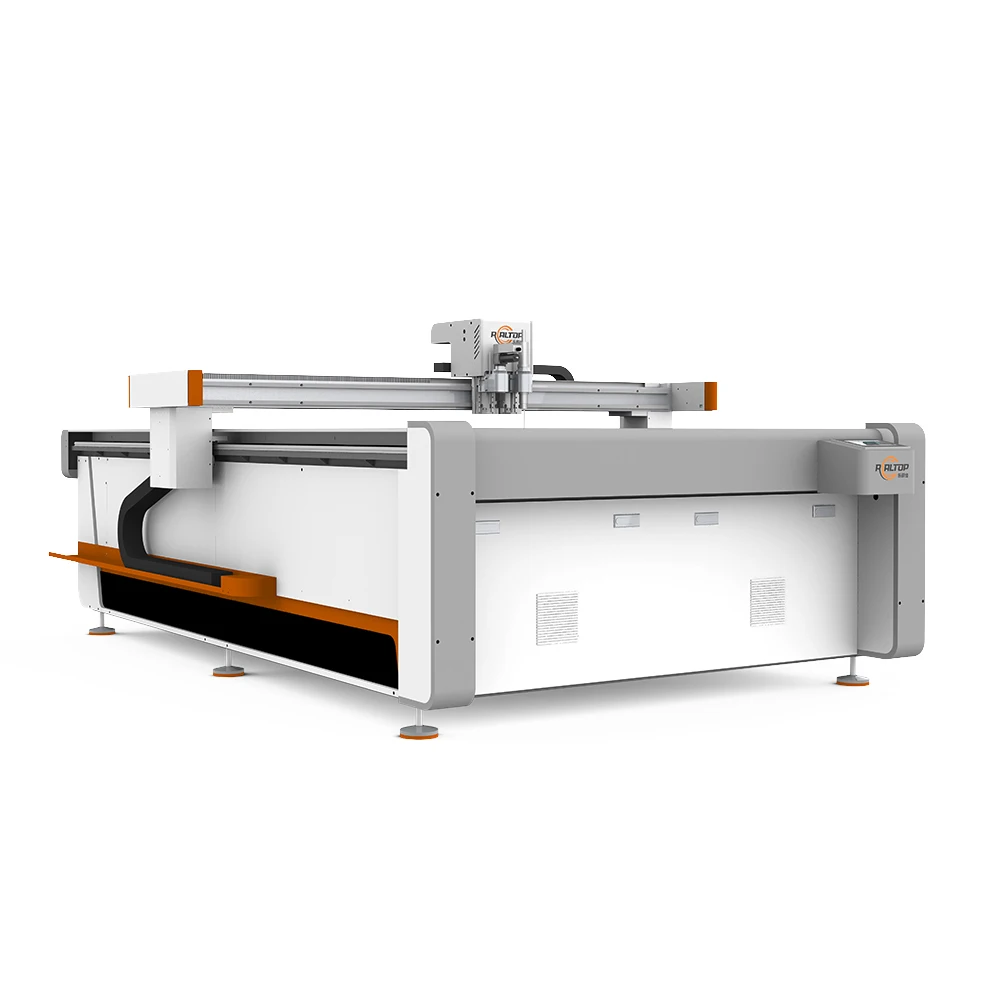
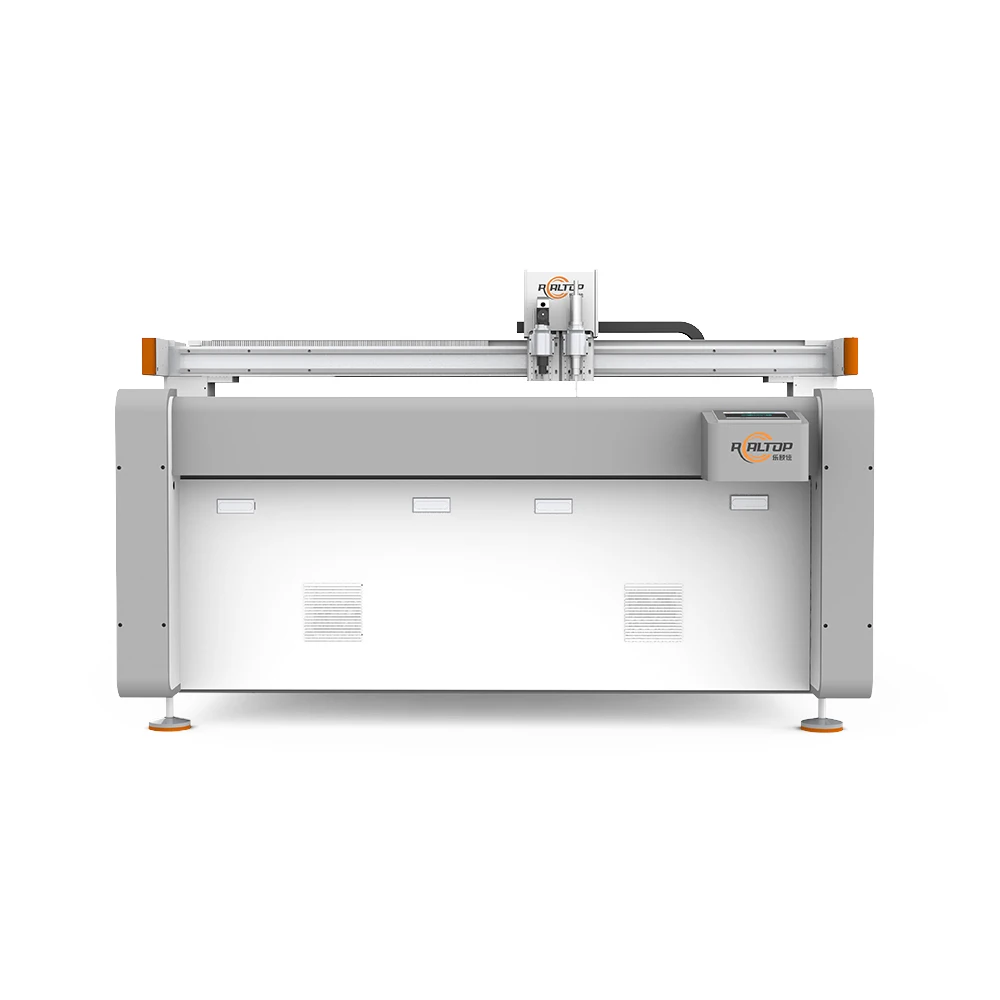
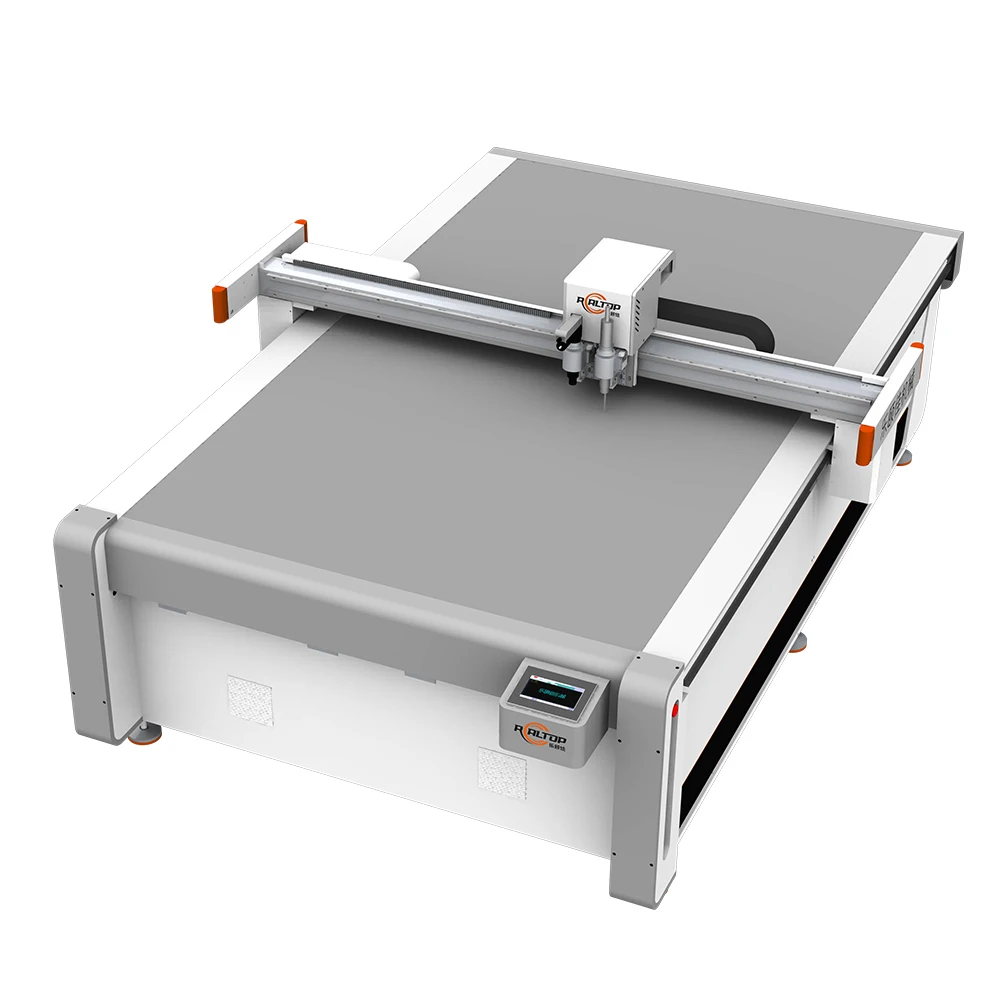
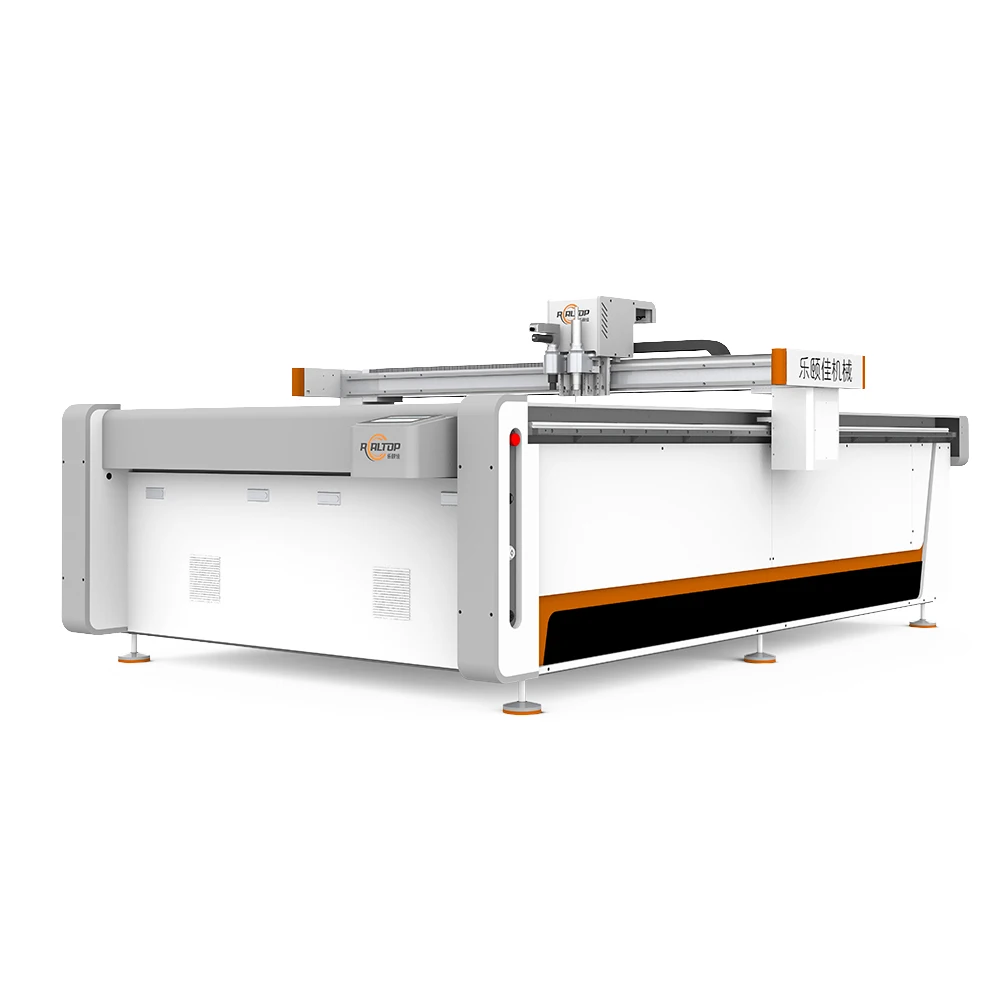
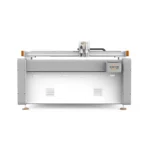
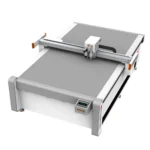
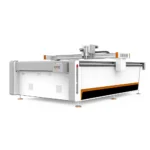
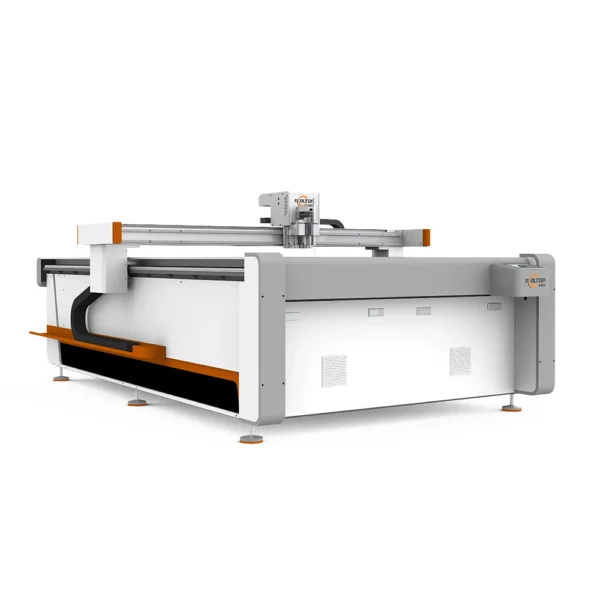
Tool-Head and Vacuum Validation — the RT-D2516/RT-S2516 CNC oscillating knife cutting machine configuration is locked only after sample cutting on the buyer’s actual honeycomb board, confirming edge quality and hold-down before the order is signed.
Technical Specifications
| Parameter | Value |
|---|---|
| Model | RT-D2516 / RT-S2516 |
| Product Type | CNC Oscillating Knife Cutting Machine |
| Working Area | 1600 × 2500 mm |
| Overall Dimensions | 3450 × 2300 × 1250 mm |
| Rated Power | 9 kW |
| Voltage | 380V ±10% (50/60 Hz to be confirmed per destination) |
| Table Type | Flat working table or auto-feeding conveyor table |
| Vacuum Pump | 7.5 kW |
| Vacuum Table Surface | Magnesium-aluminum alloy, PVDF powder sprayed, anodic and hard oxidation treated |
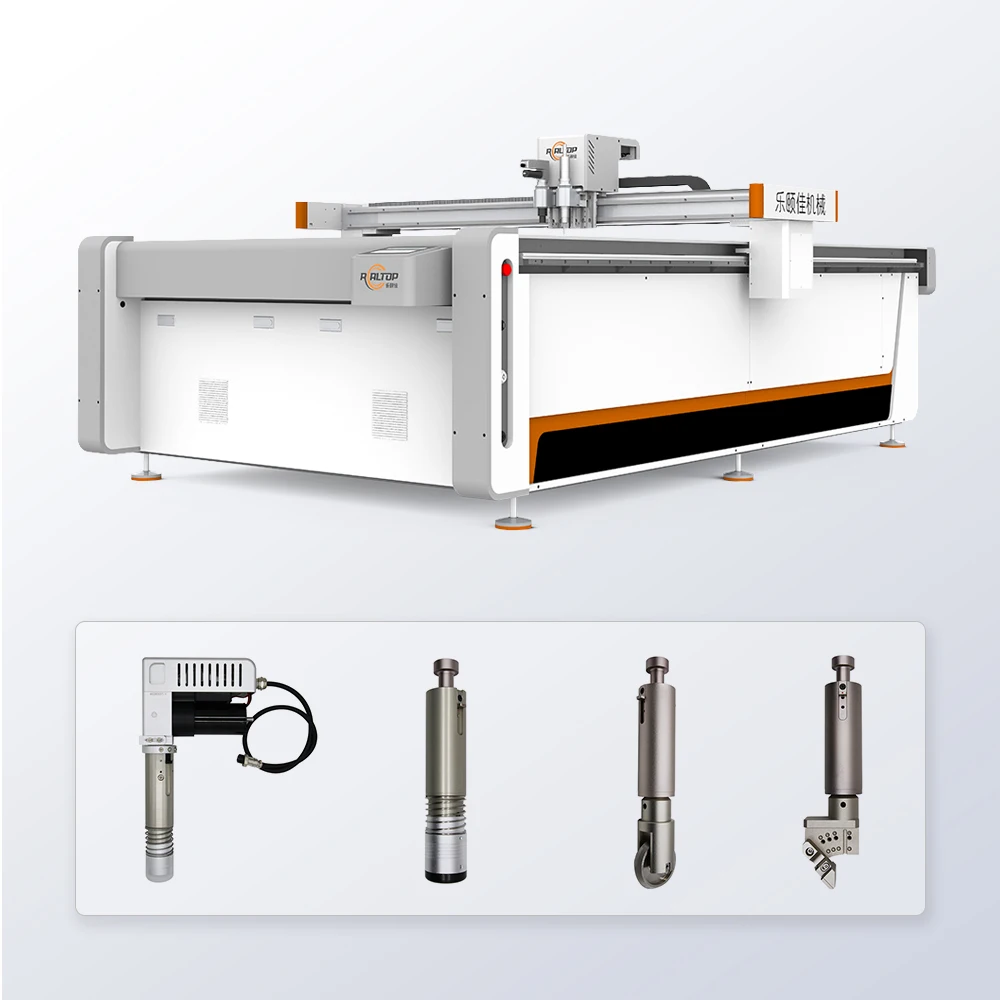
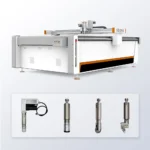
| Tool Head Options | Oscillating knife, pneumatic knife, high-power vibrating knife, circular knife, V-cutting knife, drag knife, creasing wheel, dotted line knife, punching, brush, Swiss imported knife |
| Maximum Cutting Thickness | Up to 100 mm (varies by material density and structure) |
| Translational Velocity | 800 – 2000 mm/s |
| Cutting Speed | 200 – 800 mm/s (basis to be confirmed per material and tool head) |
| Repeatability | ≤ 0.1 mm |
| Transmission System | Digital servo motor (Delta or Panasonic optional), linear guide, synchronous belt, ball screw |
| Guide Rail | Taiwan Hiwin |
| Conveyor Belt | Germany imported |
| Control System | CNC with touch screen panel |
| Instruction System | HP-GL compatible format |
| Software File Formats | PLT, DXF, AI |
| Visual Positioning Options | Small CCD mark point, panoramic camera recognition, projection positioning |
| Safety Devices | Infrared induction blocking, beam anti-collision sensors, emergency stop |
| Frame Construction | Thick-walled seamless steel, high-temperature tempering, CNC machining center finished |
| Language Options | English, Russian, Italian, Chinese (customizable) |
| Nesting Software | Auto typesetting included |
Application Suitability
| Application | Material or Output |
|---|---|
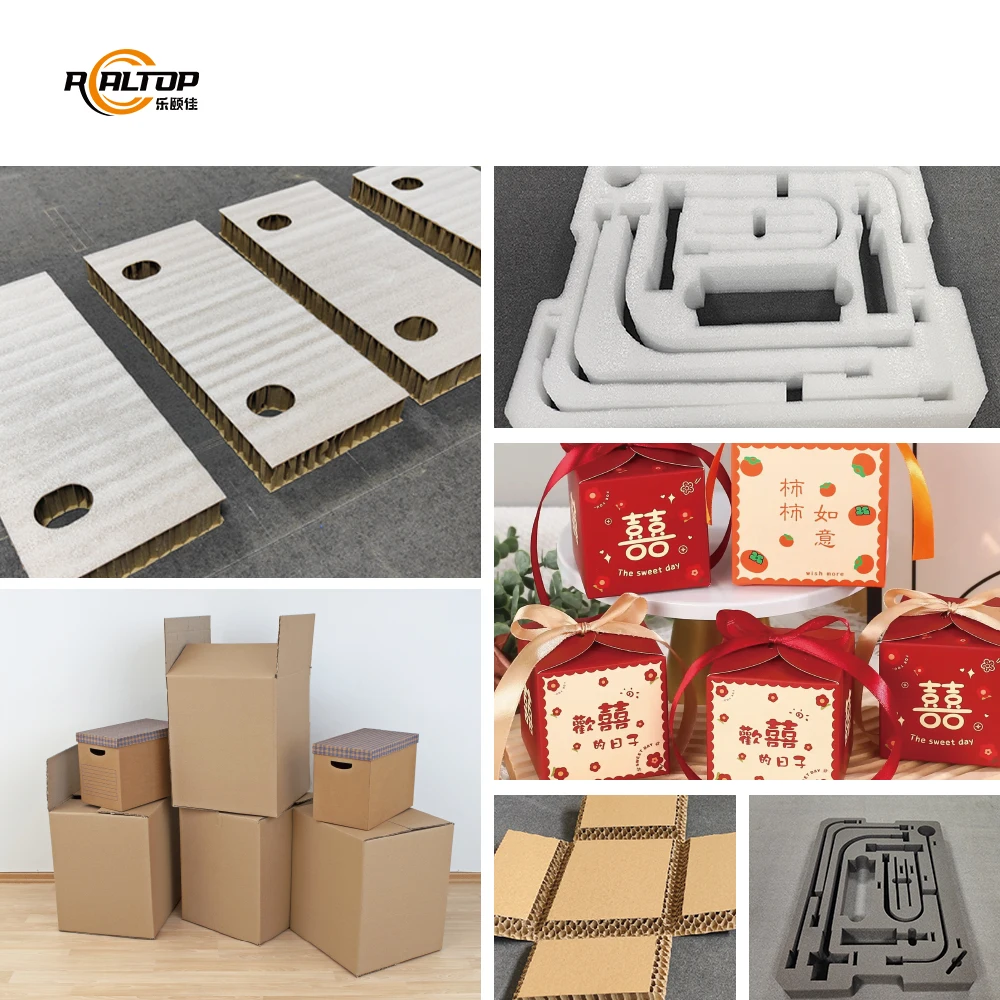
| Packaging and carton sample making | Corrugated cardboard, honeycomb board, paperboard, plastic corrugated box |
| Soft material cutting | Leather, fabric, textile, sponge, foam board, non-woven fabric, carpet |
| Gasket and sealing production | Rubber, PTFE, ETFE, composite gasket sheets |
| Advertising and signage | Sticker, film, PVC sheet, soft glass |
| Automotive interior trimming | PU, EVA, XPE, composite panels |
| Footwear and luggage | Shoe material, luggage fabric, clothing cloth |
Why Honeycomb Board Demands More Than a Working Area Spec
A flatbed specified only by table size will fail on honeycomb board if the vacuum zoning and tool head are not matched to the core structure.
I once stood in a workshop in Lagos watching a buyer run double-wall honeycomb board on a standard oscillating knife setup. The vacuum zones were too wide for the part geometry, the sheet lifted mid-cut, and every edge came out with torn fluting. An entire batch of carton samples was scrapped before we reconfigured the zoning and switched to a high-power vibrating knife. The lesson was clear: cutting depth on paper means nothing without hold-down force and blade frequency matched to the board’s compressibility [NEED_CITE: vacuum hold-down requirements for multi-layer corrugated and honeycomb structures]. When evaluating CNC oscillating knife cutting machine specifications, the interaction between tool head selection, vacuum zone layout, and material structure must be resolved before the purchase order is signed.
Matching the Blade to the Board Structure
Honeycomb board is not a single material — it is a sandwich of liner and core that reacts differently to each blade type. An oscillating knife handles single-face corrugated cleanly, but double-wall and triple-wall honeycomb often need a high-power vibrating knife to push through the core without crushing it. For crease lines on the same sheet, a creasing wheel replaces the knife in the same tool station, so the sample maker can cut and fold in one pass. This CNC oscillating knife cutting machine supports all those heads on one gantry, which means the configuration is built around the buyer’s actual board spec rather than a generic default.
Vacuum Zoning That Holds Small Parts Flat
Honeycomb and corrugated sheets are light and porous, so a single large vacuum zone cannot grip small carton blanks reliably. The magnesium-aluminum alloy table on this platform is divided into independent suction zones, each valved separately. During sample cutting, we close off unused zones so the full pump capacity concentrates under the part. The PVDF-coated, hard-oxidized surface resists adhesive residue from printed liners and maintains flatness across the 1600 × 2500 mm area. Without this zoning discipline, small gasket and packaging pieces drift during the final cuts [NEED_CITE: flatness tolerance requirements for digital cutting tables in packaging sample making].
What the Specification Sheet Actually Means for Production
The 9 kW rated power covers the servo drives, spindle oscillation, and control electronics, while the separate 7.5 kW vacuum pump runs on its own circuit — this matters because voltage dips on a shared line cause inconsistent suction. Repeatability at ≤ 0.1 mm keeps crease lines aligned with cut contours across a full sheet of carton stock, which is essential when folding cartons must close squarely. The Taiwan Hiwin linear guides and ball screws maintain that tolerance over long production runs, and the thick-walled steel frame with high-temperature tempering resists deflection under the lateral load of cutting dense honeycomb. Translational velocity of up to 2000 mm/s positions the head between cuts, while actual cutting speed between 200 and 800 mm/s depends on board thickness and blade choice. The HP-GL compatible instruction set and PLT/DXF/AI file support let buyers import designs from standard packaging CAD systems without re-drawing.
The Cost of Skipping Configuration Validation
When a buyer selects a machine on working area alone and the tool head arrives mismatched to the material, the consequences extend beyond bad edges. Ragged cuts force manual trimming, slowing the sample room and delaying client approvals. Insufficient vacuum hold-down causes the sheet to shift, producing scrap and wasted material. A CCD camera promised for contour work but never tested on the buyer’s print quality will lose registration marks at production speed, turning printed carton runs into misaligned waste [NEED_CITE: CCD registration accuracy requirements on printed corrugated substrates]. These failures do not show up in a brochure — they appear on the shop floor, weeks after delivery.
Why Source This Platform from REALTOP
The design team covers both knife and vacuum table engineering in-house, so zoning changes are built into the table during fabrication rather than improvised later. Every tool head option — from oscillating knife to V-cutting knife to creasing wheel — is stocked and tested against real materials before shipment. CCD positioning is available in three variants (small mark point, panoramic, projection) and validated on the buyer’s printed sheets, not assumed from a generic test pattern. Voltage, plug type, and control language are confirmed in writing before production begins, eliminating the mismatch that causes installation delays. Sample cutting on the buyer’s own honeycomb board, corrugated stock, or gasket material is completed and documented before the order proceeds, so there are no surprises when the machine arrives.
Documentation & Verification
- Machine specification sheet listing every tool head and vacuum zone included in your configuration
- Electrical schematic with voltage and frequency confirmed against your facility supply
- Sample cutting report on your honeycomb board or corrugated stock with edge photos
- Tool head and table configuration list detailing exactly which knives and zones ship with the machine
- Software license and PLT/DXF/AI file format compatibility note for your CAD workflow
- Factory test record documenting repeatability and cutting quality before crating
Installation, Commissioning & Support
- Floor space planning for 3450 × 2300 mm footprint plus material infeed clearance on the conveyor side
- Dedicated 380V ±10% circuit with verified frequency for the 9 kW machine and separate 7.5 kW vacuum pump
- Table leveling and vacuum zone seal check during first power-on to confirm uniform suction
- Servo tuning and cutting speed calibration on your actual board stock during commissioning
- Touch screen control panel walkthrough in your selected language covering nesting, tool offsets, and CCD setup
- Spare blade and creasing wheel kit with replacement intervals based on your material abrasiveness
What to Send with Your Inquiry
Provide the honeycomb or corrugated board structure (single-face, double-wall, flute type), sheet dimensions, and typical daily sample volume. Include a printed sheet if CCD contour cutting is required, so we can test mark recognition at speed. Confirm your facility voltage, frequency, and preferred control language so the electrical and software setup is finalized before production.
Frequently Asked Questions
Q: How is the real cutting thickness on honeycomb board verified before purchase?
A: We run your actual board sample through the machine using the proposed tool head and vacuum zone layout. Cutting depth, edge quality, and fluting compression are documented in a sample report. Because honeycomb core density and liner weight vary, the achievable thickness depends on these properties — not just the blade stroke length — so verification on your specific stock is essential.
Q: Which tool head should I use for creasing and cutting cartons in one setup?
A: A typical packaging sample configuration pairs an oscillating knife for outline cuts with a creasing wheel for fold lines, both mounted on the same gantry. For heavier double-wall or honeycomb board, a high-power vibrating knife replaces the standard oscillating head. The selection is confirmed during sample cutting on your board, so the edge and crease quality meet your folding requirements.
Q: How does CCD contour recognition perform on printed corrugated sheets?
A: The system offers small CCD mark point, panoramic camera, and projection positioning options. Performance depends on print contrast, mark size, and surface gloss. We test recognition on your printed sheets during the sample phase to confirm the camera tracks marks reliably at cutting speed, adjusting mark specifications if needed before production begins.
Q: What vacuum table zoning is required for small carton blanks?
A: The magnesium-aluminum table is divided into independent zones, each with its own valve. For small parts, unused zones are closed to concentrate suction under the blank. During sample cutting, we validate hold-down by measuring part movement during high-speed contour cuts and adjust the active zone map until drift is eliminated.
Q: Are my existing CAD files compatible with the nesting software?
A: The control system accepts PLT, DXF, and AI files via HP-GL compatible instruction format. Before order confirmation, we verify that your specific file exports import correctly into the included auto typesetting software and that the nesting workflow matches your production sequence. A compatibility note is included in the documentation package.


商品评价
Clear filtersThere are no reviews yet.