






Fast Shipping
Carrier information

20k products
Payment methods

24/7 Support
Unlimited help desk

2-day Delivery
Track or off orders
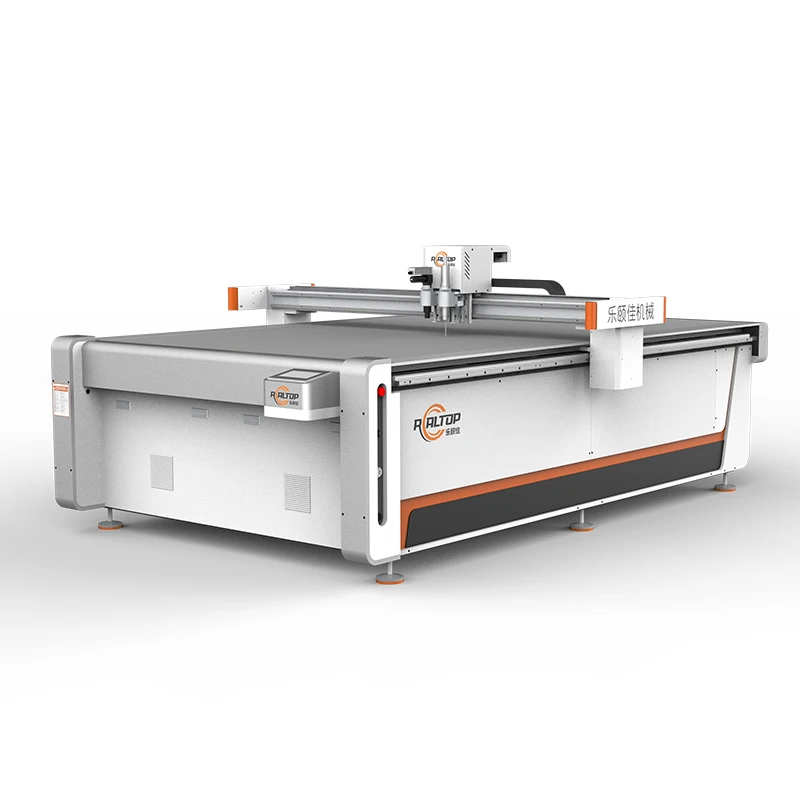
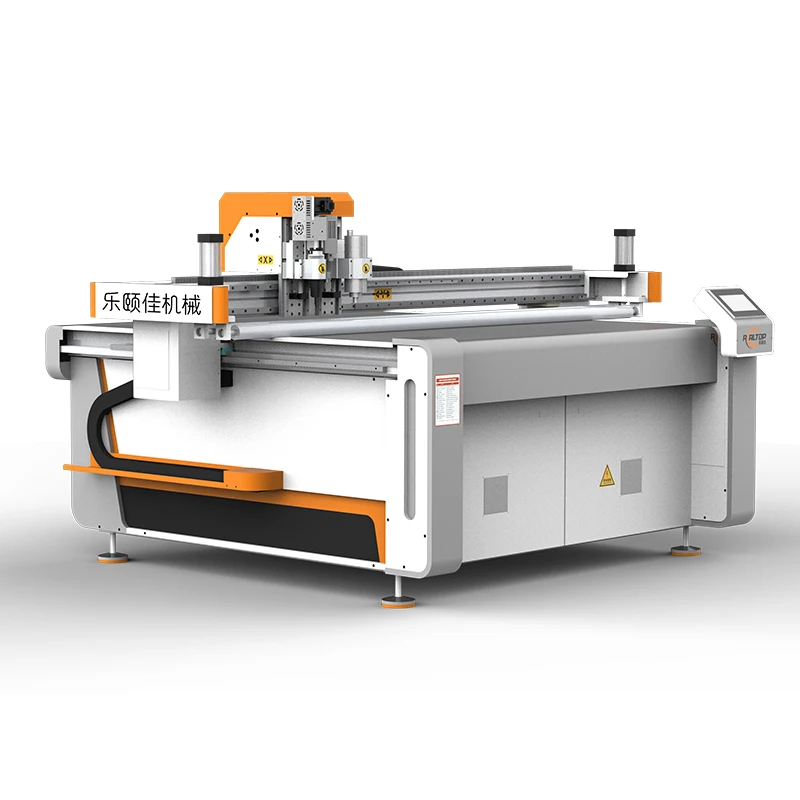
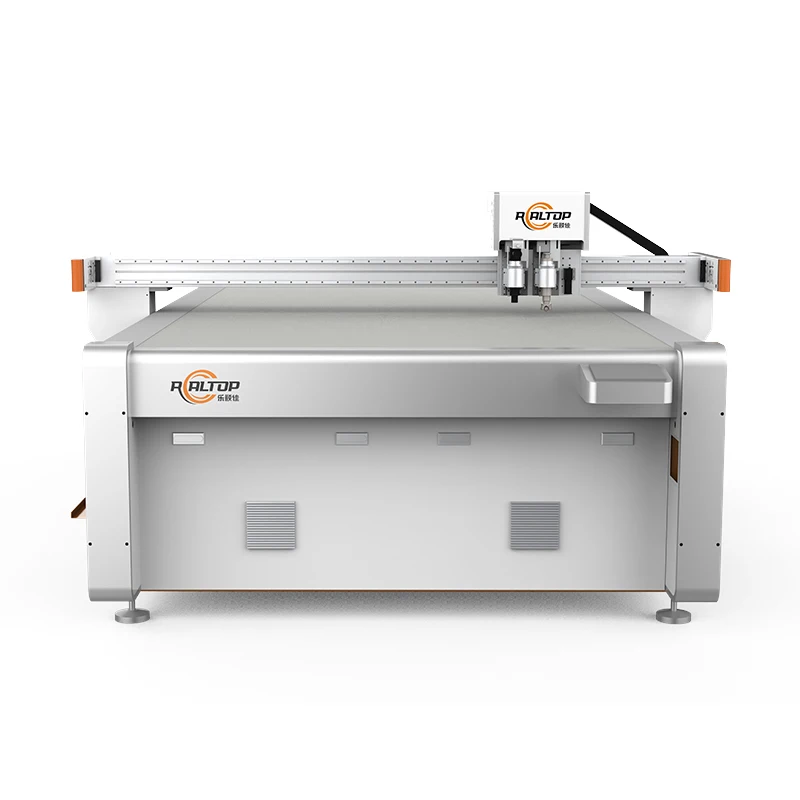
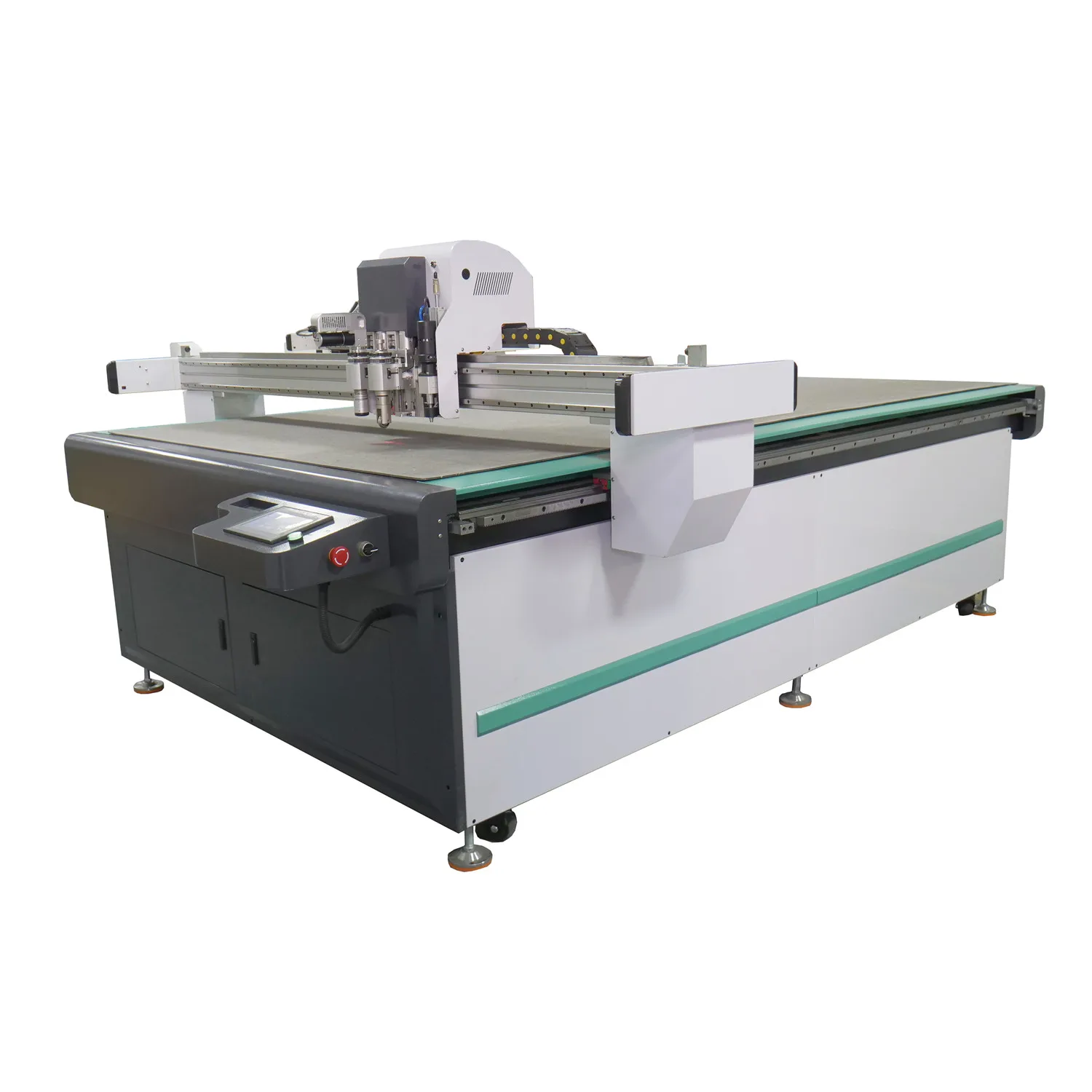
Knife-First Configuration — Every tool head, vacuum zone and CCD option on the RT-D2516/RT-S2516 is locked to your board grade and flute profile before the order ships, not guessed on the production floor.
Technical Specifications
| Parameter | Value |
|---|---|
| Model | RT-D2516/RT-S2516 |
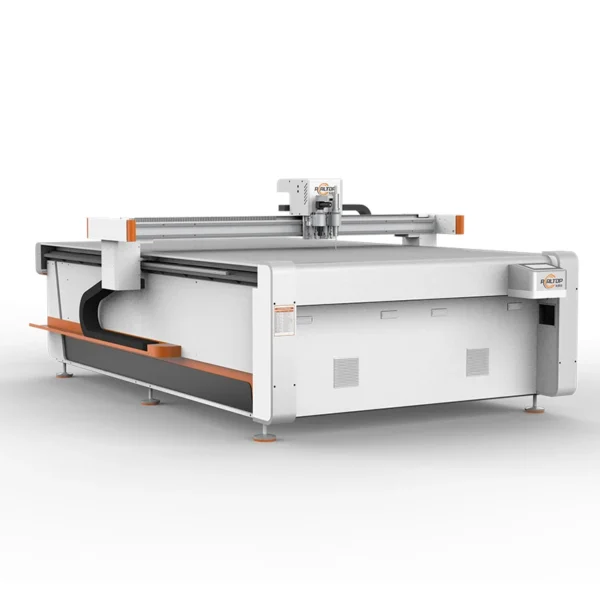
| Product Type | CNC Oscillating Knife Cutting Machine |
| Working Area | 1600 × 2500 mm |
| Machine Size | 3450 × 2300 × 1250 mm |
| Rated Power | 9 kW |
| Table Type | Flat working table or Auto feeding table |
| Cutting Thickness | Up to 100 mm depending on material density (basis to be confirmed) |
| Translational Velocity | 800–2000 mm/s |
| Cutting Speed | 200–800 mm/s depending on material |
| Repeated Accuracy | ≤ 0.1 mm |
| Transmission System | Digital servo motor, linear guide, synchronous belt, ball screw |
| Servo Motor | Delta (Panasonic optional) |
| Vacuum Pump | 7.5 kW |
| Vacuum Table | Magnesium-aluminum alloy with PVDF coating and anodic oxidation |
| Conveyor Belt | Germany imported |
| Linear Guide | Taiwan Hiwin rail |
| Control Panel | Touch screen, multi-language support |
| Software | Auto typesetting; PLT, DXF, AI formats |
| Visual Positioning | CCD camera, panoramic camera, or projection positioning |
| Voltage | 380V ± 10% |
| Frame | Welded thick-walled seamless steel, high-temperature tempering, CNC machined |
| Safety Device | Infrared sensors, anti-collision, emergency stop |
| Language Options | English, Russian, Italian, Chinese (customizable) |
Application Suitability
| Application | Material or Output |
|---|---|
| Corrugated box sample making | Single, double and triple-wall corrugated cardboard |
| V-grooving and slotting | Honeycomb board, greyboard, high-density fibreboard |
| Folding carton blank production | Kraft liner, test liner, coated folding carton stock |
| Short-run packaging prototypes | Foam board, PVC sheet, PP hollow sheet |
| Display and signage cutting | Acrylic, composite aluminium panel, magnetic sheet |
| Gasket and sealing pad cutting | Rubber, cork, compressed fibre, PTFE sheet |
Why the Flute Profile Question Comes Before the Price Quote
A machine specified on working area alone will fail the moment a denser board hits the table.
When a packaging plant buys a flatbed cutter based only on bed size, the first production run on double-wall or honeycomb board often reveals that the standard oscillating knife cannot hold a clean V-groove, the creasing wheel crushes the flute, or the vacuum zones leave small blanks lifting at cutting speed. I flew to a carton plant in Latin America after a machine specified for single-wall corrugated choked on high-density double-wall, ruining an entire batch of die-cut blanks. The CNC Oscillating Knife Cutting Machine specifications must be tied to the exact flute profile, board grade and daily volume the buyer actually runs [NEED_CITE: corrugated flute types and tooling requirements].
Matching the Tool Head to the Flute and Board Grade
The RT-D2516/RT-S2516 platform carries a Swiss-imported multifunctional head that accepts oscillating knife, V-cutting knife, creasing wheel, drag knife, pneumatic knife and punching tools on a single mount. For single-wall B-flute sample cutting, the standard oscillating knife delivers a clean through-cut at the specified cutting speed, while a creasing wheel scores fold lines without crushing the flute. When the job shifts to double-wall or honeycomb board, the V-cutting knife slots the waste channel at a depth and angle matched to the board caliper, and a high-power vibrating knife replaces the standard blade to handle the extra density without ragged edges.
Vacuum Zoning That Holds Small Blanks Flat
A 7.5 kW vacuum pump feeds a magnesium-aluminum alloy table finished with fluorocarbon PVDF powder spraying and hard anodic oxidation. The table surface is divided into independently controlled suction zones so that a small carton blank in one corner stays pinned to the table even while the head is cutting a large sheet on the opposite side. This zoned vacuum layout is specified at order based on the buyer’s typical blank size and nest pattern, preventing material lift that would otherwise produce mis-cut edges or force a second pass on the same sheet [NEED_CITE: vacuum table zoning principles for flatbed digital cutters].
Reading the Specs That Actually Matter on the Shop Floor
The welded thick-walled seamless steel frame goes through high-temperature tempering and CNC machining centre finishing, which is what holds the repeated accuracy at ≤ 0.1 mm across the full 1600 × 2500 mm working area. A frame that flexes under cutting load will throw off registration on multi-pass jobs and printed contour cuts. The Taiwan Hiwin linear rails and ball screw transmission keep the head on track at translational speeds up to 2000 mm/s, while the Delta servo motor (with Panasonic optional) provides the positional feedback needed for tight corner geometry on carton lock tabs. The CCD camera and panoramic visual positioning options register printed marks on pre-printed corrugated sheets, allowing contour cutting of graphics that have already passed through a flexo or digital press. Software accepts PLT, DXF and AI files directly, so the buyer’s existing nesting workflow does not need to be rebuilt around a proprietary format.
What Happens When Configuration Is Skipped
Choosing the wrong tool head for a board grade produces ragged edges on single-wall and crushed flutes on double-wall, forcing the operator to slow the cutting speed well below the published range. A vacuum table with no zoning or insufficient zones means small carton blanks lift during the cut, generating scrap that compounds across a full shift. When the CCD camera is promised but not calibrated for the buyer’s print contrast and mark size, the machine cannot track registration marks at production speed and every contour-cut sheet is rejected [NEED_CITE: printed mark tracking requirements for CNC contour cutting].
Why This Platform Is Built for the Packaging Shop
An in-house design team covers both oscillating knife and V-cutting technology on one flatbed, so the buyer matches the tool to the board rather than forcing one blade through every job. Tool head and table configuration are specified per corrugated flute profile and production volume, documented in a configuration list before the machine ships. CCD camera positioning is calibrated against the buyer’s printed artwork before delivery. Voltage, control language and software file format are confirmed in writing so the machine arrives ready to run on the local power supply and in the operator’s language. Sample cutting is performed on the buyer’s own board grade and flute type before commitment, providing a physical benchmark rather than a catalogue promise.
Documentation & Verification
- Factory test record cut on your corrugated flute profile and board grade before dispatch
- Tool head and vacuum zone configuration list specifying every knife, wheel and suction zone shipped
- Electrical schematic with 380V ± 10% confirmation or site-specific voltage documented before production
- Software licence and file format note confirming PLT, DXF and AI import into your nesting workflow
- CE declaration and packing photographs taken at the factory before crating
Installation, Commissioning & Support
- Machine footprint of 3450 × 2300 mm requires a level concrete floor with clearance on three sides for loading
- Dedicated 380V ± 10% circuit rated for 9 kW total draw plus the 7.5 kW vacuum pump on a separate breaker
- Unit ships as a single assembled frame; only the control panel arm and vacuum hoses are connected on site
- First-run parameter tuning covers knife oscillation frequency, V-groove depth and vacuum zone balance for your board
- Operator training covers tool change, CCD mark teaching and nest file import in the confirmed control language
- Spare parts list includes oscillating knife blades, creasing wheels and conveyor belt sections identified by part number
What to Prepare Before You Request a Quote
Send the specific corrugated flute types, board grades and maximum caliper you run daily, along with a typical nest file or blank drawing so the tool head and vacuum zone layout can be matched to your output. Confirm your workshop voltage and frequency, the control language your operators need, and whether your existing nesting software exports PLT, DXF or AI. If you want sample cutting on your own board before commitment, ship a few sheets of each grade to the factory so the cutting parameters are locked before the machine is built.
Frequently Asked Questions
Q: How do I confirm cutting thickness for my specific corrugated flute and board grade?
A: The published cutting thickness varies with material density and flute structure. Before the order is confirmed, a sample cutting test is run on your actual board grade using the tool head selected for your flute profile, and the cutting speed and knife oscillation frequency are recorded in a sample cutting report you receive before the machine ships.
Q: Which tool head combination fits my carton structure?
A: Single-wall carton blanks typically use an oscillating knife for through-cuts and a creasing wheel for fold lines. Double-wall and honeycomb boards add a V-cutting knife for slotting and a high-power vibrating knife for denser sections. The exact combination is specified in your configuration list based on the flute types and board grades you provide at inquiry stage.
Q: Does the CCD camera track printed marks at full production speed?
A: The CCD and panoramic camera options are calibrated against your specific print contrast, mark size and sheet colour before delivery. When the marks meet the specified contrast threshold, the system tracks registration at the machine’s standard cutting speed without requiring the operator to slow down for contour jobs.
Q: How is vacuum table zoning set up for small carton blanks?
A: The magnesium-aluminum vacuum table is divided into zones that can be switched on or off independently. The zone layout is planned around your typical nest pattern so that small blanks in one area remain pinned to the table while the head works on another area, preventing material lift and mis-cuts during high-speed cutting passes.
Q: What electrical and software details are confirmed before shipment?
A: Voltage and frequency are confirmed against your site supply and documented in the electrical schematic. Control language is set to your operator preference. A software licence and file format compatibility note confirms that your PLT, DXF or AI files import correctly into the machine’s nesting workflow before the machine leaves the factory.


商品评价
Clear filtersThere are no reviews yet.