

Fast Shipping
Carrier information

20k products
Payment methods

24/7 Support
Unlimited help desk

2-day Delivery
Track or off orders
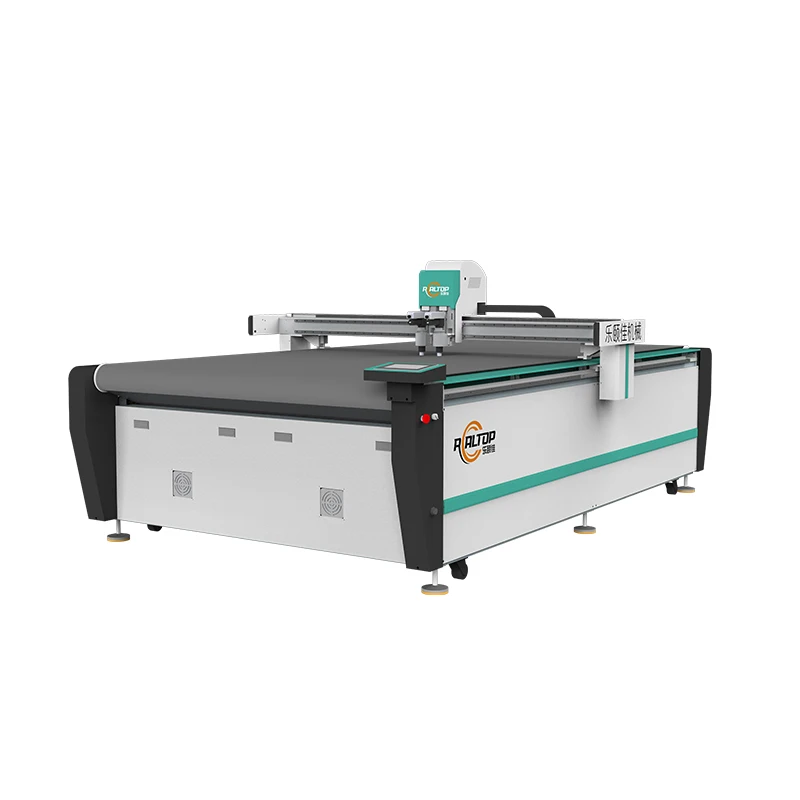
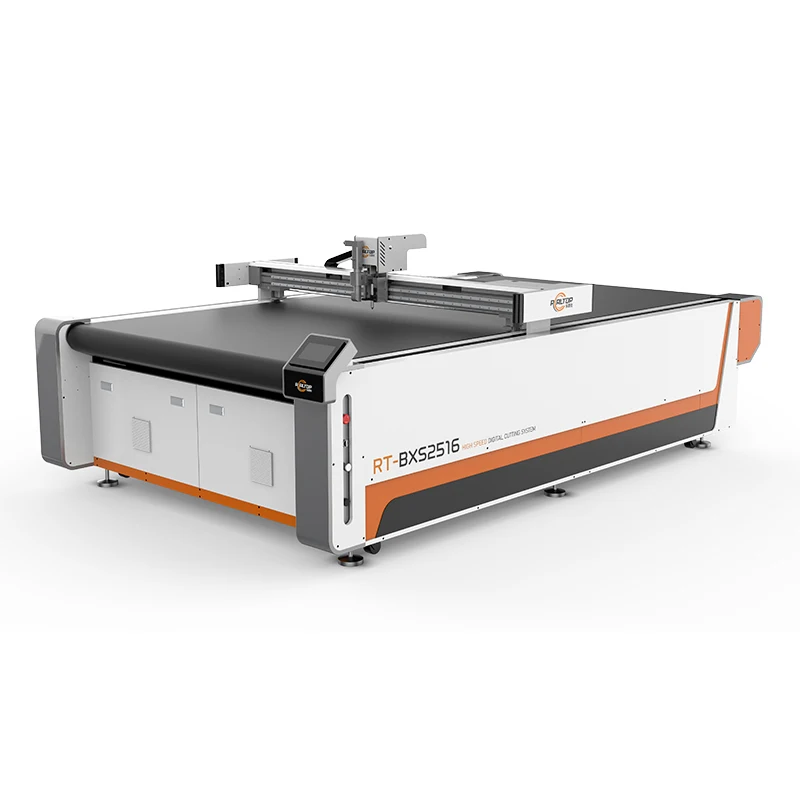
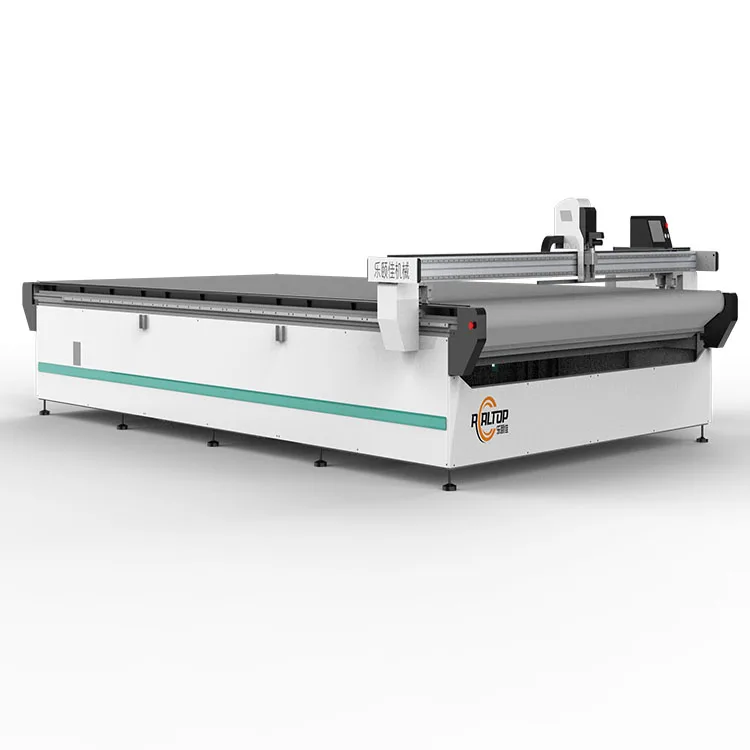
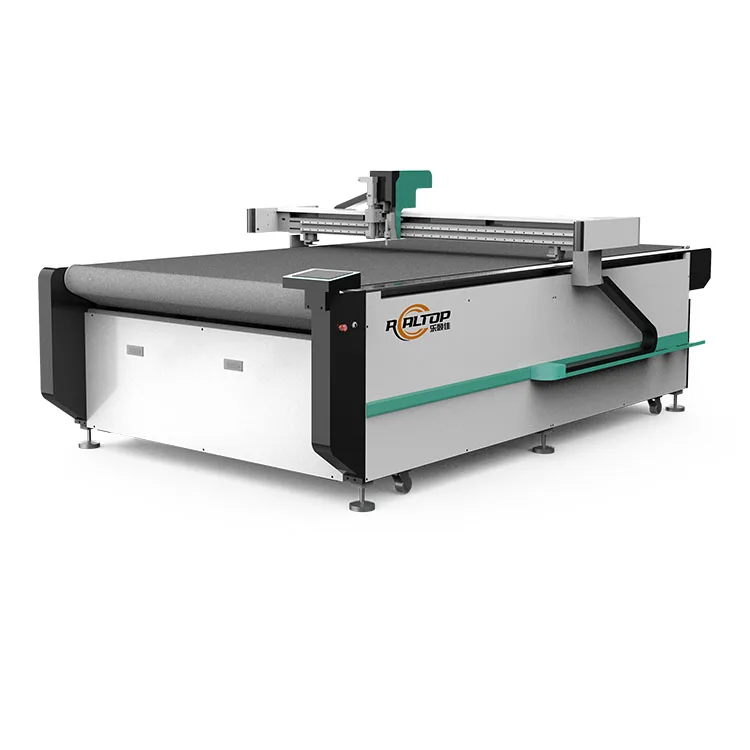
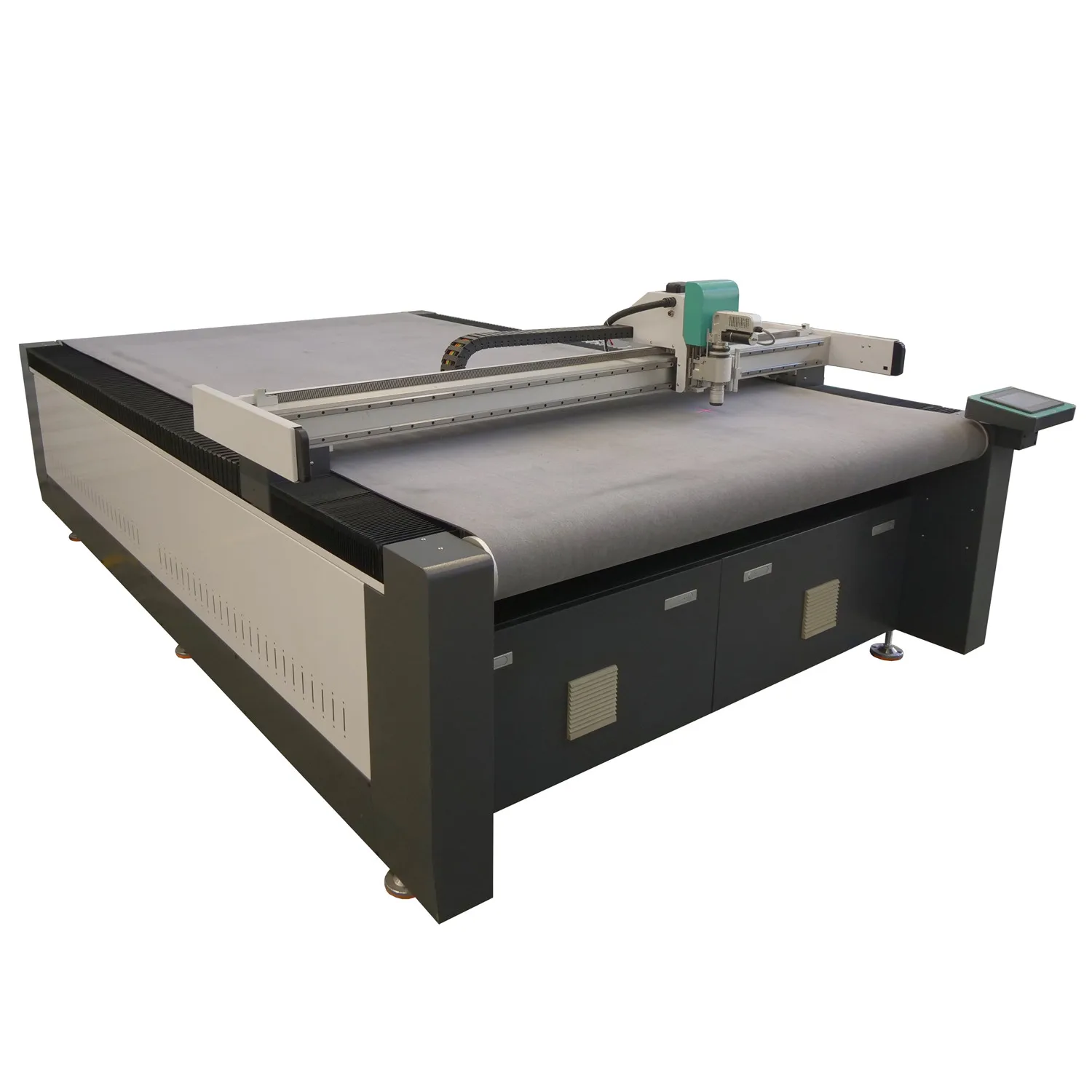
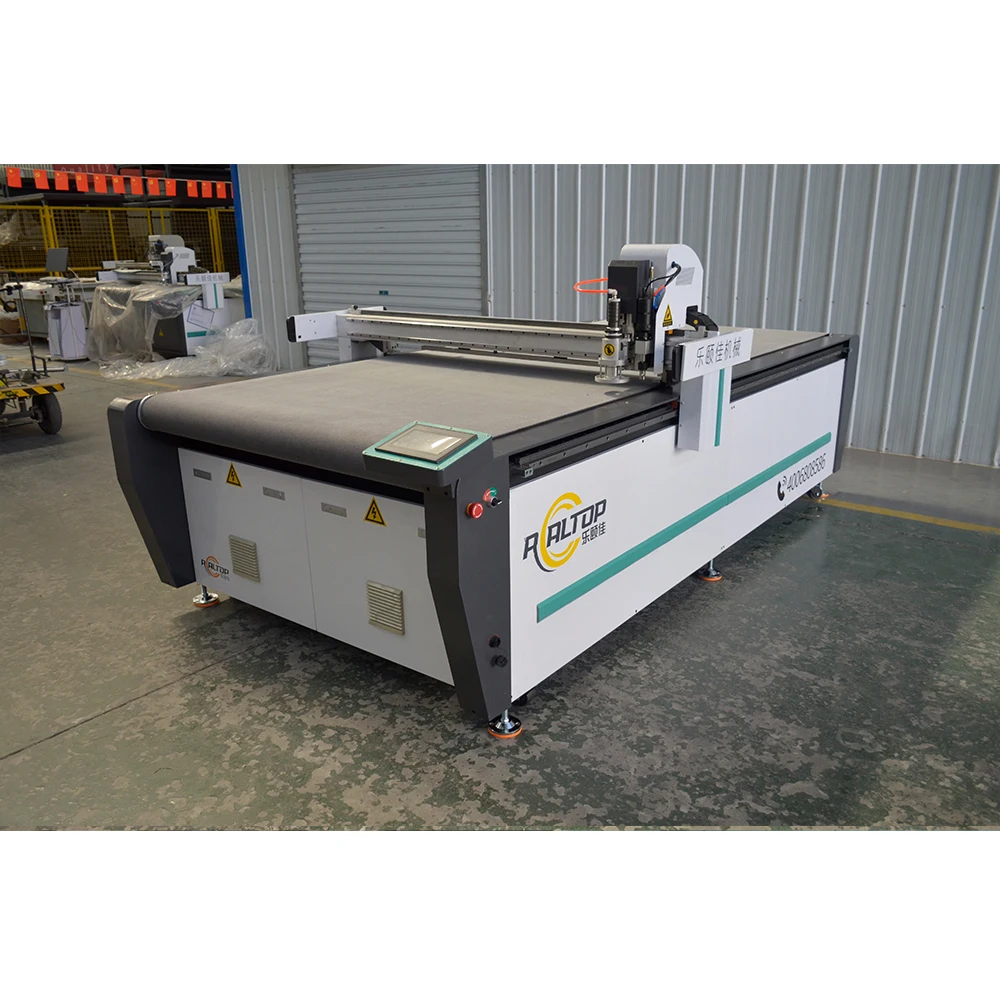
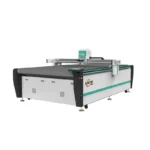
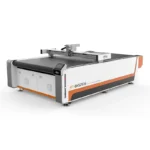
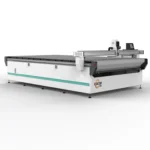
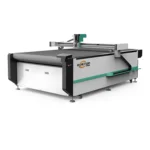
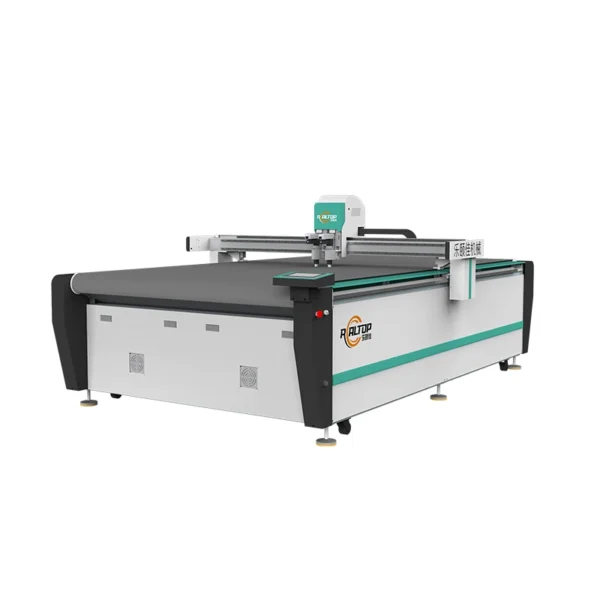
Configurable Tool Head & Vacuum Platform — The RT-D2516/RT-S2516 CNC oscillating knife cutting machine platform supports oscillating, drag, circular and creasing tools on a single gantry, matched to your material density and edge requirement before order.
Technical Specifications
| Parameter | Value |
|---|---|
| Model | RT-D2516/RT-S2516 |
| Product Type | CNC Oscillating Knife Cutting Machine |
| Working Area | 1600×2500 mm |
| Machine Size | 3450×2300×1250 mm |
| Rated Power | 9 kW |
| Voltage | 380V±10% |
| Translational Velocity | 800-2000 mm/s |
| Cutting Speed | 200-800 mm/s (varies by material type and density) |
| Repeated Accuracy | ≤0.1 mm |
| Cutting Thickness | ≤100 mm (varies with material — confirm type and density) |
| Table Type | Flat working table or auto-feeding conveyor table |
| Multifunctional Head | Swiss imported knife with vibration full cutting, half cutting and cursor location |
| Tool Head Options | Oscillating knife, pneumatic knife, high-power vibrating knife, circular knife, V-cutting knife, drag knife, creasing wheel, dotted line knife, punching, brush |
| Visual Positioning | Small CCD camera, panoramic camera recognition, projection positioning |
| Transmission System | Digital servo motor, linear guide, synchronous belt, ball screw (imported) |
| Servo Motor Options | Delta (China) or Panasonic (Japan) |
| Vacuum Table | Magnesium-aluminum alloy, PVDF powder spraying, anodic and hard oxidation |
| Vacuum Pump | 7.5 kW, integrated aviation aluminum shell with built-in silencer |
| Instruction System | HP-GL compatible format |
| Software File Formats | PLT, DXF, AI and other formats |
| Control Panel | Touch screen with multiple language support |
| Language Options | English, Russian, Italian, Chinese (custom languages available) |
| Safety Device | Infrared induction blocking, anti-collision, emergency stop |
| Assembly State | Fully assembled |
| Warranty | 1 year |
| Certification | CE (declaration where applicable — verify with manufacturer) |
Application Suitability
| Application | Material or Output |
|---|---|
| Roller blind and window covering production | Woven and non-woven roller blind fabrics, blackout textiles, PVC-coated shading materials |
| Garment and footwear manufacturing | Single and multi-layer cloth, denim, technical textiles, shoe uppers, synthetic leather |
| Automotive interior and soft furnishing | Sponge composite leather, carpet, floor mats, headliner fabric, gasket materials |
| Luggage and bag production | PU, EVA, XPE, nylon webbing, composite panel sheets |
| Packaging and graphic printing | Cardboard, corrugated board, sticker film, foam board sample making |
| Composite and industrial fabric | Carbon fiber prepreg, PTFE, ETFE, PP, PE, soft glass, silicon rubber |
Why Tool Head Selection Matters More Than Working Area for CNC Oscillating Knife Cutting Machine Specifications
A 2500 mm bed is useless if the knife crushes your foam or frays your woven textile.
Early in my career on the assembly floor, I watched a machine rated for thick material fail on a thin PVC-coated roller blind fabric because the oscillating stroke was too aggressive for the coating. The edge delaminated, the vacuum lost grip, and an entire batch shifted mid-cut. How to choose the right CNC oscillating knife cutting machine specifications starts with the material behavior, not the table dimensions [NEED_CITE: material friction coefficient and blade stroke interaction]. When a buyer specifies a machine based on sheet size alone, the tool head often defaults to a general-purpose oscillating knife that handles cardboard well but tears through coated textiles at production speed.
Matching the Blade to the Fabric Structure
The RT-D2516/RT-S2516 platform carries a Swiss imported oscillating knife as the primary tool, but the multifunctional head accepts drag knife, circular knife, V-cutting knife and pneumatic knife in the same work unit. A woven roller blind fabric typically needs a high-frequency oscillating stroke for a clean burr-free edge, while a non-woven blackout material may cut cleaner under a drag knife with less vibration transfer to the fiber. The cutting speed range of 200-800 mm/s adjusts according to the material response, and this CNC oscillating knife cutting machine lets the operator switch tool heads without re-fixturing the sheet.
Vacuum Zoning and Small Part Stability
The magnesium-aluminum alloy vacuum table with PVDF fluorocarbon coating provides uniform suction across the full 1600×2500 mm working area. When cutting small garment pattern pieces or automotive gasket profiles, a single-zone vacuum allows air to leak through the kerf and lift adjacent parts. The 7.5 kW vacuum pump with integrated silencer maintains consistent negative pressure, but the zoning layout must match your typical nest arrangement. [NEED_CITE: vacuum adsorption principles for flexible sheet materials] A zoning plan confirmed at order stage prevents the situation where large panels hold flat but small cut pieces drift during the final passes.
Reading the Specs That Actually Affect Your Output
The repeated accuracy of ≤0.1 mm depends on the transmission system: digital servo motors driving imported ball screws and linear guides, with the gantry frame welded from thick-walled seamless steel and stress-relieved by high-temperature tempering. This structural foundation keeps the positional accuracy stable across long production runs. The translational velocity of 800-2000 mm/s governs non-cutting travel between shapes, while the 200-800 mm/s cutting speed is where material interaction happens. A higher translational velocity reduces cycle time on nests with many small parts, but the cutting speed must drop for dense composites or multi-layer layups to maintain edge quality. The cutting thickness capacity of up to 100 mm applies to low-density foam; dense PVC-coated fabric or multi-layer leather stacks will have a lower practical limit that must be confirmed on a sample run.
What Happens When Configuration Is Skipped
I once configured a machine for a roller blind producer using standard woven sample fabric, only to discover at commissioning that their actual production rolls had a PVC coating with a completely different friction coefficient. The conveyor feed slipped, the cut drifted, and we recalibrated every parameter on site. When a buyer accepts a default configuration without a material-specific tool head list, the first week of production typically reveals edge fraying on coated textiles, crushed edges on foam inserts, or small parts lifting off the table because the vacuum zones were sized for large panels. [NEED_CITE: common CNC cutting defects in flexible material processing] These issues are not machine failures; they are specification gaps that surface only under real production conditions.
Why This Platform Fits Technical Buyers
The in-house design team covers both oscillating and drag knife cutting technologies on one frame, so the buyer selects the cutting method that matches the material rather than forcing a single approach. Tool head and table configuration is specified per material type and daily volume before the order is locked. CCD visual positioning — available as small mark-point camera, panoramic recognition or projection — is matched to the buyer’s print registration workflow. Software compatibility with PLT, DXF and AI file formats is confirmed alongside nesting workflow integration with the buyer’s existing system. Voltage at 380V±10% and control language in English, Russian, Italian or Chinese are verified before shipment, with special language customization available. Sample cutting on the buyer’s own material roll runs before commitment, documenting edge quality, achievable speed and practical thickness limit.
Documentation & Verification
- Machine specification sheet listing every selected tool head and vacuum zone layout
- Electrical schematic with confirmed voltage and plug type for destination country
- Sample cutting report run on buyer-supplied roller blind or textile material
- Tool head and table configuration list specifying knife type matched to material density
- Software licence with confirmed PLT, DXF, AI file format and nesting workflow compatibility
- Factory test record documenting positional accuracy and cutting speed before dispatch
Installation, Commissioning & Support
- 3450×2300 mm footprint requires level concrete floor with clearance for conveyor infeed and outfeed
- 9 kW rated power plus 7.5 kW vacuum pump need dedicated circuit at confirmed 380V±10% supply
- Machine ships fully assembled; gantry and vacuum table require no field welding on arrival
- First-run commissioning includes tool head calibration and vacuum zone test on buyer material
- Touch screen control panel training with confirmed language option and HP-GL instruction format
- Spare parts list covering Swiss knife blades, vacuum seals and synchronous belt sections
Preparing Your Inquiry
To specify the RT-D2516/RT-S2516 accurately, send the actual material type, typical thickness range, maximum sheet or roll width, and daily cutting volume. Confirm your local voltage and frequency, preferred control language, and whether your workflow uses PLT, DXF or AI files. If you are cutting printed fabric requiring contour recognition, specify which camera option fits your mark registration method and whether you need a conveyor table for continuous roll feeding.
Frequently Asked Questions
Q: How do I select between oscillating knife, drag knife and circular knife for my fabric?
A: Oscillating knife suits woven and multi-layer textiles requiring a clean sealed edge. Drag knife works for thinner single-layer films and vinyl where vibration would distort the material. Circular knife handles continuous straight or large-radius cuts on roll-fed fabric. The selection depends on your material structure and edge requirement, confirmed through a sample cut before order.
Q: How is the actual cutting thickness verified for my specific material?
A: The ≤100 mm rating applies to low-density foam. Denser materials like PVC-coated fabric, multi-layer leather or composite panels will have a lower practical limit. We run your material sample on the machine, measure edge quality and blade deflection, and document the achievable thickness in the sample cutting report provided before you commit.
Q: Can the CCD system track printed marks on roller blind fabric at full cutting speed?
A: The platform offers three positioning options: small CCD mark-point camera, panoramic camera recognition and projection positioning. Tracking printed contours at the 200-800 mm/s cutting speed range depends on mark contrast, print registration accuracy and camera option selected. We test on your printed material to confirm reliable mark detection before finalizing the configuration.
Q: How does vacuum table zoning prevent small fabric parts from lifting?
A: When a cut path opens a kerf, air leaks through and reduces suction on adjacent pieces. The magnesium-aluminum alloy table is divided into zones that can be activated based on your nest layout. For small garment or gasket parts, more zones keep the surrounding material pinned. The zone configuration is matched to your typical pattern arrangement and confirmed in the tool head and table configuration list.
Q: What voltage and language details must be confirmed before shipment?
A: The machine operates at 380V±10% and requires confirmation of your local frequency, plug type and phase configuration. The touch screen control panel supports English, Russian, Italian and Chinese, with custom languages available. These details are locked at order stage and documented in the electrical schematic and specification sheet, so no re-wiring or re-programming is needed on arrival.


商品评价
Clear filtersThere are no reviews yet.