

Fast Shipping
Carrier information

20k products
Payment methods

24/7 Support
Unlimited help desk

2-day Delivery
Track or off orders
Material-Matched Configuration — Every tool head and vacuum zone is selected after sample cutting on your actual fabric stack, not guessed from a brochure chart.
Technical Specifications
| Parameter | Value |
|---|---|
| Model | 1625 |
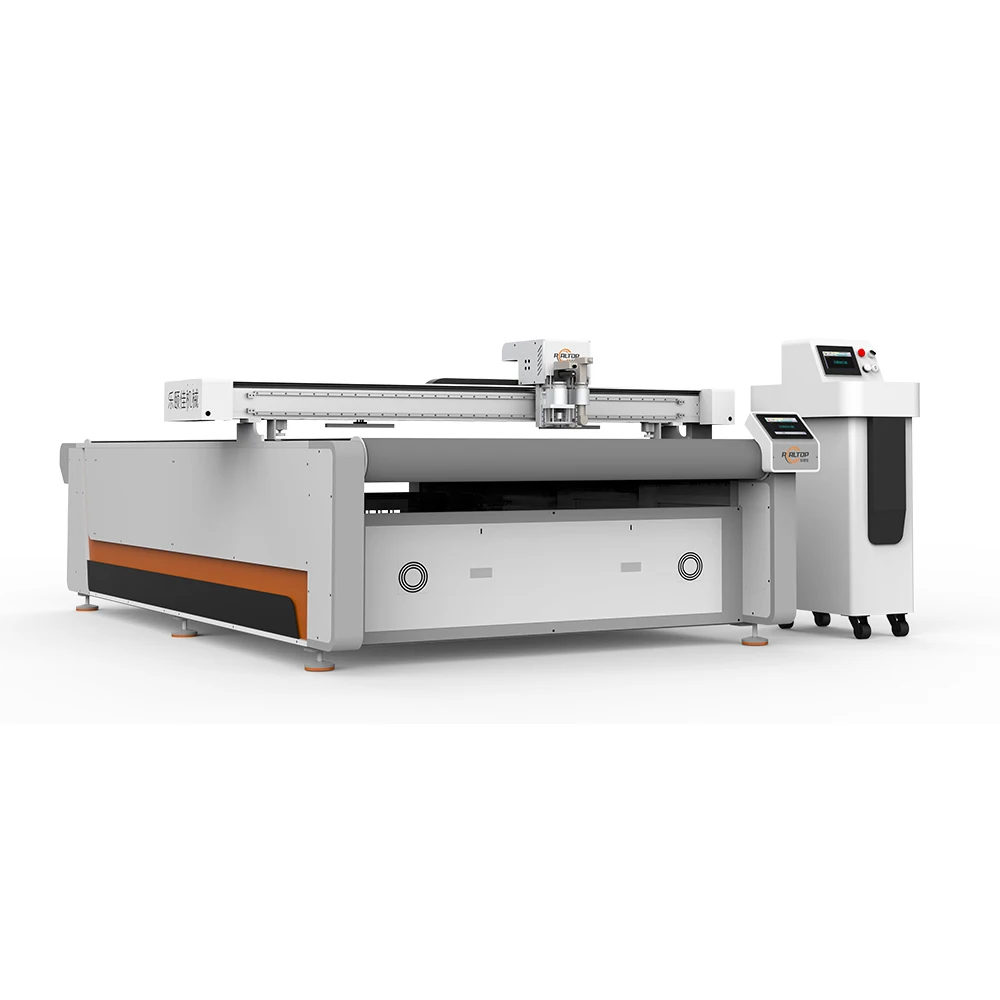
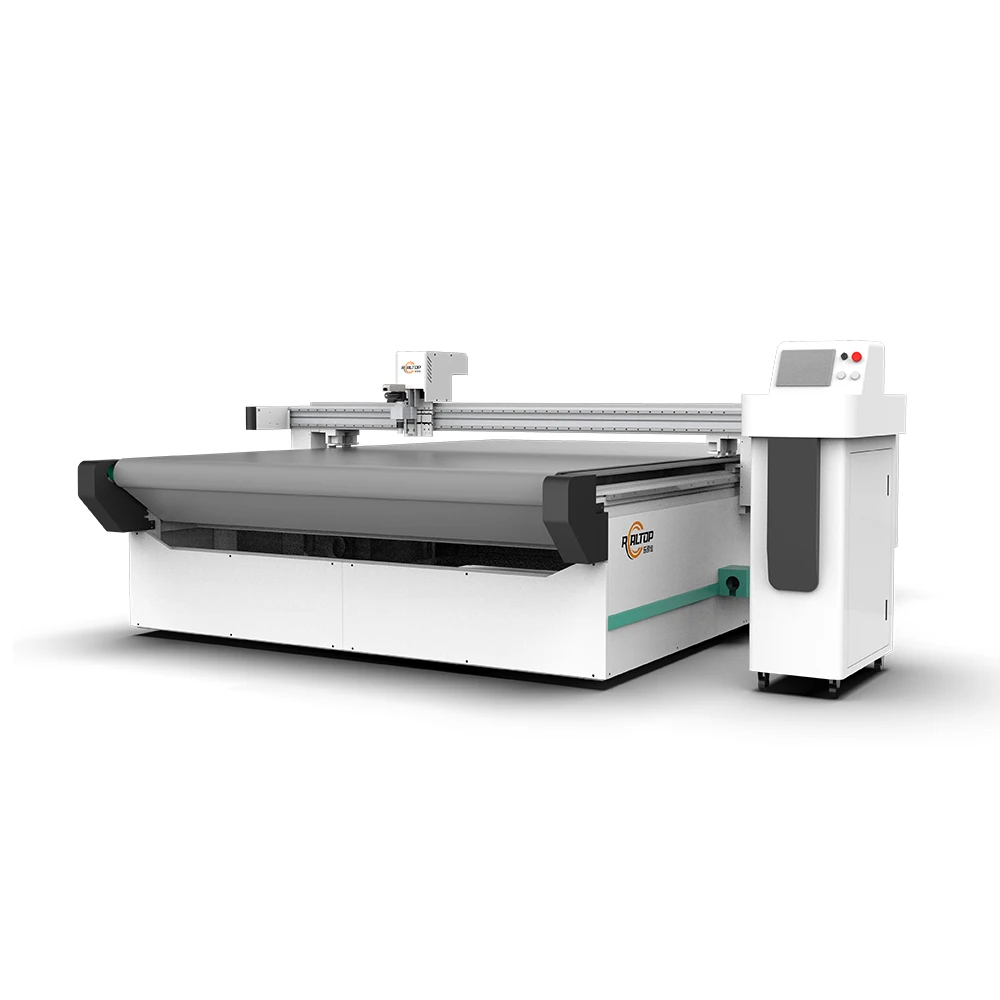
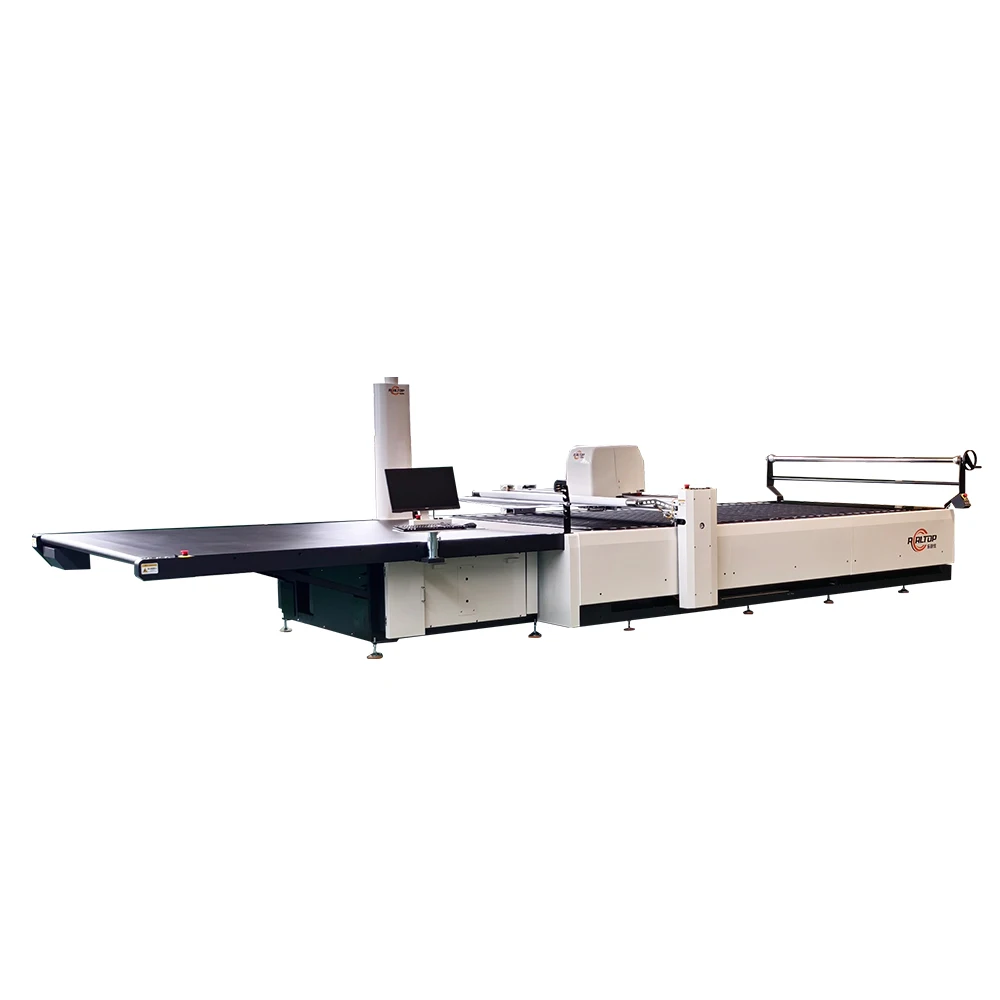
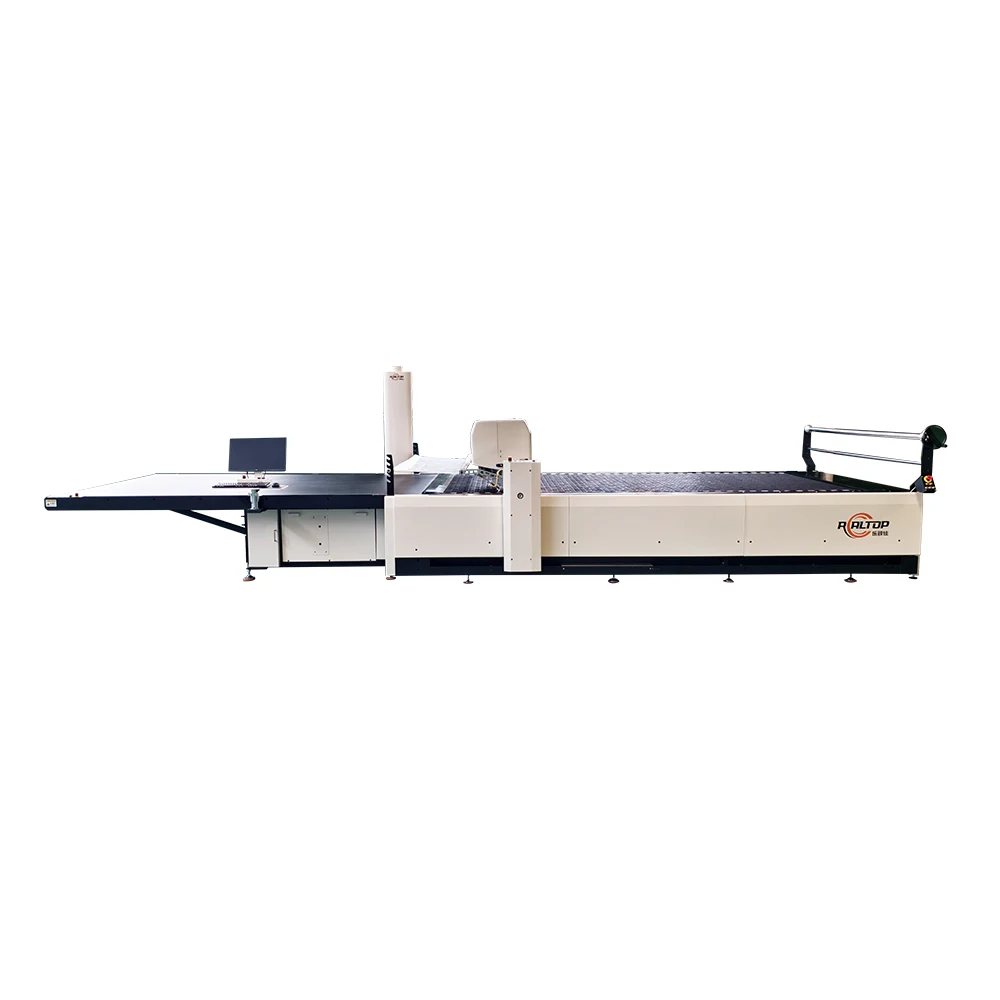
| Product Type | CNC Oscillating Knife Cutting Machine |
| Working Area | 1600×2500 mm |
| Cutting Speed | 0–2000 mm/s |
| Cutting Accuracy | ±0.1 mm |
| Repeat Positioning Accuracy | ±0.1 mm |
| Cutting Thickness | Up to 30 mm (basis not stated in source — confirm material type and density) |
| Multi-layer Cutting | Up to 30–50 mm thickness (basis not stated in source — confirm fabric type and ply count) |
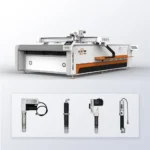
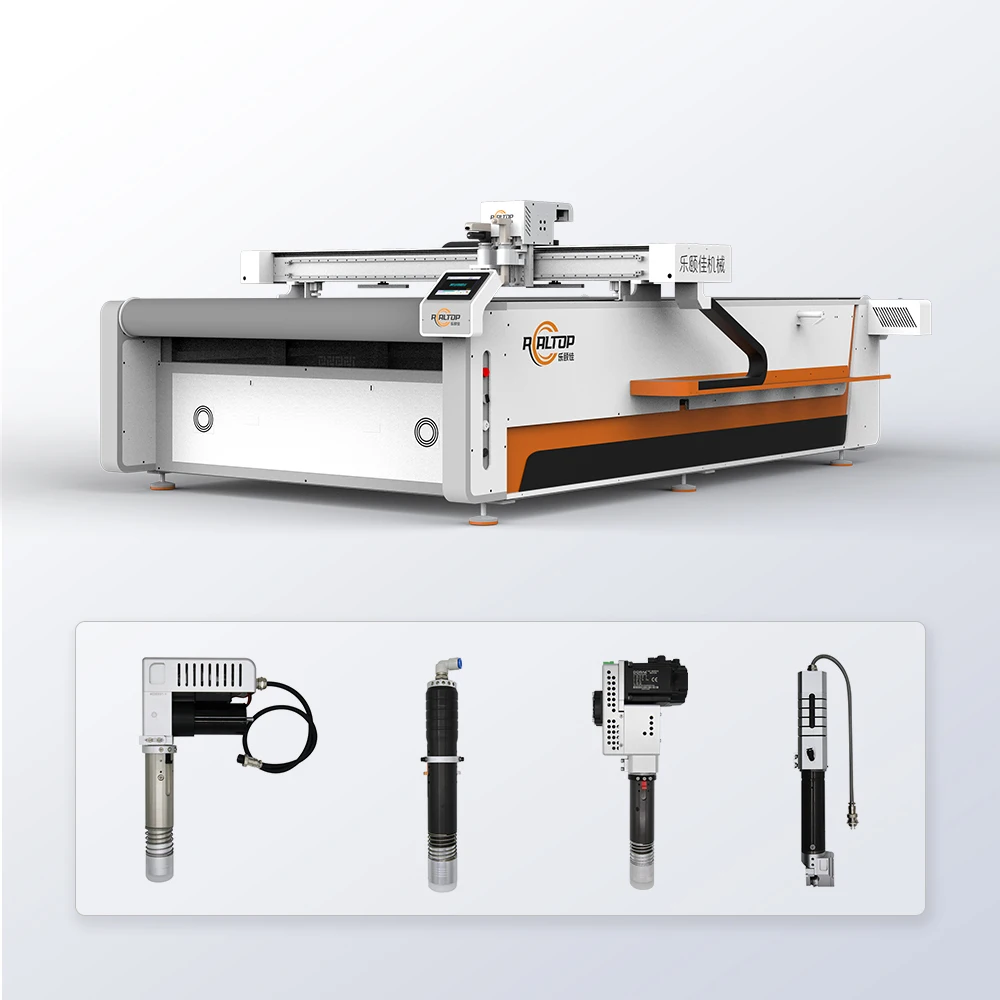
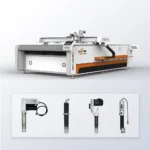
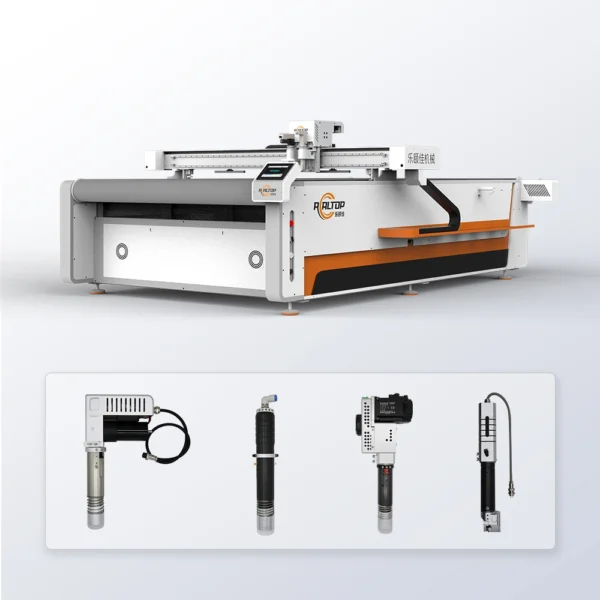
| Tool Head Options | Oscillating knife, Driven rotary knife, Creasing wheel, Kiss cutting tool, Pneumatic knife, Milling tool, V-groove knife |
| Vacuum Table | Aluminum bellows vacuum table |
| Vacuum Pump Power | 9 kW |
| Control System | PLC control panel |
| Profile Formats | PLT, DXF, AI, PDF |
| Voltage Options | 110V, 220V, 380V (frequency not stated in source) |
| Servo Motor Options | Panasonic, Delta, Dorna (source value — verify against manufacturer catalog) |
| Language Options | English, Russian, Italian, Chinese (special languages customizable) |
| Safety Device | Infrared sensor device and emergency stop device |
| Machine Size | 3300×2100×1350 mm |
| Standards | CE (implied; specific certificate ID not stated in source) |
Application Suitability
| Application | Material or Output |
|---|---|
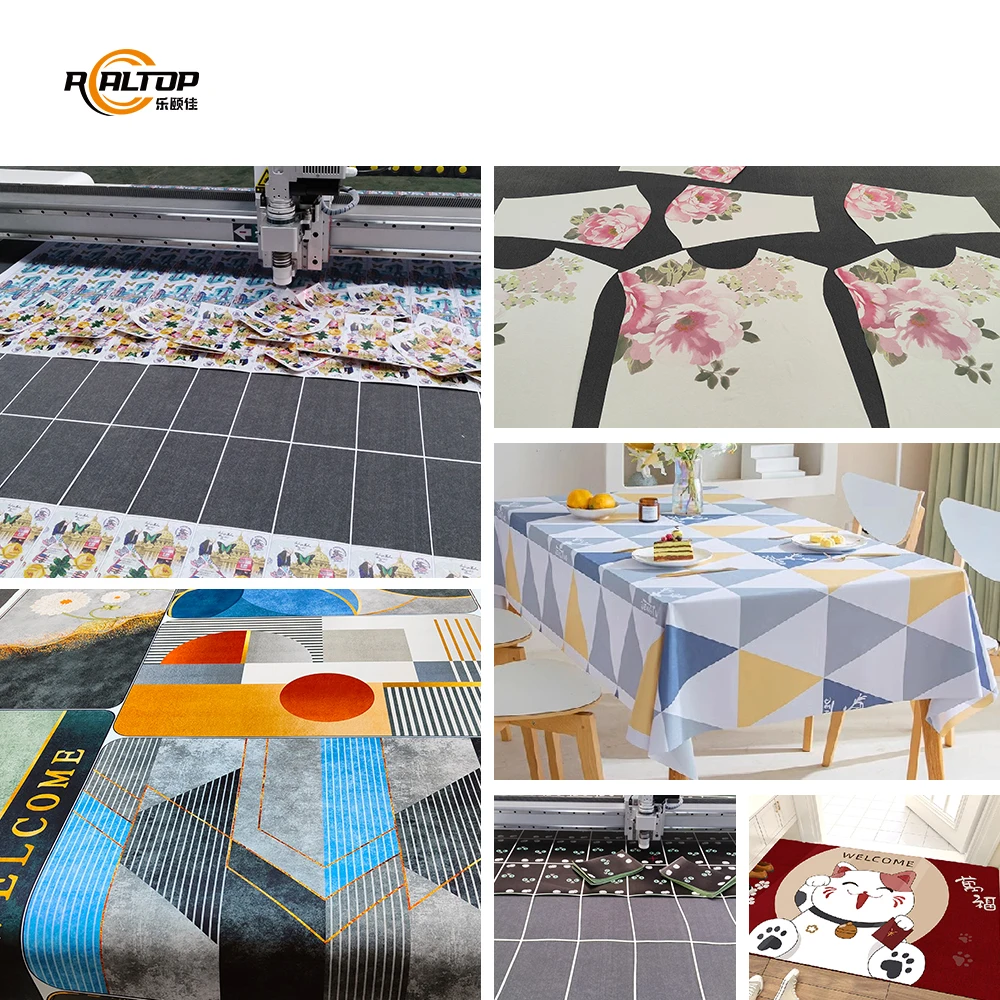
| Apparel manufacturing | Suits, knitwear, lace, complex woven and nonwoven fabrics in single or multi-layer stacks |
| Nonwoven isolation clothing | SMS, PP spunbond, and laminated nonwoven fabrics for medical protective garments |
| Automotive interiors | Seat fabrics, carpets, PVC mats cut to ±0.1 mm tolerance |
| Home textiles | Sofa fabrics, curtains, rugs across varying pile and weave densities |
| Composite material processing | Carbon fiber prepreg, aramid, and specialty technical textiles requiring cold cutting |
Why Ragged Edges on Nonwoven Isolation Gowns Trace Back to Tool Head Selection
The oscillating frequency and blade geometry must match the fabric’s lamination structure, not just its nominal thickness.
A buyer in Chile once sent us a roll of standard nonwoven for sample cutting on a CNC oscillating knife cutting machine. The test ran clean. When the machine arrived on site, the actual production stock was a laminated film-backed isolation gown material — completely different shear behavior. The oscillation frequency that sliced through plain SMS spunbond tore the film layer, leaving micro-delamination along every curve. Three days of on-site re-tuning followed, and the production line lost a full week. That gap between the sample and the real stock is where most edge-quality failures originate [NEED_CITE: common causes of edge delamination in laminated nonwoven cutting].
Matching Oscillation Frequency to Nonwoven Density
Nonwoven isolation gown materials range from lightweight 25 gsm PP spunbond to multi-layer SMS and laminated film composites. Each demands a distinct oscillation frequency and stroke length. A high-frequency, short-stroke setup handles thin single-layer spunbond cleanly, but that same setting on a 60 gsm three-layer SMS will leave uncut fibers in the core. The 1625 CNC oscillating knife cutting machine allows the oscillation parameters to be adjusted across the full 0–2000 mm/s feed range, so the operator can dial in the frequency-to-speed ratio that the specific nonwoven structure requires. Getting this ratio wrong is the single most common reason buyers report frayed edges after installation.
Vacuum Holding Force Across Small Pattern Pieces
Isolation gown patterns produce numerous small cut pieces — sleeve panels, cuff tabs, tie straps — that are vulnerable to vacuum lift during the final cuts. A 9 kW vacuum pump paired with the aluminum bellows table generates the adsorption force needed to keep these small geometries flat. However, pump power alone is not sufficient; the table zoning must be configured so that the active suction area shrinks to match the remaining uncut stock. Without proper zoning, the vacuum bleeds across the full 1600×2500 mm surface, and small pieces near completed cut lines can shift by fractions of a millimeter — enough to throw off downstream sewing registration [NEED_CITE: vacuum zoning principles for flatbed digital cutting tables].
Reading the Spec Sheet Against Real Production Conditions
The ±0.1 mm cutting and repeat positioning accuracy stated for this CNC oscillating knife cutting machine is achievable under controlled conditions with properly held material. In practice, nonwoven fabrics stretch under their own weight when loaded onto the table, and laminated materials can trap air pockets that reduce vacuum contact. The PLC control panel allows the operator to set multi-pass cutting routines for thicker laminated stocks, where a shallow scoring pass precedes the full-depth cut. This two-pass approach prevents the blade from dragging the top layer while the bottom layer is still anchored, which is a frequent failure mode on film-backed isolation materials. The software accepts PLT, DXF, AI, and PDF formats, meaning nesting layouts from common apparel CAD systems transfer without manual redraw.
The Cost of Skipping Material-Specific Configuration
When a machine is specified only by working area and shipped without tool head verification, the consequences compound. A driven rotary knife that performs well on woven suit fabric will crush the loft out of multi-layer nonwoven stacks, producing compressed edges that fail barrier testing. A vacuum table configured as a single zone forces the operator to choose between holding large body panels firmly or preventing small cuff pieces from lifting — neither outcome is acceptable in a gown production run. These mismatches are not warranty claims; they are configuration errors that require on-site tooling swaps, new vacuum zone masks, and re-commissioning downtime [NEED_CITE: financial impact of misconfigured CNC cutting tooling in garment production].
Why Buyers Source This Equipment Here
The design and production of both knife and laser cutting systems happen in-house, which means the cutting method is selected to suit the material rather than forcing every job through one technology. Tool head and table configurations are specified per material and production volume before the order is finalized. Software compatibility is confirmed against the buyer’s existing nesting workflow — not assumed from a generic format list. Voltage, plug type, and control language are locked in during the specification stage, avoiding the arrival-day surprises that plague export shipments. Most importantly, sample cutting on the buyer’s own material is completed and documented before production is authorized.
Documentation & Verification
- Machine specification sheet listing the exact tool heads supplied for your nonwoven type
- Electrical schematic with voltage and frequency confirmed against your facility supply
- Sample cutting report on your isolation gown material with edge quality photographs
- Tool head and vacuum table configuration list matched to your pattern nesting layout
- Software licence and file format compatibility note for your existing CAD workflow
- Factory test record captured at running speed before crating
Installation, Commissioning & Support
- Foundation must support 3300×2100×1350 mm footprint with level tolerance for vacuum seal integrity
- Dedicated circuit required matching confirmed voltage option (110V, 220V, or 380V) and frequency
- Machine ships partially assembled; table and gantry require on-site alignment and belt tensioning
- First-run parameter setting covers oscillation frequency, feed rate, and vacuum zone mapping for your stock
- Operator training includes tool change procedure across all supplied heads and blade replacement
- Spare parts list covers oscillating blades, vacuum seals, and bellows replacement intervals
What We Need to Size Your Configuration
Send us the exact nonwoven material you run in production — including any laminated or film-backed variants — along with your typical lay height and daily cutting volume. Confirm your facility voltage and frequency, the control language your operators need, and the file format your current nesting software exports. If you run multiple fabric types across shifts, list each one so the tool head package covers the full range.
Frequently Asked Questions
Q: How is the correct tool head selected for my nonwoven isolation gown material?
A: We run a sample cut on your actual fabric using multiple tool heads — oscillating knife, driven rotary knife, and pneumatic knife — then compare edge quality, fiber pull, and layer separation under magnification. The head that produces the cleanest edge at your target speed is specified for your machine.
Q: What cutting thickness can the machine handle on multi-layer nonwoven stacks?
A: The spec sheet lists up to 30–50 mm multi-layer capacity, but the achievable thickness depends on fabric density, ply count, and whether the material is laminated. We confirm the practical stack height during sample cutting on your specific nonwoven before quoting.
Q: Will the vacuum table hold small pattern pieces like cuff tabs and tie straps?
A: The aluminum bellows table paired with the 9 kW pump provides strong full-surface adsorption. For small pieces, we configure vacuum zoning so suction concentrates on the active cutting area, preventing lift without wasting energy across unused table surface.
Q: Which file formats from my apparel CAD system does the machine accept?
A: The control system accepts PLT, DXF, AI, and PDF profiles for automatic path generation. Before the order, we confirm compatibility with your specific nesting software export format and verify that kerf compensation and tool offset values transfer correctly.
Q: Can I send my material for a sample cut before placing the order?
A: Yes. Sample cutting on your own material is standard procedure. We document edge quality, cutting speed, and achievable thickness in a report with photographs, so you can evaluate results before committing to production.


商品评价
Clear filtersThere are no reviews yet.