







Fast Shipping
Carrier information

20k products
Payment methods

24/7 Support
Unlimited help desk

2-day Delivery
Track or off orders
Material-Matched Tooling — Every oscillating knife, drag knife, creasing wheel and V-groove tool is selected against your actual stock sample before the configuration sheet is signed.
Technical Specifications
| Parameter | Value |
|---|---|
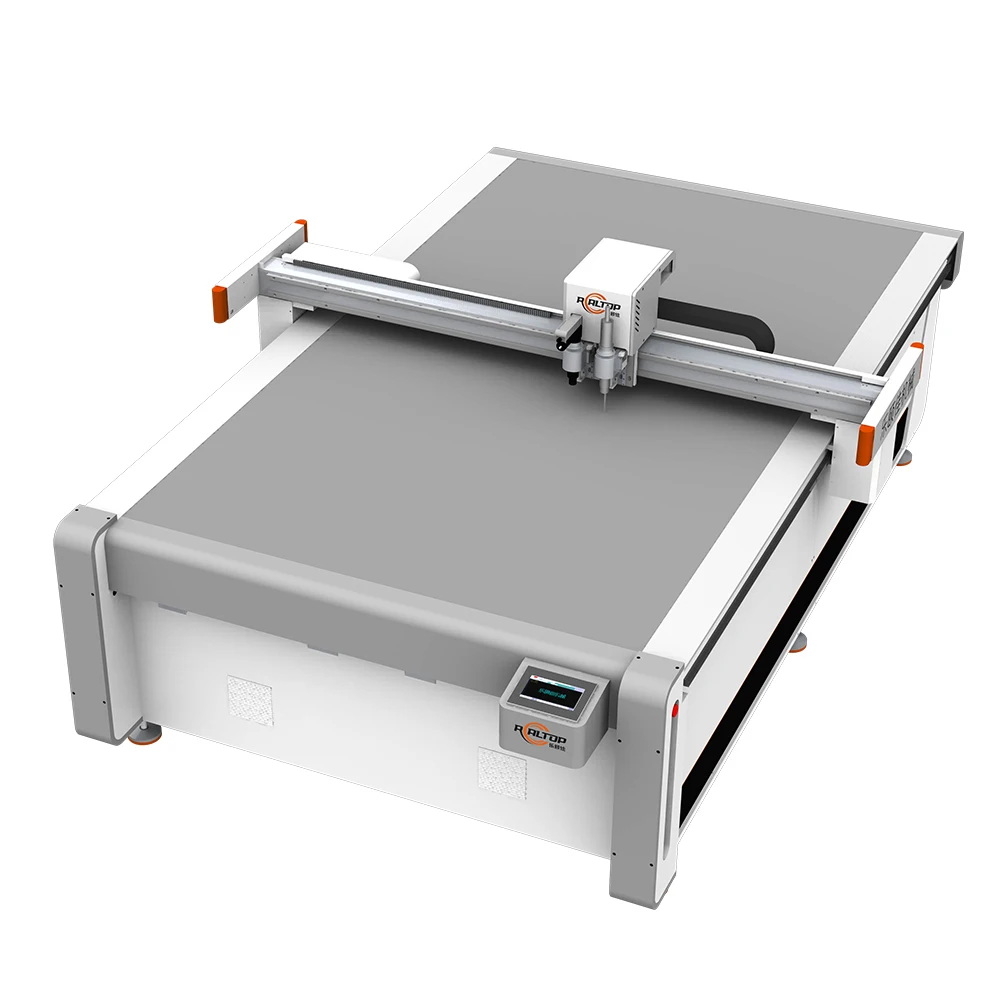
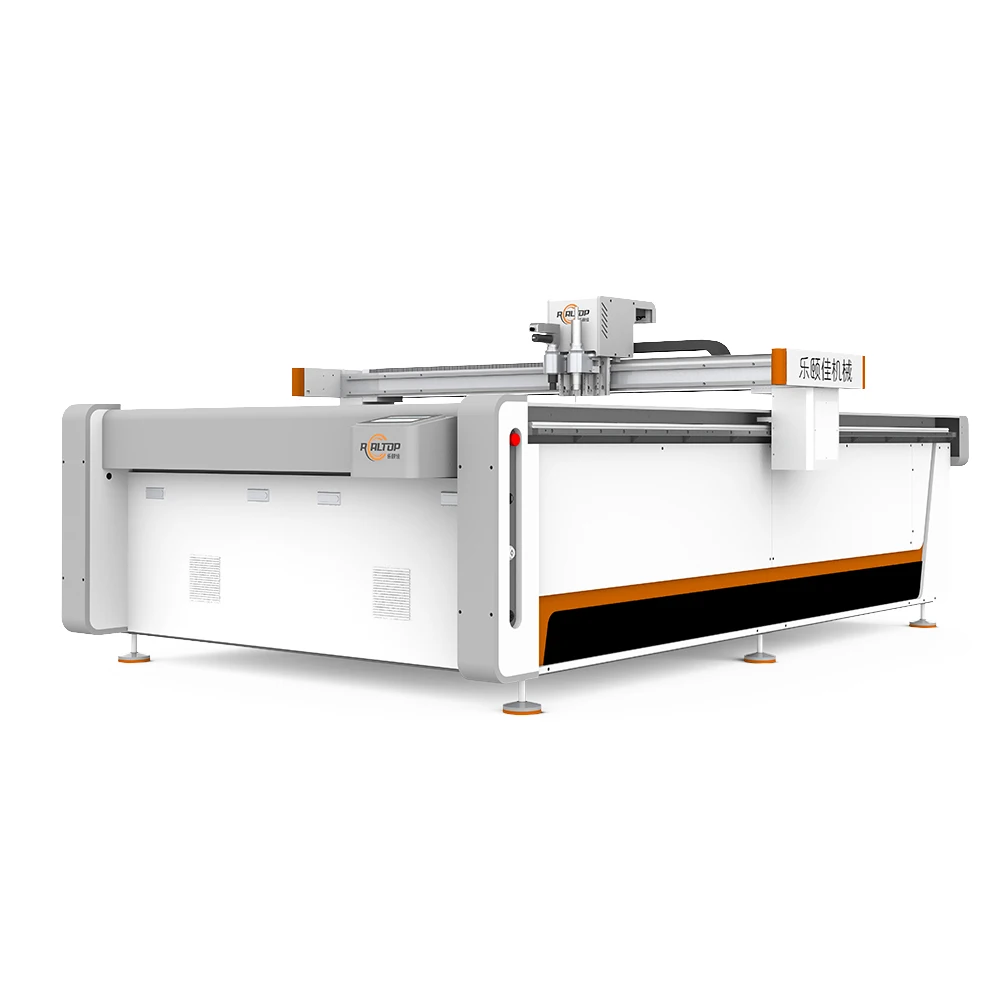
| Product Type | CNC Oscillating Knife Cutting Machine |
| Working Area | 1600×2500mm |
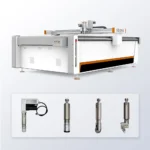
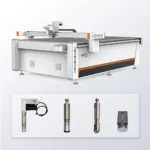
| Tool Head Options | Oscillating knife, Driven rotary knife, Creasing wheel, Kiss cutting tool, Pneumatic knife, Milling tool, V groove knife |
| Cutting Speed | 0-1500 mm/s |
| Cutting Thickness | ≤ 40mm (basis not stated in source — confirm block format / material / thickness) |
| Cutting Accuracy | ±0.1 mm |
| Vacuum Pump Power | 9 kW |
| Vacuum Table Type | Aluminum bellows vacuum table |
| Voltage Options | 110V, 220V, 380V |
| Control System | PLC control panel |
| Servo Motor Brands | Panasonic, Delta, Dorna |
| Profile Formats Accepted | PLT, DXF, AI, PDF |
| Software Language Options | English, Russian, Italian, Chinese (customizable) |
| Safety Devices | Infrared sensor device and emergency stop device |
| Overall Dimensions | 3300×2100×1350 mm |
| Certification | CE |
Application Suitability
| Application | Material or Output |
|---|---|
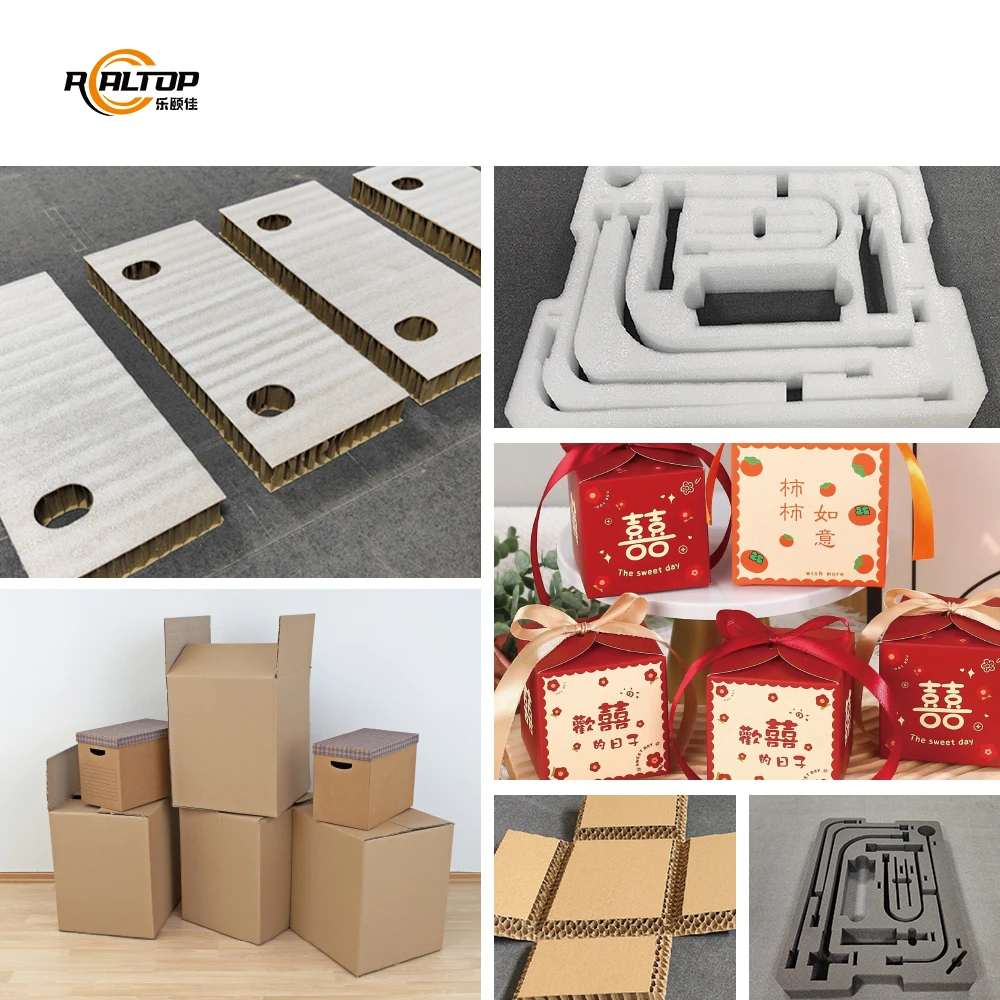
| Packaging sample making | Cardboard, carton, paper and plastic packaging boxes |
| Advertising signage | Foam board displays, display boards, advertising letters |
| Automotive interior trimming | Seat covers, carpets, floor mats, door panel interiors |
| Furniture and home decor | Leather and fabric covers, cushions, carpets, curtains |
| Footwear and luggage | Shoe uppers, insoles, luggage shells, linings, straps |
| Composite material fabrication | Carbon fiber, fiberglass, aramid fiber, sound insulation foam, insulating materials |
Why the Right Tool Head Matters More Than the Working Area
A machine chosen on bed size alone will still fail if the tool head cannot handle the actual material density and thickness on your shop floor.
The cutting method must match the material, not the other way around.
I have watched buyers specify a large-format CNC oscillating knife cutting machine based purely on sheet dimensions, only to discover on arrival that the standard oscillating blade could not penetrate the high-density grey board they ran daily. The edges came out crushed and ragged, the spindle overloaded, and the entire tool assembly had to be swapped after delivery. That kind of mismatch costs weeks of production time and erodes trust before the first real order ships [NEED_CITE: common tooling mismatch causes in digital flatbed cutting].
Seven Tool Heads on One Platform
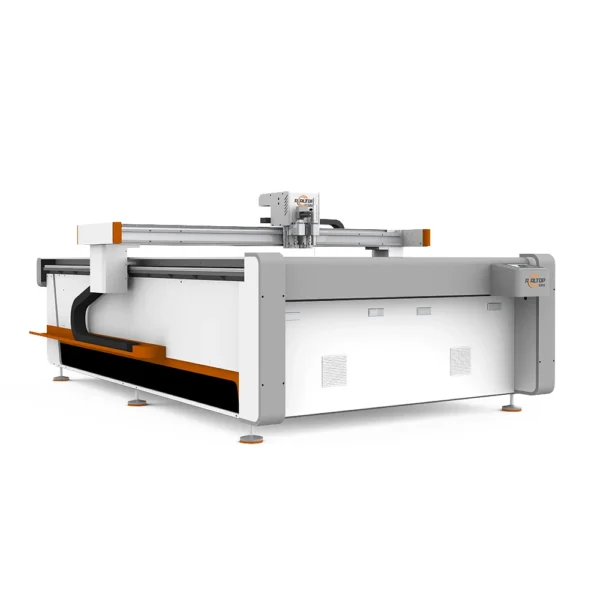
Most flatbed cutting tables force a buyer into a single cutting method. This platform carries seven interchangeable heads — oscillating knife, driven rotary knife, creasing wheel, kiss cutting tool, pneumatic knife, milling tool and V-groove knife — all mountable on the same gantry. A packaging sample shop can crease carton fold lines and cut the perimeter in one cycle, while a foam fabricator swaps to the pneumatic knife for deep profiling without moving the sheet to a second machine.
Vacuum Hold-Down That Actually Works for Nested Small Parts
The aluminum bellows vacuum table delivers full-surface adsorption across the 1600×2500mm bed with high flatness. Small die-cut shapes and nested packaging inserts tend to lift at cutting speeds above a few hundred millimetres per second when vacuum zoning is poorly divided. The bellows design maintains consistent negative pressure across zones, keeping lightweight card stock and multi-layer fabric stacks flat against the table surface through the entire CNC oscillating knife cutting machine cycle.
Reading the Specs That Matter on the Shop Floor
Cutting accuracy of ±0.1 mm is maintained by servo drives selectable from Panasonic, Delta or Dorna, which directly affects how tightly a packaging sample matches its CAD dimension — critical when a folding carton must assemble without tape or glue. The 9 kW vacuum pump is sized to hold porous materials like corrugated board and open-cell foam that leak air through their structure, a factor often overlooked when comparing pump ratings across suppliers. Software accepts PLT, DXF, AI and PDF files, and the optional packaging box structure design package lets sample makers generate fold-line and cut-line paths without exporting to a third-party nesting program. Voltage is configurable across 110V, 220V and 380V, and the correct option must be confirmed against the buyer’s facility supply before the electrical cabinet is wired.
What Happens When Configuration Is Skipped
When a buyer skips the sample-cutting step, the consequences surface during commissioning. A creasing wheel set to the wrong pressure cracks coated carton instead of scoring it. An oscillating knife pitched at the wrong angle tears woven fabric rather than shearing it cleanly. A vacuum zone left open under a small part lets the edge curl into the blade path, producing a nicked contour that fails quality inspection. Every one of these issues is preventable with a documented tool head and table configuration list matched to the buyer’s actual stock [NEED_CITE: tooling selection by material density and edge quality requirements].
Why Source This Platform from REALTOP
In-house design covers both knife cutting and table engineering, so the gantry load and servo torque are matched to the heaviest tool head in the range rather than the lightest. Tool head and vacuum table configurations are specified per material and production volume, not sold as a single default package. CCD camera positioning is available for printed contour work where registration marks must be tracked at production speed. Software compatibility is verified against the buyer’s existing file format before the order is confirmed. Sample cutting on the buyer’s own material is completed and documented before the machine enters final assembly.
Documentation & Verification
- Machine specification sheet listing every selected tool head and table zone configuration
- Electrical schematic with voltage and frequency confirmed against buyer facility supply
- Sample cutting report on buyer-supplied material showing edge quality and depth
- Software licence and file format compatibility note for PLT, DXF, AI and PDF workflows
- Factory test record documenting cutting accuracy across the full 1600×2500mm bed
- Operation and maintenance manual with spare parts list in the selected control language
Installation, Commissioning & Support
- Floor space planning based on 3300×2100×1350 mm overall dimensions plus operator clearance
- Dedicated circuit matching confirmed 110V, 220V or 380V supply before electrical cabinet wiring
- Gantry and vacuum table assembly completed on site with full bed levelling
- First-article cutting run using buyer material to validate tool head and speed parameters
- Operator training on PLC control panel and software in the confirmed language option
- Scheduled spare parts kit for oscillating knife blades and creasing wheels included at delivery
Before You Request a Quote
Send a representative sample of the material you cut most often, including thickness and density, along with the maximum sheet size you load. Specify your facility voltage and frequency, the control language your operators need, and whether your design workflow uses PLT, DXF, AI or PDF files so the software package can be configured before build.
Frequently Asked Questions
Q: How do I choose between an oscillating knife and a pneumatic knife for my material?
A: Oscillating knives suit medium-density materials like corrugated board, fabric and thin foam where a vibrating blade produces a clean shear. Pneumatic knives use air-driven stroke depth for thicker, softer materials like sound insulation foam and gasket sheets where a longer blade travel is needed. The correct choice depends on your specific stock density and thickness, which we verify through sample cutting before configuration.
Q: What does the ≤40mm cutting thickness rating actually mean in practice?
A: That figure represents maximum penetration under ideal conditions and varies significantly across materials. Open-cell foam at 40mm cuts differently from 40mm stacked fabric or solid grey board. We test your actual material to confirm achievable depth, edge quality and tool head selection rather than quoting a single blanket number.
Q: Will small nested parts lift off the table during high-speed cutting?
A: The aluminum bellows vacuum table divides suction across multiple zones to maintain hold-down pressure even on small, lightweight pieces. During sample cutting we run your actual nesting layout to confirm that no part shifts at production speed, and we document the zone configuration in your machine specification sheet.
Q: Can the machine track printed registration marks at full cutting speed?
A: CCD camera contour recognition is available as an option for printed material where cut paths must align with graphics. We verify mark tracking on your printed sheets before shipment and confirm the required registration mark format so your existing artwork workflow remains unchanged.
Q: Will my existing DXF or AI design files import without conversion issues?
A: The control software accepts PLT, DXF, AI and PDF formats directly. Before the order is confirmed we run your actual design files through the nesting and cutting workflow to check compatibility, and we provide a written file format compatibility note as part of the documentation package.


商品评价
Clear filtersThere are no reviews yet.