


Fast Shipping
Carrier information

20k products
Payment methods

24/7 Support
Unlimited help desk

2-day Delivery
Track or off orders
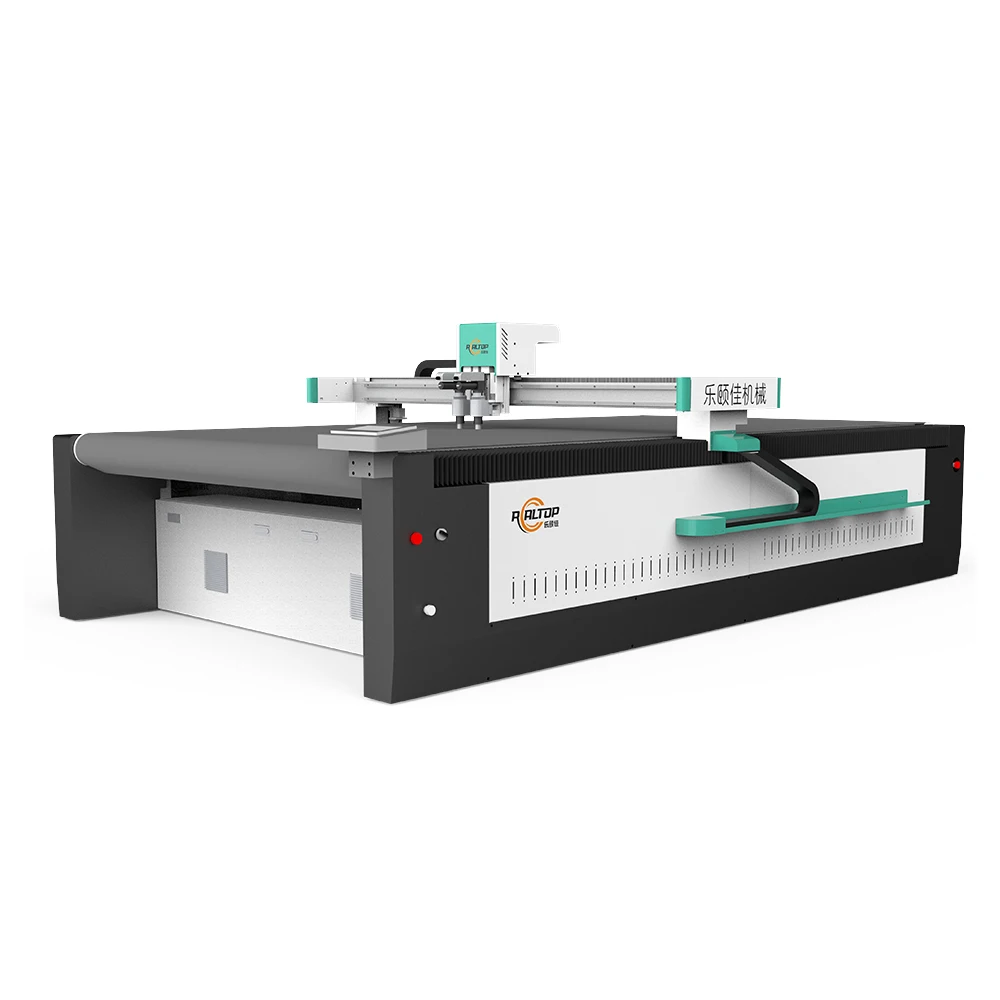
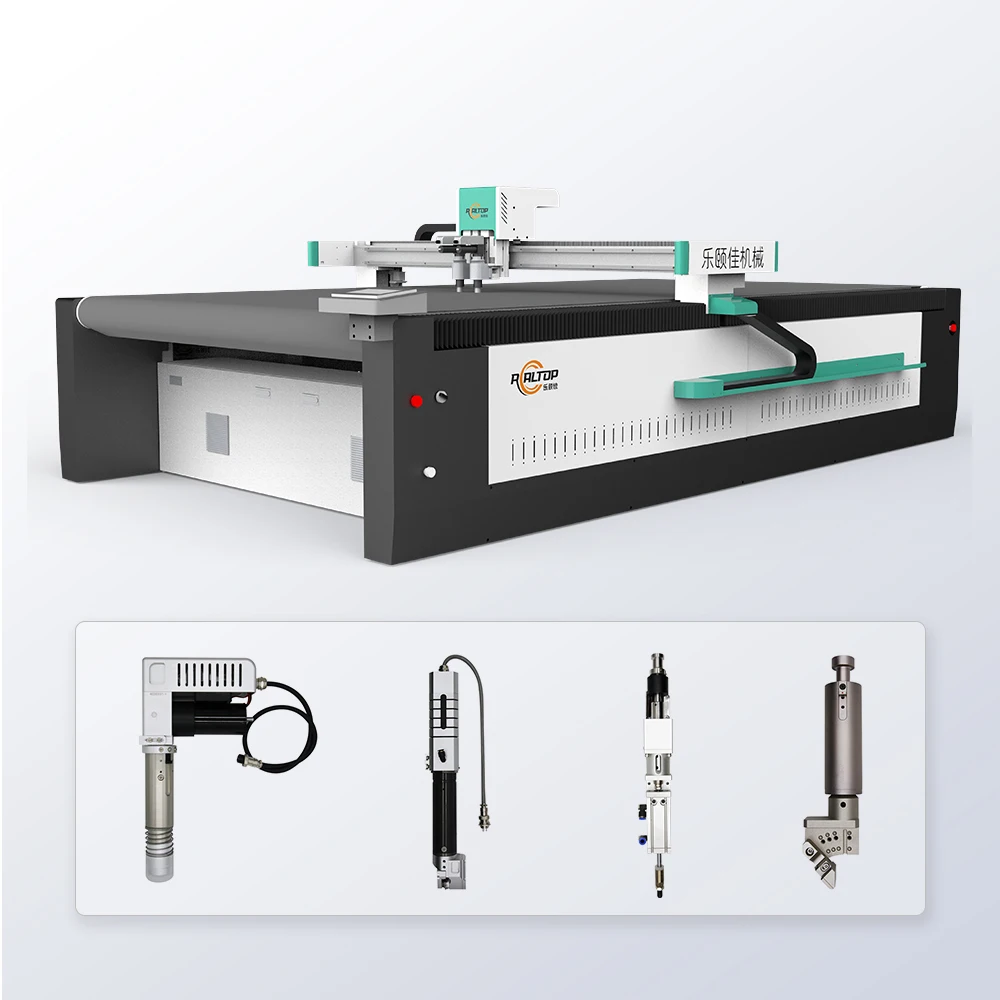
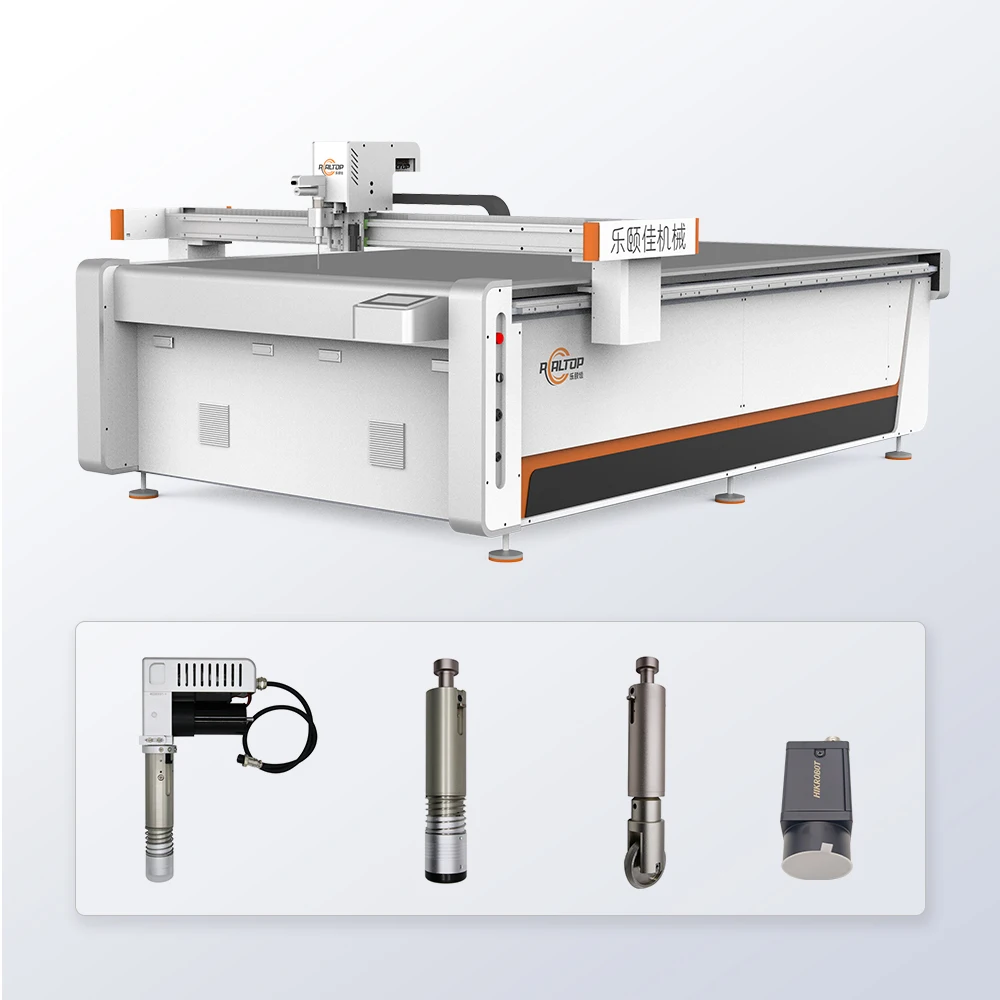
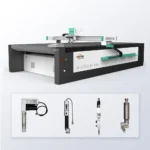
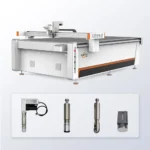
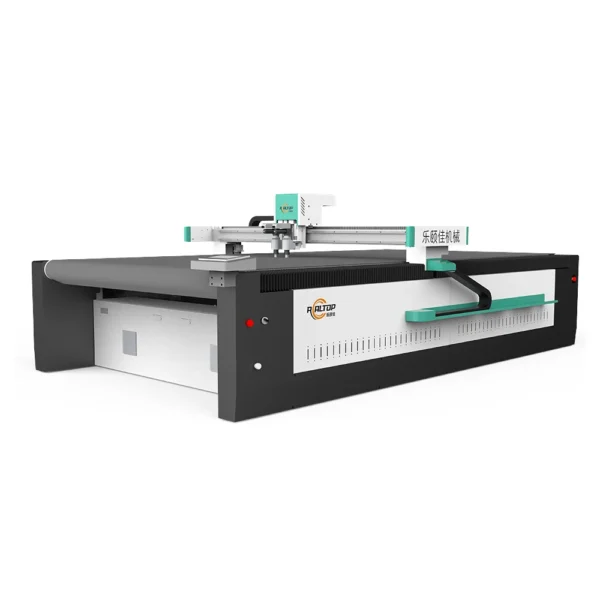
Tool Head Matched to Material — In-house design covers oscillating, drag, rotary and pneumatic knife heads, so the 1625 platform cuts carbon prepreg, aramid honeycomb or acoustic foam without forcing one method across different composite stocks.
Technical Specifications
| Parameter | Value |
|---|---|
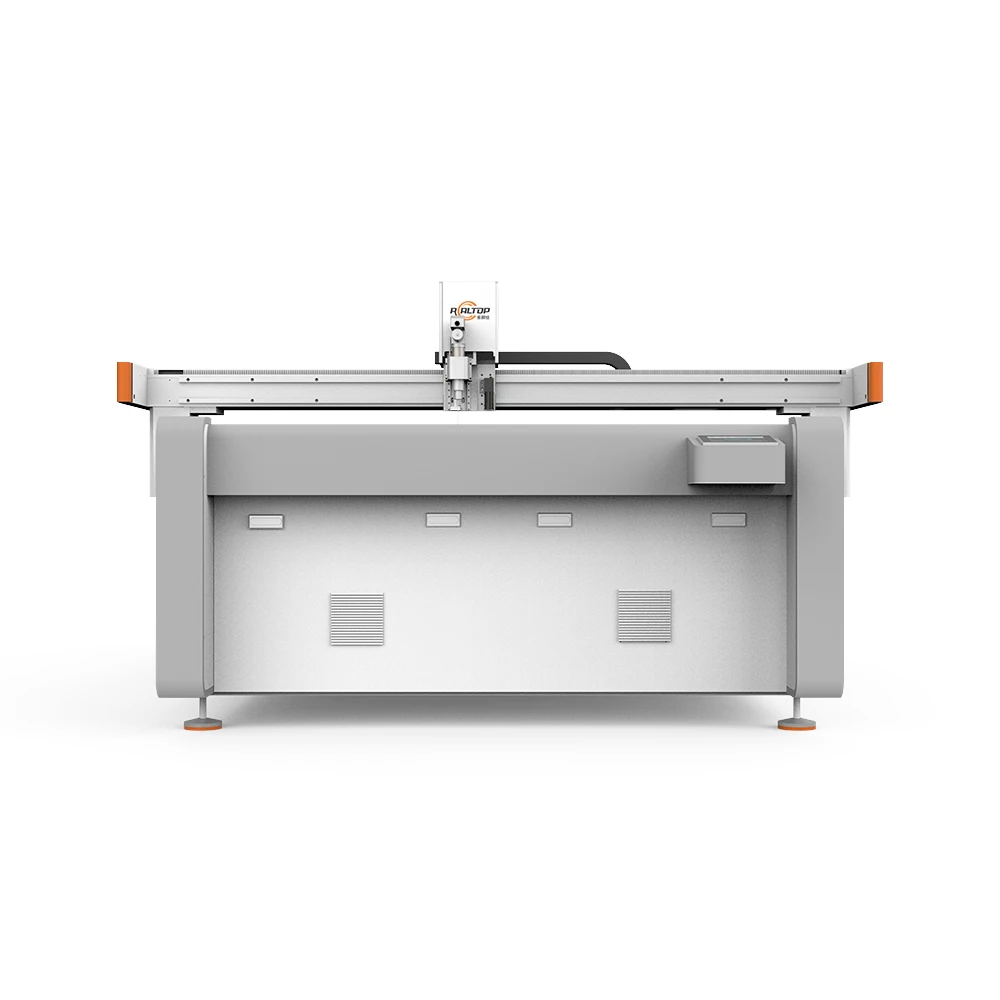
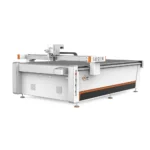
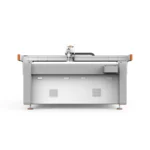
| Product Type | CNC Oscillating Knife Cutting Machine |
| Model | 1625 |
| Working Area | 1600×2500 mm |
| Tool Head Options | Oscillating knife, Driven rotary knife, Creasing wheel, Kiss cutting tool, Pneumatic knife, Milling tool, V groove knife |
| Cutting Speed | 0–2000 mm/s |
| Cutting Thickness | ≤ 30mm (basis not stated in source — confirm material type and density) |
| Positioning Accuracy | ±0.1 mm |
| Vacuum Table | Aluminum bellows vacuum table |
| Vacuum Pump Power | 9 kW |
| Control System | PLC control panel |
| Servo Motor Options | Panasonic, Delta, Dorna |
| Voltage Options | 110V / 220V / 380V |
| File Formats Supported | PLT, DXF, AI, PDF |
| Safety Device | Infrared sensor and emergency stop |
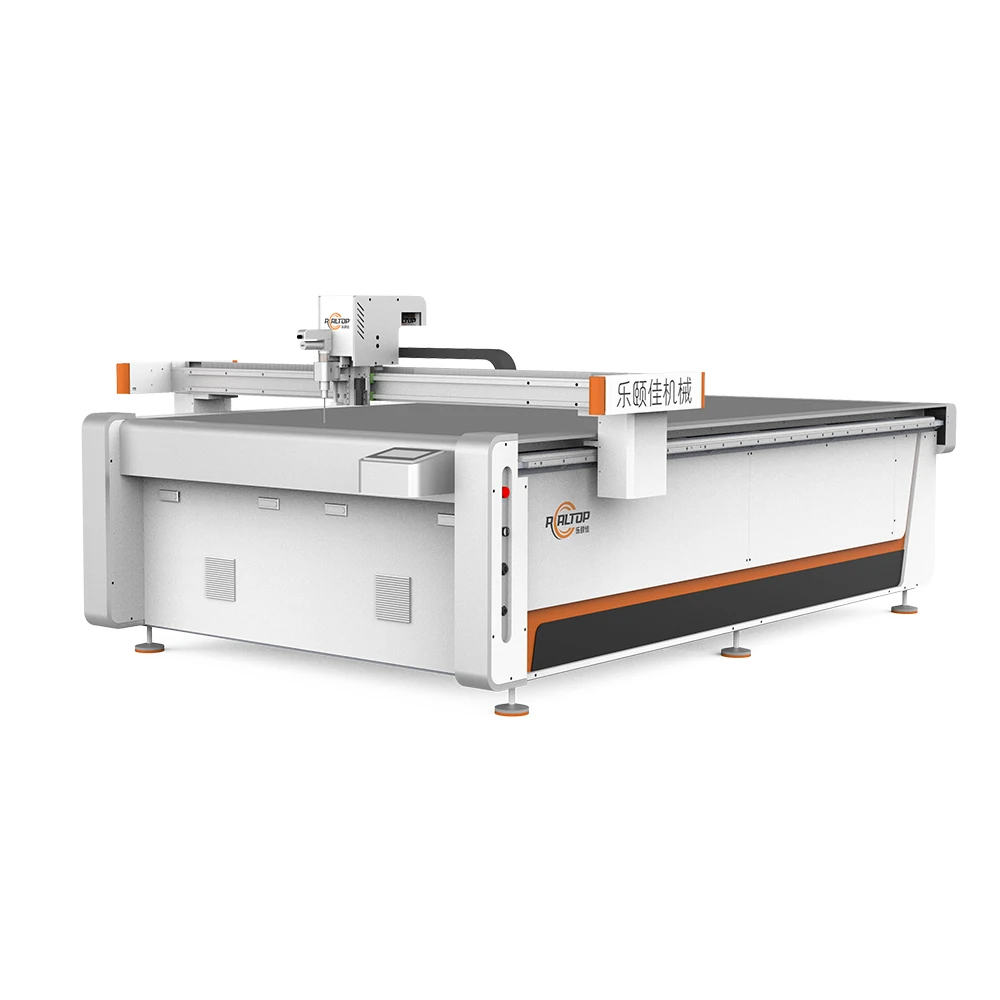
| Overall Dimensions (L×W×H) | 3300×2100×1350 mm |
| Language Options | English, Russian, Italian, Chinese (custom languages available) |
Application Suitability
| Application | Material or Output |
|---|---|
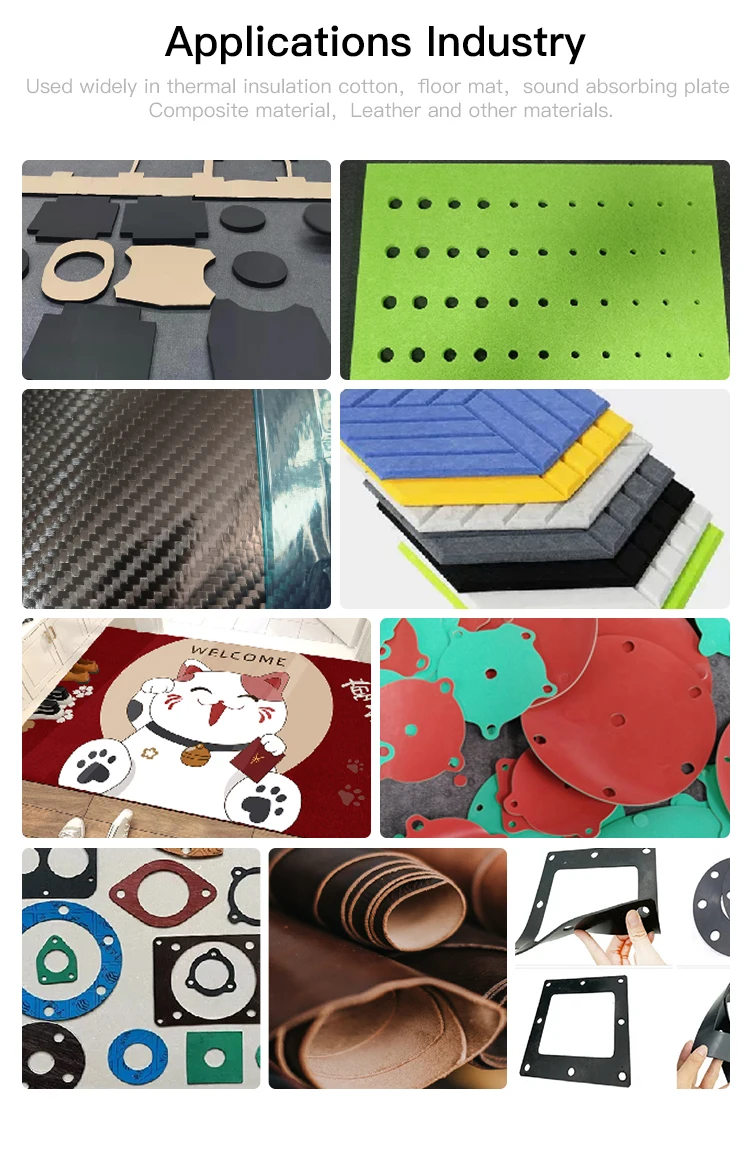
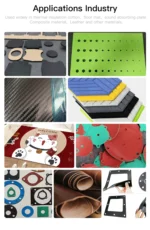
| Aerospace gasket and insulation cutting | Carbon fiber prepreg, aramid honeycomb, ceramic fiber blankets |
| Automotive and rail interior trim | Carbon fiber covers, FRP panels, acoustic felt, damping pads, carpets, sealing strips |
| Wind power and new energy preform cutting | Fiberglass cloth, vacuum infusion mesh, PET/PVC foam core, battery insulation sheets |
| Sporting goods composite cutting | Carbon fiber sheets and fabric, Kevlar, high-performance foam for bicycle frames, helmets, surfboards, skis |
Why the Right CNC Oscillating Knife Cutting Machine Specifications Matter More Than Speed Alone
The cutting method must follow the material, not the other way around.
A machine selected purely on working area or top speed often arrives at the factory only to struggle with the actual stock. Carbon fiber prepreg tears under a standard oscillating blade, while soft acoustic felt crushes and deforms if the knife frequency is too aggressive. We have seen composite fabricators spend weeks troubleshooting edge fraying and delamination that should have been addressed during the tool head selection stage [NEED_CITE: composite material cutting failure modes]. The 1625 platform addresses this by offering a range of interchangeable heads rather than a single fixed tool.
Matching Knife Type to Composite Density and Layer Structure
Selecting the correct CNC oscillating knife cutter for composite materials starts with understanding what the blade actually encounters during each stroke. Carbon fiber prepreg and aramid honeycomb demand different oscillation frequencies and blade geometries to achieve clean separation without pulling fibers or crushing cell walls. The 1625 accommodates oscillating knife, driven rotary knife and pneumatic knife heads, allowing the operator to switch tooling when the production schedule moves from rigid laminates to soft insulation foam. This interchangeability is what makes the CNC oscillating knife cutting machine specifications relevant to real shop floor conditions rather than brochure numbers.
Vacuum Hold-Down and What It Means for Thin Prepreg Layups
A 9 kW vacuum pump paired with an aluminum bellows table provides full-surface adsorption across the 1600×2500 mm bed. For thin carbon prepreg or lightweight fiberglass cloth, uneven hold-down causes the material to lift ahead of the blade, producing ragged edges and forcing re-cuts. The aluminum bellows construction maintains flatness across the working area, which matters when nesting multiple parts from a single ply [NEED_CITE: vacuum table flatness requirements for composite cutting]. Without adequate zoning, small gasket pieces can drift during the final cuts of a nested sheet.
Reading the Numbers Behind ±0.1 mm Positioning Accuracy
Positioning accuracy of ±0.1 mm governs how closely nested parts follow the DXF or AI file geometry across a full production run. In aerospace gasket cutting from ceramic fiber blankets, even small drift compounds over long cut paths and produces parts that fail fit checks at assembly. The PLC control panel manages servo feedback continuously, and the choice of Panasonic, Delta or Dorna servo motors allows tuning motion response to match the weight and stiffness of the material being processed. Cutting speed ranges from 0 to 2000 mm/s, but usable speed depends on material thickness and the knife head selected.
The Cost of Skipping Material Trials Before Committing
When a composite fabricator orders a machine based on working area alone and discovers during commissioning that the chosen tool head cannot handle their specific layup, the delay cascades through production planning. Reworking cut parameters on-site takes time, and replacement tooling may need to be shipped internationally [NEED_CITE: lead times for replacement cutting tooling]. Small parts lifting off the vacuum table during the last passes of a nested sheet is a common symptom of insufficient hold-down specification, and it often surfaces only after the machine is installed and running.
Why Fabricators Source This Platform From Jinan
The design team engineers both the knife cutting and the laser cutting platforms under one roof, so the 1625 benefits from motion control and vacuum table development shared across the product range. Tool head and table configuration is specified per material and production volume rather than offered as a fixed package. CCD camera positioning is available for printed contour work on composite laminates with registration marks. Software compatibility with PLT, DXF, AI and PDF files is confirmed before the order is released to production. Sample cutting on the buyer’s own composite stock is performed before commitment, so the configuration is validated against real material behavior.
Documentation & Verification
- Machine specification sheet listing confirmed tool head and vacuum table configuration
- Electrical schematic with voltage and frequency matched to destination market
- Sample cutting report on buyer’s composite material showing edge quality
- Factory test record documenting positional accuracy across the full 1600×2500 mm bed
- Software licence and file format compatibility note for PLT, DXF, AI, PDF workflows
- Spare parts list covering blades, knife holders and vacuum table seals
Installation, Commissioning & Support
- Floor space allocation for 3300×2100 mm footprint plus operator access clearance
- Dedicated electrical circuit sized for 9 kW vacuum pump plus servo and PLC loads
- Table leveling and vacuum seal inspection performed during on-site commissioning
- First-article cutting trial on buyer’s composite stock to validate tool head selection
- Operator training covering PLC panel navigation, knife change procedure and nesting workflow
- Scheduled maintenance intervals for blade replacement and vacuum pump filter service
What to Prepare Before Requesting a Quotation
To specify the correct configuration, share the composite material type, typical ply thickness, maximum sheet dimensions and the daily cutting volume your line requires. Confirm the voltage and frequency standard at your facility, the preferred control language and whether your existing nesting software exports DXF, AI or PLT files. If your material is a proprietary layup or prepreg, arrange to send sample sheets for cutting trials before the machine enters production.
Frequently Asked Questions
Q: How do I choose the right tool head for carbon fiber board versus soft insulation foam?
A: Carbon fiber board requires a rigid oscillating or milling knife to shear through cured plies cleanly, while soft foam needs a high-frequency oscillating or pneumatic knife to compress and slice without crushing. The 1625 platform supports multiple interchangeable heads, so the configuration is selected based on your specific material stack rather than a single default setup.
Q: What does the ≤30mm cutting thickness rating actually assume?
A: The thickness capacity depends on material density, fiber content and whether the stock is a single slab or a multi-layer layup. A 30mm acoustic foam block cuts differently from a 30mm carbon fiber laminate. Request a sample cutting trial on your actual composite stock to confirm achievable thickness and edge quality before finalizing the order.
Q: Is the vacuum table sufficient for small lightweight composite parts?
A: The aluminum bellows table provides full-surface adsorption across the 1600×2500 mm bed with a 9 kW vacuum pump. Small, lightweight parts such as aerospace gaskets can lift during final cuts if hold-down is inadequate. Zoning configuration and pump capacity are matched to the part size range and material weight during the specification stage.
Q: What voltage and control language options are confirmed before shipment?
A: The machine is configurable for 110V, 220V or 380V supply with frequency matched to your market. Control panel language options include English, Russian, Italian and Chinese, with custom languages available. Voltage, plug type and language are documented on the electrical schematic and confirmed before the machine leaves the factory.
Q: Can I import my existing nesting files without reprogramming?
A: The control system accepts PLT, DXF, AI and PDF file formats. Software compatibility is verified during the pre-order stage using your actual production files, so you know whether your current nesting workflow transfers directly or requires adjustment before the machine is shipped.


商品评价
Clear filtersThere are no reviews yet.