




Fast Shipping
Carrier information

20k products
Payment methods

24/7 Support
Unlimited help desk

2-day Delivery
Track or off orders
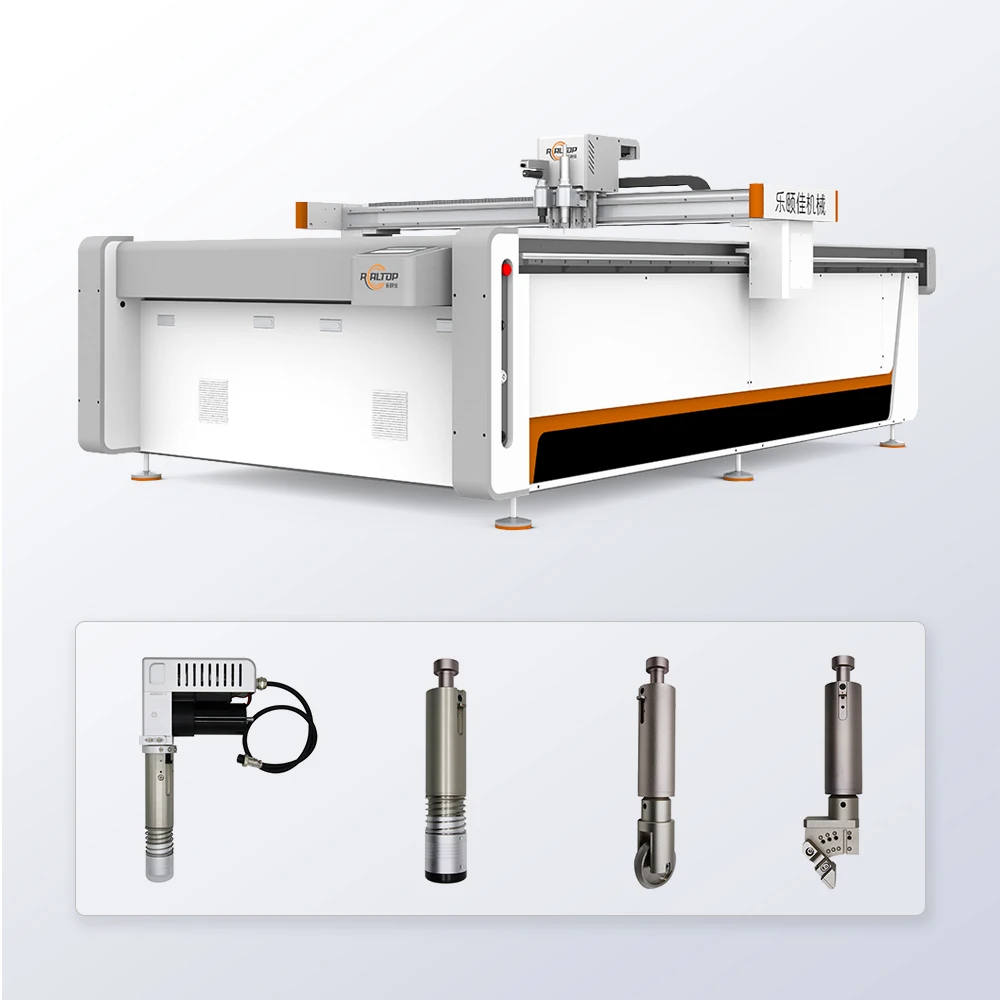
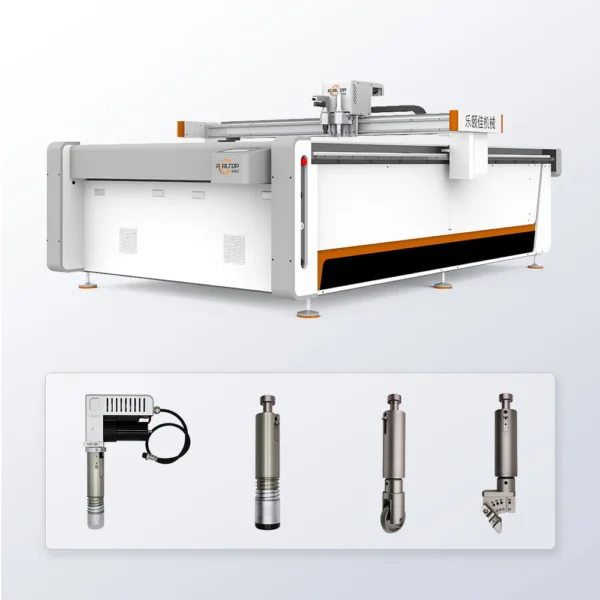
Configurable Tooling Match — oscillating knife, creasing wheel and drag knife heads specified per packaging stock, verified on your own corrugated samples before shipment.
Technical Specifications
| Parameter | Value |
|---|---|
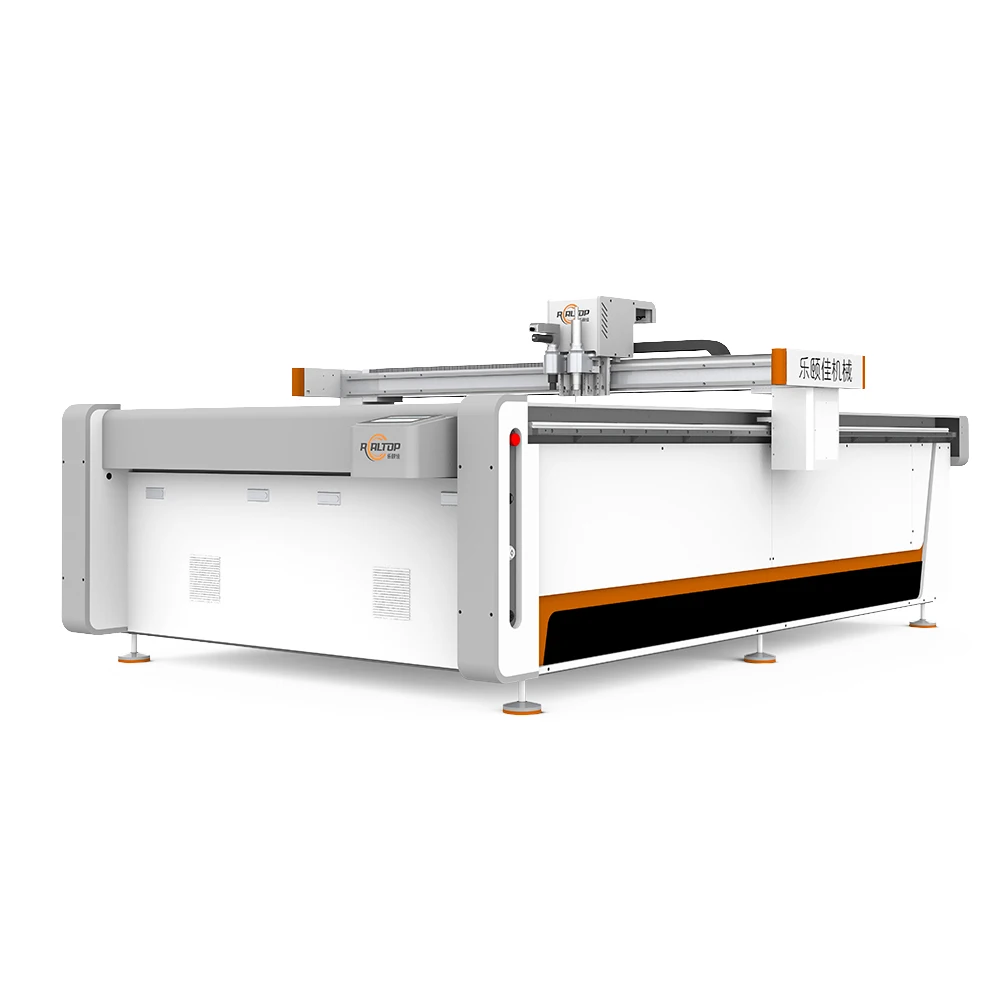
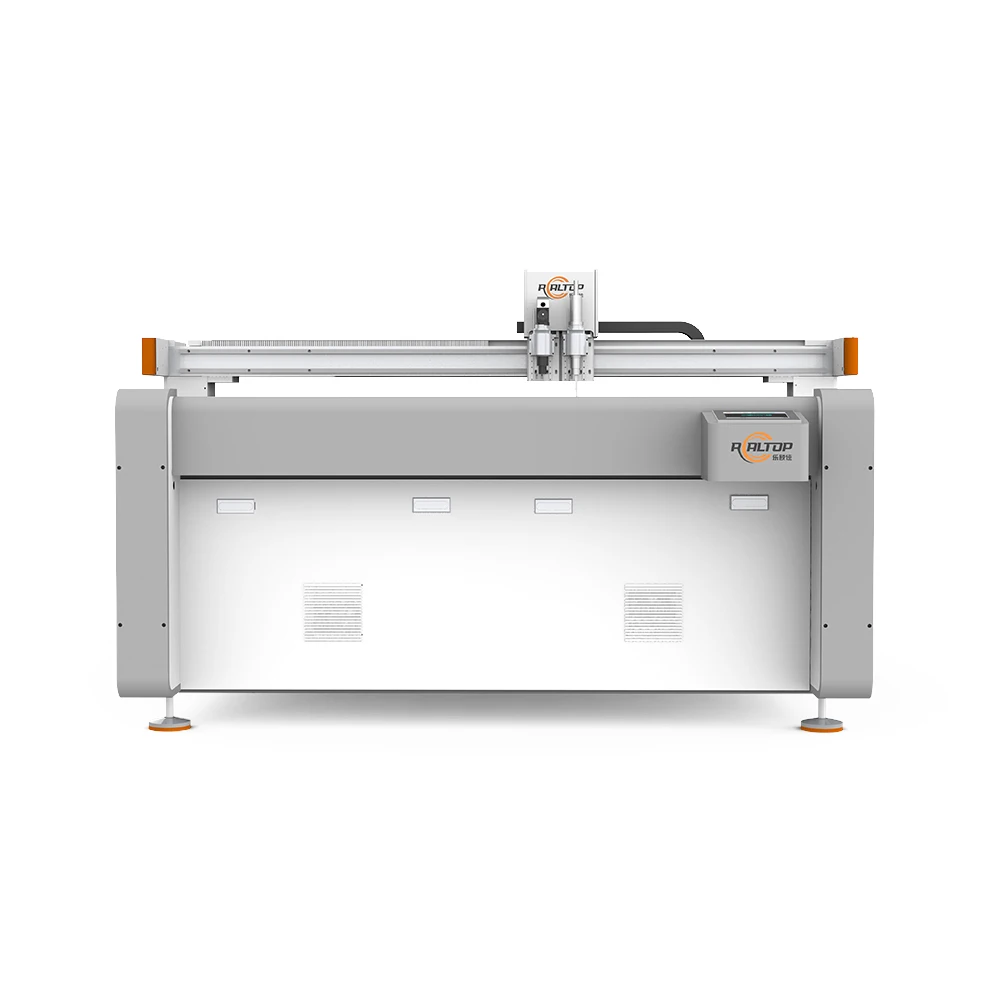
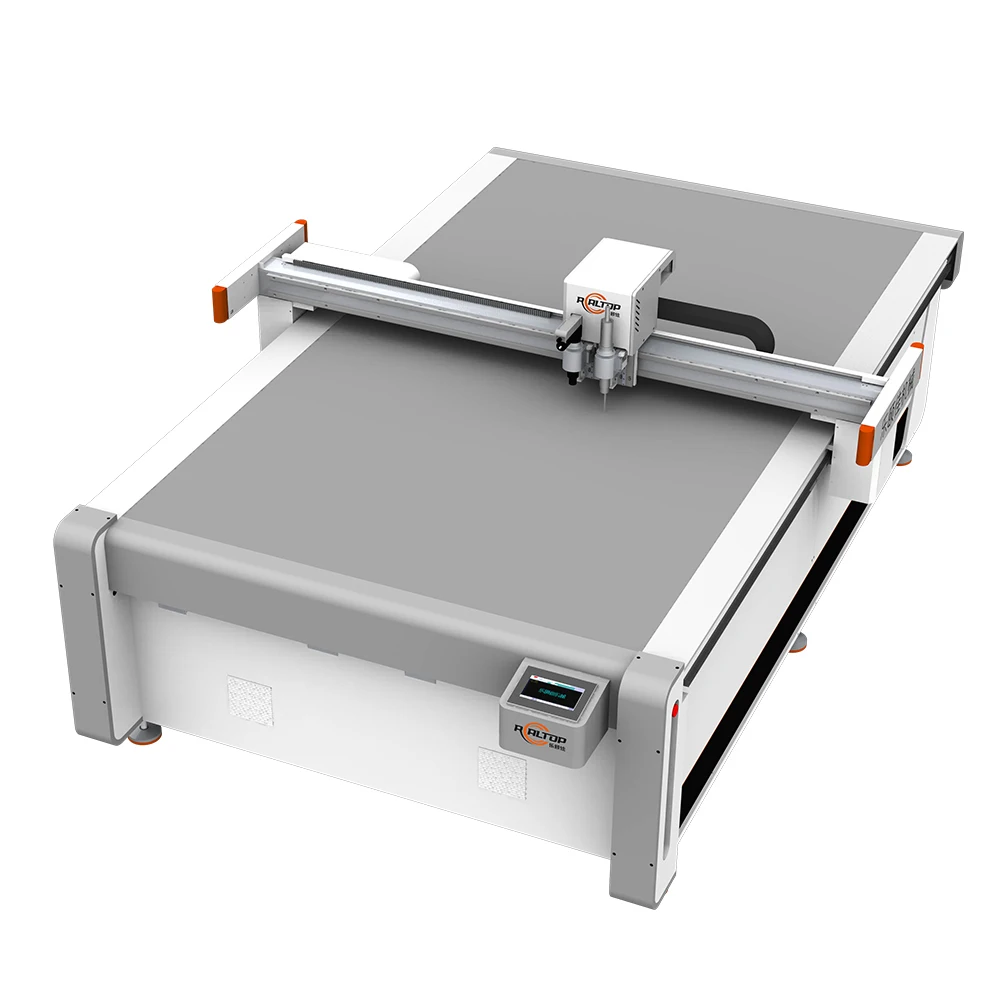
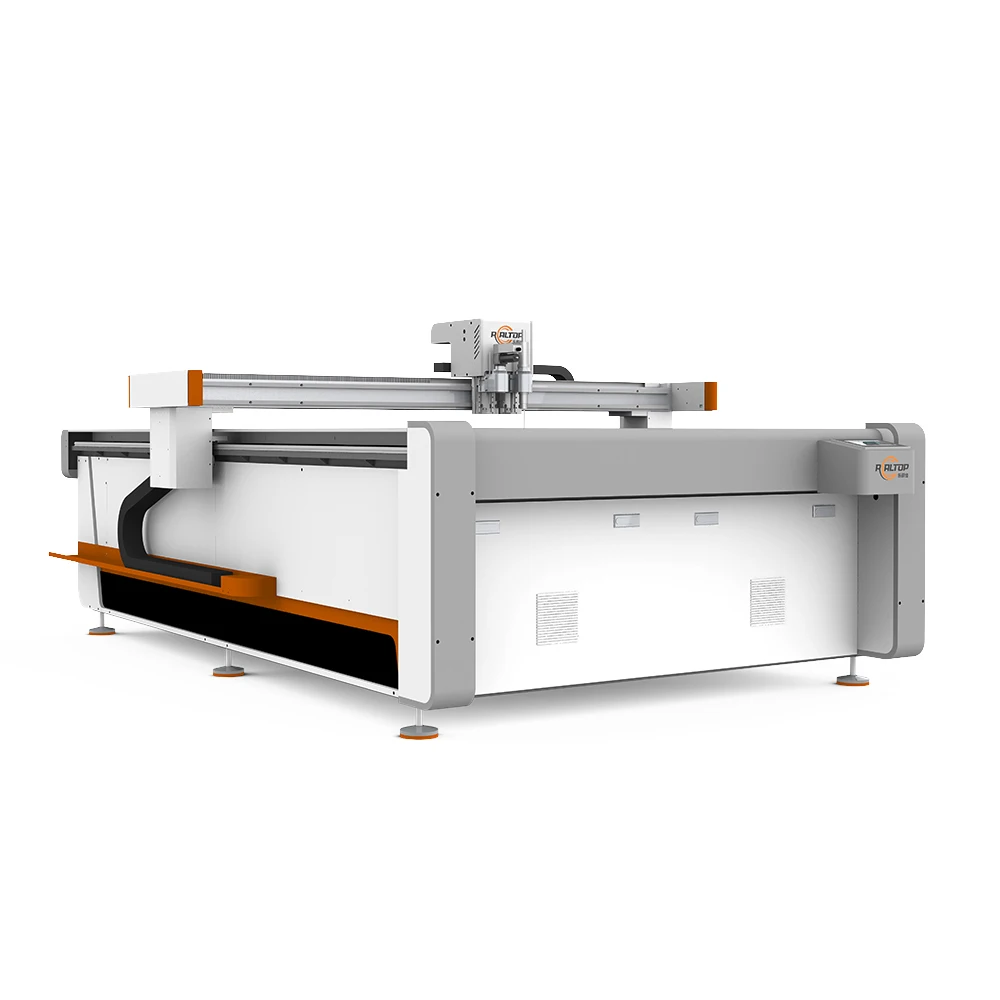
| Product Type | CNC Oscillating Knife Cutting Machine |
| Working Area | 1600 × 2500 mm |
| Cutting Thickness | Up to 40 mm |
| Cutting Speed | 0 – 1500 mm/s |
| Cutting Accuracy | ±0.1 mm |
| Tool Heads Available | Oscillating knife, Driven rotary knife, Creasing wheel, Kiss cutting tool, Pneumatic knife, Milling tool, V-groove knife |
| Vacuum Pump | 9 kW |
| Machine Frame | Heavy-duty frame with precision-ground surface |
| Vacuum Table | Aluminum bellows design with zoned adsorption |
| Servo Drive Options | Panasonic, Delta, or Dorna |
| Control System | PLC control panel with display |
| Supported File Formats | PLT, DXF, AI, PDF |
| Software Languages | English, Russian, Italian, Chinese (customizable) |
| Voltage Options | 110V / 220V / 380V |
| Safety Devices | Infrared sensor, Emergency stop |
| Machine Dimensions | 3300 × 2100 × 1350 mm |
| Certification | CE |
Application Suitability
| Application | Material or Output |
|---|---|
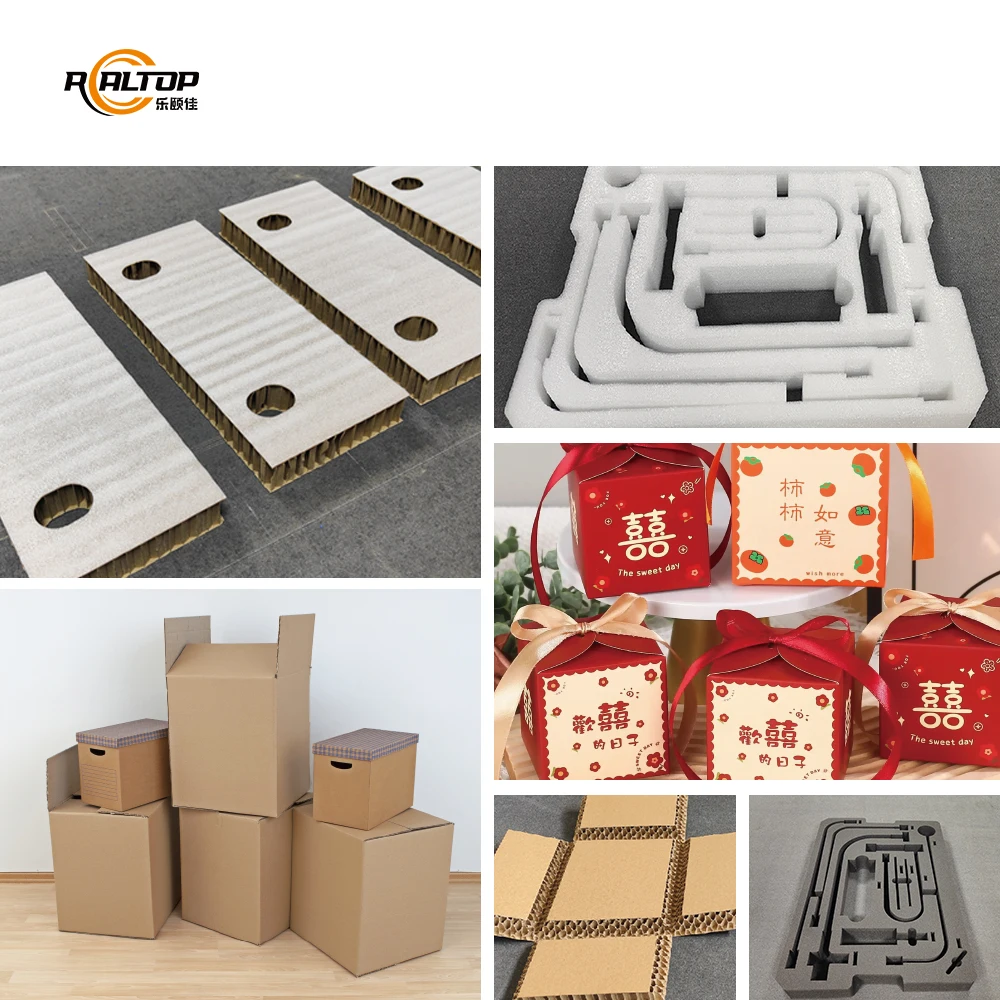
| Packaging sample making | E-flute, B-flute, BC-flute corrugated board, greyboard |
| Short-run carton production | Specialty paper, folding carton stock, adhesive-backed sheets |
| Foam and gasket fabrication | EVA, EPE, PU foam, rubber mats, composite sheets |
| Textile and leather cutting | Velvet, fleece, non-woven fabric, synthetic leather |
| Signage and display prototyping | PVC, PET thin plastic sheets, foam board |
Why the Right Tool Head Matters More Than Working Area
A machine sized by bed area alone will fail the moment your flute profile or foam density falls outside the blade’s capability.
I spent years servicing CNC knife cutters across workshops in the Yangtze River Delta, and the most frustrating call-outs were never about electronics. They were about a buyer who ordered a large-format table, then discovered the oscillating knife could not shear through double-wall corrugated cleanly, or the creasing wheel crushed the face liner instead of scoring it [NEED_CITE: corrugated flute crush mechanics in digital cutting]. When the wrong tool head meets the wrong packaging stock, you get ragged edges, delaminated flutes and a production floor full of wasted sheets. The CNC Oscillating Knife Cutting Machine specifications must be matched to your actual material stack — not to the largest sheet you might one day run.
Matching Blade Motion to Corrugated Flute and Foam Density
The oscillating knife head vibrates at high frequency to shear through fibrous and cellular materials without dragging. For single-wall E-flute and B-flute corrugated board, this produces a clean cut edge that holds dimensional accuracy across repeated sample runs. When cutting denser stocks like greyboard or multi-layer composites, the pneumatic knife or driven rotary knife becomes necessary to maintain edge integrity without stalling the blade. A CNC oscillating knife cutting machine with interchangeable heads lets the same platform handle both a folding carton prototype and a 30 mm EVA foam insert without compromising either.
Vacuum Table Zoning and Small-Part Stability
The aluminum bellows vacuum table provides a flat cutting surface with zoned adsorption areas. On large corrugated sheets this is straightforward — the entire bed holds the material in place. The challenge appears when you cut dozens of small carton blanks from a single sheet: once the perimeter cuts through, the remaining parts can lift if the vacuum zones are not segmented. Proper zoning lets the operator activate only the sections where parts remain uncut, maintaining hold-down force where it is needed. This is especially critical at higher cutting speeds where air turbulence under the blade can dislodge lightweight stock [NEED_CITE: vacuum hold-down principles for CNC flatbed cutters].
Reading the Specs That Actually Affect Your Packaging Output
The ±0.1 mm cutting accuracy ensures that crease lines and cut paths align precisely on folding carton samples — a tolerance that matters when a 0.3 mm offset in the crease position causes the finished box to close unevenly. The 9 kW vacuum pump provides sufficient suction for porous corrugated board, which bleeds air far more than solid plastics or metals. The PLC control panel with selectable display languages reduces setup errors on multilingual production floors. Servo drive options from Panasonic, Delta or Dorna determine acceleration response and positional repeatability — a factor that shows up as corner quality on small, intricate carton geometries rather than as a number on a spec sheet. File format support for PLT, DXF, AI and PDF means your packaging designer’s native artwork imports directly without intermediate conversion that can distort bezier curves on die-line profiles.
The Hidden Cost of Skipping the Sample Cut
I have watched packaging shops accept delivery of a machine that cut their test material beautifully at the factory, only to find that their daily production stock — a recycled-content BC-flute with inconsistent density — tore rather than sheared under the same blade settings. Without a sample cutting report on your exact material run at your required speed, you are essentially guessing. The cost is not just the blade wear; it is the four days of line downtime while the supplier ships a different tool head, the scrapped sheet stock, and the packaging samples delivered late to your client [NEED_CITE: material variability in recycled corrugated board].
Why Source This Oscillating Knife Cutter Here
Tool head and table configuration are specified per your material and production volume — not selected from a fixed catalog page. The in-house design team covers knife cutting technology directly, so configuration changes do not depend on a third-party integrator. CCD camera positioning is available for printed contour work on pre-printed packaging samples. Software file format compatibility is confirmed against your existing design workflow before the order is finalized. Voltage, plug type and control language are verified to match your facility’s electrical standard and operator preference. A sample cutting run on your own packaging stock is completed before commitment, documented in a formal report.
Documentation & Verification
- Machine specification sheet listing every tool head and vacuum zone configured for your packaging stock
- Electrical schematic confirming voltage, frequency and plug type matched to your facility standard
- Sample cutting report on your corrugated board, foam or gasket material at production speed
- Tool head and table configuration list signed off against your material thickness and sheet size
- Software licence and file format compatibility note covering your PLT, DXF, AI or PDF workflow
- Operation and maintenance manual with blade replacement intervals and vacuum pump service schedule
Installation, Commissioning & Support
- Floor space allocation for the 3300 × 2100 mm footprint with clearance for sheet loading on the 1600 × 2500 mm bed
- Dedicated electrical circuit matching confirmed voltage (110V / 220V / 380V) and frequency at your facility
- Vacuum pump commissioning and zone calibration on your corrugated or foam stock to verify adsorption
- PLC control panel setup with operator display language matching your production team preference
- Blade change procedure training covering oscillating knife, creasing wheel and rotary knife heads
- Spare parts list including blade types, vacuum seals and belt spares sized for your daily volume
What to Include in Your Inquiry
Tell us the exact packaging materials you cut — flute type, board thickness, foam density or composite layup — along with your typical sheet size and daily volume. Specify your facility voltage, frequency and plug standard, plus the control language your operators prefer. If you run an existing nesting or design software, confirm the file format so we verify import compatibility before quotation.
Frequently Asked Questions
Q: How do I choose the right tool head for my corrugated flute type?
A: E-flute and B-flute single-wall board typically cut well with the standard oscillating knife. Double-wall or BC-flute with higher density often requires the pneumatic knife for sufficient downward force. For crease lines on folding carton stock, the creasing wheel is matched to the board caliper so it scores without crushing the face liner. We specify the tool head combination after a sample cut on your exact material.
Q: Will the vacuum table hold small carton blanks in place during high-speed cutting?
A: The aluminum bellows table features zoned adsorption areas that can be activated selectively. When cutting multiple small parts from one sheet, the operator activates only the zones where material remains uncut. This maintains hold-down force on the remaining blanks and prevents lift at cutting speeds up to 1500 mm/s, even on lightweight corrugated stock.
Q: Can the CCD camera track printed registration marks at production speed?
A: CCD contour recognition is configured to locate printed marks on pre-printed packaging sheets and adjust the cut path accordingly. Tracking accuracy depends on mark contrast, print quality and the speed at which the head traverses between marks. We test this on your printed stock during the sample cutting phase and document the result before you commit to the order.
Q: What voltage and control language options are available for my market?
A: The machine is configurable for 110V, 220V or 380V supply, with plug type matched to your country standard. The PLC control panel supports English, Russian, Italian and Chinese, with additional languages available on request. We confirm voltage, frequency, plug type and display language in writing before production begins.
Q: Will my existing packaging design files import without conversion?
A: The system accepts PLT, DXF, AI and PDF profiles directly. If your design workflow uses other formats or nesting software, we verify import compatibility and test a sample file from your library before the order is finalized. This avoids bezier curve distortion or layer mapping errors that can shift crease lines on complex carton geometries.


商品评价
Clear filtersThere are no reviews yet.