


Fast Shipping
Carrier information

20k products
Payment methods

24/7 Support
Unlimited help desk

2-day Delivery
Track or off orders
Precision tool head configuration — The system matches oscillating knife, drag knife, and creasing wheel to your specific corrugated grade and flute profile before the machine ships, eliminating trial-and-error on the production floor.
Technical Specifications
| Parameter | Value |
|---|---|
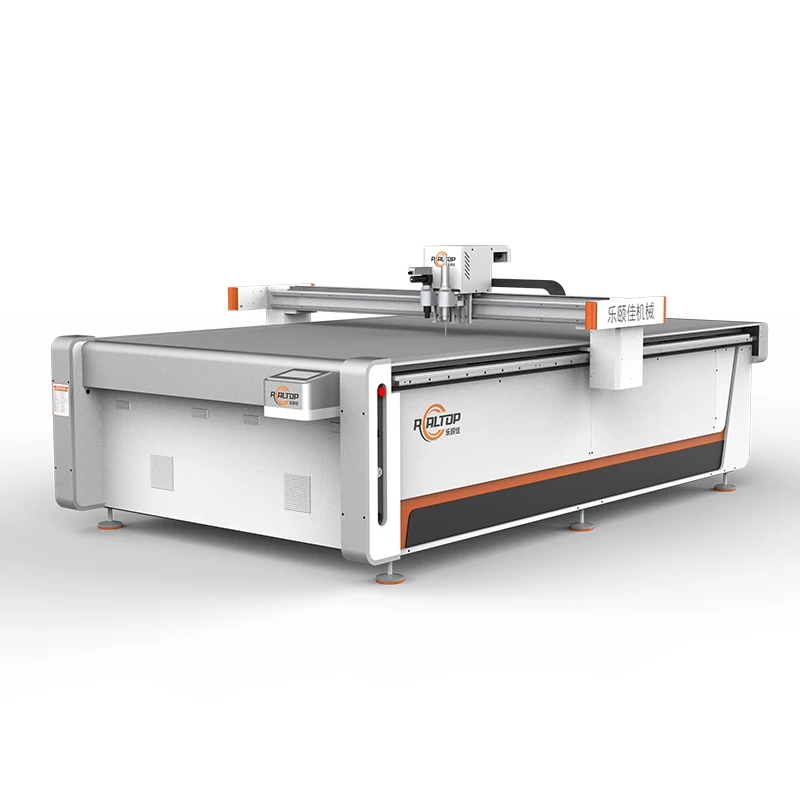
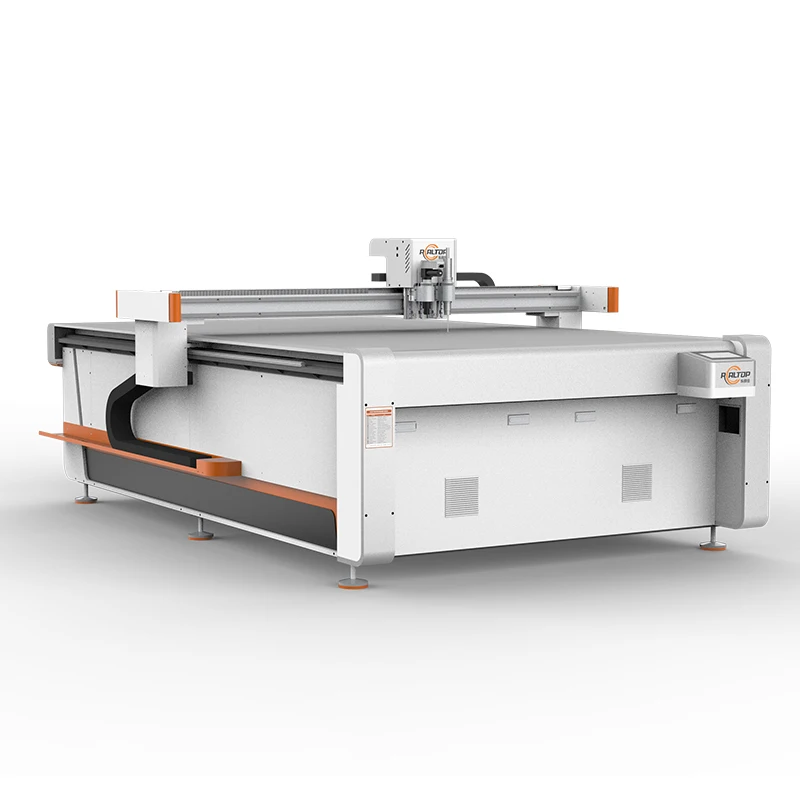
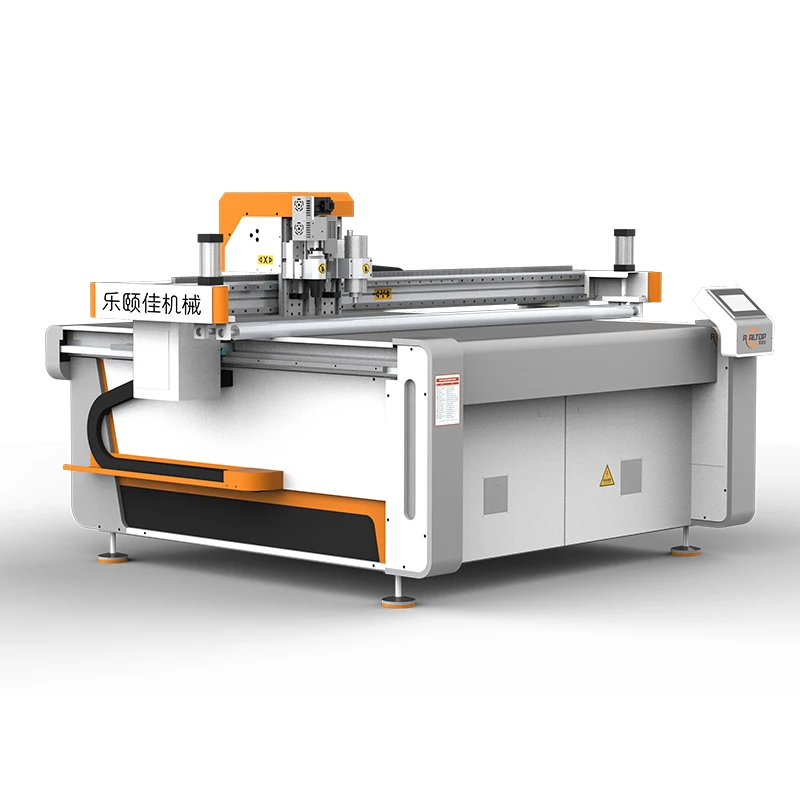
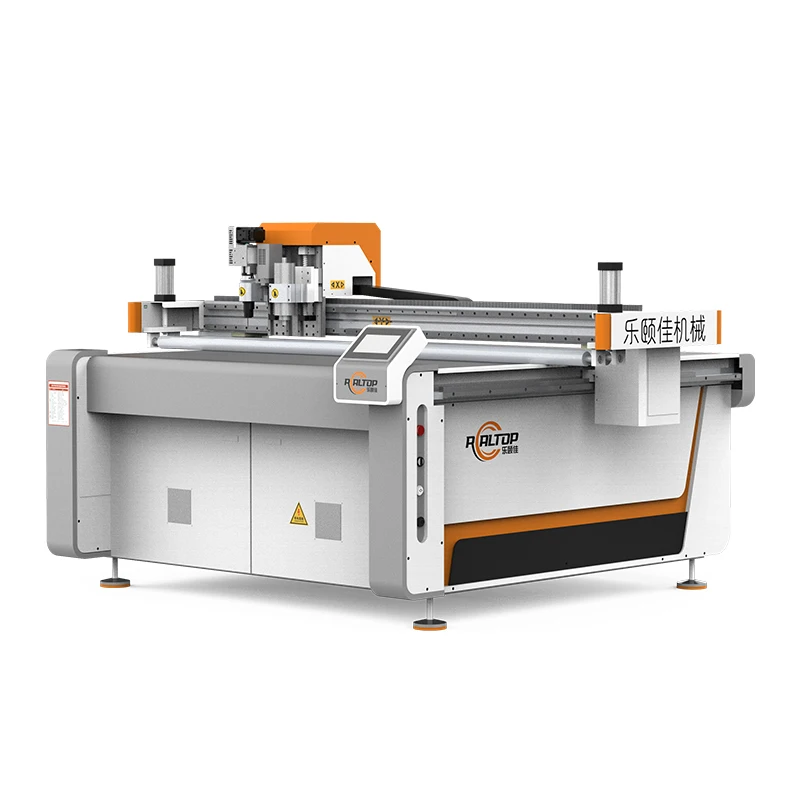
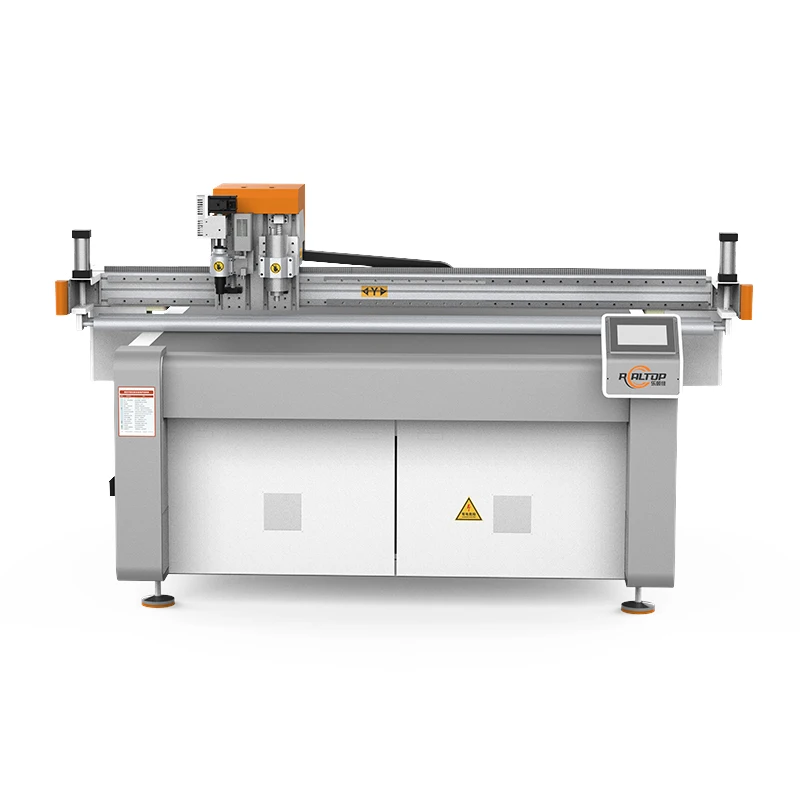
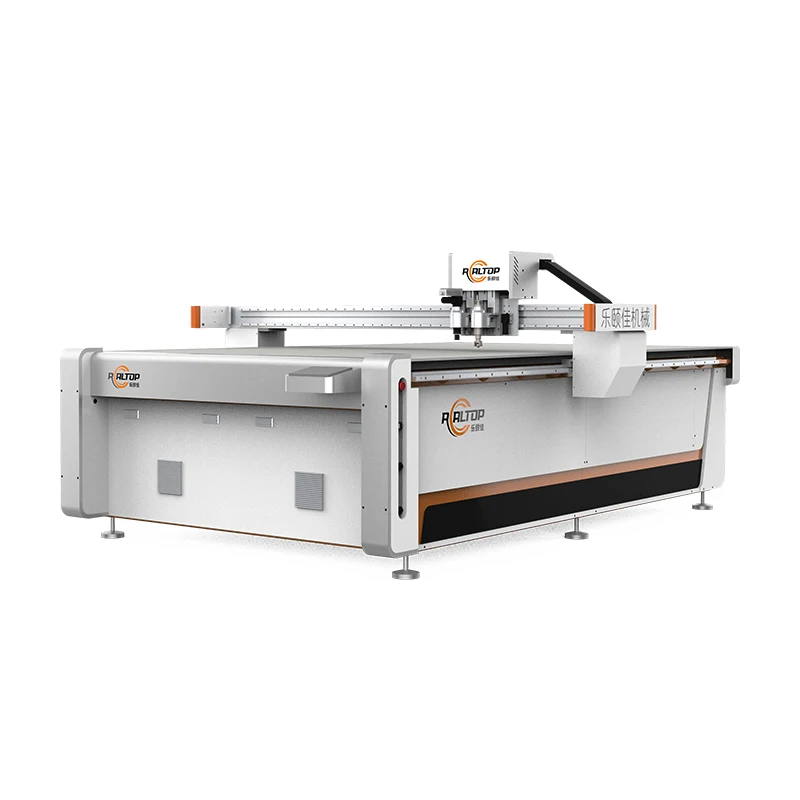
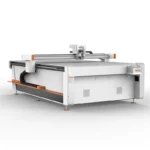
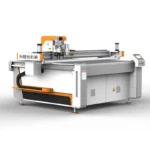
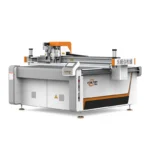
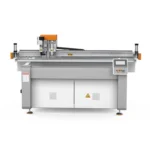
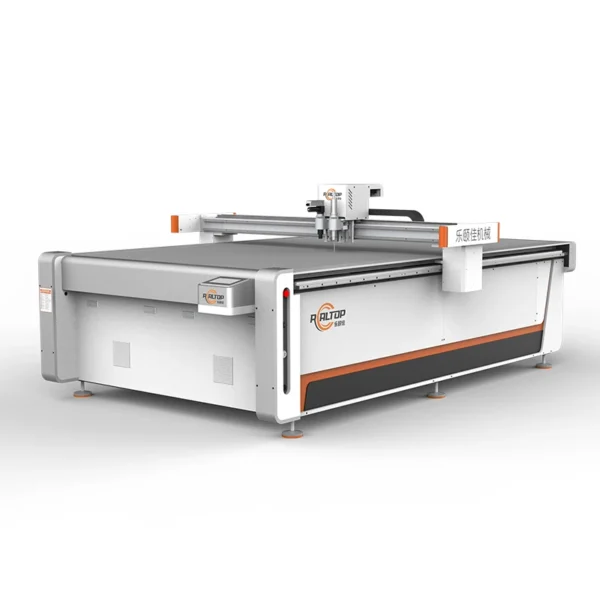
| Product Type | CNC Oscillating Knife Cutting Table |
| Working Area | 1600 × 2500 mm |
| Machine Dimensions | 3450 × 2300 × 1250 mm |
| Rated Power | 9 kW |
| Voltage | 380V ±10% |
| Transmission System | Digital servo motor, linear guide, synchronous belt, ball screw |
| Servo Motor | Delta (Taiwan) |
| Linear Guide | Hiwin (Taiwan) |
| Tool Head | Swiss imported knife with vibration full cutting, half cutting, and cursor location |
| Creasing Wheel | Included |
| Translational Velocity | 800–2000 mm/s |
| Cutting Speed | 200–800 mm/s (basis to be confirmed by material type and thickness) |
| Cutting Thickness | ≤100 mm (varies with material density and tool head selection) |
| Repeated Accuracy | ≤0.1 mm |
| Vacuum Table | Aluminum alloy honeycomb structure, 7.5 kW vacuum pump, auto-follow zoned adsorption |
| Feeding System | Germany imported conveyor belt, auto feeding |
| Safety Device | Infrared sensors, emergency stop |
| Control / Instruction System | HP-GL compatible format |
| Software | Professional carton nesting software, multi-format file import, custom language support |
| Language Options | English, Russian, Italian, Chinese (special languages customizable) |
| Assembly State | Fully assembled |
| Standards | CE |
Application Suitability
| Application | Material or Output |
|---|---|
| Packaging carton sample making and short-run production | Corrugated cardboard, kraft paper, grey board |
| Sticker and label contour cutting | Self-adhesive vinyl, printed label stock |
| Billboard and card cutting | PVC foam board, card stock, hang tag material |
| Large appliance carton packaging | Double and triple-wall corrugated board |
| High-end gift box packaging | Dense grey board, laminated kraft |
| Flexible material cutting | Leather, garment fabric, sponge composite, PVC, silicone, rubber |
What "Cutting Thickness ≤100 mm" Actually Depends On
The rated thickness only holds when the tool head, oscillation frequency, and vacuum zoning are matched to the specific board density and flute structure you run.
I once watched a packaging line stall because a machine was sold on working area alone — the buyer assumed any board under the maximum thickness would cut clean. When they switched from single-wall B-flute to double-wall BC-flute for a premium box run, the oscillating knife compressed the top liner without penetrating the medium, leaving ragged tear lines across every blank. The vacuum table could not hold the heavier sheet flat at high traverse speeds, and the blanks drifted by several millimeters over the length of the cut [NEED_CITE: material density and flute profile impact on oscillating knife cutting performance]. Specifying the cutting method against the actual material stack prevents this kind of line-down event.
Matching Tool Head to Board Grade
Selecting the correct CNC oscillating knife cutting table specifications starts with the tool head. The Swiss imported oscillating knife on this platform delivers both full-cut and half-cut modes, which matters when a single carton blank requires through-cuts on the perimeter and kiss-cuts on internal fold lines. For dense grey board used in luxury packaging, the oscillation frequency must stay high enough to shear the fibers rather than crush them. A drag knife, by contrast, suits thinner kraft and sticker stock where the material offers little resistance and a simpler blade path produces a cleaner edge.
Vacuum Zoning and Sheet Hold-Down
The aluminum alloy honeycomb vacuum table pairs with a 7.5 kW pump and auto-follow zoned adsorption to keep the material flat under the cutting head. On a 1600 × 2500 mm bed, a large carton blank covers enough area for the vacuum to grip effectively, but small partition inserts or narrow divider strips expose only a fraction of the table surface. Zoned adsorption directs suction to the active cutting region, reducing the chance that a lightweight kraft offcut lifts and catches the knife mid-pass. This becomes critical on short-run sample work where the nest contains a mix of large and small geometries [NEED_CITE: vacuum table zoning requirements for mixed-size nesting in packaging sample making].
Reading the Spec Sheet Against Your Material Stack
The translational velocity range of 800–2000 mm/s and cutting speed of 200–800 mm/s describe the machine’s motion envelope, not what every material will tolerate. Thicker corrugated board demands a slower cutting speed so the oscillating knife completes each stroke before advancing, while thin kraft paper can run near the upper limit without edge degradation. The ≤0.1 mm repeated accuracy, achieved through Delta servo motors and Hiwin linear guides, ensures that crease lines land in the same position across hundreds of blanks — a tolerance that matters most when die-less samples must fold into a precise box geometry. The HP-GL compatible instruction system and included nesting software handle multi-format file import, so a designer’s DXF or PLT output translates directly into cut and crease paths without manual re-drawing.
The Cost of Skipping Material Confirmation
When the tool head and vacuum configuration are not verified against the actual production board, the consequences show up fast. Ragged edges on corrugated flutes force the packaging into the reject pile, and crushed medium along the cut line weakens the box’s stacking strength. A vacuum zone that is too broad for small parts lets the sheet flutter, producing dimensional drift that compounds across a nest. In the worst case, the operator slows the machine down to compensate, cutting throughput without solving the root cause [NEED_CITE: edge quality and structural integrity standards for corrugated packaging].
Why Source This Configuration Here
The design team engineers both knife and laser cutting platforms in-house, so a packaging buyer can evaluate which cutting method suits a given material rather than forcing one technology across every substrate. Tool head and table configuration are specified per material type and production volume before the order is finalized. CCD camera positioning is available for printed contour work on sticker and label stock. Software compatibility — file formats, nesting workflow, and control panel language — is confirmed during the pre-shipment stage. Sample cutting on the buyer’s own board, with a written report documenting edge quality and speed, runs before the machine leaves the factory.
Documentation & Verification
- Machine specification sheet listing configured tool heads and vacuum zone map
- Electrical schematic confirming voltage, frequency, and plug type for destination market
- Sample cutting report on your corrugated grade and board thickness before dispatch
- Software licence key with file format compatibility note for your design workflow
- Spare parts list covering blades, creasing wheels, and vacuum table seals
Installation, Commissioning & Support
- Requires a level concrete floor supporting the 3450 × 2300 mm footprint and 9 kW rated power draw
- Dedicated 380V ±10% circuit with correct plug type and frequency for your facility
- Machine ships fully assembled; conveyor feeding system and vacuum pump connect on arrival
- First-run parameter tuning on your board grade, including knife oscillation and vacuum zone calibration
- Operator training covering nesting software workflow, crease-line setup, and tool head changeover
- Spare blade and creasing wheel kit included; maintenance schedule covers guide rail lubrication intervals
Preparing Your Inquiry
To get a configuration that fits your line, share the board types you run — flute profile, wall count, and grammage — along with typical sheet dimensions and the daily blank volume your operation targets. Confirm your facility’s voltage, frequency, and the control language your operators need. If you want sample cuts on your own material before committing, send a few sheets so the factory can document edge quality and cutting speed under real conditions.
Frequently Asked Questions
Q: How do I choose between oscillating knife, drag knife, and creasing wheel for my carton stock?
A: Oscillating knife handles corrugated and dense grey board where fiber shearing matters. Drag knife suits thin kraft, sticker, and label stock. The creasing wheel scores fold lines without cutting through. Your tool head list is finalized after sample testing on your actual board grade and thickness.
Q: Will the vacuum table hold small carton partitions flat during high-speed cutting?
A: The 7.5 kW pump with auto-follow zoned adsorption concentrates suction on the active cutting area. This keeps small parts from lifting even when they cover only a fraction of the honeycomb surface. Zone mapping is configured during setup based on your typical nest layout.
Q: What voltage, plug type, and control language options are available?
A: The system supports 380V ±10% as standard, with plug type and frequency confirmed per destination market. Control panel language options include English, Russian, Italian, and Chinese, with special languages customizable. Electrical schematics are provided before shipment for local compliance review.
Q: How is cutting speed verified on my material before the machine ships?
A: A sample cutting report is produced on your own board, documenting edge quality, cutting speed, and crease-line accuracy under the configured tool head and vacuum settings. You review this report before the machine enters final assembly and dispatch.
Q: What software formats does the nesting system support, and is the licence included?
A: The HP-GL compatible system imports DXF, PLT, and other standard design file formats. The professional carton nesting software licence is included with the machine, supporting automatic layout, crease-line generation, and multi-format import in one workflow.


商品评价
Clear filtersThere are no reviews yet.