



Fast Shipping
Carrier information

20k products
Payment methods

24/7 Support
Unlimited help desk

2-day Delivery
Track or off orders
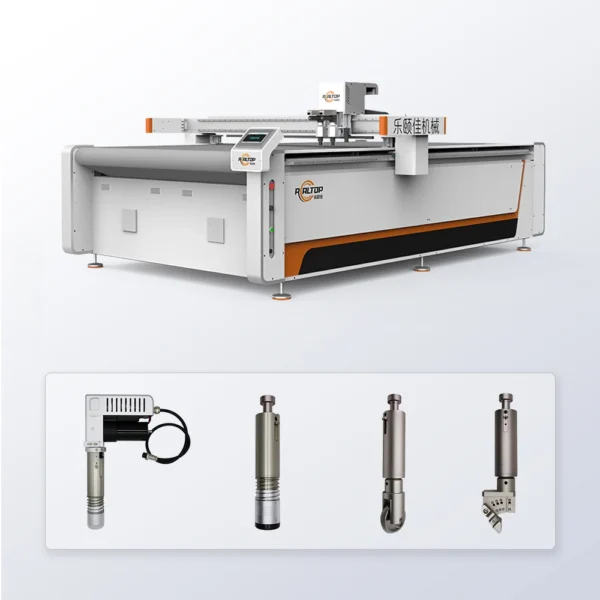
Tool Head Matched to Material — Every oscillating knife, creasing wheel and kiss cutting tool is specified against the buyer’s actual corrugated flute, foam density or board grade before the order is signed, not guessed from a catalog page.
Technical Specifications
| Parameter | Value |
|---|---|
| Product Type | CNC Flatbed Digital Cutting Table with Oscillating Knife |
| Working Area | 1600 × 2500 mm |
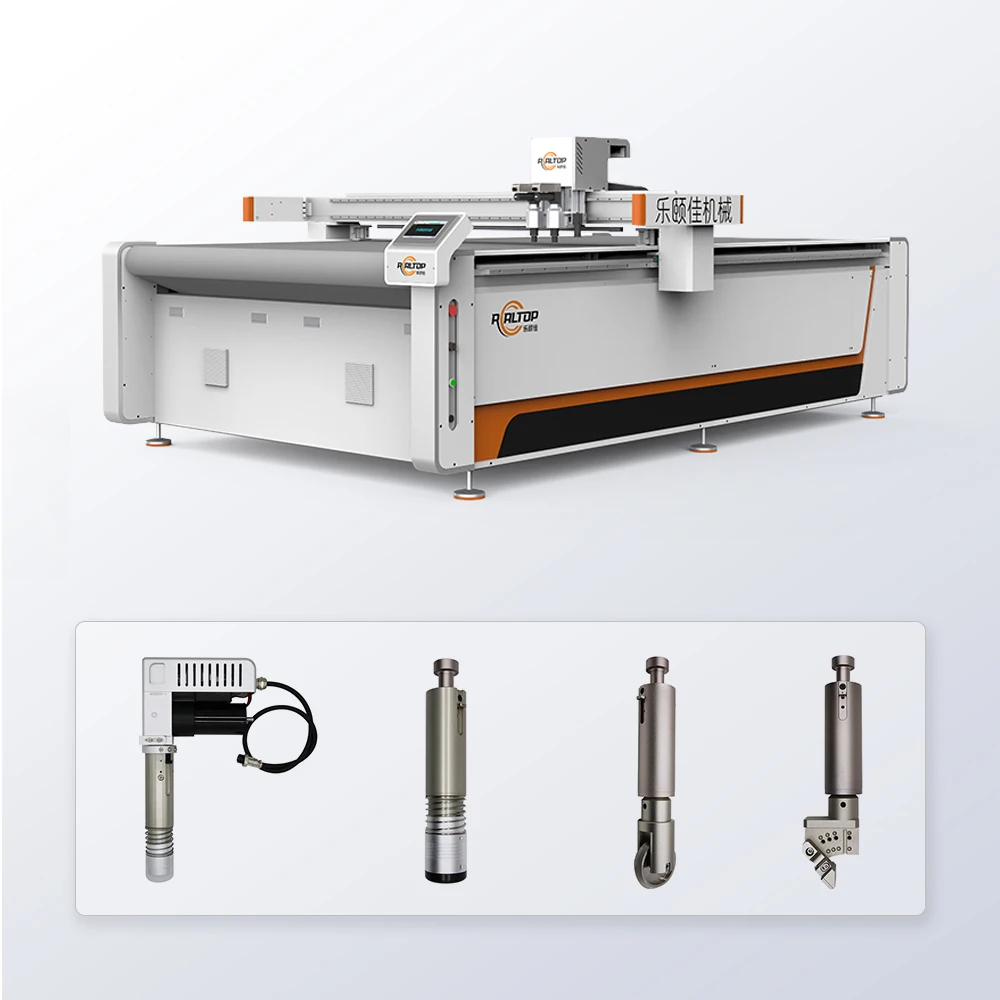
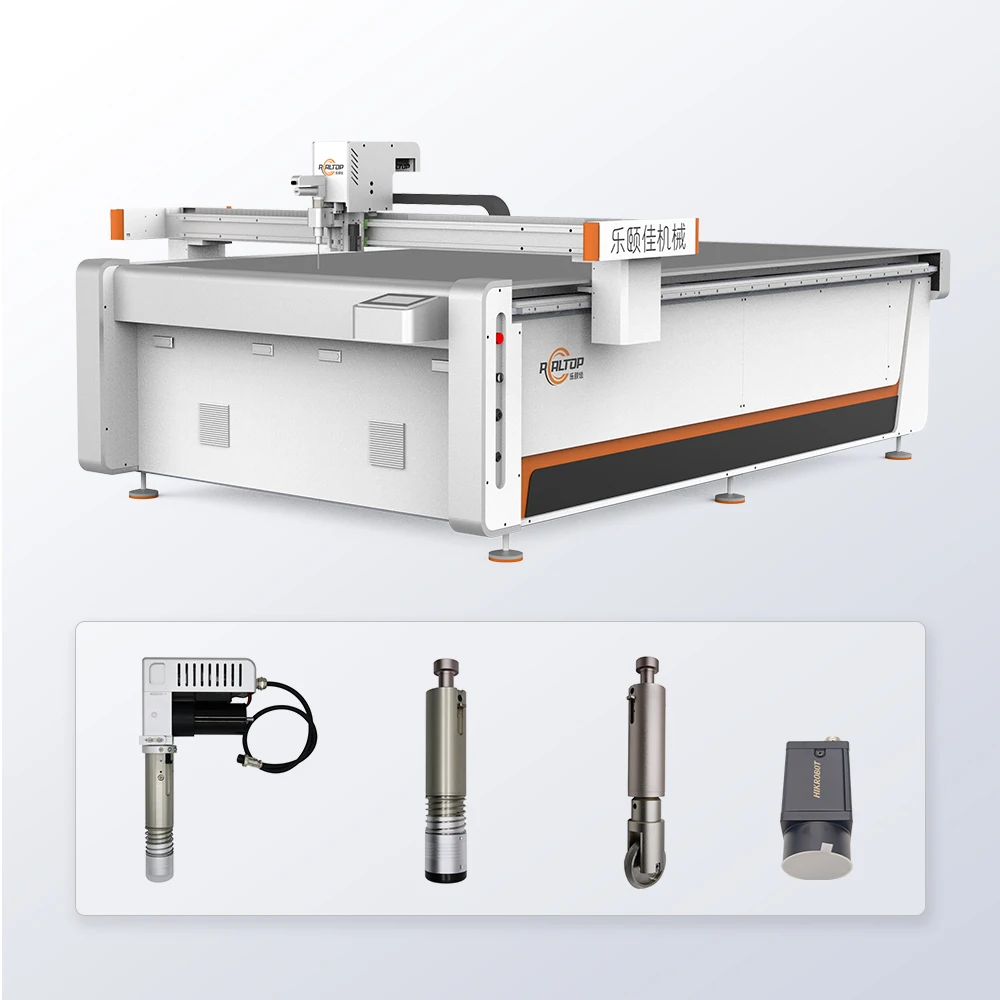
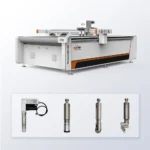
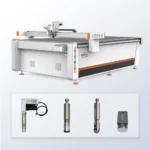
| Tool Head Options | Oscillating knife, Driven rotary knife, Creasing wheel, Kiss cutting tool, Pneumatic knife, Milling tool, V groove knife, CCD camera |
| Cutting Speed | 0 – 1500 mm/s |
| Cutting Thickness | ≤ 40 mm |
| Cutting Accuracy | ±0.1 mm |
| Vacuum Pump Power | 9 kW |
| Voltage Options | 110V / 220V / 380V |
| File Format Compatibility | PLT, DXF, AI, PDF |
| Control System | PLC control panel |
| Machine Dimensions (L×W×H) | 3300 × 2100 × 1350 mm |
| Safety Device | Infrared sensor and emergency stop |
| Software Language Options | English, Russian, Italian, Chinese (custom languages available) |
| Servo Motor Options | Panasonic, Delta, Dorna (source value — verify against manufacturer catalog) |
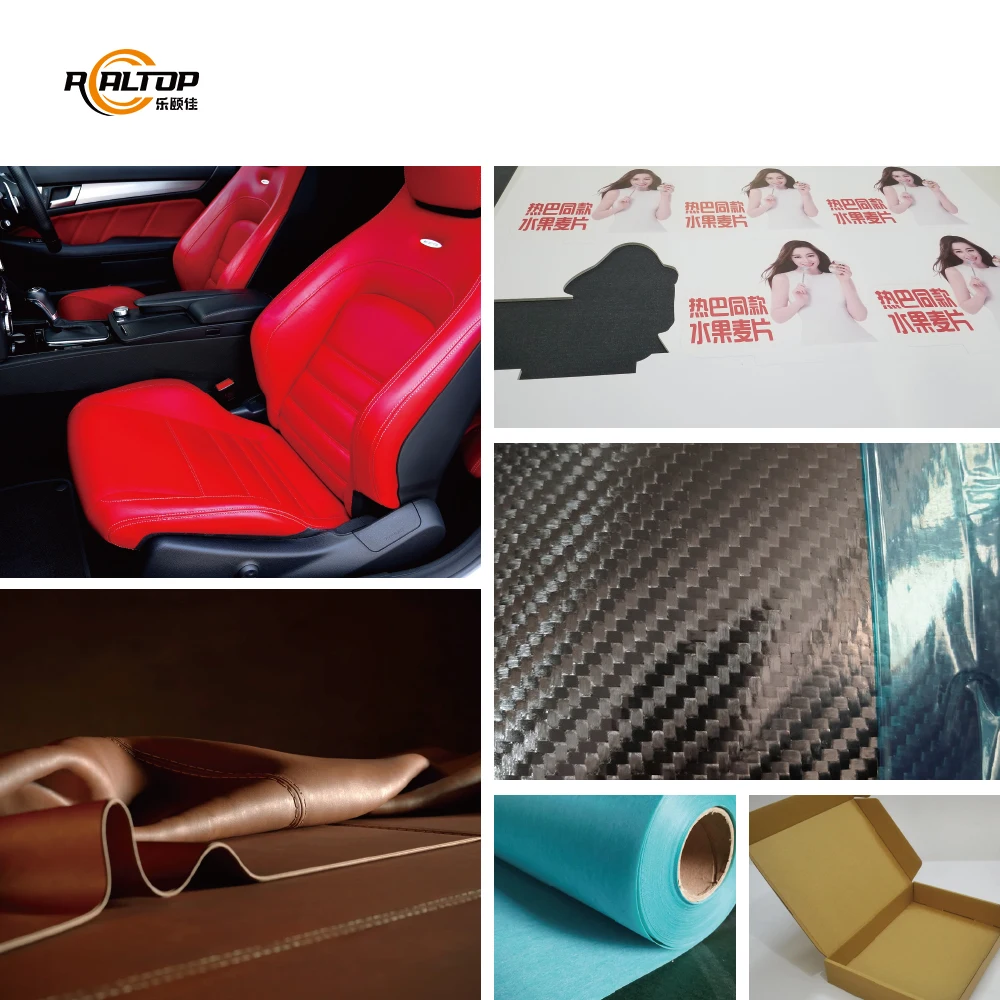
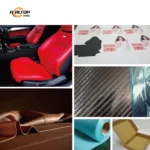
| Applicable Materials | Fabric, Cardboard, Carton, Mats, PVC, EVA, Leather, Acrylic, Foam, PTFE, Rubber |
| Standards | CE, ISO |
Application Suitability
| Application | Material or Output |
|---|---|
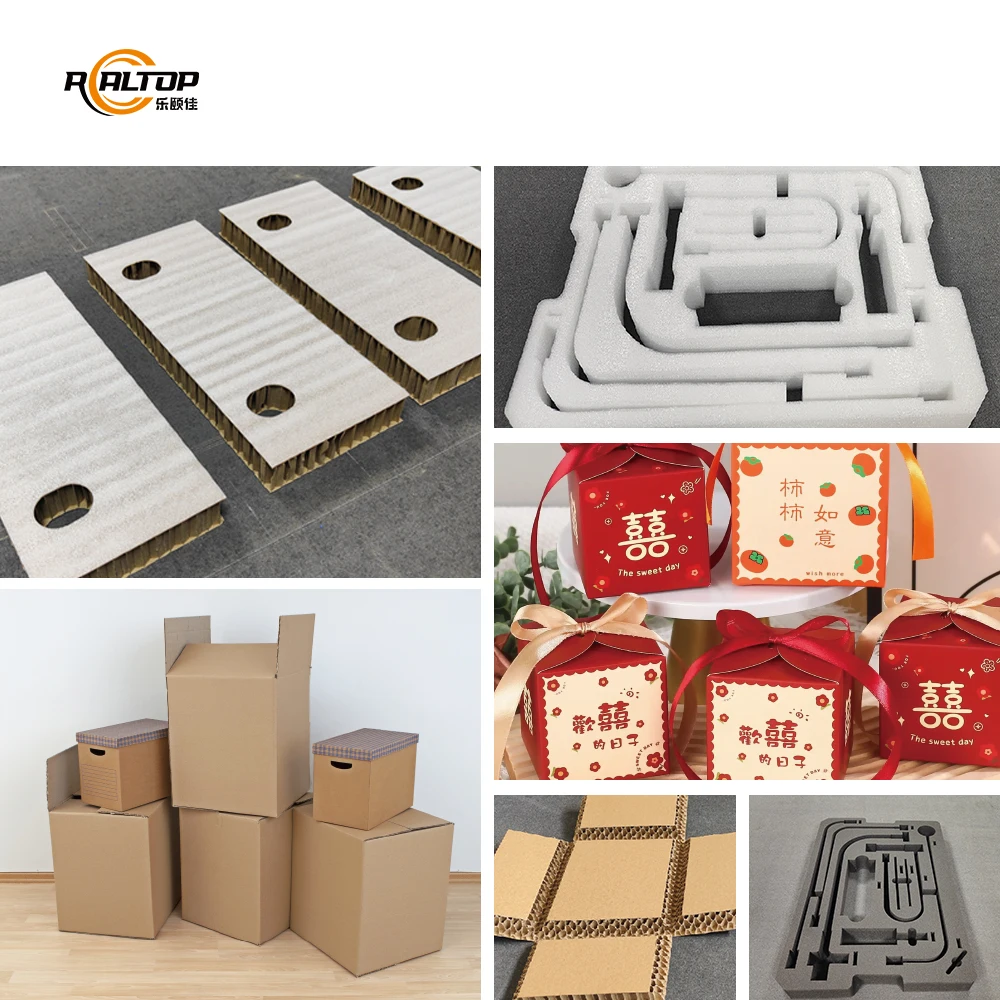
| Corrugated packaging prototyping | E-flute, B-flute, BC-flute single and double wall board |
| Greyboard and cardstock sample making | Greyboard, white cardstock, specialty coated paper |
| Foam insert fabrication | EVA, EPE, PU protective packaging foam |
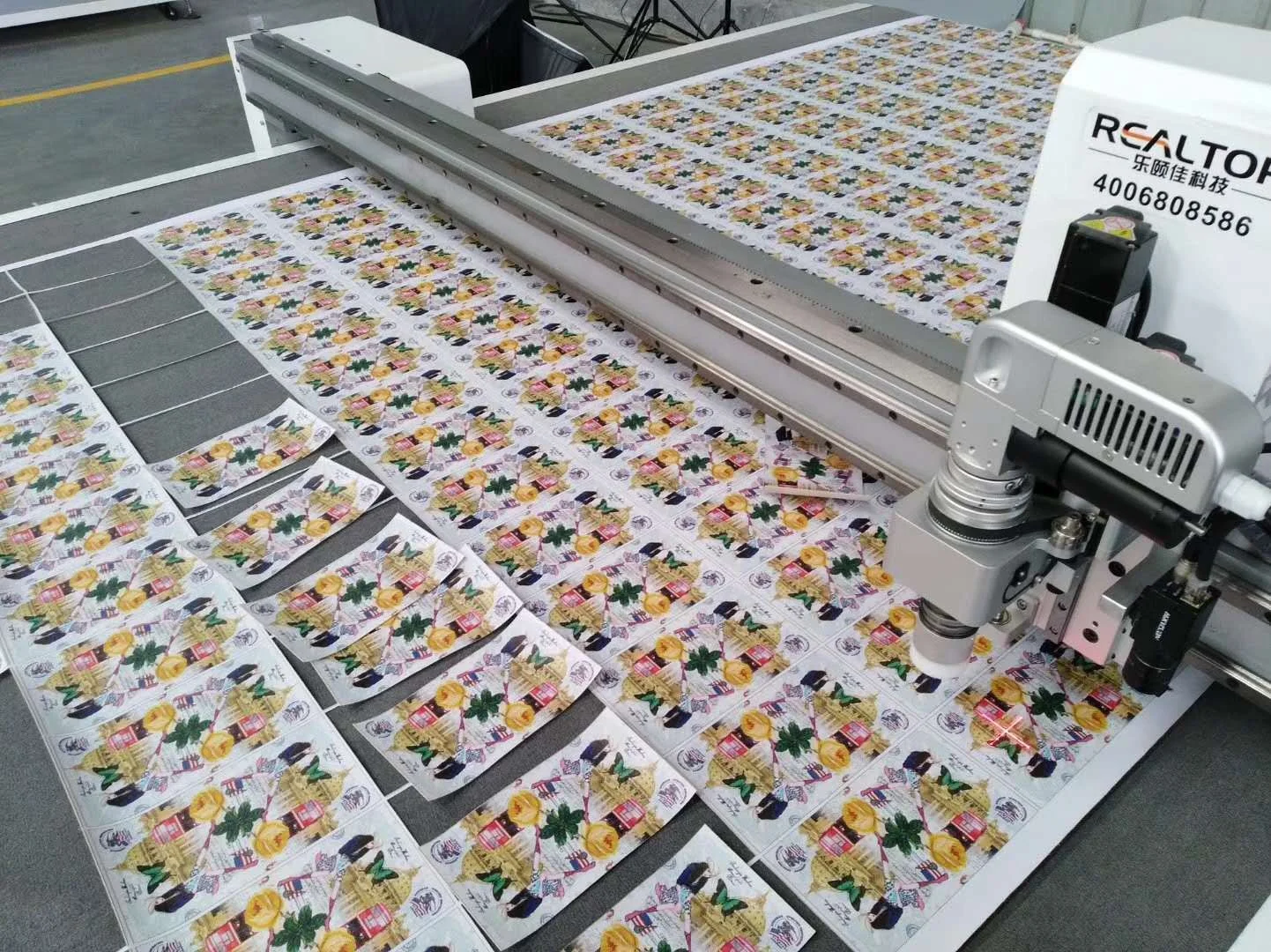
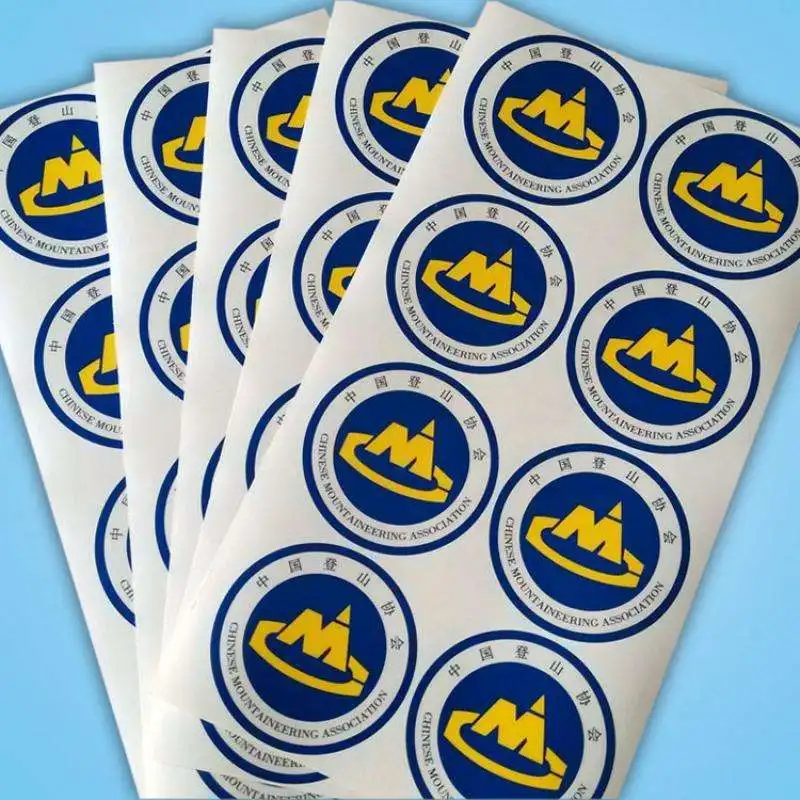
| Sticker and label kiss cutting | Printed vinyl, adhesive-backed paper stock |
| Thin plastic sheet cutting | PVC, PET sheets for packaging windows and blisters |
| Gasket and mat cutting | Rubber, non-woven fabric, PTFE for industrial packaging |
Why the Wrong Tool Head Wrecks a Packaging Run
The tool head must match the substrate before the machine is built, not after it arrives on your floor.
I remember an early job where a carton sample maker ordered a standard oscillating knife based on the greyboard thickness they quoted. When the machine landed, they ran BC-flute corrugated on it — the knife couldn’t punch through the double wall, and the drag mark scored the vacuum table surface. We flew out to swap the head, but the customer lost days of sample output. That is why a CNC oscillating knife cutting machine for packaging sample making needs its tool configuration locked against the buyer’s real material stack, including flute type, foam density and board caliper [NEED_CITE: packaging substrate variability across corrugated grades].
Matching the Head to the Flute and the Foam
A single oscillating knife does not handle every packaging substrate. For E-flute and B-flute corrugated, the standard oscillating knife delivers a clean shear through the liner and medium. Switch to BC-flute or thicker double wall, and the driven rotary knife or pneumatic knife takes over with more downforce and a different stroke geometry. For greyboard sample making, the creasing wheel scores the fold line without cutting through, while the V groove knife opens a channel for rigid box construction. Each head mounts to the same carriage, so one table covers the full sample room requirement.
CCD Contour Tracking on Pre-Printed Stock
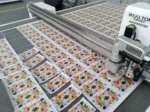
When packaging samples move from blank prototypes to short runs on pre-printed carton or sticker sheets, the CCD camera head locates printed registration marks and adjusts the cut path in real time. This matters for kiss cutting labels where the die line must follow the print, not the sheet edge. The camera pairs with the PLC control panel, and the file import chain from AI or PDF through to the nesting layout must be confirmed before the CNC oscillating knife cutting machine for packaging sample making leaves the factory [NEED_CITE: CCD registration accuracy on digitally printed packaging stock].
Reading the Spec Sheet Against Your Material Stack
The 1600 × 2500 mm working area fits a full-size packaging sample or nests multiple carton blanks in one layout. The 9 kW vacuum pump pulls through an aluminum bellows table to hold corrugated and foam flat without mechanical clamps that would mark the surface. Cutting thickness reaches 40 mm, which covers most EVA and EPE foam inserts, but the actual depth on a specific foam density needs verification — a 40 mm EVA block behaves differently from 40 mm EPE under the knife. File format compatibility across PLT, DXF, AI and PDF means the sample maker’s existing design software feeds the machine without an intermediate conversion step that can corrupt crease lines or perforation marks.
The Cost of Skipping the Sample Cut
Buyers who specify a flatbed cutter on working area alone, without testing their actual board grade and foam density, discover the problem mid-run. The knife leaves ragged edges on corrugated, or the creasing wheel crushes the flute instead of scoring a clean fold. On small sticker layouts, insufficient vacuum zoning lets the sheet lift at the edges, shifting the kiss cut off register. Every one of these failures traces back to a configuration that was guessed rather than proven on the buyer’s own material before the purchase order was signed [NEED_CITE: flatbed cutting defects from incorrect tool and vacuum configuration].
Why Procurement Starts with the Material Sample
In-house design covers both knife tooling and table engineering, so the cutting method is matched to the substrate rather than forcing one head across every material. Tool head and vacuum zoning are specified per material and production volume, not sold as a default package. CCD camera positioning is validated on the buyer’s printed stock, not assumed from a demo file. Software compatibility with the buyer’s existing PLT, DXF, AI or PDF workflow is confirmed before the order, so there is no surprise when the first file loads. Sample cutting on the buyer’s own corrugated, greyboard or foam is standard before commitment — the cut report travels with the quotation.
Documentation & Verification
- Tool head and table configuration list naming which head is supplied for each packaging material
- Sample cutting report on buyer’s own corrugated flute type, greyboard grade and foam density
- Electrical schematic with confirmed voltage, plug type and phase for the destination market
- Software licence and file format compatibility note covering PLT, DXF, AI and PDF import
- Factory test record on buyer-specified material before dispatch
- CE declaration documentation where applicable for the destination market
Installation, Commissioning & Support
- 3300 × 2100 mm footprint requires level floor with clearance for sheet loading on the long side
- 9 kW vacuum pump needs a dedicated circuit matching the confirmed 110V, 220V or 380V supply
- Machine ships with tool heads pre-calibrated; on-site assembly covers gantry alignment and vacuum check
- First-run commissioning includes test cuts on buyer’s corrugated and foam to verify depth and edge quality
- PLC control panel language set to confirmed option — English, Russian, Italian, Chinese or custom
- Spare oscillating knife blades, creasing wheels and vacuum table seals included in initial parts kit
What We Need from You to Quote Correctly
Send us the specific materials you cut — corrugated flute type, greyboard caliper, foam density and thickness — along with your largest sheet size and typical daily sample volume. Confirm the voltage and frequency at your facility, the plug type required, and the control language your operators need. If you run an existing nesting or design workflow, share a sample file so we can verify the PLT, DXF, AI or PDF import chain before the CNC oscillating knife cutting machine for packaging sample making is configured for your shop.
Frequently Asked Questions
Q: How do I select the correct tool head for my corrugated flute type and foam thickness?
A: We test your actual material before configuration is finalized. E-flute and B-flute typically run on the standard oscillating knife, while BC-flute and double wall need the driven rotary or pneumatic knife for sufficient downforce. Foam inserts are evaluated by density and thickness — the knife stroke and blade angle are then matched to produce a clean edge without crushing the cell structure.
Q: What cutting thickness is achievable on each packaging material, and how is it verified?
A: The table is rated up to 40 mm, but real cutting depth depends on material density and structure. A 40 mm EVA block cuts differently from 40 mm EPE or BC-flute corrugated. We run your specific material on the sample table and document the achieved depth, edge quality and cycle result in a cutting report that accompanies the quotation.
Q: Which voltage and control language options are available for my market?
A: The system is configurable for 110V, 220V or 380V supply, and the PLC control panel supports English, Russian, Italian and Chinese as standard, with custom languages available. Voltage, plug type and language are confirmed in writing before production so the machine arrives ready for your electrical supply and operators.
Q: Can the software import my existing carton design files and nesting workflow?
A: The system accepts PLT, DXF, AI and PDF file formats. Before the order is confirmed, we run your sample design files through the full import and nesting chain to verify that crease lines, perforation marks and cut paths transfer correctly without data loss or geometry distortion.
Q: Is sample cutting on my own material available before I commit to the order?
A: Yes. We require buyers to send representative samples of their corrugated board, greyboard, foam and any other substrates. The sample cutting report documents tool head selection, cutting depth, edge quality and vacuum hold-down performance on your exact material, and this report ships with the formal quotation.


商品评价
Clear filtersThere are no reviews yet.