


Fast Shipping
Carrier information

20k products
Payment methods

24/7 Support
Unlimited help desk

2-day Delivery
Track or off orders
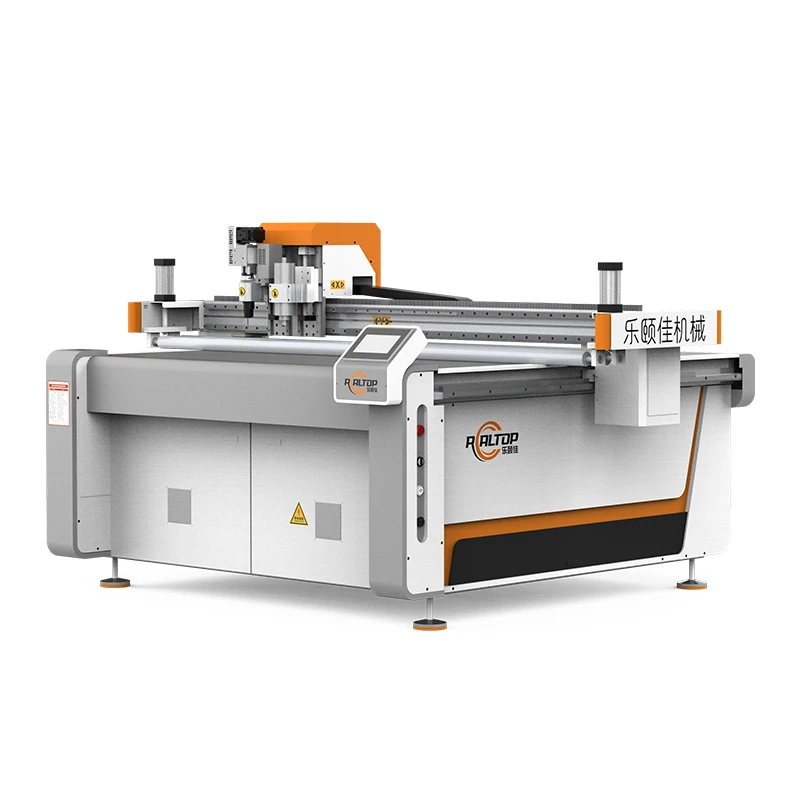
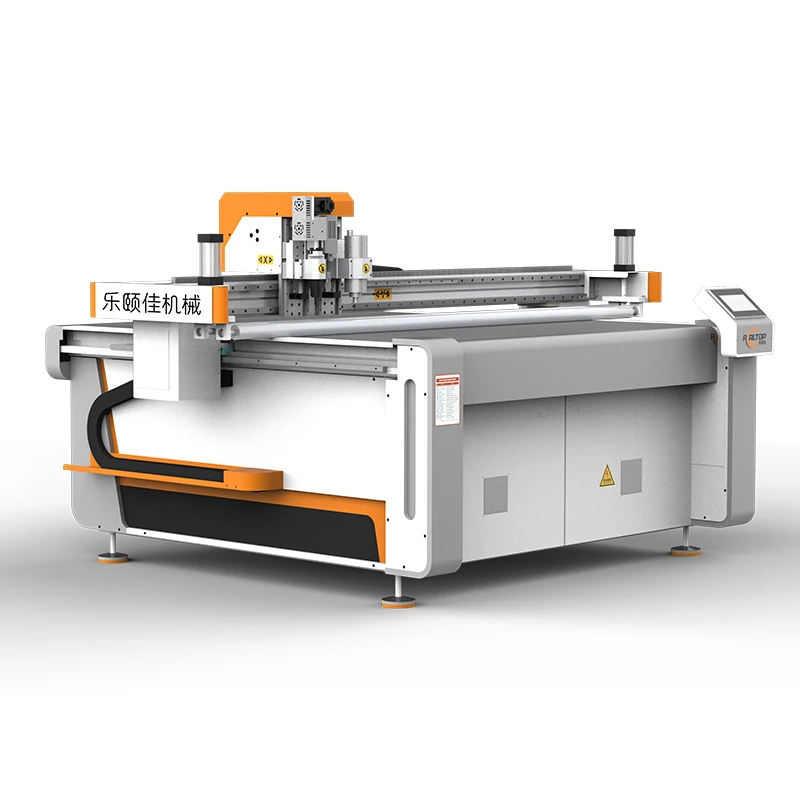
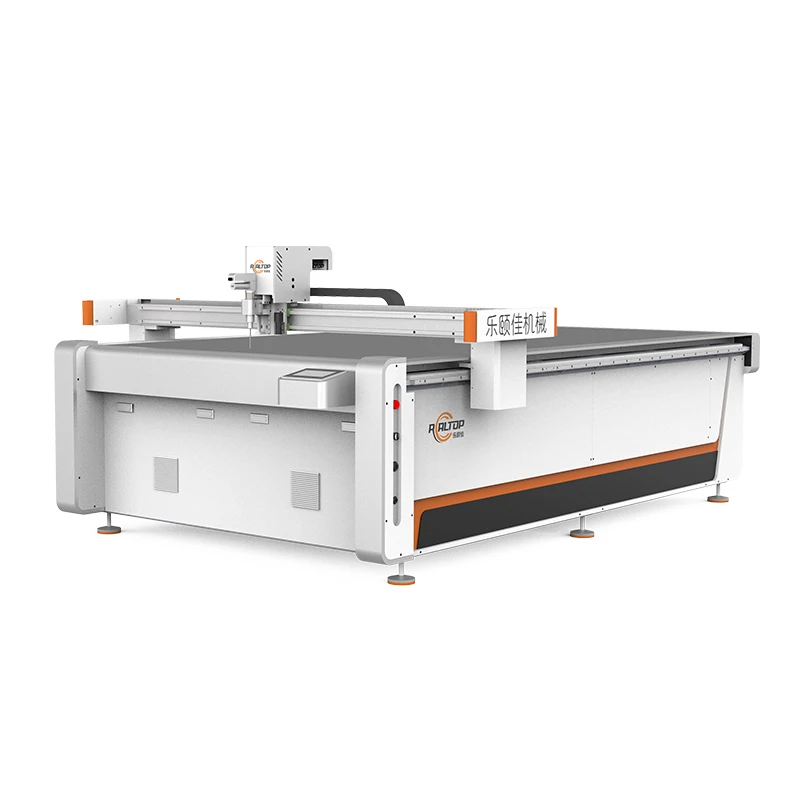
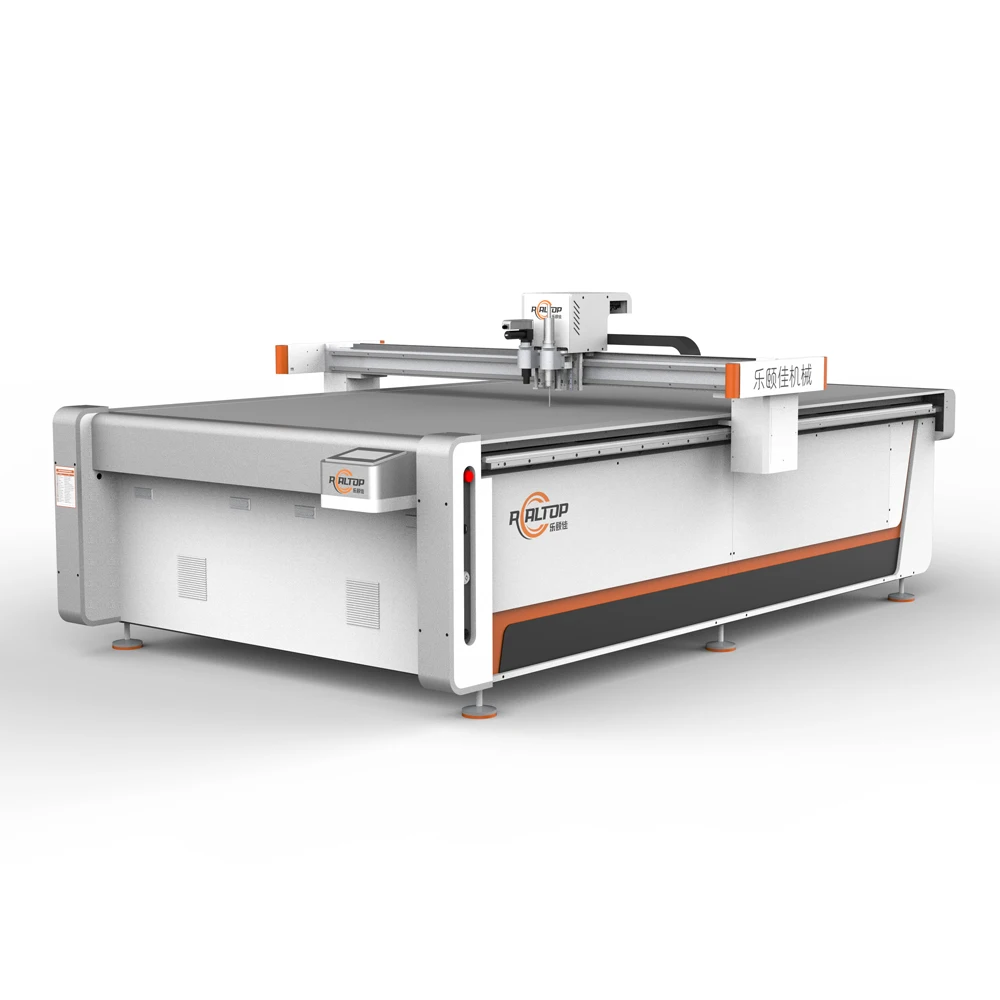
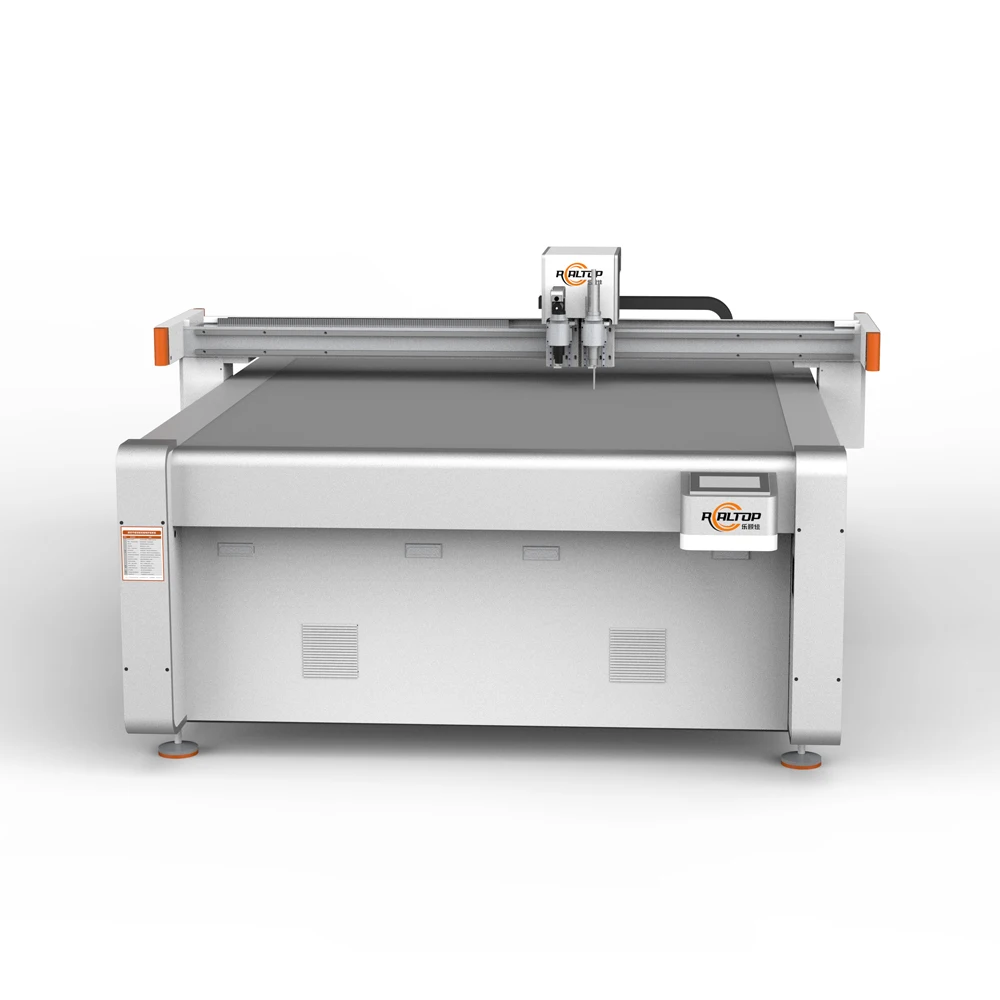
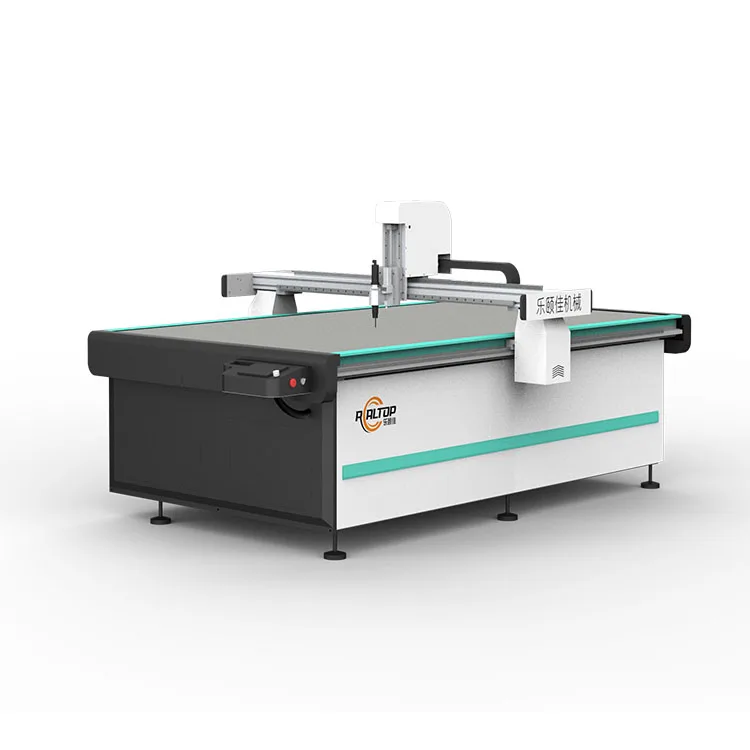
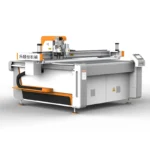
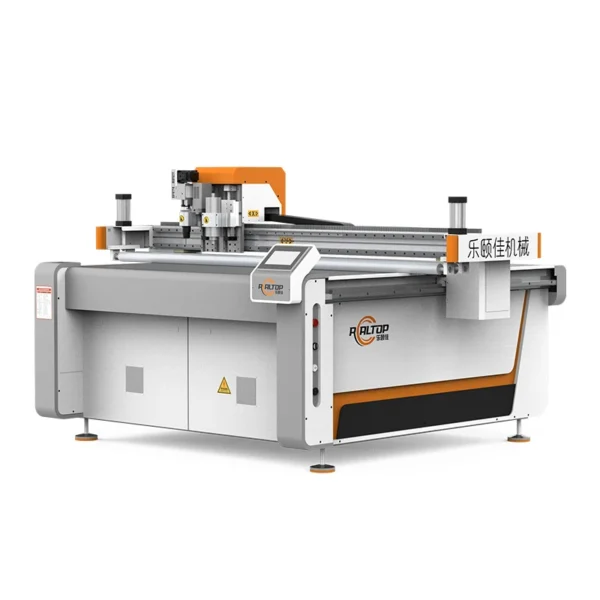
Tool Head Flexibility — The RT-D2516/RT-S2516 platform supports Swiss oscillating knife, drag knife, creasing wheel, and punch options, allowing composite fabricators to match the cutting tool to the specific material behavior rather than forcing a single method across different jobs.
Technical Specifications
| Parameter | Value |
|---|---|
| Model | RT-D2516/RT-S2516 |
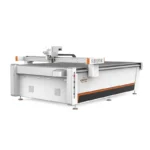
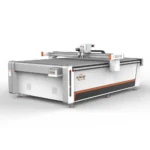
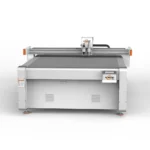
| Product Type | CNC Flatbed Digital Cutting Table |
| Working Area | 1600×2500 mm |
| Machine Dimensions (L×W×H) | 3450×2300×1250 mm |
| Rated Power | 9 kW |
| Voltage | 380V ±10% |
| Frequency | 50/60 Hz (to be confirmed) |
| Control System | CNC (HP-GL format compatible) |
| Positioning System | CCD camera mark point / panoramic camera / projection positioning (optional) |
| Tool Head Options | Swiss oscillating knife, pneumatic knife, high-power vibrating knife, circular knife, V-cutting knife, drag knife, creasing wheel, dotted line knife, punch, brush |
| Translational Velocity | 800–2000 mm/s |
| Cutting Speed | 200–800 mm/s (material dependent) |
| Cutting Thickness | ≤100 mm (material dependent) |
| Repeatability | ≤0.1 mm |
| Transmission System | Delta or Panasonic IP67 servo motor, Taiwan Hiwin linear guide, synchronous belt, ball screw |
| Vacuum Table | Magnesium-aluminum alloy, PVDF powder coating, anodic and hard oxidation treatment |
| Vacuum Pump | 7.5 kW, aviation aluminum shell, built-in silencer sponge |
| Feeding System | Auto feeding with Germany imported conveyor belt |
| Safety Devices | Infrared induction blocking, anti-collision sensors, emergency stop with in-situ resume |
| Net Weight | Not stated in source |
| Assembly State | To be confirmed |
| Warranty | 1 year (free parts; buyer covers shipping and travel for on-site service) |
Application Suitability
| Application | Material or Output |
|---|---|
| Composite panel cutting | Carbon fiber prepreg, acoustic panels, gasket materials |
| Automotive interior trimming | Leather, synthetic upholstery, foam-backed composites |
| Footwear and leather goods | Natural leather, PU, sponge composite, textile uppers |
| Garment fabric processing | Woven and knit fabric, technical textiles, multi-layer layups |
| Packaging sample making | Corrugated board, folding carton stock, foam inserts |
| Flexible industrial materials | PVC, soft glass, silicone, rubber sheeting |
Why Material Thickness Demands a Conversation Before the Purchase Order
Matching the CNC oscillating knife cutting machine specifications to your actual material stack prevents the most common post-delivery failure: a machine that runs out of cutting depth on the production floor.
I once watched a carbon fiber prepreg job stall because the buyer specified a cutting table based on working area alone. The material was within the nominal thickness range, but the layered prepreg compressed under the knife and then rebounded, leaving partial cuts across the entire sheet. The oscillating knife had the stroke length, but the vacuum hold-down was not zoned for the smaller nesting layout, and the material shifted mid-cycle. Sorting that out on-site cost the buyer two weeks of production time. This is why discussing the CNC oscillating knife cutting machine specifications against your real material samples should happen before — not after — the order is placed. [NEED_CITE: vacuum zoning standards for CNC flatbed cutting tables]
Tool Head Selection by Composite Material Behavior
Carbon fiber prepreg cuts differently from acoustic foam, and both differ from dense rubber gasket stock. The RT-D2516/RT-S2516 carries a Swiss imported oscillating knife that delivers full-cut and half-cut modes, which matters when you are cutting through a layered composite without fraying the fiber edges. For softer materials like sponge composite leather, the high-power vibrating knife handles the compressibility, while the drag knife works better on single-ply vinyl or thin PVC where edge sealing is not required. The creasing wheel and punch round out the options for packaging sample work, so a single platform covers the tool head transitions that would otherwise require a second machine.
Vacuum Table Engineering for Composite and Small-Part Nesting
The magnesium-aluminum alloy table with PVDF fluorocarbon powder coating and hard oxidation treatment provides a flat, chemically resistant surface that handles resin dust and composite debris without pitting. The 7.5 kW vacuum pump with its integrated silencer sponge maintains consistent suction across the 1600×2500 mm working area. For small-part nesting — which is common in gasket and automotive interior cutting — the zoning configuration must be confirmed before shipment so that vacuum is concentrated under the actual part footprint rather than spread across the entire table. Without proper zoning, small composite parts lift during the final cut pass and produce ragged edges or tool deflection. [NEED_CITE: vacuum hold-down requirements for small-part CNC cutting]
How Servo and Guide Selection Affects Repeatability on Composites
The Delta or Panasonic IP67 servo motors with real-time automatic gain adjustment and vibration suppression drive the cutting head along Taiwan Hiwin linear guides. This combination delivers ≤0.1 mm repeatability, which matters directly when cutting preprinted composite layups where the contour must align with the printed registration mark. At translational velocities up to 2000 mm/s, any servo oscillation or guide play shows up as micro-stepping on curved cuts. For carbon fiber prepreg where fiber direction must be respected, maintaining positional accuracy through curves is what separates acceptable edge quality from delamination. The IP67 rating also means the motors tolerate the resin dust and moisture common in composite prep rooms without premature bearing failure.
Selecting the Wrong Configuration and Its Downstream Cost
Choosing a generic tool head for a specialized composite creates problems that appear only after production starts. A drag knife on multi-layer carbon fiber prepreg produces frayed edges that require manual trimming, adding labor to every part. An undersized vacuum pump means small gasket parts lift and shift, causing scrap rates to climb and forcing the operator to reduce cutting speed to compensate. CCD positioning that was not tested on the buyer’s actual printed material may fail to track marks at production speed, turning an automated contour job into a manual alignment task. These configuration mismatches are the reason sample cutting on the buyer’s own material before order confirmation is a non-negotiable step. [NEED_CITE: tool head and material compatibility in CNC digital cutting]
What the Manufacturer Brings to This Specific Machine
The RT-D2516/RT-S2516 is designed and built in-house, covering both knife cutting technologies on a single platform. This means the tool head and table configuration are specified per material and production volume rather than offered as a fixed package. CCD camera positioning, panoramic recognition, and projection positioning are available as options, confirmed against the buyer’s actual printed material before the machine ships. Voltage and control language customization is handled during the order process — the 380V ±10% system is verified against the target market’s electrical standard. Sample cutting on the buyer’s own composite or flexible material is completed before commitment, with a written report documenting edge quality, cutting depth, and speed.
Documentation & Verification
- Machine specification sheet with confirmed tool head and table configuration for your material
- Electrical schematic with voltage and frequency matched to your facility supply
- Sample cutting report on your composite or flexible material before order confirmation
- Software licence with HP-GL file format compatibility note for your nesting workflow
- Factory test record documenting cutting accuracy and vacuum performance before dispatch
- Operation and maintenance manual with spare parts list specific to your configuration
Installation, Commissioning & Support
- 3450×2300 mm machine footprint requires level concrete floor with clearance for auto-feeding conveyor
- 380V ±10% three-phase supply with dedicated 9 kW circuit and confirmed frequency
- Assembly state confirmed before shipment to match your facility access and rigging capability
- First-run parameter tuning on your material for oscillating knife stroke, vacuum zoning, and feed speed
- Operator training covering tool head changeover, CCD positioning calibration, and nesting workflow
- Spare parts list matching your tool head configuration with recommended reorder intervals
What to Prepare Before Requesting a Quote
Send a representative sample of your composite or flexible material — type, thickness, and the largest sheet size you run. Include your daily cutting volume and the nesting layout you currently use. Specify your facility voltage, frequency, and the language your operators need on the control panel. If you are running printed contour work, provide a sample with the registration marks so CCD tracking can be verified at production speed before the machine is built.
Frequently Asked Questions
Q: How do I confirm the cutting thickness will handle my specific composite material?
A: The ≤100 mm rating varies with material density and layer structure. Send a sample of your actual carbon fiber prepreg or acoustic panel so a cutting test can verify depth, edge quality, and speed. The sample report documents the results before you commit to an order.
Q: Which tool head should I choose for my composite and flexible materials?
A: The Swiss oscillating knife handles carbon fiber prepreg and layered composites with full-cut and half-cut modes. The drag knife suits thin PVC and vinyl, while the high-power vibrating knife works on compressible foam. Tool head selection is confirmed during the sample cutting stage.
Q: Can the CCD positioning track printed marks on my material at production speed?
A: CCD mark-point positioning, panoramic camera recognition, and projection positioning are available options. The correct system depends on your mark size, contrast, and material surface. Testing on your actual printed material verifies tracking reliability before the machine is finalized.
Q: How are voltage, plug type, and control language confirmed before shipment?
A: The 380V ±10% system is specified at order. Your facility voltage, frequency (50 or 60 Hz), plug standard, and preferred control panel language are documented in the electrical schematic and confirmed before production begins.
Q: Will the software integrate with my existing nesting and CAD workflow?
A: The control system supports HP-GL format. Your file format and nesting software are reviewed during the order process to confirm compatibility. A software licence and file format note are included with the machine documentation.


商品评价
Clear filtersThere are no reviews yet.