

Fast Shipping
Carrier information

20k products
Payment methods

24/7 Support
Unlimited help desk

2-day Delivery
Track or off orders
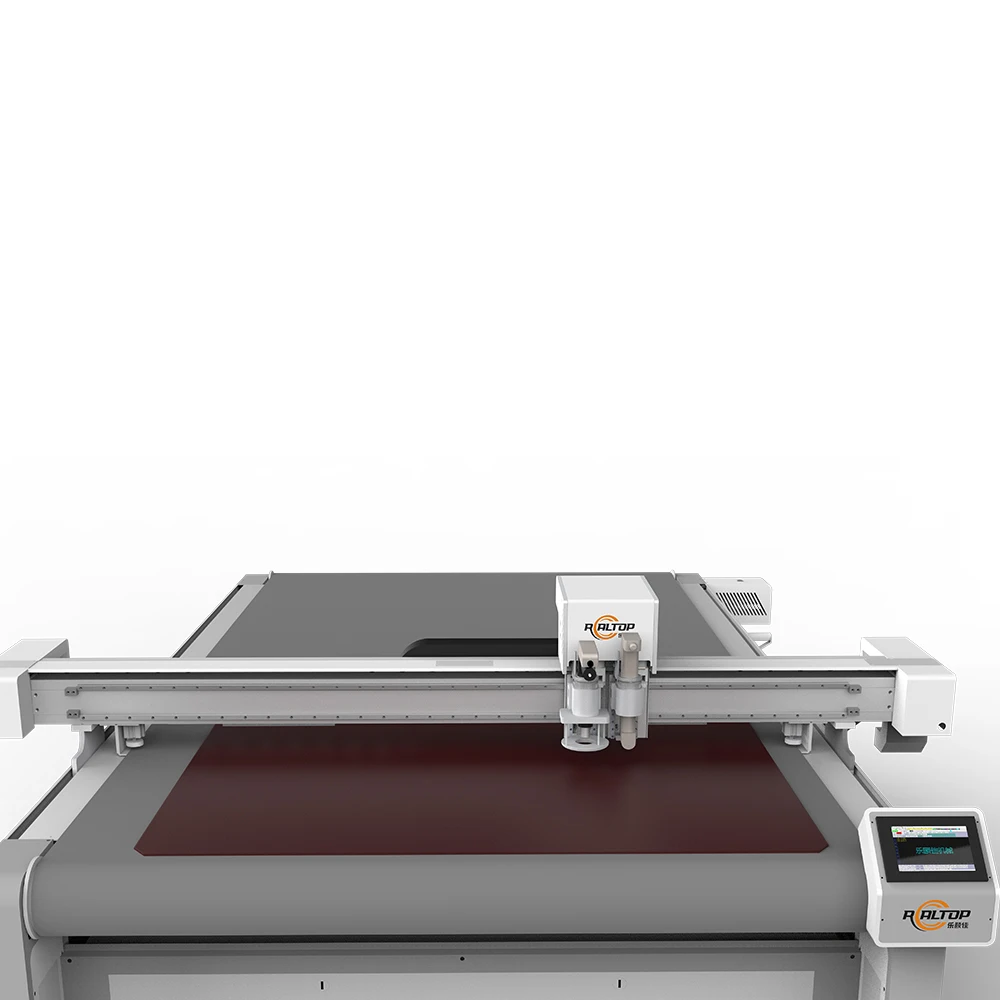
Tool Head Flexibility — in-house design allows oscillating, rotary, and pneumatic knife options to be matched precisely to fabric density and ply count rather than forcing a single cutting method across all materials.
Technical Specifications
| Parameter | Value |
|---|---|
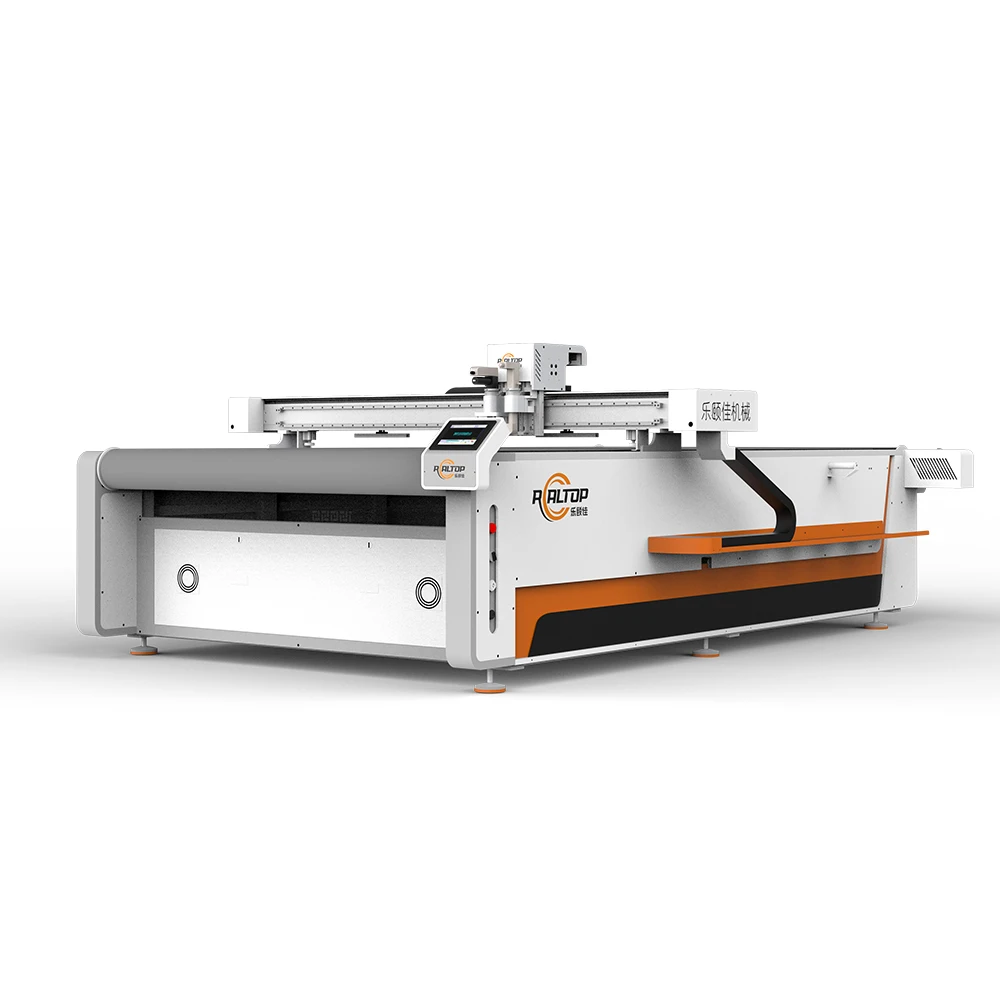
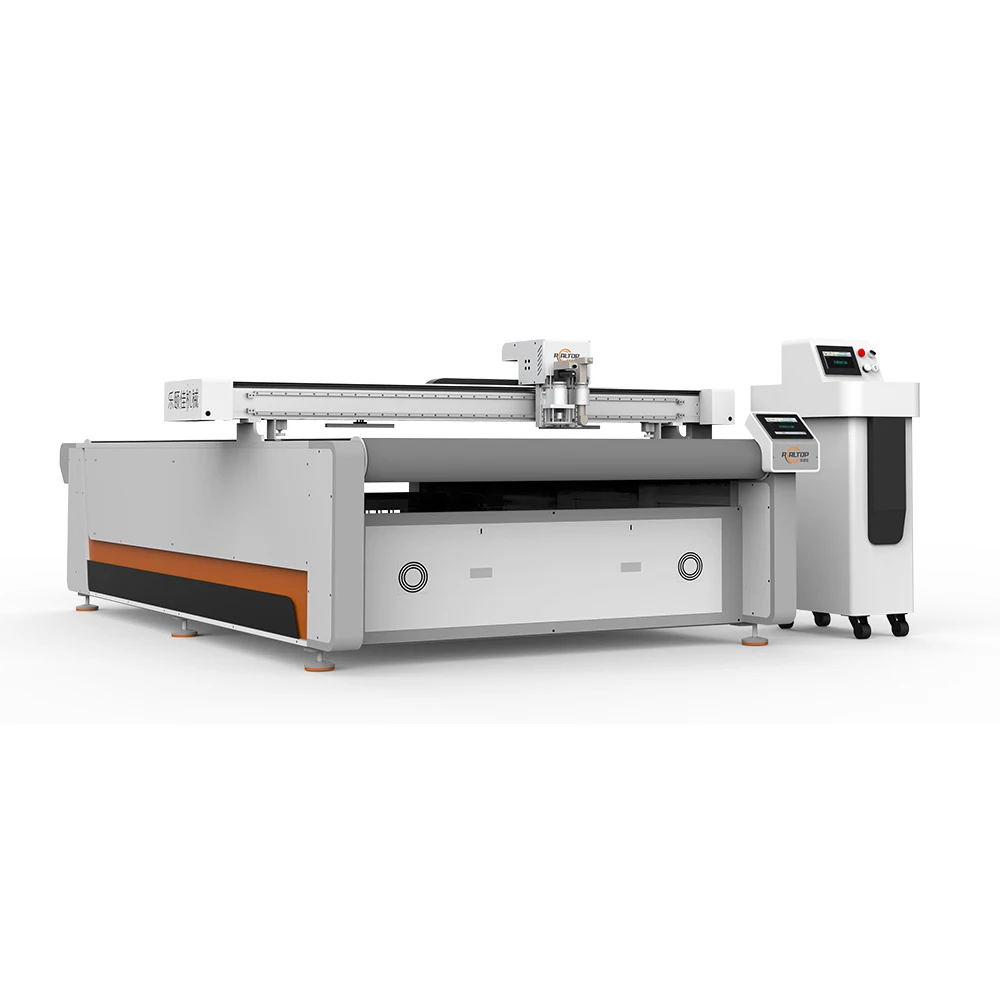
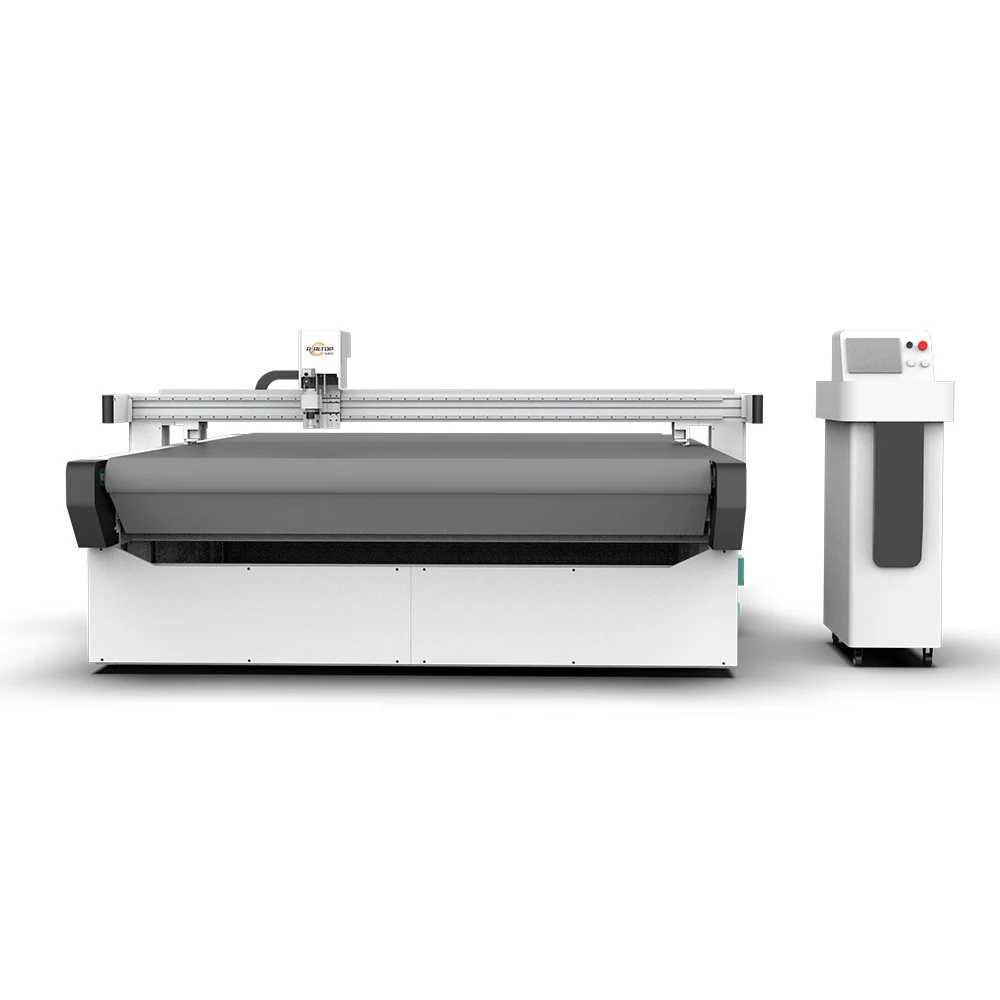
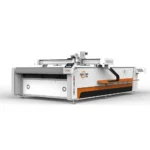
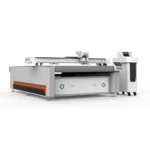
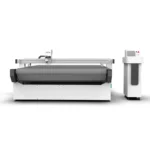
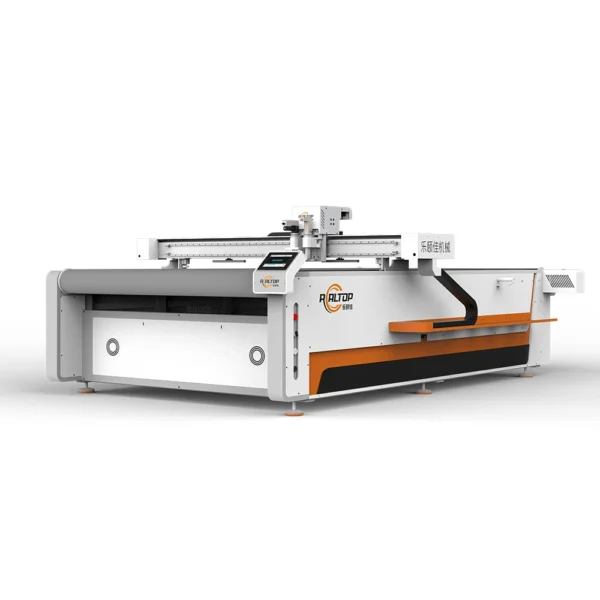
| Product Type | CNC Oscillating Knife Cutting Machine |
| Working Area | 1600×2500 mm |
| Cutting Speed | 0–2000 mm/s |
| Cutting Thickness | ≤30 mm (basis not stated in source — confirm material type, density, and multi-layer condition) |
| Cutting Accuracy | ±0.1 mm |
| Repeat Positioning Accuracy | ±0.1 mm |
| Tool Head Options | Oscillating knife, Driven rotary knife, Creasing wheel, Kiss cutting tool, Pneumatic knife, Milling tool, V-groove knife |
| Vacuum Pump | 9 kW |
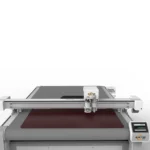
| Vacuum Table | Aluminum bellows vacuum table |
| Drive System | Servo motors (Panasonic, Delta, Dorna options) |
| Control System | PLC control panel with optional display languages |
| Software File Formats | PLT, DXF, AI, PDF |
| Voltage Options | 110V / 220V / 380V |
| Safety Devices | Infrared sensor device and emergency stop device |
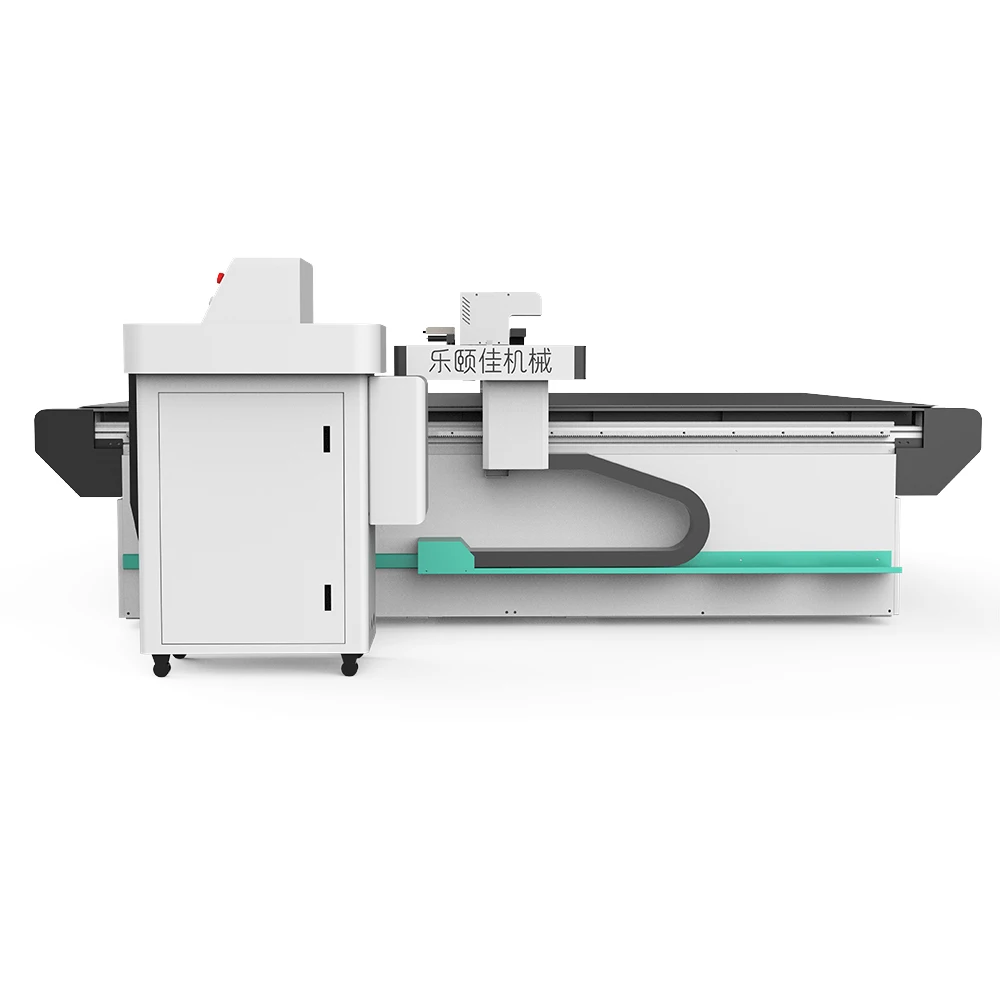
| Machine Size (L×W×H) | 3300×2100×1350 mm |
| Nesting System | Intelligent nesting for defect avoidance and layout optimization |
| Language Options | English, Russian, Italian, Chinese (custom languages available) |
| Certification | CE |
Application Suitability
| Application | Material or Output |
|---|---|
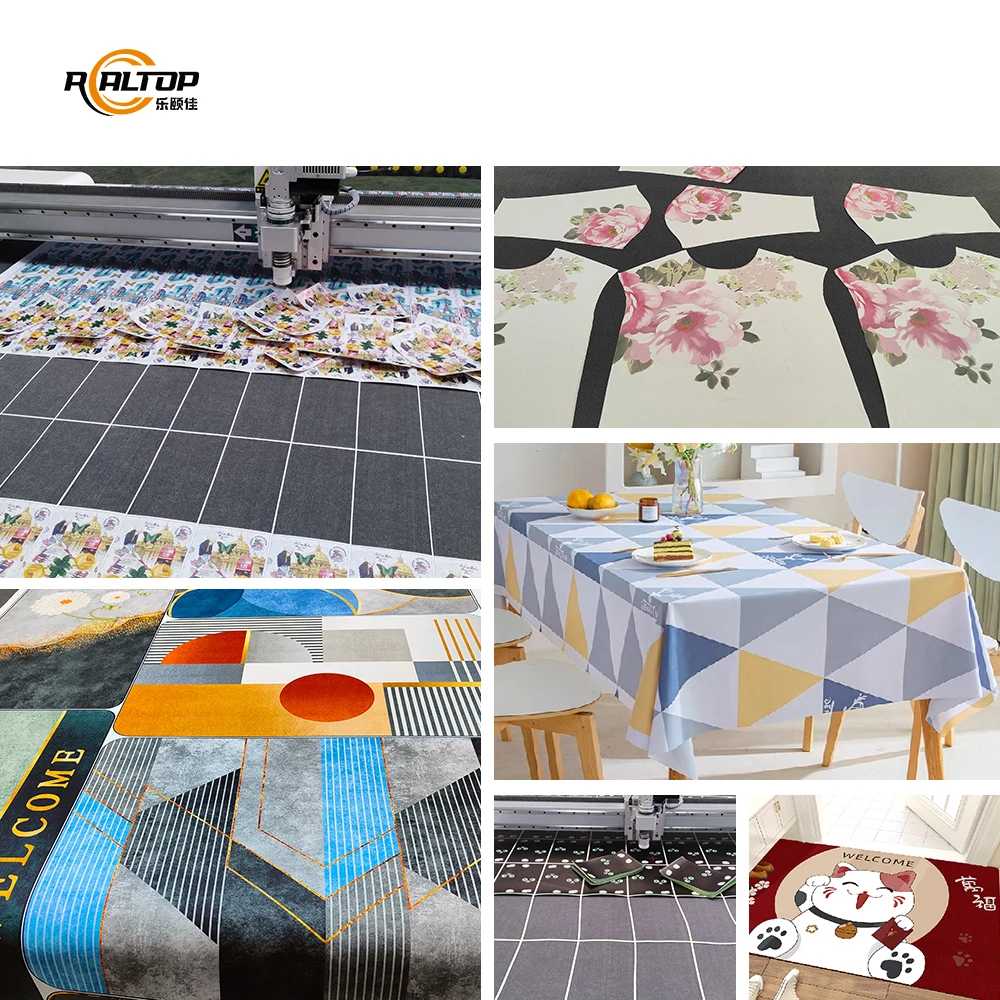
| Apparel manufacturing | Suits, knitwear, lace, complex woven and pattern-matched fabrics |
| Automotive interiors | Seat fabrics, carpets, PVC mats cut to burr-free standards |
| Home textiles | Sofa fabrics, curtains, rugs in single or multi-layer layups |
| Composite processing | Carbon fiber prepreg, aramid, specialty materials without delamination |
| Flexible material converting | Knits, wovens, plush, leather, foam, PVC, EVA, cardboard, PTFE, rubber across 30+ material types |
Why "Cutting Thickness ≤30 mm" Is Not the Full Story
Actual cutting depth depends entirely on material density, ply count, and tool head selection — not a single published number.
When I installed a fabric cutting line in a Pakistani garment factory, the trial used standard cotton and the machine performed perfectly. The customer then switched to a coated waterproof textile and the blade resistance changed completely — parameters had to be rebuilt from scratch and production lost three days [NEED_CITE: material-specific cutting resistance and tool wear rates in technical textiles]. Buyers who specify a CNC oscillating knife cutting machine based on working area and maximum thickness alone often discover that real cutting capacity varies widely across different fabric weights and layer counts. The question to ask is not how thick the machine can cut, but what it can do with your specific material at your required daily volume.
Tool Head Selection Determines Edge Quality More Than Speed
Choosing the correct tool head is where most fabric cutting installations succeed or fail. The oscillating knife handles general woven and knit fabrics with a clean vertical stroke, while the driven rotary knife suits continuous long cuts on lightweight materials without fraying at the edges. Pneumatic knife options manage thicker, denser layups such as carpet and foam [NEED_CITE: tool head selection criteria for flexible material cutting]. Each head produces a different edge finish, and swapping heads for different jobs is standard practice on the production floor.
Vacuum Zoning and Small Part Stability
The 9 kW pump paired with the aluminum bellows vacuum table generates full-surface adsorption across the 1600×2500 mm working area. When cutting small pattern pieces — collar stays, pocket flaps, gussets — inadequate vacuum zoning causes material lift mid-cut and produces dimensional errors that only surface during sewing. Zone configuration should be mapped to the buyer’s typical piece size distribution so that suction concentrates where parts are smallest and most prone to movement.
Reading the Specifications Against Real Production Needs
The ±0.1 mm repeat positioning accuracy matters most in pattern-matched apparel work, where stripe and plaid alignment across panels must hold through an entire marker. Servo motor selection — Panasonic, Delta, or Dorna — affects response characteristics under varying material loads, and buyers should confirm which drive is fitted before shipment. Intelligent nesting software optimizes layout to maximize fabric yield and includes defect avoidance, which is essential when cutting expensive technical textiles or natural hides where flaws waste material. The PLC control panel accepts PLT, DXF, AI, and PDF file formats, but compatibility with the buyer’s existing nesting workflow should be verified before the order is placed [NEED_CITE: software interoperability standards in CNC textile cutting].
What Wrong Configuration Costs on the Shop Floor
A machine with the wrong vacuum zoning wastes material through lift-induced miscuts on small garment pieces, and operators end up taping fabric to the table as a workaround. Incorrect tool head selection produces ragged edges that require secondary trimming or cause rejected panels downstream. When voltage and plug type are not confirmed before shipment, the machine sits idle while adapters or transformers are sourced locally — and control panel language mismatches force experienced technicians to navigate unfamiliar interfaces [NEED_CITE: electrical compatibility issues in exported industrial machinery].
Why Source This Machine Through This Build Approach
In-house design covers both oscillating knife and drag knife cutting technologies within the same platform, so buyers match the cutting method to the material rather than forcing one approach. Tool head and table configuration are specified per material type and production volume before the order enters manufacturing. Sample cutting on the buyer’s own fabric confirms edge quality and achievable thickness before commitment. Software file format compatibility is verified against the buyer’s existing workflow during the quotation stage. Voltage, plug type, and control panel language are locked in on the electrical schematic before shipment, not assumed.
Documentation & Verification
- Machine specification sheet listing each fitted tool head and vacuum zone configuration
- Electrical schematic with confirmed voltage, plug type, and frequency for destination market
- Sample cutting report produced on buyer’s own fabric with edge quality photographs
- Software licence documentation and file format compatibility confirmation note
- Factory test record documenting positioning accuracy and cutting performance before dispatch
- Operation and maintenance manual in selected control language with spare parts list
Installation, Commissioning & Support
- The 3300×2100×1350 mm frame requires level floor with clearance for operator access on three sides
- 9 kW vacuum pump and servo drives need dedicated circuit matching confirmed 110V/220V/380V supply
- Machine ships in bolted assembly sections; final alignment of aluminum bellows table verified on site
- First-run calibration includes vacuum zone mapping and repeat positioning accuracy check at ±0.1 mm
- Operator training covers tool head changeover procedures and PLC control panel navigation in selected language
- Wear parts inventory includes oscillating knife blades, rotary knife discs, and vacuum table seals
Before You Request a Quote
To move from general specifications to a configuration that fits your floor, we need your fabric type and weight per square meter, typical ply count, and maximum marker width. Share your daily cutting volume and whether your nesting workflow already uses DXF or PLT files from a specific CAD system. Confirm the voltage and frequency standard at your facility, and let us know if you want sample cutting on your own material before the order proceeds.
Frequently Asked Questions
Q: How is cutting thickness capacity verified for my specific fabric?
A: The ≤30 mm figure is a general reference, not a guaranteed depth across all materials. Actual capacity depends on fabric density, ply count, and the tool head fitted. We run sample cuts on your own material to confirm achievable thickness and edge quality before the order is finalized, and results are documented in a cutting report.
Q: Which tool head suits woven fabric versus knit or coated material?
A: Oscillating knife handles most woven and knit fabrics with a clean vertical stroke. Driven rotary knife works better for continuous long cuts on lightweight material. Pneumatic knife manages thicker, denser layups. Selection is confirmed during sample cutting on your actual fabric.
Q: Can the system track printed marks on patterned fabric at production speed?
A: CCD camera positioning is available as a configuration option for printed contour recognition. Tracking capability depends on mark contrast, size, and line speed. We test recognition accuracy on your printed material during the sample phase to confirm reliable performance at your target throughput.
Q: How is the vacuum table zoned for small garment pieces that tend to lift?
A: The aluminum bellows table with 9 kW pump supports multi-zone adsorption. Zone layout is configured based on your typical piece size distribution so suction concentrates where small parts are most prone to movement during high-speed cutting.
Q: Will my existing DXF or PLT nesting files import without rework?
A: The system supports PLT, DXF, AI, and PDF formats. Before the order is placed, we verify compatibility with your specific CAD output and nesting software to confirm that files import correctly and no manual rework is required.


商品评价
Clear filtersThere are no reviews yet.