

Fast Shipping
Carrier information

20k products
Payment methods

24/7 Support
Unlimited help desk

2-day Delivery
Track or off orders
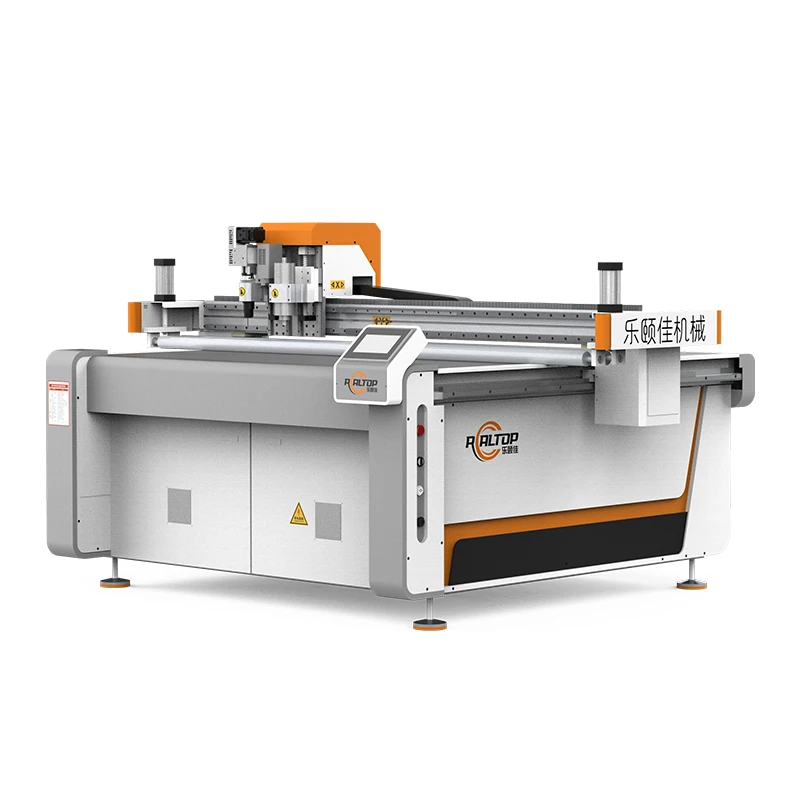
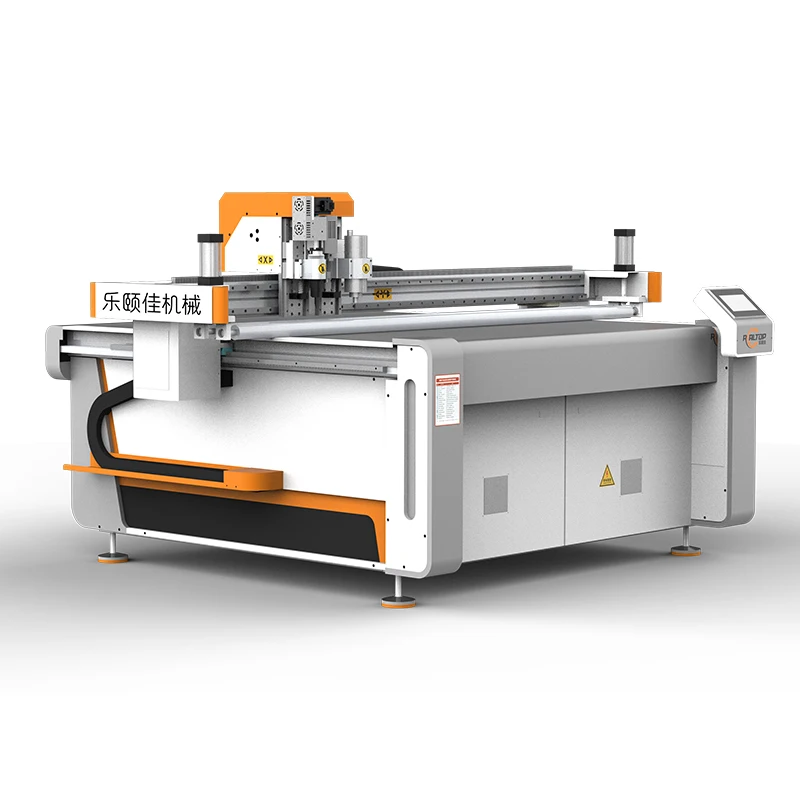
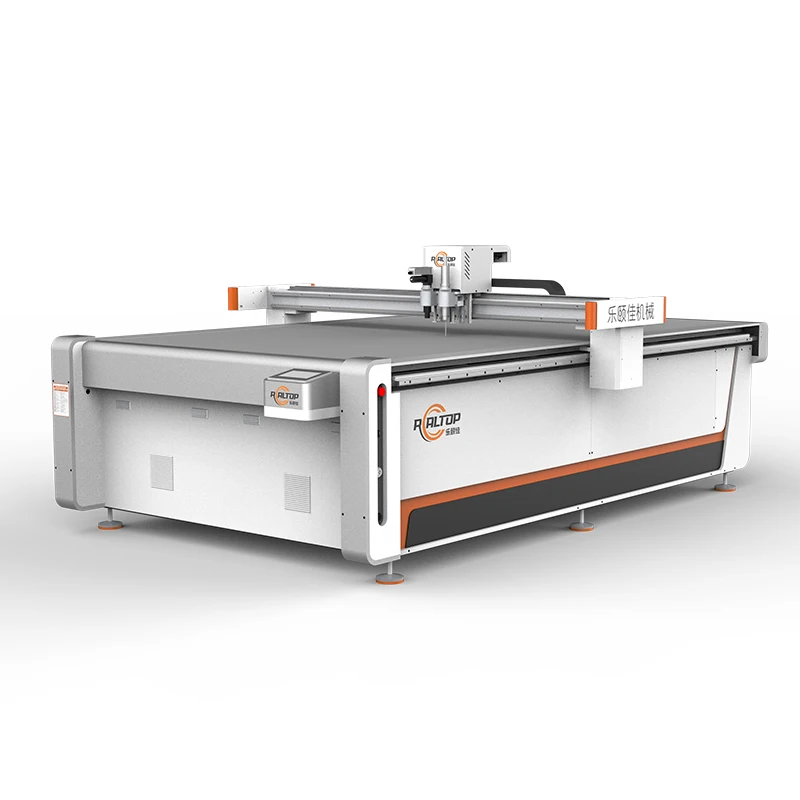
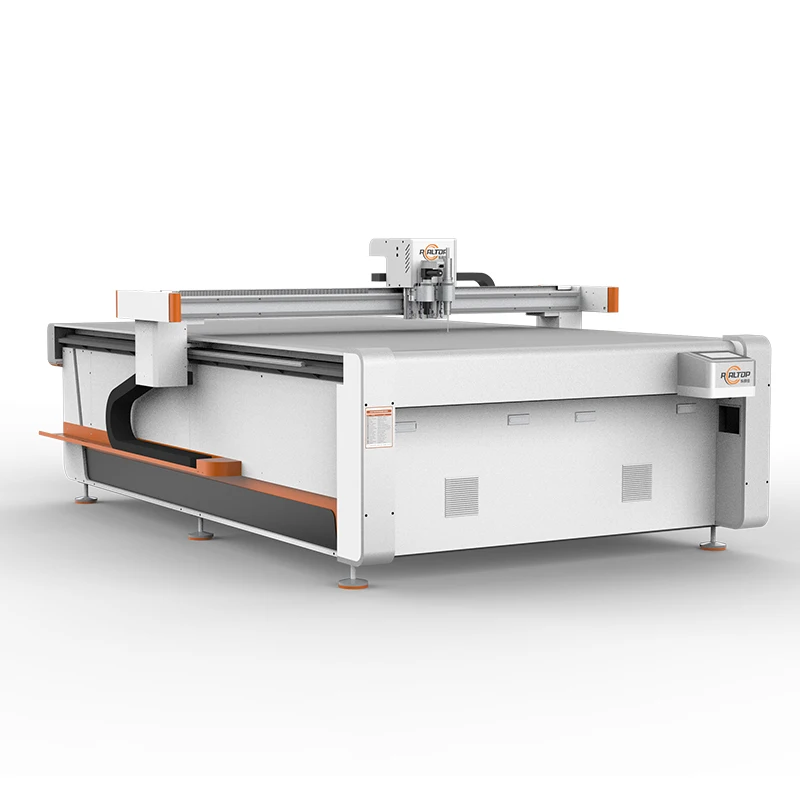
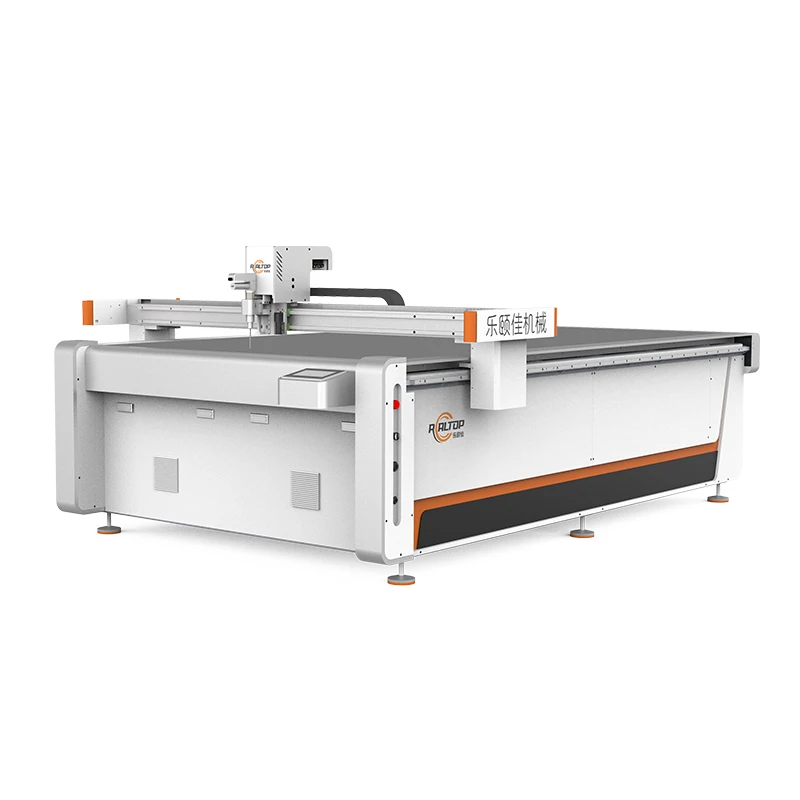
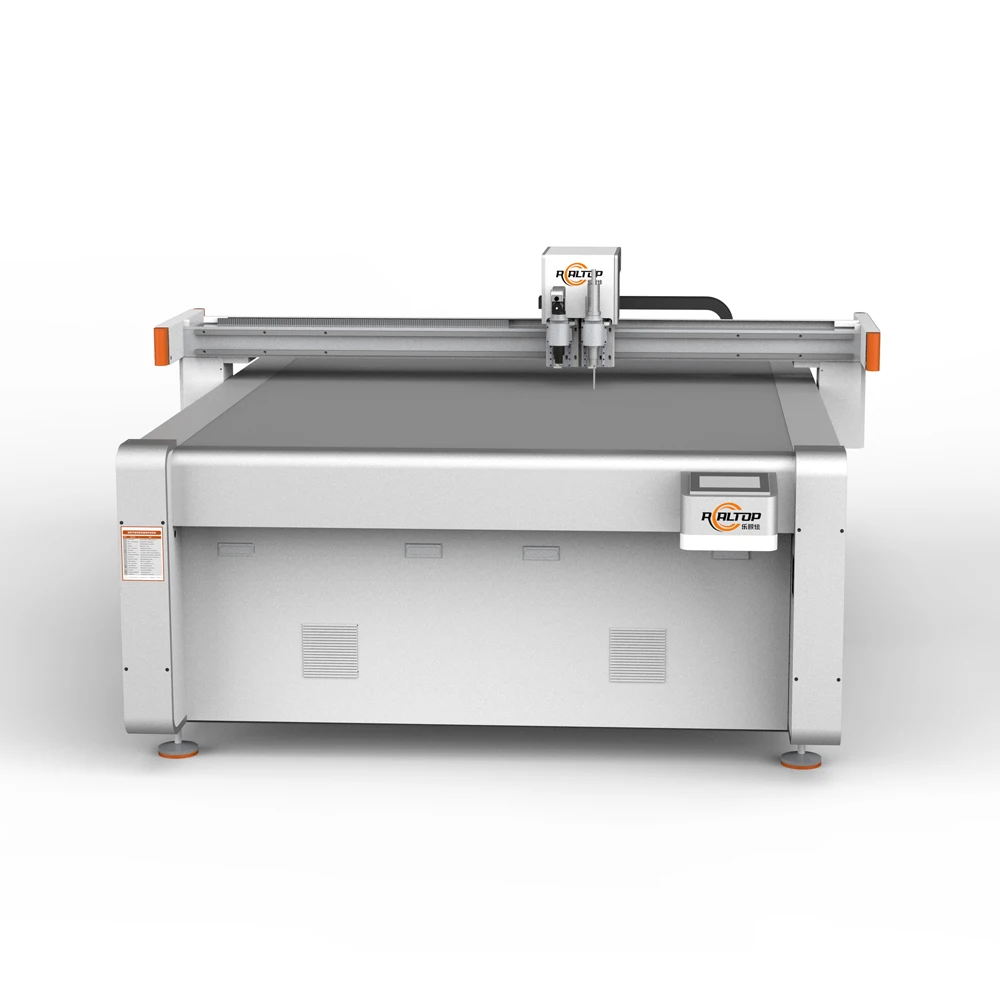
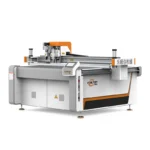
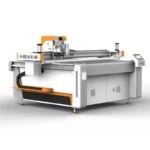
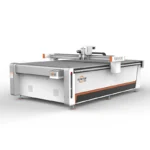
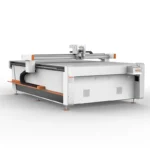
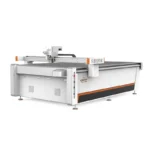
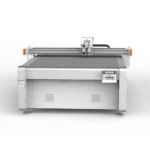
Matching tool head to material density — the RT-D2516/RT-S2516 lets composite and acoustic pad producers test oscillating, pneumatic and drag knife options on their actual stock before locking in a configuration, instead of guessing from a brochure.
Technical Specifications
| Parameter | Value |
|---|---|
| Product Type | CNC Oscillating Knife Cutting Table |
| Model | RT-D2516/RT-S2516 |
| Working Area | 1600 × 2500 mm |
| Machine Size | 3450 × 2300 × 1250 mm |
| Rated Power | 9 kW |
| Voltage | 380V ±10% (50/60 Hz to be confirmed) |
| Working Table | Flat vacuum adsorption, magnesium-aluminum alloy with PVDF coating and multi-process oxidation |
| Multifunctional Head | Swiss imported knife with vibration full cutting, half cutting and cursor location |
| Tool Head Options | Oscillating knife, pneumatic knife, high-power vibrating knife, circular knife, V-cutting knife, drag knife, creasing wheel, dotted line knife, punching, brush |
| Visual Positioning | Small CCD camera mark point, panoramic camera recognition, projection positioning |
| Translational Velocity | 800–2000 mm/s |
| Cutting Speed | 200–800 mm/s (according to different cutting materials) |
| Cutting Thickness | ≤100 mm (varies with material density and tool head selected) |
| Repeated Accuracy | ≤0.1 mm |
| Transmission System | Digital servo motor (Delta or Panasonic optional, IP67), linear guide, synchronous belt, ball screw |
| Instruction System | HP-GL compatible format |
| Vacuum Pump | 7.5 kW, integrated aviation aluminum shell with built-in silencer sponge |
| Conveyor Belt | Germany imported |
| Auto Feeding | Available |
| Guide Rail | Taiwan Hiwin |
| Safety Device | Infrared sensors, beam anti-collision stops, emergency stop with in-situ resume |
Application Suitability
| Application | Material or Output |
|---|---|
| Acoustic soundproof pad contouring | Dense composite foam, multi-layer absorptive panels |
| Automotive interior and gasket cutting | Multi-layer rubber sheets, composite sealing materials |
| Footwear and leather goods | Sponge composite leather, synthetic uppers |
| PVC and soft glass fabrication | Flexible PVC sheets, transparent soft glass rolls |
| Silicon and rubber parts | Silicone gasket stock, rubber composite sheets |
| Clothing flexible material cutting | Technical textiles, padded and quilted fabrics |
What "Cutting Thickness ≤100 mm" Actually Means on the Shop Floor
The number only holds when material density, tool head choice and vacuum hold-down are matched to the job.
Every CNC oscillating knife cutting table specifications sheet quotes a maximum thickness, but that figure assumes a specific material density and the correct blade profile. I watched a customer run high-density acoustic composite at full claimed depth and the oscillating knife left ragged edges while the blade dulled within a single shift. Once we switched to a high-power vibrating knife and reduced the pass depth, edge quality came back. The ≤100 mm claim is valid for lower-density foams with the right tool head; denser composites require a thickness conversation tied to your exact material [NEED_CITE: material density and blade selection correlation in oscillating knife cutting].
Tool Head Selection for Composite Density Ranges
The oscillating knife handles mid-range foam and textile composites cleanly, but when acoustic pad density climbs, the high-power vibrating knife maintains edge integrity at production speed. Pneumatic knife options suit thicker, softer stacks where downward pressure needs to be modulated. The drag knife and creasing wheel round out the head carousel for scoring and perforation tasks on packaging inserts that often accompany composite orders. Matching the head to the material is the single most consequential decision on this CNC oscillating knife cutting table specifications sheet.
Vacuum Zoning and Small-Part Stability
The magnesium-aluminum alloy table with PVDF coating provides a flat reference surface, and the 7.5 kW vacuum pump delivers suction across configurable zones. Small gasket shapes and narrow contour pieces tend to lift when the knife exits a cut, especially on low-mass rubber composites. Zoning the vacuum so that only the active cutting region pulls air keeps those parts pinned. Buyers running a mix of large acoustic panels and small sealing gaskets should confirm zone count and layout before production [NEED_CITE: vacuum table zoning strategies for mixed-part cutting jobs].
Reading the Spec Sheet Against Your Material
The 200–800 mm/s cutting speed range is material-dependent; dense acoustic foam will sit at the lower end while soft textiles run faster. The Delta or Panasonic digital servo motors with IP67 rating sustain positional accuracy at ≤0.1 mm repeat precision regardless of speed setting, which matters when nesting tight contour patterns on expensive composite stock. Taiwan Hiwin guide rails carry the gantry load, and the ball screw drive maintains linear accuracy across the full 1600 × 2500 mm working area. The HP-GL compatible instruction system accepts nesting files from most mainstream CAD outputs, though file format compatibility should be verified during the sample-cutting stage.
The Cost of Skipping the Sample Cut
I once supplied a cutting line to an automotive gasket shop that specified the machine purely on working area. When their production composite proved denser than the sample they mailed, the oscillating knife crushed the material instead of slicing it, and daily output fell to roughly half the expected volume. The fix involved a tool head swap and vacuum re-zoning, both of which could have been resolved with a sample cut on the actual production roll before the order was finalized [NEED_CITE: cost impact of tool-material mismatch in CNC knife cutting operations].
Why Buyers Commit to This Configuration
In-house design covers both knife and laser cutting platforms, so the decision between oscillating knife and CO2 laser is driven by the material rather than by what a single-product vendor can offer. Tool head and table zoning are specified per material type and daily volume, not left as a generic default. CCD camera and panoramic camera positioning options are confirmed for the buyer’s printed mark style before shipment. Software file format and nesting workflow compatibility are tested during the sample stage. Voltage, plug type and control interface language are locked to the buyer’s factory electrical standard before production begins.
Documentation & Verification
- Factory test record run on buyer-supplied composite or acoustic pad stock
- Tool head and vacuum zone configuration list matched to material density
- Electrical schematic confirming voltage, frequency and plug type for destination market
- Sample cutting report with edge quality photographs and measured tolerances
- Software license with confirmed file format and nesting compatibility note
- CE declaration documentation where applicable to the destination market
Installation, Commissioning & Support
- 3450 × 2300 mm footprint requires level concrete floor with clearance for material infeed and offload
- Dedicated 380V circuit rated for 9 kW continuous load plus 7.5 kW vacuum pump draw
- Machine ships fully assembled; confirm doorway and overhead clearance at the installation site
- First-run parameter tuning covers blade depth, oscillation frequency and vacuum zone mapping
- Operator training addresses tool head changeover, CCD calibration and emergency stop resume
- Spare blade and belt inventory sized to the confirmed daily cutting volume and material abrasiveness
Before You Request a Quote
Send the material data sheet with density, thickness and roll or sheet dimensions, along with a representative sample for test cutting. Confirm your factory voltage, frequency and the control language your operators need. If you run an existing nesting software workflow, share the export format so compatibility can be verified before the machine enters production.
Frequently Asked Questions
Q: How is the cutting thickness verified for my specific composite material?
A: The ≤100 mm figure applies to lower-density foams with the correct tool head. We cut your actual production sample, measure edge quality and dimensional accuracy, then document the achievable thickness with the selected blade. The sample cutting report becomes the contractual reference before the order is placed.
Q: Which tool head should I choose for dense acoustic soundproof pads?
A: Dense composite acoustic pads typically require the high-power vibrating knife rather than the standard oscillating knife, because the higher stroke force maintains a clean slice through the full material depth. We determine the correct head during the sample cutting stage and lock it into the configuration list.
Q: Will the vacuum table hold small gasket parts without lifting?
A: The multi-zone vacuum table can be configured so suction concentrates in the active cutting region, which keeps low-mass rubber and composite parts pinned. Zone layout and count are matched to your smallest part size during the pre-order configuration review.
Q: Can the CCD camera track printed marks on dark composite surfaces at production speed?
A: The small CCD and panoramic camera options both support mark-point recognition, but tracking reliability on dark or low-contrast surfaces depends on mark color, size and print registration. We test your printed material during the sample stage to confirm the camera holds registration at the agreed cutting speed.
Q: What voltage and control language options are confirmed before shipment?
A: Voltage and frequency are confirmed to match your factory supply, and the control interface language is set to your operator requirement before the machine leaves the factory. These items appear on the electrical schematic and are verified during the pre-shipment factory test.


商品评价
Clear filtersThere are no reviews yet.