

Fast Shipping
Carrier information

20k products
Payment methods

24/7 Support
Unlimited help desk

2-day Delivery
Track or off orders
Cutting method matched to material — tool head, vacuum zoning and parameters are confirmed on your actual stock before order rather than sold as a generic flatbed.
Technical Specifications
| Parameter | Value |
|---|---|
| Model | RT-D2516/RT-S2516 |
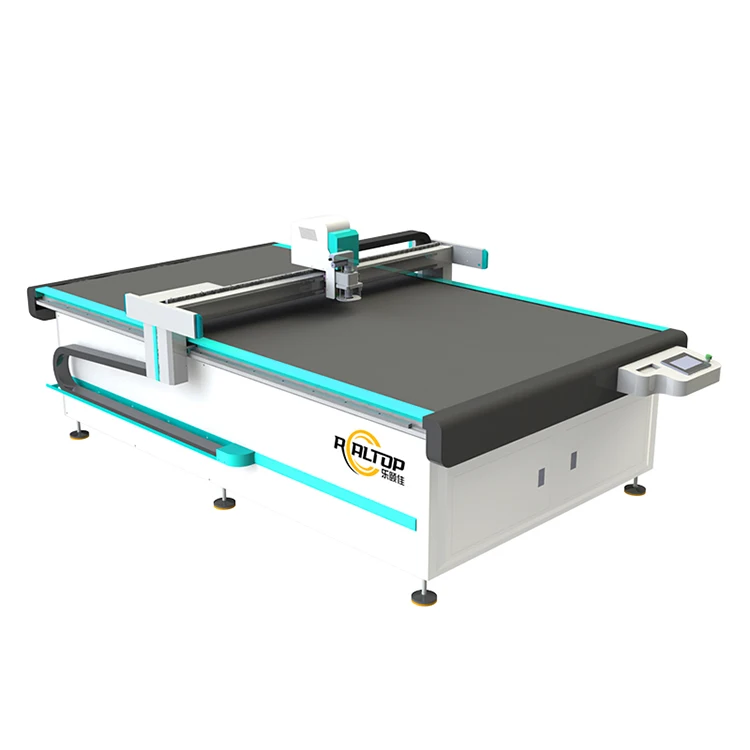
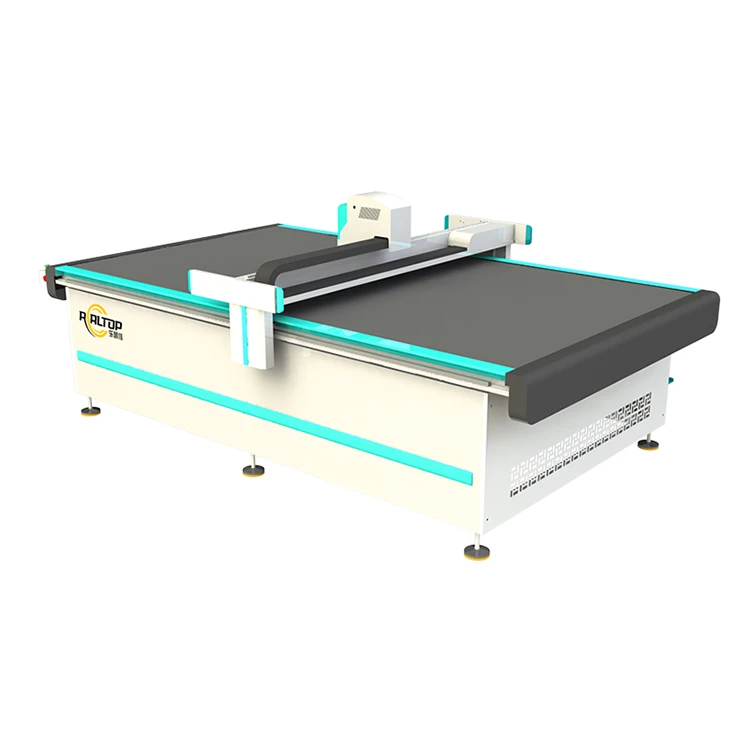
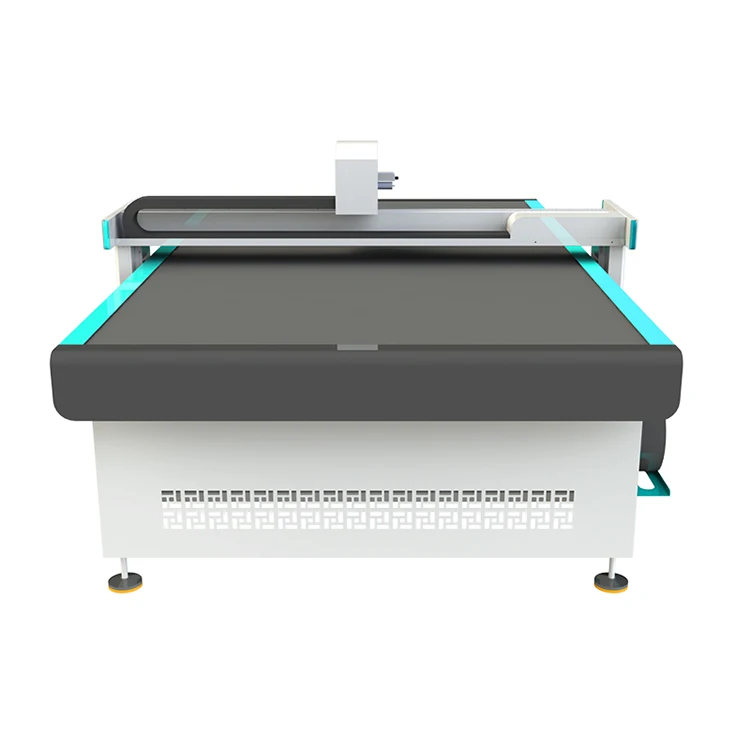
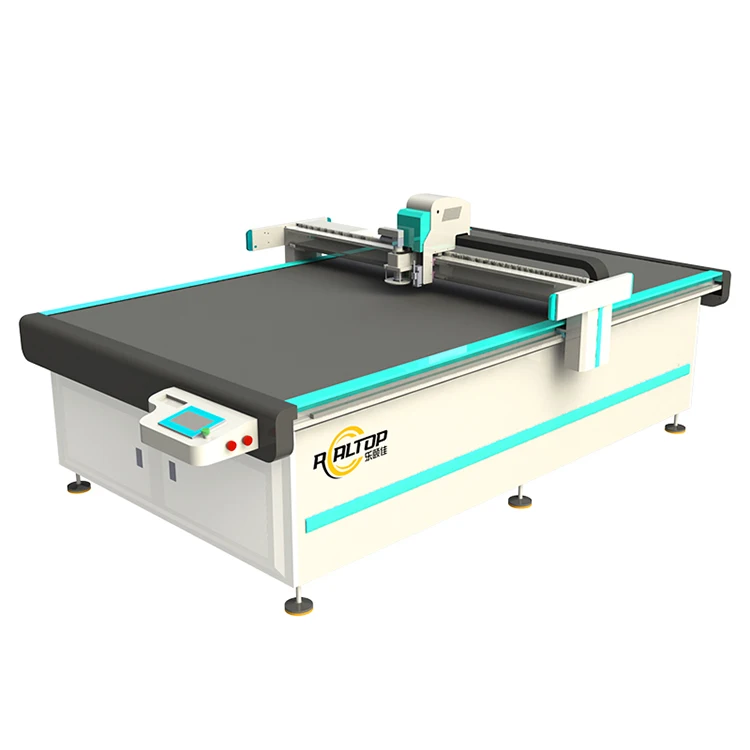
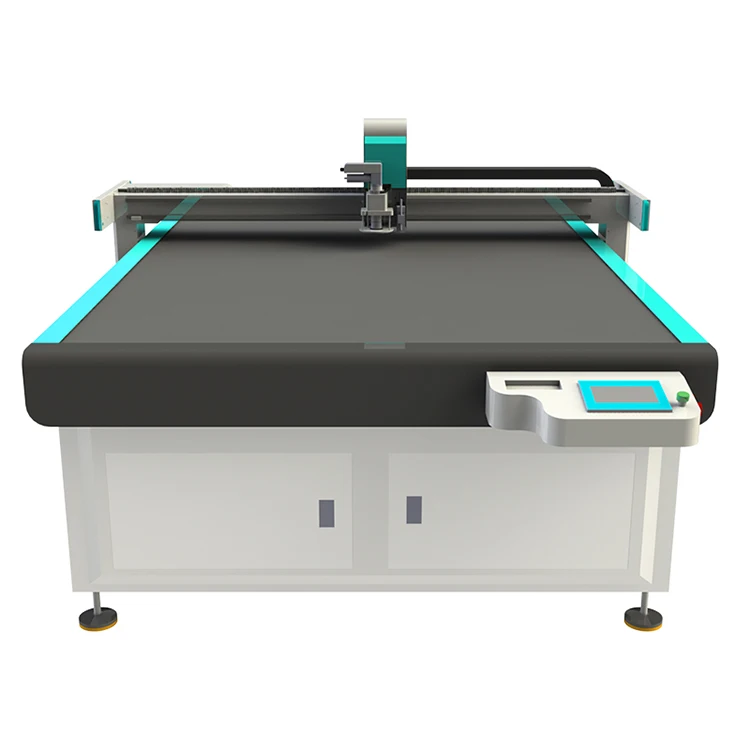
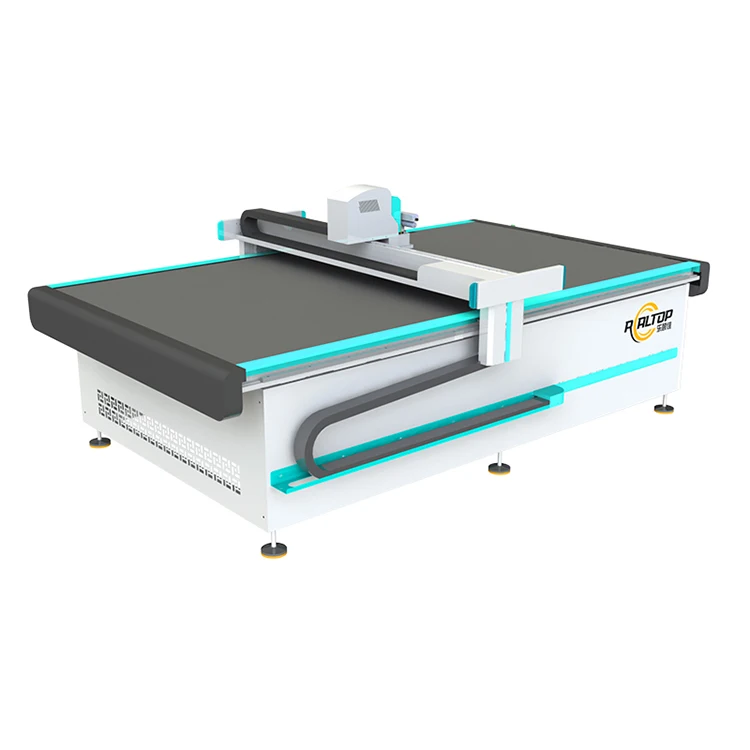
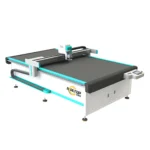
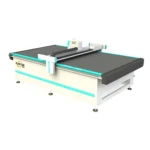
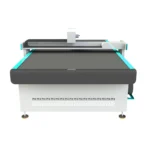
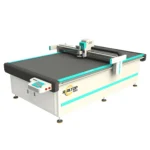
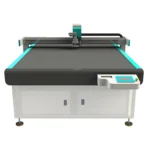
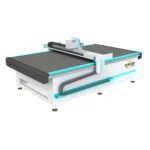
| Product Type | CNC Oscillating Knife Cutting Machine |
| Working Area | 1600×2500mm |
| Overall Dimensions (L×W×H) | 3450×2300×1250mm |
| Rated Power | 9kW |
| Voltage | 380V±10% |
| Table Type | Flat working table with 7.5kW vacuum pump |
| Tool Head | Swiss imported oscillating knife (vibration full cutting, half cutting, cursor location) |
| Translational Velocity | 800–1200mm/s |
| Cutting Speed | 200–800mm/s (basis to be confirmed by material type and thickness) |
| Repeated Accuracy | ≤0.1mm |
| Transmission System | Digital servo motor, linear guide, synchronous belt, ball screw (imported) |
| Servo Motor | Japanese Yaskawa |
| Linear Rail | Taiwan Hiwin |
| Conveyor Belt | Germany imported (auto feeding) |
| Safety Device | Infrared sensors |
| Instruction System | HP-GL compatible format |
| Key Features | Auto-feeding conveyor, vacuum hold-down, Swiss oscillating knife head, infrared safety |
Application Suitability
| Application | Material or Output |
|---|---|
| Packaging and carton sample making | Corrugated board, cardstock, folding carton stock |
| Wallpaper and PVC sheet cutting | Printed or plain flexible vinyl and wall covering rolls |
| Leather and footwear component cutting | Natural leather, synthetic leather, sponge composite leather |
| Gasket and seal fabrication | Rubber, silicon, soft glass, composite gasket sheets |
| Short-run die-cutting replacement | Multi-layer flexible materials on vacuum-hold flatbed |
Why the Oscillating Knife Cutting Machine Specifications Matter More Than Working Area
Buying on bed size alone leaves tool head, vacuum zoning and cutting depth unverified against your actual material.
A 1600×2500mm table sounds sufficient until the stock you run daily turns out to be thicker than the test sample, or a small nested part lifts off the table mid-cut because vacuum zones are not segmented for that geometry. These mismatches surface only after the machine arrives and production pressure begins. Confirming the CNC oscillating knife cutting machine specifications against your real stock — thickness, density, surface finish requirement — before committing avoids weeks of on-site adjustment [NEED_CITE: material-specific tooling selection for oscillating knife systems].
Knife Head and Tooling Configuration for Packaging Stock
The Swiss imported oscillating knife head on the RT-D2516/RT-S2516 supports vibration full cutting, half cutting and cursor location in a single tool station. Full cutting handles corrugated and cardstock profiles cleanly, while half cutting scores fold lines on folding carton without penetrating the back liner. Selecting the right CNC oscillating knife cutting machine specifications means matching knife frequency and blade profile to the material being processed, not accepting a default setup.
Vacuum Hold-Down and Zoning for Small Parts
The 7.5kW vacuum pump provides suction across the flat working table, but vacuum effectiveness depends on zone configuration relative to the parts being nested. When cutting small gasket pieces or narrow carton samples, a single large zone loses grip at the edges. Configuring multiple independent zones so that only the active cutting area draws vacuum keeps material flat and prevents lift without wasting pump capacity [NEED_CITE: vacuum table zoning practices for CNC flatbed cutting].
Servo Drive, Linear Motion and Cutting Accuracy
Yaskawa digital servo motors paired with Taiwan Hiwin linear rails and imported ball screws deliver repeated accuracy of ≤0.1mm across the full 1600×2500mm travel. For contour cutting on printed wallpaper or nesting jobs on leather hides, this precision means the cut path tracks the design file without drift over long production runs. Translational velocity of 800–1200mm/s allows rapid positioning between cuts, while actual cutting speed of 200–800mm/s is set according to material resistance and thickness.
What Happens When Configuration Is Guesswork
Choosing a drag knife where an oscillating knife is needed leaves compressed foam with crushed edges instead of clean profiles. Running multi-layer leather on a table with insufficient vacuum zoning causes mid-cut shift, scrapping an entire hide. Setting cutting speed for thin cardstock then feeding three-layer corrugated board stalls the knife head and damages the blade assembly. Every one of these failures traces back to configuration decisions made without physical sample testing [NEED_CITE: consequences of incorrect tool head selection in digital cutting].
Production and Verification Before Dispatch
The RT-D2516/RT-S2516 is built in a facility that covers both knife and laser cutting technologies, so the cutting method is matched to the material rather than forced onto one platform. In-house design teams configure the tool head, vacuum zoning and conveyor setup based on the buyer’s stated material and production volume. Factory testing runs the buyer’s own material samples before shipment, generating a cutting report that documents edge quality, achievable thickness and confirmed speed parameters. Voltage, plug type and control language are locked in during the order stage to match the destination plant’s electrical supply and operator requirements.
Documentation & Verification
- Machine specification sheet listing confirmed tool head and vacuum zone layout
- Electrical schematic with 380V±10% wiring diagram and voltage confirmation record
- Sample cutting report on buyer-supplied material showing edge quality and speed data
- Software licence and HP-GL file format compatibility note for buyer’s existing workflow
- Factory test record documenting repeated accuracy and cutting performance before dispatch
- Spare parts list covering knife blades, vacuum seals and conveyor belt segments
Installation, Commissioning & Support
- Requires level concrete floor capable of supporting 3450×2300×1250mm footprint plus operator clearance
- Dedicated 380V±10% circuit with capacity for 9kW rated power plus 7.5kW vacuum pump startup surge
- Machine ships in sectional assembly; vacuum table and conveyor belt require on-site alignment and tensioning
- First-run commissioning includes vacuum zone calibration and cutting parameter tuning on buyer’s actual stock
- Operator training covers HP-GL file import, nesting setup and knife blade replacement procedures
- Scheduled maintenance intervals for linear rail lubrication, synchronous belt tension and vacuum filter cleaning
How to Start a Technical Evaluation
Share the material types you cut daily, including thickness range, sheet or roll dimensions and whether the stock is printed or plain. Specify your local voltage and frequency standards along with preferred operator interface language. If you have existing design files in DXF, PLT or AI format, send samples so software compatibility can be verified before any configuration is finalized.
Frequently Asked Questions
Q: How do I confirm this CNC oscillating knife cutting machine handles my material thickness before ordering?
A: Send physical samples of your actual production stock to the factory. The material is test-cut on the RT-D2516/RT-S2516, and a sample cutting report documents edge quality, cutting speed and maximum achievable thickness. Configuration is adjusted based on these results before the order is finalized.
Q: Which tool head fits my packaging or flexible material cutting job?
A: The Swiss oscillating knife head handles corrugated, cardstock, PVC, leather and foam with full and half cutting modes. For creasing fold lines on folding carton, a separate creasing wheel tool may be added. The correct tool is determined during sample testing on your specific material.
Q: How is the vacuum table configured to prevent small parts from lifting during cutting?
A: The 7.5kW vacuum pump feeds multiple independent zones on the flat working table. Zone layout is planned around the typical part sizes in your nesting workflow so that vacuum concentrates under the active cutting area, holding small pieces flat without wasting pump capacity across unused table space.
Q: What file formats does the system accept, and how is compatibility verified?
A: The instruction system is HP-GL compatible. Before order confirmation, your existing design files are imported and processed to verify compatibility with the nesting and cutting workflow. Any format conversion requirements are identified and resolved during the pre-order testing phase.
Q: How are voltage and control language confirmed for my facility before shipment?
A: The standard configuration is 380V±10%, but other voltages are available on request. Your local electrical standards, plug type and preferred control language are documented during the order stage and verified against the electrical schematic before the machine leaves the factory.


商品评价
Clear filtersThere are no reviews yet.