



Fast Shipping
Carrier information

20k products
Payment methods

24/7 Support
Unlimited help desk

2-day Delivery
Track or off orders
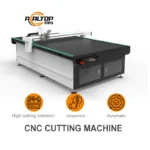
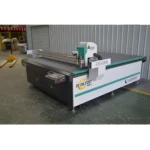
Precision Configuration — Every tool head and vacuum zone on this 2516 series cutter is validated against the buyer’s actual corrugated flute profile and board stock before the order is confirmed.
Technical Specifications
| Parameter | Value |
|---|---|
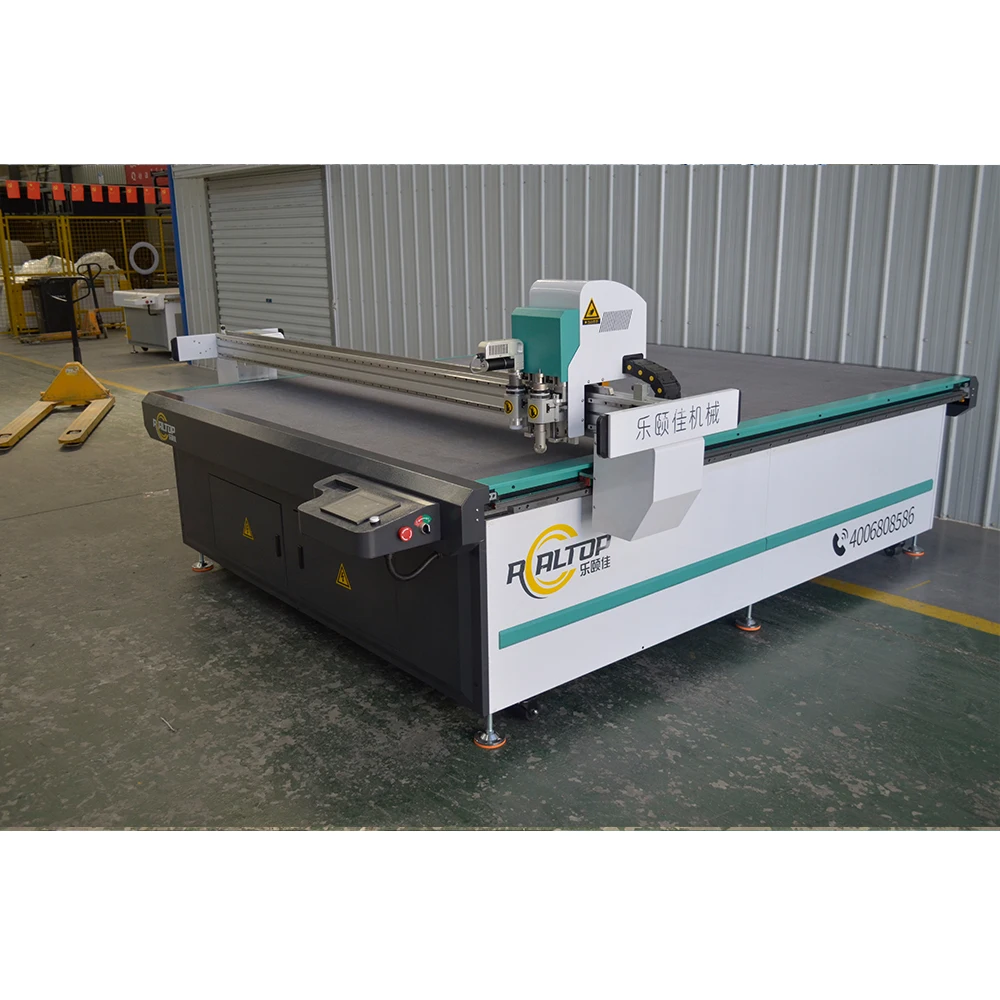
| Product Type | CNC Oscillating Knife Cutting Machine for Corrugated Cardboard and Packaging |
| Model | RT-R2513 / RT-D2516 / RT-S2516 |
| Working Area | 2500×1300 mm (RT-R2513); 1600×2500 mm (RT-D2516 / RT-S2516) |
| Machine Size | 3550×1910×1400 mm (RT-R2513); 3450×2300×1250 mm (RT-D2516 / RT-S2516) |
| Cutting Thickness | ≤18 mm |
| Repeated Accuracy | <0.05 mm |
| Cutting Tools | Oscillating knife, creasing tool, kiss-cut knife tool, round punch |
| Drive System | Rack transmission with straight-line square guide rails |
| Servo Motors | Dongling servo (verify against current production batch) |
| Vacuum Table | Aluminum alloy honeycomb structure with zoned adsorption |
| Vacuum Pump | 7.5 kW |
| Rated Power | 9 kW |
| Voltage | 380 V (confirm single-phase or three-phase and Hz before order) |
| Transmission Method | Ethernet port |
| Frame | Welded thick square seamless steel structure with high-temperature treatment |
| Guide Rails | Taiwan Hiwin rail |
| Safety Device | Infrared sensors and emergency stop |
| Software Formats | DXF, OLT, PDF, AI |
| Software Language Options | English, Russian, Italian, Chinese; custom languages available |
| Warranty | 1 year (excludes felt and knife blades) |
| Delivery Time | <30 working days |
| Standards | CE |
Application Suitability
| Application | Material or Output |
|---|---|
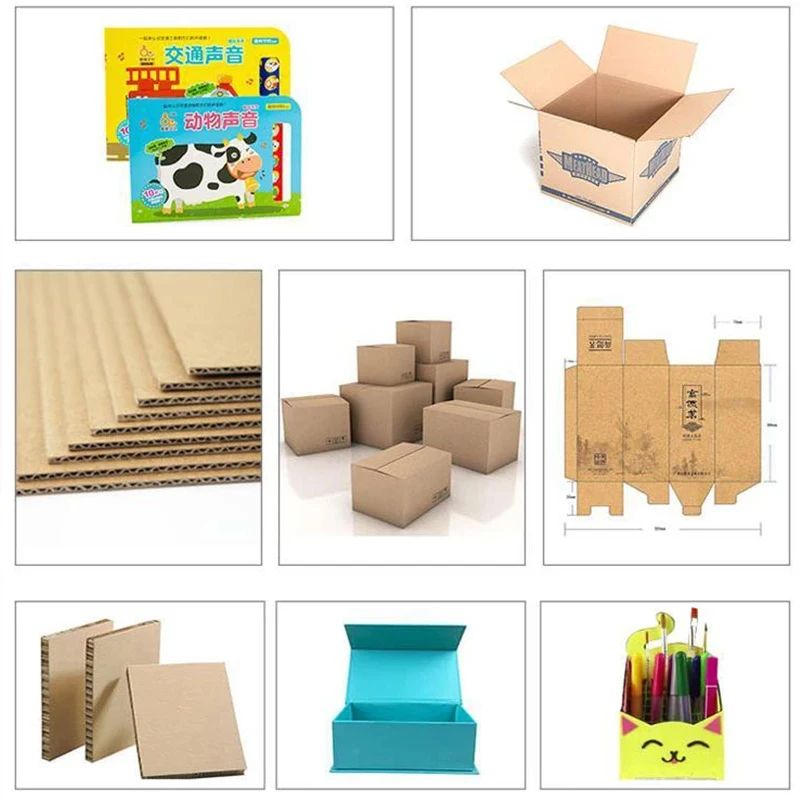
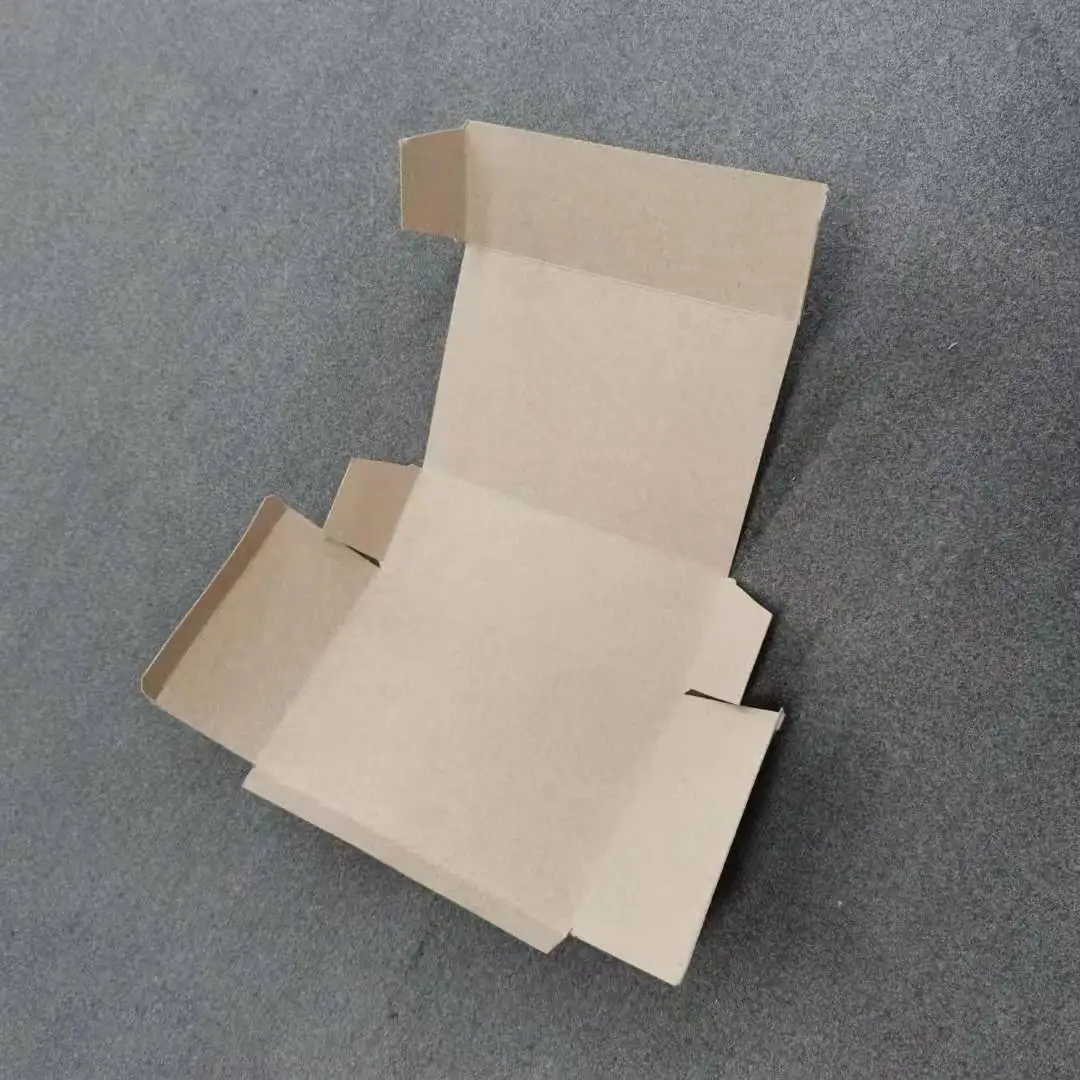
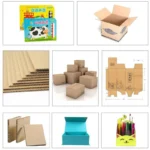
| Corrugated carton sample making | Single-face, double-wall, and triple-wall corrugated board up to 18 mm |
| Short-run packaging production | Kraft liner, test liner, and recycled flute media |
| Sticker and label contour cutting | Self-adhesive vinyl, coated paper, and synthetic label stock |
| Paperboard box and gift box prototyping | Grey board, white card stock, and coated folding carton |
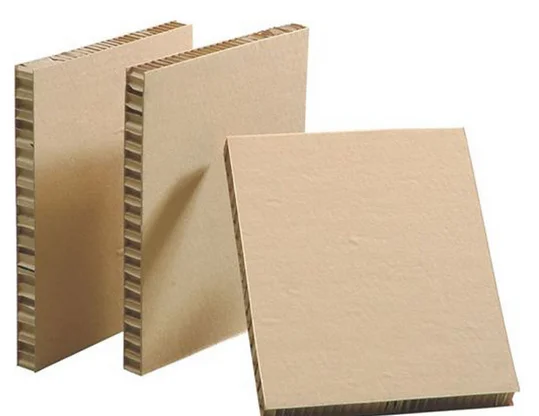
| Large-format signage and display cutting | Honeycomb paperboard and foam-centered board |
| Perforated coupon and tear-strip work | Lightweight carton stock and label material |
Why Cutting Depth Claims Fail on Corrugated Board
Specifying a CNC Oscillating Knife Cutting Machine by working area alone, then discovering it cannot hold a clean through-cut on five-layer double-wall flute, is a recurring problem in packaging sample shops. The issue is never the table size — it is the mismatch between knife stroke, oscillation frequency, and the actual crush resistance of the flute profile being cut.
Match the tool head to the flute, not to the headline thickness number.
I once fitted a 2516-format flatbed for a carton sampling house in the Pearl River Delta without confirming whether they ran mostly B-flute or BC-flute. Three-layer board cut fine; five-layer board compressed under the drag knife and left crushed edges that failed the client’s drop-test audit. After that, I insist on receiving physical board samples — flute type, liner weight, and moisture condition — before finalizing any tool configuration. A board labeled 18 mm in the brochure may behave completely differently at 9% moisture versus 14% moisture, and the oscillation amplitude that slices one profile cleanly will rag another [NEED_CITE: corrugated board moisture and crush resistance relationship].
Multi-Tool Carriage for Single-Pass Finishing
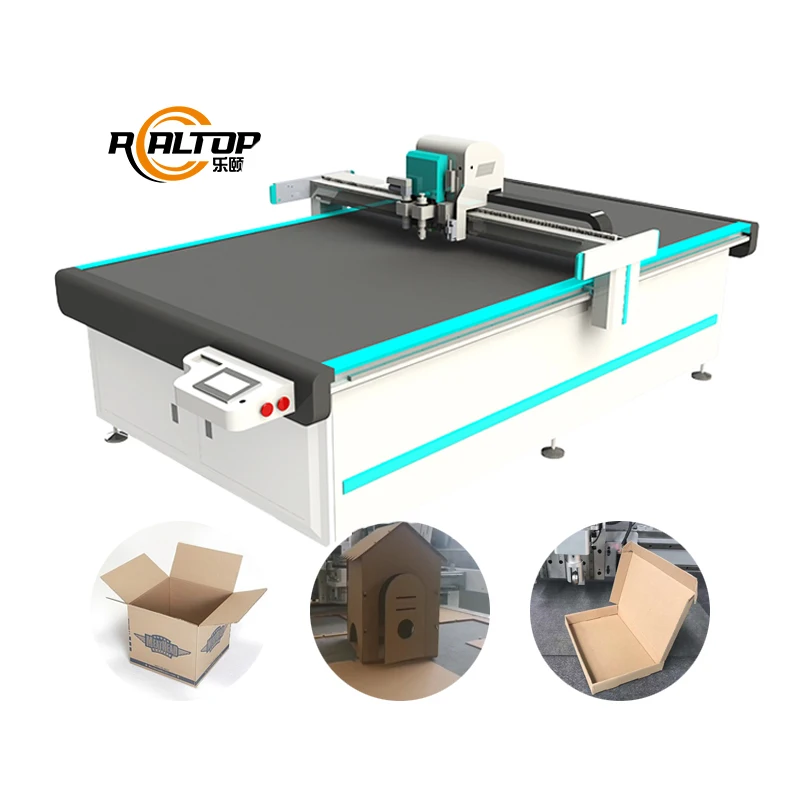
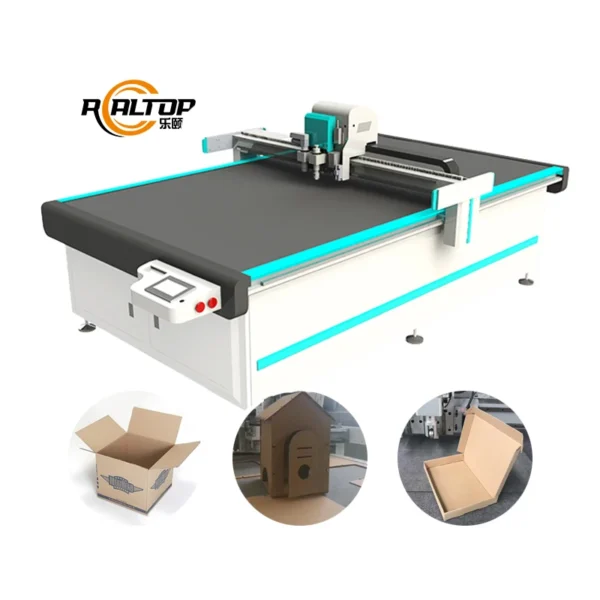
The carriage on the 2516 series accepts an oscillating knife for through-cutting, a creasing tool for fold lines, a kiss-cut knife for adhesive labels, and a round punch for perforation, all mounted simultaneously. This means a packaging prototype with cut outlines, internal crease lines, and a peel-off coupon section completes in one work cycle. The CNC Oscillating Knife Cutting Machine specifications list each tool as standard, but the real value lies in sequencing them inside the same file so the board never moves between operations.
Vacuum Zoning That Holds Small Parts Flat
Corrugated sample work often mixes a large carton blank with small partition inserts on the same sheet. A single-zone vacuum table will lose suction on the small pieces once the surrounding waste is cut away, allowing them to lift and shift. The aluminum honeycomb platen on this machine divides into independently controlled zones, so suction stays locked under small parts even after the outer matrix is stripped. I have seen lift-related scrap drop noticeably once zoning is activated correctly for the nesting layout [NEED_CITE: vacuum table zoning effect on small-part stability].
Reading the Specs That Actually Matter
Cutting thickness of 18 mm sounds generous, but on double-wall BC-flute the knife must penetrate two fluted mediums and three liner faces in sequence. The oscillation frequency and downward pressure determine whether the blade slices each layer or simply compresses the flute before the next stroke. Repeated accuracy below 0.05 mm keeps crease lines aligned with cut edges — a half-millimeter drift on a complex carton blank means the glued flap will not close square. The rack-and-pinion drive paired with Hiwin linear rails maintains that tolerance across the full 2500 mm travel, whereas belt drives tend to introduce backlash after sustained operation. The 7.5 kW vacuum pump is sized to maintain full adsorption on porous corrugated surfaces where air leakage through open flute ends is constant.
The Hidden Cost of Wrong Tool Selection
Buyers sometimes choose a single oscillating knife head to save on configuration cost, then attempt crease lines by scoring with the same blade at reduced depth. The result is a crushed flute channel rather than a clean fold, and the carton fails compression tests downstream. Kiss-cut work on label stock demands a separate tool with micro-depth control; running label jobs on a through-cut knife risks cutting the backing paper and jamming the waste stripping process. These rework losses accumulate quietly and only surface when a batch fails the buyer’s incoming inspection [NEED_CITE: tool head mismatch and downstream quality rejection].
Why Source This Platform From REALTOP
The in-house design team covers both knife and laser cutting technology, so a packaging house adding acrylic display work can discuss both methods in one conversation instead of forcing corrugated board through a laser table. Every tool head and table zone is specified against the buyer’s material stack, not left as a generic default. Sample cutting on the buyer’s own corrugated stock runs before the order is finalized, producing a physical report that documents flute type, cut quality, and crease profile. Software file format compatibility with the buyer’s existing DXF or AI workflow is confirmed in writing at the quotation stage. Voltage, plug type, and control language customization are locked before production begins, preventing the costly field rewiring that plagues export shipments.
Documentation & Verification
- Machine specification sheet listing every configured tool head and vacuum zone assignment
- Electrical schematic confirming 380 V wiring, breaker rating, and phase sequence for your facility
- Sample cutting report on your corrugated board showing flute type, thickness, and crease profile
- Software license and file format compatibility note covering DXF, OLT, PDF, and AI import paths
- Factory test record documenting repeatability measurement across the full working area
- Spare parts list with oscillating blade quantities and felt replacement intervals
Installation, Commissioning & Support
- Floor leveling within the 3550×1910 mm footprint for the RT-R2513, or 3450×2300 mm for the RT-D2516 / RT-S2516, using adjustable machine feet
- Dedicated 380 V three-phase circuit with breaker sized above the 9 kW rated load plus 7.5 kW vacuum pump
- Ethernet port connection to your local network for file transfer from the carton design workstation
- First-run calibration of oscillating knife depth and creasing wheel pressure against your board stock
- Operator training on vacuum zone activation, tool offset setting, and nesting layout in the included software
- Initial supply of ten oscillating blades plus felt consumables for break-in period maintenance
Preparing Your Inquiry
Send a sample of your most frequently cut corrugated board along with the flute type, liner grammage, and typical moisture range. Confirm the voltage and frequency standard at your facility, and specify the control panel language your operators need. If you already run packaging design software, attach a representative DXF or AI file so we can verify nesting and crease-mark import before quoting.
Frequently Asked Questions
Q: How do I confirm the machine will cut my specific corrugated flute cleanly?
A: Send a sample of your board stock with flute type and liner weight identified. We run a test cut on the 2516 platform, document edge quality and crease profile in a written report, and share the result before you commit. This is the only reliable way to match oscillation settings to your material.
Q: Which tool heads should I include for mixed carton and label work?
A: Configure the oscillating knife for through-cutting corrugated board, the creasing tool for fold lines, and the kiss-cut knife for adhesive label contour work. All three mount on the same carriage, so a single job file can sequence cut, crease, and kiss-cut without manual tool changes.
Q: What electrical details must I confirm before shipment?
A: Verify whether your facility runs 380 V three-phase at 50 Hz or 60 Hz, and confirm the plug type required by local code. We lock voltage, frequency, phase wiring, and breaker rating into the electrical schematic before production to avoid field modifications after arrival.
Q: Will my existing packaging design files import without rework?
A: The included software accepts DXF, OLT, PDF, and AI formats. Send a representative file from your current CAD or packaging system during the inquiry stage so we can confirm import fidelity, layer mapping for cut and crease lines, and nesting behavior before the machine ships.
Q: What does installation and training cover?
A: Installation includes leveling, vacuum pump connection, and Ethernet setup. Commissioning covers tool depth calibration on your board stock and vacuum zone configuration. Training walks operators through file import, nesting, tool offset adjustment, and daily blade and felt maintenance routines.


商品评价
Clear filtersThere are no reviews yet.