






Fast Shipping
Carrier information

20k products
Payment methods

24/7 Support
Unlimited help desk

2-day Delivery
Track or off orders
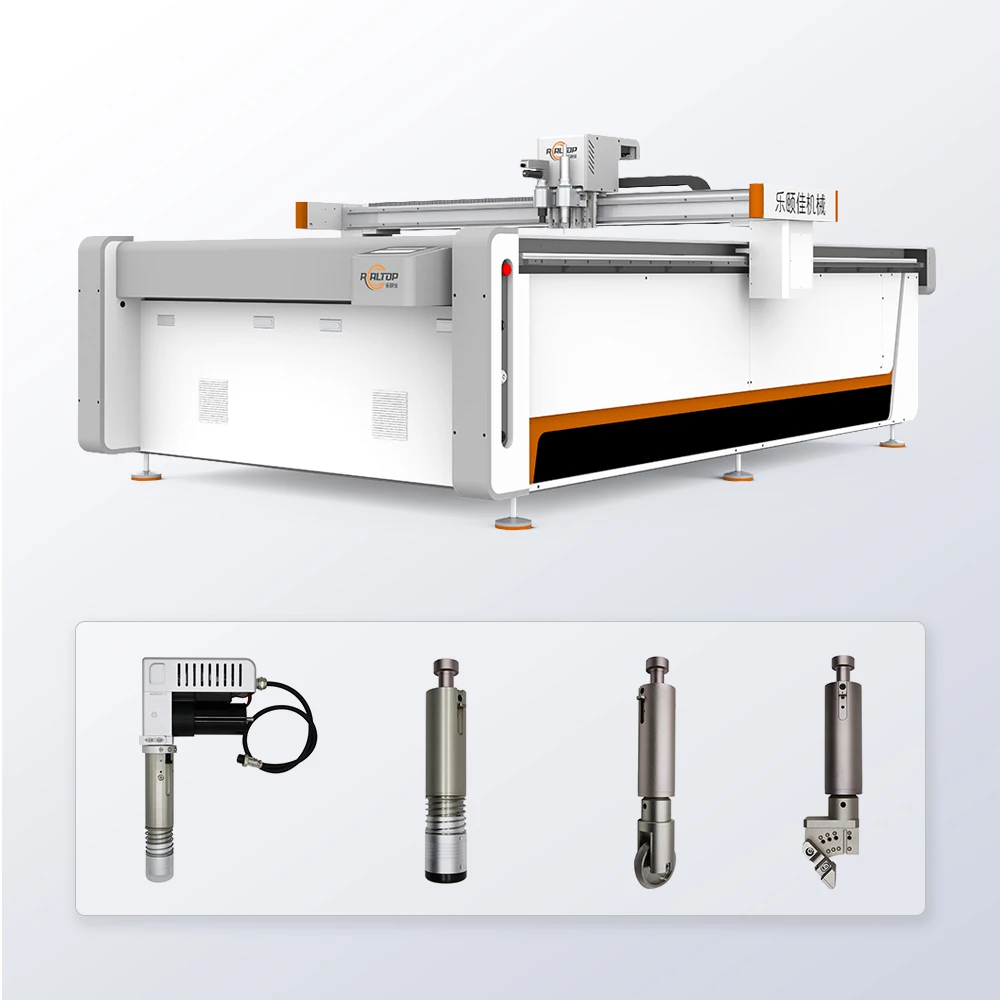
Tool Head Match — Every oscillating knife, creasing wheel and V-groove tool is selected against your specific flute profile and foam density, not pulled from a generic catalog.
Technical Specifications
| Parameter | Value |
|---|---|
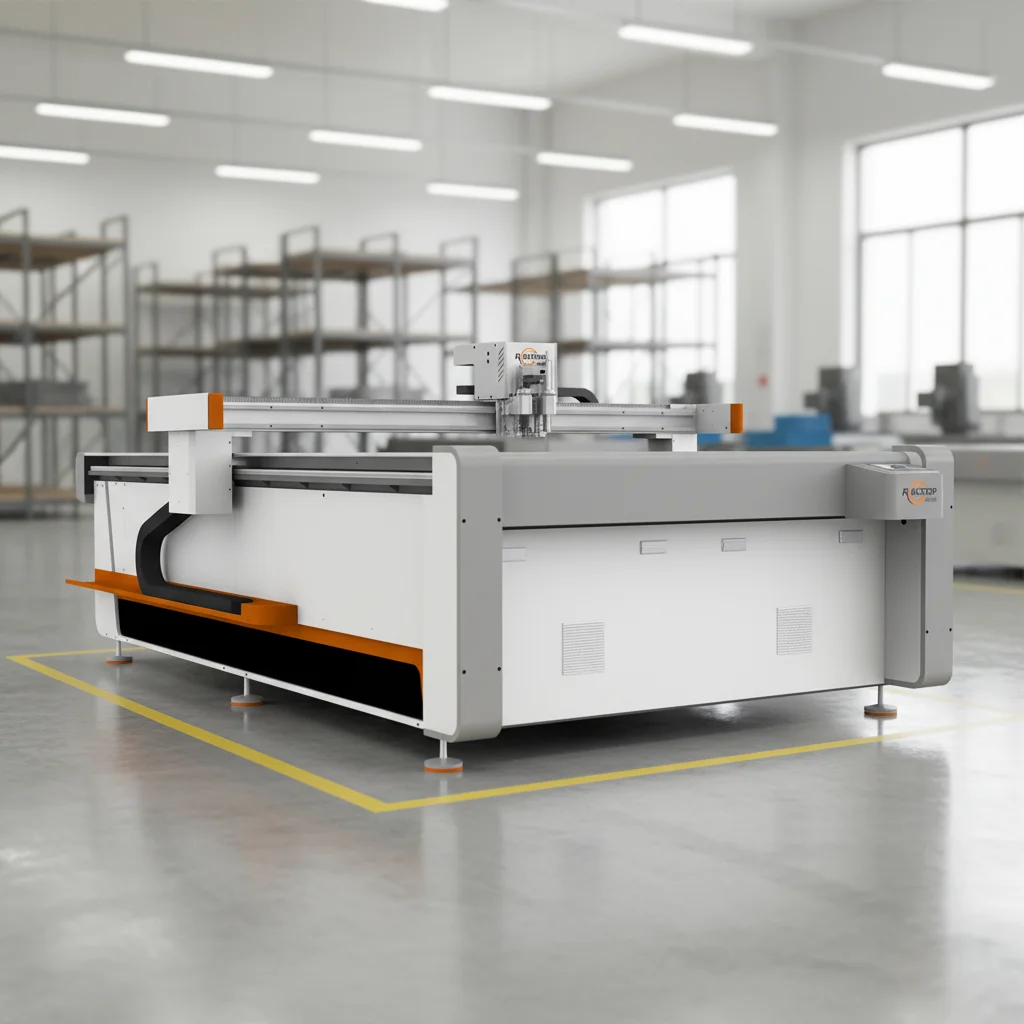
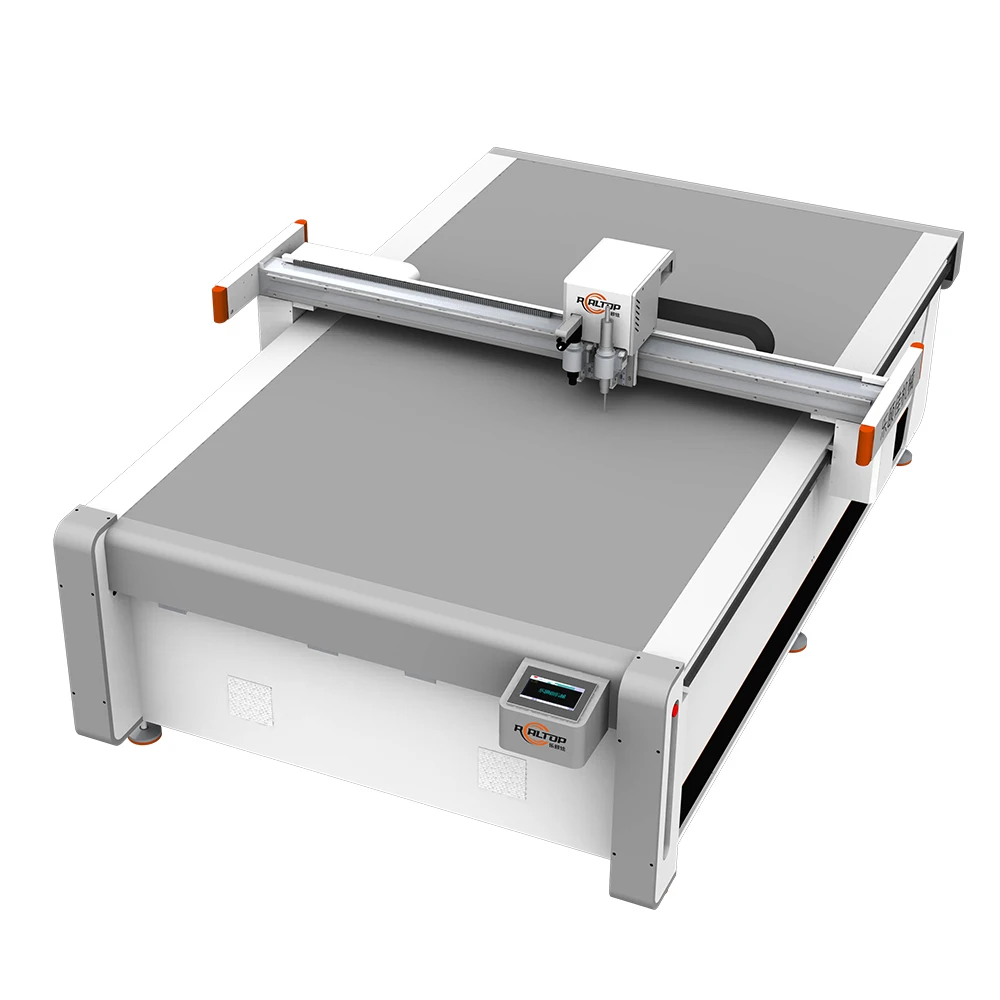
| Product Type | CNC Oscillating Knife Cutting Table for Packaging |
| Working Area | 1600 × 2500 mm |
| Tool Head Options | Oscillating knife, Driven rotary knife, Creasing wheel, Kiss cutting tool, Pneumatic knife, Milling tool, V groove knife |
| Cutting Speed | 0–1500 mm/s |
| Cutting Thickness | ≤ 40 mm (basis not stated in source — confirm material type and density) |
| Cutting Accuracy | ±0.1 mm |
| Vacuum Pump Power | 9 kW |
| Vacuum Table Type | Aluminum bellows vacuum table |
| Control System | PLC control panel |
| Servo Drive Options | Panasonic, Delta, Dorna |
| Voltage Options | 110V, 220V, 380V (frequency to be confirmed by destination market) |
| Profile Formats | PLT, DXF, AI, PDF |
| Language Options | English, Russian, Italian, Chinese (special languages customizable) |
| Machine Size | 3300 × 2100 × 1350 mm |
| Safety Devices | Infrared sensor, emergency stop |
| Certification | CE |
Application Suitability
| Application | Material or Output |
|---|---|
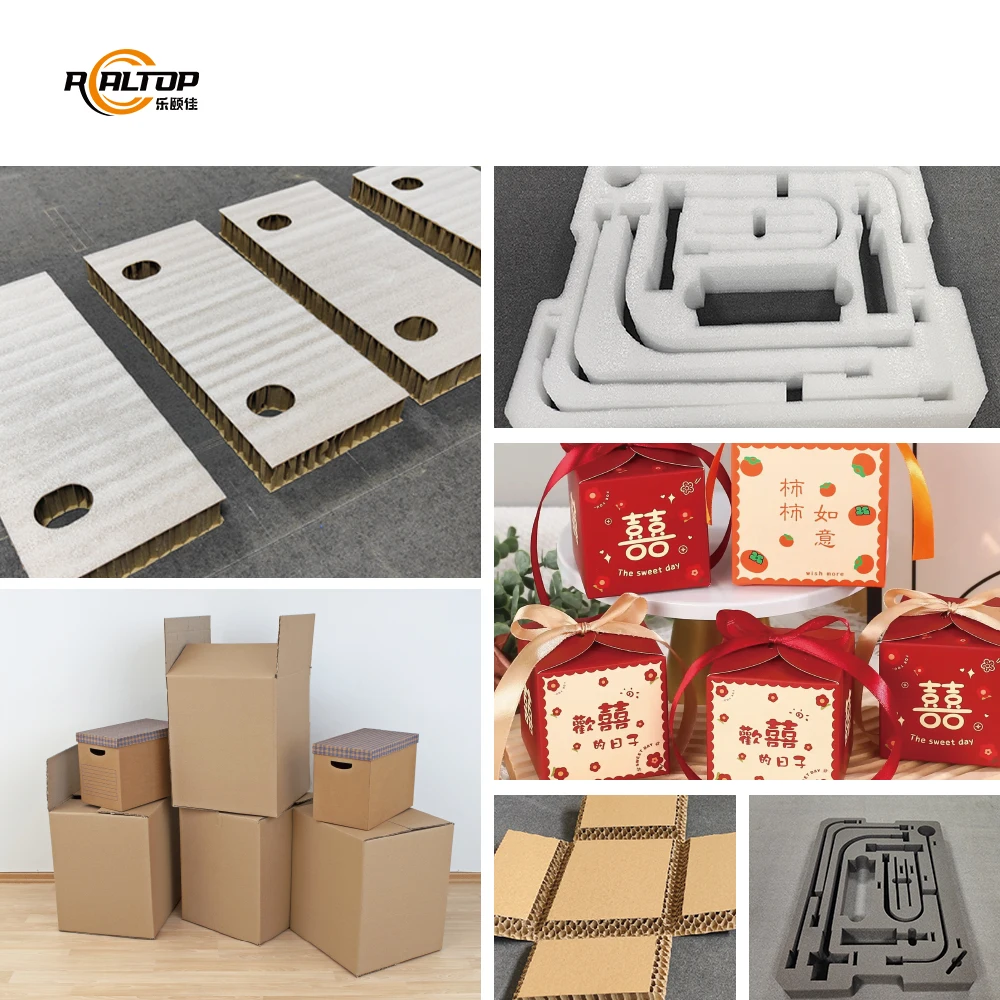
| Corrugated carton sample making | E-flute, B-flute, BC-flute board without die-cut moulds |
| Greyboard and cardstock prototyping | Short-run structural packaging boxes |
| Foam insert fabrication | EVA, EPE, PU foam cut to custom protective profiles |
| Specialty packaging conversion | Art paper, velvet, fleece, non-woven fabric for luxury inserts |
| Thin plastic sheet cutting | PVC and PET sheets for blister and window packaging |
| Gasket and rubber mat production | PTFE, rubber and composite sealing materials |
Why Flute Thickness Decides More Than Working Area
A 1600 × 2500 mm bed only matters if the tool head can actually shear your board without crushing the flute structure underneath.
I once watched a packaging converter in Mexico receive a flatbed specified purely on sheet dimensions. The machine arrived, the operator loaded BC-flute corrugated board, and the oscillating knife tore through the top liner while leaving the medium untouched. Within a week, the maintenance drawer was full of snapped blades and the sample room was producing nothing usable. The problem was never the working area — it was a tool head chosen without a single test cut on the buyer’s actual stock. Selecting the right CNC Oscillating Knife Cutting Table specifications requires verifying flute type, board density and foam insert thickness before the purchase order is signed, not after the crate is opened [NEED_CITE: tooling selection methodology for corrugated flute profiles].
Matching Knife Geometry to Corrugated Density
An oscillating knife works well on single-face and double-wall board because the vertical vibration shears fibers cleanly without dragging. A driven rotary knife, by contrast, suits continuous long cuts on thinner cardstock and art paper where edge sealing matters more than flute preservation. Choosing between these tool heads on a CNC Oscillating Knife Cutting Table determines whether your crease lines register correctly and whether the cut edge accepts glue without feathering.
Creasing Wheel and Kiss Cutting for One-Pass Box Structures
Carton structures require both through-cuts and scored fold lines. The creasing wheel presses a defined channel into the board without penetrating it, while the kiss cutting tool scores adhesive-backed labels and thin gaskets to a controlled depth. Running crease and cut in a single setup eliminates the registration drift that occurs when a sample moves between two machines. This is how to choose a packaging CNC cutting system that handles both operations without repositioning [NEED_CITE: creasing pressure standards for corrugated packaging substrates].
Reading the Spec Sheet Against Your Material Stack
Cutting accuracy at ±0.1 mm keeps tab-and-slot joints tight on small carton prototypes, but that tolerance only holds if the aluminum bellows vacuum table maintains flatness across the full 1600 × 2500 mm surface. The 9 kW vacuum pump generates the hold-down force needed to prevent small offcut pieces from lifting during high-speed contour work. Pair this with the dedicated packaging box structure design software, which accepts PLT, DXF, AI and PDF imports directly — no intermediate file conversion that loses curve resolution.
The Cost of Skipping a Material Trial
A generic specification sheet lists ≤ 40 mm cutting thickness without stating which material density that figure applies to. Dense EVA foam at 40 mm demands a completely different stroke frequency and blade angle than BC-flute board at the same nominal thickness. When the wrong combination ships to your floor, you discover it through ragged edges, excessive blade wear and rejected prototypes — all of which compound into rework hours and delayed customer samples [NEED_CITE: material density impact on oscillating knife tool life].
Why Procurement Starts with a Sample Report
REALTOP runs your actual corrugated board, foam or composite stock through a cutting trial before the machine configuration is locked. The resulting sample cutting report documents edge quality, crease depth and cycle behavior on your specific material. Tool head selection, vacuum zoning and servo tuning are all adjusted based on that report — so the machine that ships is the machine your production workflow requires, not a default build.
Why Source This Flatbed Here
The in-house design team covers both knife tooling and vacuum table engineering under one roof, so configuration changes during the trial phase do not require waiting on third-party tooling suppliers. PLC control with multi-language support — English, Russian, Italian, Chinese and custom languages — means your operators can read the interface in their working language from day one. Voltage options spanning 110V, 220V and 380V are confirmed in writing against your facility’s supply before production begins. Every shipment includes a documented tool head and table configuration list tied to your material, not a generic packing list. The dedicated packaging software is licensed and validated for your file format before dispatch.
Documentation & Verification
- Machine specification sheet listing confirmed tool heads and vacuum zoning per your material
- Electrical schematic with voltage, frequency and plug type matched to your facility
- Sample cutting report on your corrugated flute or foam at your specified thickness
- Software licence and file format compatibility note for PLT, DXF, AI and PDF workflows
- Factory test record capturing cutting accuracy and cycle performance before crate sealing
- Operation and maintenance manual in your selected control language
Installation, Commissioning & Support
- Confirm 3300 × 2100 × 1350 mm machine footprint against available floor space and door clearances
- Provide dedicated circuit matching confirmed voltage option (110V, 220V or 380V) with correct frequency
- Re-level the aluminum bellows vacuum table after transport to restore full-surface flatness
- Calibrate cutting accuracy to ±0.1 mm on your material during on-site commissioning
- Train operators on PLC panel and packaging software in the configured language
- Stock oscillating knife blades, creasing wheels and vacuum seals as initial spare parts inventory
What We Need to Configure Your Machine
Send us your corrugated flute type or foam density, maximum sheet dimensions and the daily prototype volume your sample room handles. Confirm your facility voltage, frequency and the control language your operators need. If you already run nesting or CAD workflows, share a sample file so we can verify format compatibility before the build starts.
Frequently Asked Questions
Q: How is cutting thickness verified for my specific flute type and foam density?
A: We run a trial on your actual material sample before the configuration is finalized. The test covers edge quality, flute compression and blade wear across multiple passes. A written sample cutting report documents the results so the tool head and stroke settings are matched to your board, not guessed from a generic chart.
Q: Which tool head combination handles both creasing and cutting in one pass?
A: The creasing wheel scores fold lines without penetrating the board, while the oscillating knife or driven rotary knife completes through-cuts. Both tools mount on the same carriage, so carton structures are cut and creased in a single setup without repositioning or registration loss between operations.
Q: How is vacuum table zoning configured for small carton parts?
A: The aluminum bellows vacuum table provides full-surface adsorption, and the 9 kW pump maintains hold-down pressure across the 1600 × 2500 mm bed. Zoning can be adjusted so that small offcut areas receive sufficient suction to prevent material lift during high-speed contour cutting.
Q: What software file formats are natively supported?
A: The dedicated packaging box structure design software imports PLT, DXF, AI and PDF files directly. Before the order is confirmed, we test your existing design files through the software to verify that curves, dimensions and layer structures transfer without conversion loss or manual redrawing.
Q: How are voltage, frequency and control panel language confirmed before production?
A: Your facility voltage and frequency are documented during the inquiry stage and written into the specification sheet. The PLC control panel is then configured in your chosen language — English, Russian, Italian, Chinese or a custom language — so the machine arrives ready for immediate operation without translation delays.


商品评价
Clear filtersThere are no reviews yet.